What to Buy Before a Cavalier Puppy Arrives
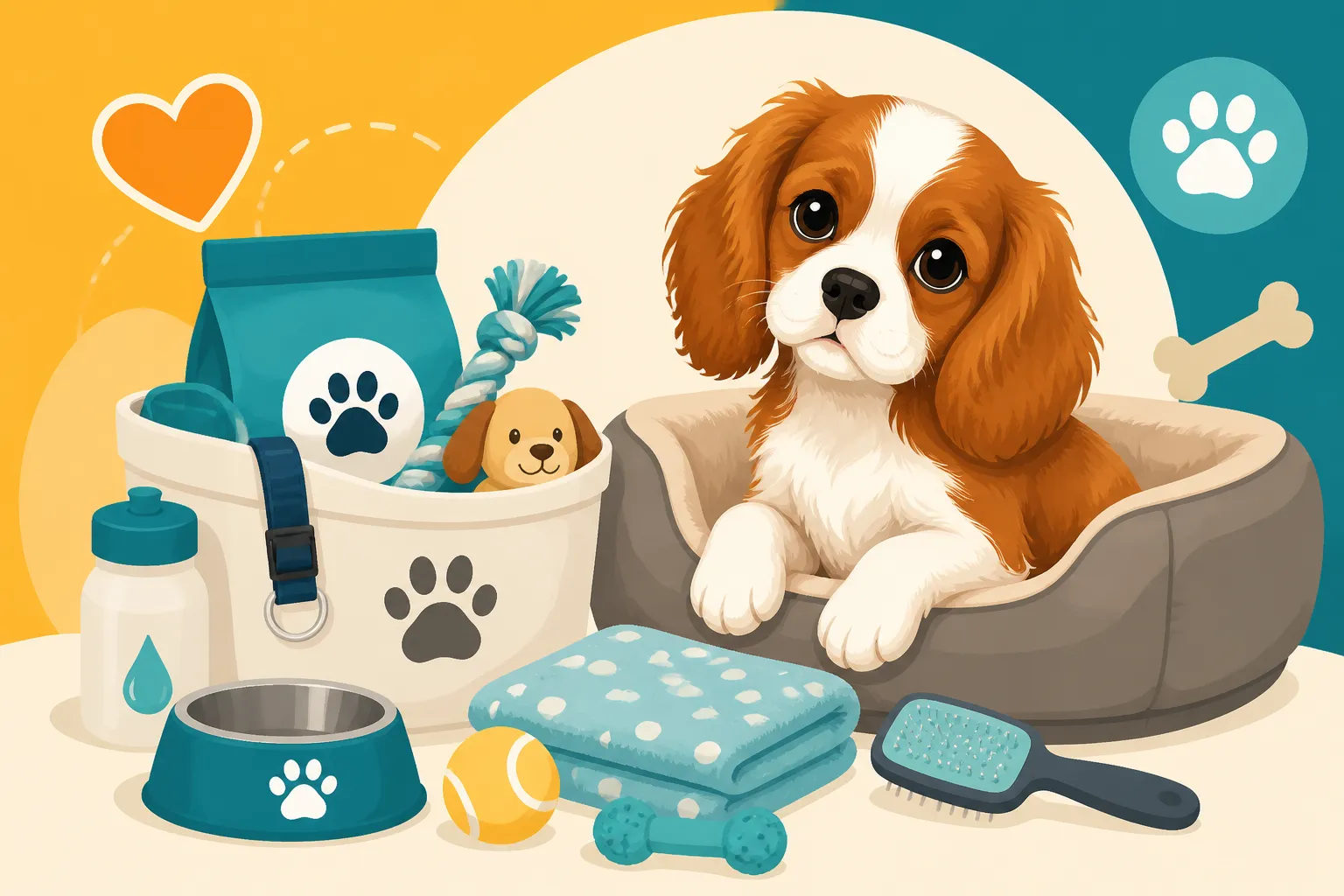
Bringing home a new Cavalier King Charles Spaniel puppy is such an exciting time, but it can also feel a little overwhelming when you start thinking about all the things you need to get ready. You want to make sure your new little companion has everything they need to feel safe, loved, and comfortable from the moment they walk through your door. This comprehensive guide will walk you through all the essential items to purchase before your Cavalier puppy arrives, ensuring a smooth and happy transition for everyone.
Creating a Welcome Home Haven: Essential Supplies
The first few days and weeks are critical for a puppy. They're leaving their littermates and everything familiar, and your home needs to be a sanctuary. Getting the right foundational items in place before they arrive will make a world of difference.
Setting Up Their Personal Space
Every puppy needs a safe spot that's just for them, a place where they can retreat and feel secure. This is especially true for Cavaliers, who thrive on comfort and routine.
When you bring a puppy home, a crate isn't about punishment; it's about providing a den – a safe, cozy space that's all their own. For a Cavalier, you'll want a crate that's appropriate for their adult size, which usually means around 24 to 30 inches long. If you get a larger one, make sure it comes with a divider so you can adjust the space as your puppy grows. The goal is enough room for them to stand up, turn around, and lie down comfortably, but not so much space that they can use one end as a potty area. Many Cavalier owners find a wire crate with a secure latch works well, as it offers good ventilation and visibility. Place it in a quiet corner of a main living area where they can still feel part of the family without being constantly disturbed. A playpen can also be incredibly useful, especially in those early weeks. It gives them a larger, contained area to play and explore safely when you can't have eyes on them every second, preventing accidents and destructive chewing.
Inside their crate, soft bedding is an absolute must. Think about what makes you feel snug and safe – that's what your puppy needs! A plush dog bed, a cozy blanket, or even a soft towel can make their crate feel inviting. Just be sure whatever you choose is washable, because let's be realistic, puppy accidents happen. Having a couple of sets of bedding on hand is a smart move so you can easily swap them out when one needs a wash. Some puppies might be chewers, so opt for something durable if you suspect your little one will try to redecorate their bed. The idea is to make this space so inviting that they choose to go in there on their own for naps and quiet time, associating it with comfort rather than confinement.
Delicious Dining: Food and Water Basics
Feeding your Cavalier puppy properly is crucial for their growth and development. Getting their mealtime setup right from day one helps establish good habits.
You'll need sturdy bowls for both food and water. Stainless steel bowls are often recommended by vets because they are easy to clean, durable, and don't harbor bacteria like some plastic alternatives can. Ceramic bowls are also a good option, as long as they are heavy enough not to tip over easily. For a Cavalier, whose beautiful long ears tend to get into everything, you might even consider "spaniel bowls" which are designed with narrower openings to help keep those lovely ear leathers out of their food and water. This prevents a soggy mess and reduces the risk of ear infections, a common concern for our drop-eared friends. Ensure the bowls are a comfortable height for your growing puppy; you don't want them straining their neck to eat or drink.
Your breeder should tell you exactly what food your puppy has been eating. It's incredibly important to stick with that food for at least the first week or two to avoid upsetting their stomach during an already stressful transition. If you decide to switch to a different brand, do so gradually over 7-10 days, mixing increasing amounts of the new food with decreasing amounts of the old. When choosing a puppy food, look for high-quality ingredients suitable for small breeds. Brands like Ollie offer fresh, human-grade food that can be tailored to your puppy's specific needs, and many Cavalier owners find it a great option for sensitive tummies and picky eaters. Remember that a Cavalier puppy needs precise nutrition to grow properly, so always consult your vet if you have questions about the best diet for them. Also, keep in mind that Feeding a Cavalier on Fifteen Pounds or less means every calorie counts, especially as they mature.
When it comes to treats, think small and high-value for training purposes. Soft, pea-sized treats are perfect for rewarding good behavior without overfeeding. You'll also want some durable chew toys. Puppies, especially Cavaliers, go through a teething phase, and having appropriate things to chew on will save your furniture and fingers! Look for rubber toys that can be stuffed with peanut butter or treats, or softer chew toys designed for puppy teeth. Avoid anything too hard that could damage their developing teeth.
Grooming Gear for That Luscious Cavalier Coat
Cavaliers are known for their beautiful, silky coats and expressive eyes, but they do require regular grooming to keep them looking their best and prevent common issues.
Your Cavalier will sport beautiful feathering, especially on their ears, chest, legs, and tail. This feathering is prone to matting if not maintained regularly. You'll need a good quality slicker brush and a metal comb. The slicker brush is excellent for getting through the longer feathering and removing loose hair, while the metal comb is crucial for getting right down to the skin and finding any tangles or mats before they become serious. Pay particular attention to behind their ears and under their armpits where mats love to hide. Learning The Combs That Reach Cavalier Feathering and how to use them correctly will save you a lot of headaches (and your puppy a lot of discomfort!). Start getting your puppy used to being brushed and handled from day one, even if it's just for a few minutes at a time. Make it a positive experience with treats and praise.
When it's bath time, you'll want a gentle, puppy-specific shampoo and conditioner. Their skin is delicate, and adult formulas can be too harsh. Choose products that are tearless and free of strong perfumes that could irritate their skin or eyes. Having a soft towel and even a low-heat blow dryer (specifically designed for pets, or set to a cool setting) will help dry their coat thoroughly to prevent matting and chilling. Remember, those long ears can trap moisture, contributing to Why a Cavalier's Drop Ears Trap Infection, so thorough drying around and under their ears is vital.
Nail care is another important part of grooming. You can choose between traditional clippers or a nail grinder. Many owners find a grinder less intimidating and it provides a smoother finish, but it does take time to get puppies accustomed to the sound and sensation. Again, start early and make it a positive experience. Just trimming the tips regularly will keep their nails from getting too long and causing discomfort. Don't forget their dewclaws if they have them!
Finally, ear cleaner is absolutely essential for Cavaliers. Their long, floppy ears restrict airflow, making them prone to infections. Your vet can recommend a good ear cleaning solution. You'll want to gently clean their ears regularly, as advised by your vet, to remove wax and debris. Never use cotton swabs deep inside the ear canal; just clean the visible parts of the outer ear and ear flap.
Health and Safety: Preparing for a Healthy Start
Beyond the daily care items, there are crucial steps to take to safeguard your Cavalier puppy's health and ensure their safety both inside and outside the home.
Partnering with Your Vet and Considering Insurance
One of the most important relationships you'll build as a pet parent is with your veterinarian. Establishing good preventative care early on is vital for a Cavalier.
Schedule your Cavalier puppy's first vet visit within a few days of bringing them home. This initial check-up allows your vet to assess their overall health, review their vaccination records, and discuss a plan for their remaining puppy shots. They'll also check for any immediate concerns and answer all your questions about feeding, parasite prevention, and general puppy care. Make sure you bring all the paperwork your breeder provided, including any health certificates or medical history, as your vet will want to review Reading a Cavalier Puppy's Health Certificates. This initial visit is also when you'll typically discuss the schedule for Vaccinating a Cavalier Puppy to ensure they are fully protected.
Given the breed's predispositions, especially to heart conditions like Mitral Valve Disease (MVD), pet insurance is something every Cavalier owner should seriously consider. The key is to enroll your puppy before any symptoms or diagnoses appear. Once a condition is noted in their medical records, it becomes "pre-existing" and usually won't be covered by insurance. Insurers like Healthy Paws are often recommended because they offer comprehensive coverage for accidents and illnesses, which can be a lifesaver when dealing with potential long-term health issues that Cavaliers face. It's smart to start researching options and consider Enrolling a Cavalier Puppy Before Any Symptoms as soon as you know you're getting a puppy, ideally before they even come home. This proactive step can save you thousands of dollars in veterinary bills down the line.
Protecting Your Puppy: Identification and Gear
Even the most well-behaved puppy can get curious or startled. Proper identification and safety gear are non-negotiables for your Cavalier.
A well-fitting collar and leash are fundamental. For a young puppy, a lightweight, adjustable nylon collar is often best. Make sure it's snug enough that it can't slip over their head but loose enough that you can comfortably fit two fingers underneath. As your Cavalier grows, you might consider a harness. Many Cavalier owners prefer harnesses over collars, especially for walks, to avoid putting pressure on their delicate neck and trachea. A good quality harness will fit securely around their chest and shoulders, distributing pressure evenly. You can learn more about Harnesses Suited to a Cavalier's Neck to make an informed choice. Always ensure whatever you choose allows for full range of motion and doesn't rub or chafe.
Immediately after getting your puppy, get them an ID tag with your current phone number. Many vets also recommend microchipping, which provides a permanent form of identification if their collar ever comes off. These simple steps significantly increase the chances of being reunited with your Cavalier if they ever get lost.
Travel safety is also paramount. A carrier or a specially designed car seat is vital for transporting your Cavalier safely in the car. An unrestrained puppy can be a dangerous distraction, and they are much more vulnerable to injury in the event of a sudden stop or accident. Investing in Car Seats and Restraints for a Cavalier ensures they are secure and comfortable during car rides, whether it's just a quick trip to the vet or a longer journey.
Training and Play: Setting the Stage for a Well-Adjusted Cavalier
Cavaliers are intelligent and eager to please, making them a joy to train. Having the right tools on hand will set you both up for success.
Potty Training and Housekeeping Essentials
Potty training is one of the first big hurdles, but with consistency and the right supplies, your Cavalier puppy will catch on quickly.
Puppy pads can be a useful tool, especially if you live in an apartment or during inclement weather, but the goal is always to transition them to going outside. If you use them, place them in a consistent spot and gradually move them closer to the door over time. Remember, the best approach is frequent outdoor potty breaks, especially after waking up, eating, and playing. Accidents will happen, so arm yourself with a good enzyme cleaner. This type of cleaner breaks down the odor and stains at a molecular level, preventing your puppy from being drawn back to the same spot by scent. Regular household cleaners often just mask the smell, leaving a faint scent that only your dog can detect, encouraging them to repeat the behavior.
Toys and Fun for a Happy Puppy
Playtime is crucial for a puppy's physical and mental development. Cavaliers are playful and love to interact, so a variety of toys will keep them entertained and engaged.
Offer a variety of toys to discover what your Cavalier enjoys most. Chew toys are a must, especially during teething. Look for different textures and materials – some puppies prefer softer rubber, while others love a more rigid chew. Puzzle toys or interactive feeders are fantastic for mental stimulation, making them "work" for their treats and preventing boredom. And of course, don't forget toys for fetch or tug – soft balls and rope toys are great for this. You can find a huge selection of toys for all stages of your puppy's development through online retailers like Chewy, making it easy to replenish their toy basket. Just make sure all toys are size-appropriate and durable enough not to break into small, swallowable pieces.
Aids for Positive Training
Cavaliers respond beautifully to positive reinforcement. Having some basic training aids will help you guide them.
A clicker can be a fantastic tool for marking desired behaviors precisely, followed immediately by a treat. A treat pouch worn around your waist makes it easy to have rewards readily available for those impromptu training moments or successful potty breaks. Baby gates are also incredibly useful. They allow you to safely restrict your puppy's access to certain areas of your home, preventing accidents and keeping them out of trouble when you can't supervise them directly. For instance, you can use them to block off stairs, as too much jumping and stair climbing can be hard on a young Cavalier's developing joints. While a healthy adult Cavalier might enjoy a casual climb, a puppy's joints are still forming, so it's best to limit access to stairs for them. Consider reading about Whether a Cavalier Puppy Can Climb Stairs for more insights into protecting their young bodies.
Planning for the Future: Long-Term Ownership and Budgeting
Bringing a Cavalier puppy home is a long-term commitment. While the initial setup costs are significant, understanding the ongoing expenses is equally important.
Beyond the Initial Haul: Understanding Ongoing Costs
It's easy to get caught up in the excitement of new puppy purchases, but remember that the initial gear is just the beginning.
The initial cost of setting up your home for a Cavalier puppy can quickly add up, but it’s a necessary investment in their comfort and safety. Beyond that, you'll have ongoing expenses like quality food (and remember, What a Cavalier Eats in a Month can vary depending on brand and type), treats, routine vet check-ups, parasite prevention, grooming supplies, and periodic replacement of worn-out toys. Additionally, you'll need to consider potential emergency veterinary care, especially for a breed prone to certain health issues. It's truly wise to start building The Emergency Fund a Cavalier Owner Needs right away. This financial cushion can be invaluable if your puppy suddenly becomes ill or has an accident, providing peace of mind during stressful times.
As your Cavalier grows, their dietary needs will evolve. While a puppy needs specialized Whether a Cavalier Puppy Needs Small Breed Food, eventually they'll transition to an adult formula. You might also find yourself investing in professional grooming sessions, especially if you want to keep their feathering in tip-top condition without the time commitment of daily extensive brushing at home. These are all things to factor into your long-term budget.
Smart Shopping for Your Cavalier
There are many places to buy your puppy supplies, and a little planning can help you get the best value and quality.
Local pet stores are fantastic for getting a hands-on feel for products and supporting small businesses. The staff can often offer personalized advice, which is invaluable for new puppy owners. However, for a wider selection and often more competitive prices, online retailers like Chewy are hard to beat. They offer everything from food and treats to crates and grooming tools, often with convenient delivery directly to your door. Subscribing for auto-ship on essential items like food can also save you money and ensure you never run out.
No matter where you shop, always prioritize quality, especially for items that directly impact your Cavalier's safety and health. Look for well-made, non-toxic products, and always check reviews from other pet owners. It’s better to invest a little more upfront in durable, safe items than to constantly replace cheaper, inferior products. When selecting food or treats, always read ingredient labels carefully and choose options that your vet would approve of.
Bringing home a Cavalier King Charles Spaniel puppy is a joyous occasion. By being prepared with all the necessary supplies, you’re not just buying things; you’re setting the foundation for a lifetime of love, health, and happiness with your new best friend.
Disclaimer
This article is for general informational purposes only and does not constitute professional advice. Laws, prices and regulations vary by location and change over time. Consult a qualified professional for guidance on your specific situation.