Fostering a Cavalier for a Rescue Group
Many Cavalier King Charles Spaniels find themselves in urgent need of a safe, loving temporary home, often due to circumstances far beyond their control. If you've ever felt a tug at your heart for these sweet, soulful dogs, becoming a foster parent for a Cavalier rescue group can be an incredibly rewarding experience. This guide will walk you through what it truly means to open your home and heart to a Cavalier in transition, from the practicalities of daily care to the profound emotional journey involved.
Why Rescue Groups Rely on Foster Homes for Cavaliers
It's a heartbreaking reality that rescue organizations are constantly inundated with Cavaliers needing help. These aren't always young, healthy puppies; often, they are older dogs, sometimes with significant health issues, or those surrendered due to unforeseen life changes in their previous families. Without a network of dedicated foster homes, many rescues simply couldn't operate, as they lack physical shelter facilities.
The Overwhelming Need for Temporary Havens
Imagine a Cavalier, perhaps eight or nine years old, who has spent its entire life as the cherished companion of an elderly owner who suddenly passes away. Or a younger dog whose family had to move overseas and couldn't take him. These dogs, already sensitive and prone to separation anxiety, would be utterly lost in a kennel environment. Traditional shelters, while doing heroic work, can be incredibly stressful for a breed like the Cavalier, who thrives on human companionship and a predictable, quiet routine. The constant noise, unfamiliar smells, and lack of individual attention can be terrifying and detrimental to their well-being.
This is where foster homes become lifelines. They offer a soft landing, a quiet space where a Cavalier can decompress, feel safe, and begin to trust again. It’s a bridge between a past that might have been difficult or confusing, and a future with a permanent, loving family. For rescues, every foster home means one more Cavalier they can pull from a crowded shelter or take in from a dire situation. This direct impact on saving a life is perhaps the most compelling reason why so many people choose to foster.
Understanding a Cavalier's Specific Needs in a Foster Environment
Cavaliers are, by nature, "velcro dogs." They crave connection and closeness, which makes them uniquely vulnerable to the trauma of displacement. A foster home provides the consistent human interaction they need, which is something a busy shelter can rarely offer. Beyond emotional support, many Cavaliers arrive with specific physical needs. They might be underweight, need regular grooming to manage a matted coat, or require a specialized diet due to previous neglect or underlying health conditions.
Consider a Cavalier who has been diagnosed with a heart murmur, a common ailment in the breed. This dog might need Medication for a Cavalier With Heart Disease or a specific low-sodium diet, which is much easier to manage in a home setting than in a general shelter. Some Cavaliers also arrive with untreated ear infections, which are sadly recurrent for the breed, making Cavalier Ear Infections and Why They Recur a critical area of care. A foster parent can ensure medication is given consistently, ears are cleaned regularly, and symptoms are monitored closely. The quiet predictability of a foster home also allows a rescue group to assess the Cavalier's true personality, social skills, and any quirks that might surface once they feel safe. This crucial insight helps the rescue find the perfect forever home, ensuring a successful match rather than another failed placement.
What to Expect When Fostering a Cavalier
Deciding to foster is a significant commitment, but rescue groups are typically very supportive. They want their foster families to succeed, because that means more dogs get helped. Understanding the process upfront can ease many anxieties.
The Application and Matching Process
The journey usually begins with an application. Rescue groups want to ensure a safe and suitable environment for their dogs. This often involves detailed questions about your living situation, past pet experience, household members (including children and other pets), and your daily routine. Don't be surprised if there's a home visit – it's standard practice to verify the information and ensure your home is secure and appropriate for a Cavalier. They'll want to see secure fencing, assess potential hazards, and discuss how a foster dog will integrate into your life.
Once approved, the rescue will work to match you with a Cavalier whose needs align with what you can offer. This might mean fostering a young, energetic dog if you have a very active home, or taking in an older, quieter Cavalier if you prefer a calmer pace. Sometimes, a rescue group might need a foster home specifically for a Cavalier undergoing medical treatment or rehabilitation. This matching process is vital for the well-being of both the dog and the foster family. For example, if you've already got a dog that struggles with A Cavalier That Will Not Give Up a Sock, they'll likely try to avoid placing a resource-guarding foster with you.
Daily Life and Responsibilities as a Foster Parent
As a foster parent, your primary role is to provide a safe, loving, and stable home environment. This means feeding them appropriate food, ensuring they have fresh water, providing a comfortable place to sleep, and giving them plenty of affection and mental stimulation. Exercise, even for a smaller breed like a Cavalier, is important, though the amount will depend on the individual dog's age and health. For a senior Cavalier, this might just mean short, gentle strolls in the yard, while a younger one might enjoy more extended playtime.
You'll also be responsible for basic training, like reinforcing house manners and possibly working on leash skills. Many Cavaliers come with excellent house training, but some might need a refresher or patience during adjustment. Consistency is key. Keeping the rescue updated on the dog's progress is also critical. They'll want to know about personality traits, any behavioral issues that emerge, and how the dog interacts with people and other pets. This feedback helps the rescue create an accurate profile for potential adopters. Think of it as preparing the Cavalier for their future family, helping them put their best paw forward.
Navigating Vet Care and Behavioral Support
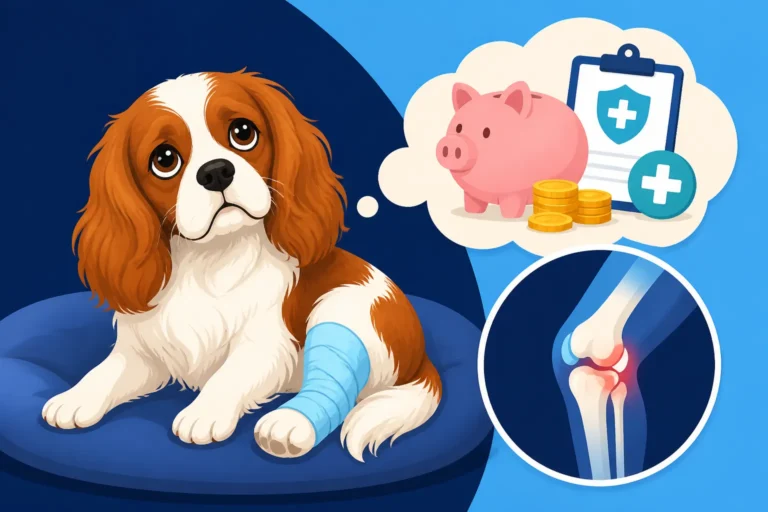
One of the biggest concerns for potential foster parents is often the cost and complexity of vet care. Most reputable rescue groups cover all veterinary expenses for their foster dogs. This means if your foster Cavalier needs a check-up, vaccinations, or treatment for an illness, the rescue will arrange and pay for it. You might be asked to transport the dog to appointments, which usually involves local vets the rescue partners with. This is a huge relief, especially considering how quickly vet bills can add up for a breed known for certain health challenges.
Similarly, if your foster Cavalier exhibits behavioral issues like separation anxiety (a common Cavalier trait), resource guarding, or reactivity, the rescue group will typically provide support. This might include connecting you with a professional dog trainer, offering advice from experienced volunteers, or suggesting management techniques. Sometimes, simply providing a stable environment and consistent routine can resolve many minor behavioral quirks. For more serious issues, the rescue might suggest a consultation with a behaviorist. They aim to address these challenges so the Cavalier is as well-adjusted as possible for their forever home. It's often helpful to keep notes or even consider Filming a Cavalier While You Are Out to accurately describe any issues to the rescue.
The Emotional Rewards and Challenges of Fostering
Fostering isn't just about providing shelter; it's about investing your heart in a dog, knowing that one day you'll have to let them go. This emotional rollercoaster is perhaps the most significant aspect of the fostering journey.
Saying Goodbye: The Bittersweet Adopter Meeting
The moment an adopter is found for your foster Cavalier is a mix of relief, joy, and often, a little heartbreak. You've poured your time and affection into this dog, watched them transform, and helped them heal. Now, it's time for them to embark on their next chapter. This "gotcha day" is incredibly rewarding, knowing you played a direct role in giving a dog a second chance at happiness. Many rescue groups facilitate a meeting between the foster family and the potential adopters. This allows you to share insights into the Cavalier's personality, routines, and preferences, ensuring a smoother transition.
While it's natural to feel a pang of sadness, the overriding emotion for most foster parents is pride. You've prepared this dog to be the best companion they can be. You've given them a foundation of love and security that will serve them for the rest of their lives. Seeing them trot off with their new, excited family is a testament to your efforts. It’s a bittersweet moment, yes, but overwhelmingly positive because you know you’ve opened up a space to help the next Cavalier in need.
Handling Foster Fails and Compassion Fatigue
Sometimes, a foster situation doesn't go exactly as planned. A "foster fail" isn't a failure at all; it's when a foster parent falls so deeply in love with their foster dog that they decide to officially adopt them. It happens more often than you might think, especially with a breed as endearing as the Cavalier! While rescues are thrilled that the dog found a forever home, it does mean one less foster spot available for the next incoming dog. If you find yourself considering adopting your foster, it's important to communicate openly with the rescue group about your intentions.
On the other end of the spectrum is compassion fatigue. Fostering can be emotionally draining. You might take in a Cavalier with a traumatic past or significant health issues, and witnessing their struggles can be tough. There might be sleepless nights, messy accidents, or challenging behaviors. It's crucial to recognize the signs of compassion fatigue – feeling overwhelmed, emotionally numb, or even resentful. It's perfectly okay to take a break between fosters if you need to recharge. Most rescue groups are very understanding and want their foster families to remain healthy and enthusiastic. Remember, you're not obligated to take every dog that comes your way. Saying "no" when you need a break ensures you can continue to say "yes" effectively in the long run.
Practical Considerations for Becoming a Cavalier Foster
Before diving in, it's wise to consider the practical aspects of bringing a temporary furry family member into your home. This helps ensure a smooth experience for everyone involved.
Financial Support and Supplies from the Rescue
As mentioned, rescue groups typically cover all veterinary costs. Beyond that, many also provide basic supplies. This can include food (sometimes even a specific brand like Ollie or what they receive in donations from places like Chewy), leashes, collars, crates, and sometimes even toys. The level of support varies between organizations, so it's a good question to ask during your application process. While fostering is an act of charity, it shouldn't be a significant financial burden on the foster family.
However, keep in mind that you might still incur some incidental costs. For example, you might choose to buy your foster dog a special treat, a new bed, or a favorite toy. You might also see slightly higher utility bills from extra laundry or heating/cooling a bit more for their comfort. These are generally minor and voluntary, but it's worth being aware that even with robust rescue support, there can be small personal contributions. Ultimately, the biggest contribution you make is your time, love, and the space in your home.
Preparing Your Home and Family for a Foster Cavalier
Before your foster Cavalier arrives, "Cavalier-proof" your home just as you would for a new puppy. This means securing cabinets, removing toxic plants, tucking away electrical cords, and making sure any valuable or breakable items are out of paw's reach. Designate a safe space for your foster dog, perhaps a crate in a quiet corner or a bed in a low-traffic area, where they can retreat and feel secure. If you have other pets, consider how you'll introduce them slowly and safely. Most rescues will guide you on appropriate introduction protocols to minimize stress for all animals involved.
It's also essential to prepare your family. Discuss the fostering commitment with everyone in the household, including children. Explain that the Cavalier is a temporary guest who will eventually go to another family. This helps manage expectations and prepares children for the eventual goodbye. Involve them in the care of the foster dog, teaching them gentle handling and responsible pet ownership. If you have children, selecting a Cavalier known to be good with kids is paramount.
Consider the potential for accidents. A newly rescued Cavalier might not be perfectly house-trained, or they might have an accident due to stress. Have cleaning supplies on hand and be prepared for minor setbacks. For an older Cavalier with potential heart issues, you might need to monitor them for Coughing at Night in a Cavalier or A Cavalier That Tires on Short Walks. Clear communication with the rescue about any concerns is always the best approach. Fostering is a deeply personal and meaningful experience that changes lives—not just the Cavalier's, but often yours too. It's challenging, yes, but the reward of seeing a frightened, neglected dog transform into a confident, loving companion ready for their forever home is truly immeasurable.
Disclaimer
This article is for general informational purposes only and does not constitute professional advice. Laws, prices and regulations vary by location and change over time. Consult a qualified professional for guidance on your specific situation.