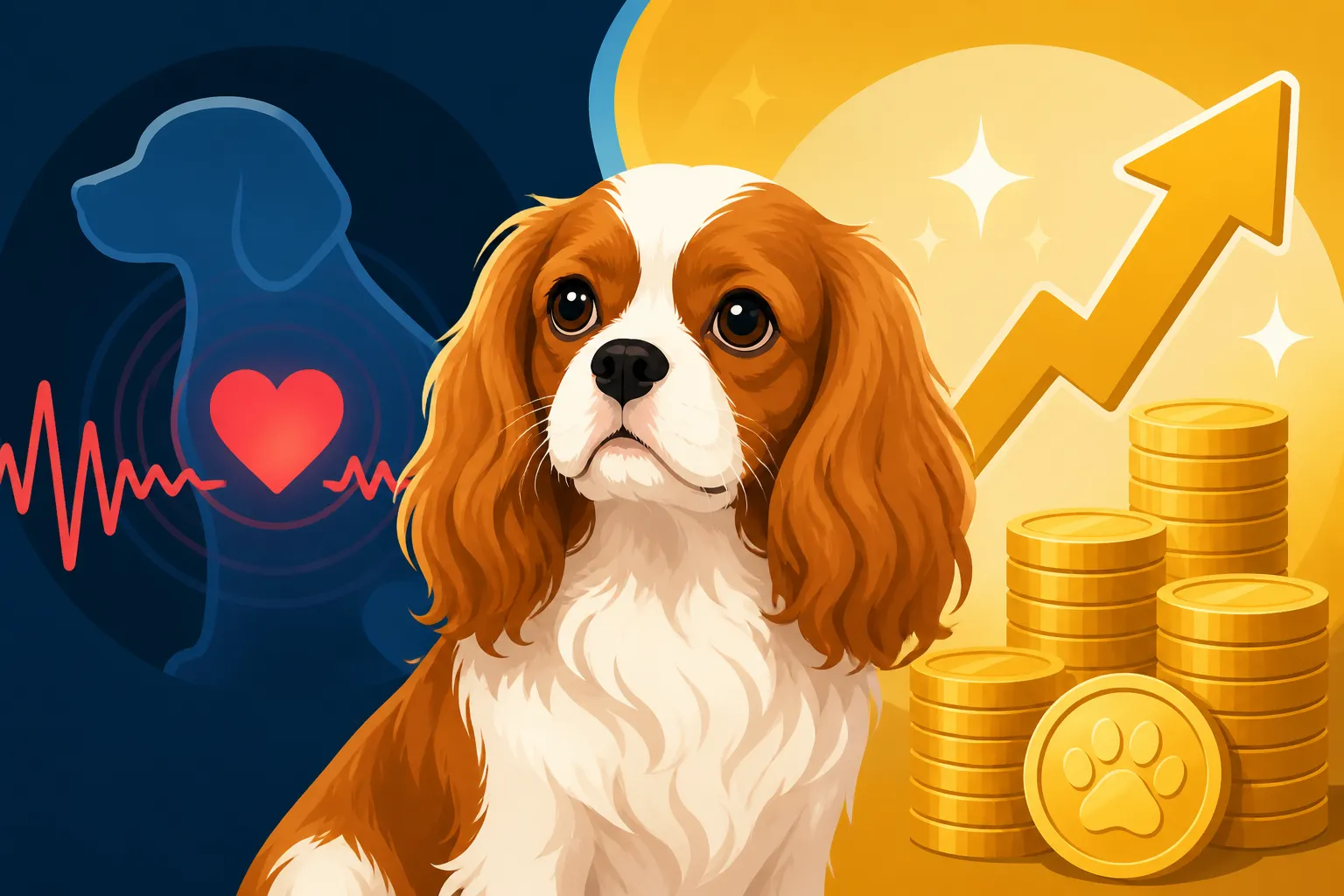
What a Murmur Does to a Cavalier’s Premium
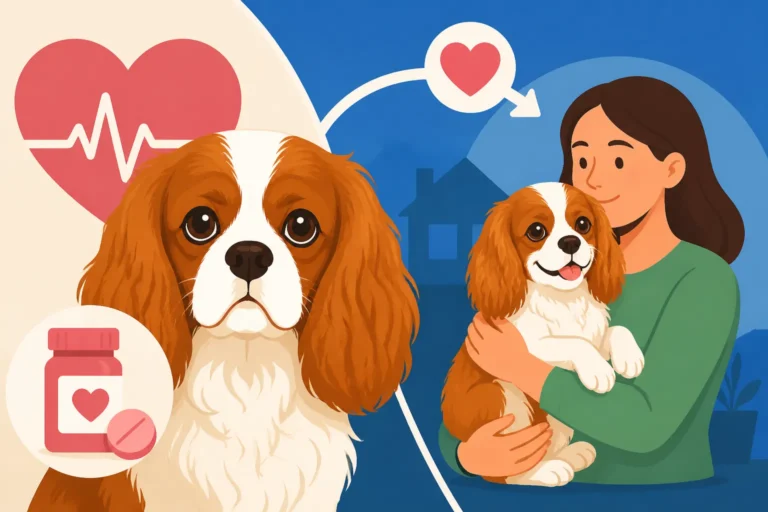
It’s a heart-wrenching moment for any Cavalier King Charles Spaniel owner: that first whisper from the vet about a heart murmur. You're immediately worried about your beloved companion's health, but quickly, a chilling thought sets in: "What does this mean for my pet insurance?" This guide is here to walk you through the often-confusing world of pet insurance and how a heart murmur diagnosis can dramatically impact your Cavalier’s coverage and, unfortunately, your premiums.
The Unavoidable Truth: Cavalier Heart Murmurs and Insurance Realities
Cavalier King Charles Spaniels are, sadly, notorious for developing heart murmurs, particularly due to Mitral Valve Disease (MVD). It’s a genetic predisposition that makes them incredibly special but also vulnerable. Owners often feel blindsided, wondering how such a tiny, happy dog could face such a significant health challenge. The reality is that a large percentage of Cavaliers will develop a murmur at some point, and understanding how this interacts with pet insurance is crucial for your financial planning and your dog's future care.
Why Cavaliers Are Prone to Murmurs So Early
It feels almost unfair, doesn't it? Our sweet Cavaliers, known for their affectionate nature and gentle eyes, often carry this genetic vulnerability to heart disease. Mitral Valve Disease is prevalent in the breed, causing the valve between the heart's left atrium and left ventricle to weaken and leak. This leakage creates turbulence in the blood flow, which is what the vet hears as a "murmur." The sound indicates that the heart isn't working as efficiently as it should.
This isn't a flaw in your care or something you could have prevented; it's deeply ingrained in the breed's genetics. We often see these murmurs developing relatively early in a Cavalier's life, sometimes as young as three or four years old, though it can appear at any age. It’s why responsible breeders follow strict protocols, often not breeding Cavaliers until they are five years old and thoroughly heart-cleared, to try and reduce the incidence. However, even with the best breeding practices, the risk remains a significant concern for the breed.
What "Pre-Existing Condition" Really Means for Your Policy
The term "pre-existing condition" is the bane of many pet owners' existence, and it's especially relevant when it comes to a Cavalier's heart murmur. Simply put, a pre-existing condition is any illness or injury that your pet showed signs of, or was diagnosed with, before your insurance policy's waiting period ended. This could be anything from a limp they had last year to a chronic skin allergy. For a heart murmur, it means if your vet noted any indication of a murmur, even a grade 1, before your policy was active and past its waiting period, the insurance company will likely classify it as pre-existing.
This classification has serious implications: once a condition is deemed pre-existing, your pet insurance policy typically won't cover any diagnostics, treatments, or medications related to that specific condition. This includes the echocardiograms, chest X-rays, blood tests, and life-saving medications like pimobendan and diuretics that a Cavalier with MVD often needs. It can be a devastating realization when you've been faithfully paying premiums, only to find the one condition your breed is known for isn't covered. This is why understanding Why a Cavalier Murmur Becomes Pre-Existing is so vital.
Navigating Insurance Premiums After a Cavalier Heart Murmur Diagnosis
Discovering your Cavalier has a heart murmur brings a wave of questions, not least of which is how it affects your ability to get or keep pet insurance. The reality can be quite stark, with implications for both new policies and existing ones. It’s not just about what is covered, but about the financial burden that now falls directly on your shoulders.
The Impact on New Policy Applications
If your Cavalier has already been diagnosed with a heart murmur, even a very mild one, obtaining a new comprehensive pet insurance policy that covers future heart-related issues becomes exceedingly difficult, if not impossible. Insurance companies operate on risk assessment. A Cavalier with an existing murmur represents a known, high-risk condition that will almost certainly require ongoing, expensive veterinary care. Most standard comprehensive pet insurance providers will simply exclude any pre-existing conditions from coverage.
This means if you try to enroll with a company like Healthy Paws after a murmur diagnosis, their policy will likely explicitly state that anything related to MVD or the existing murmur is not covered. You might still be able to get coverage for unrelated accidents or illnesses, such as a broken leg or an ear infection, but the one condition that will statistically be your biggest financial burden won't be helped. This is a common frustration for owners who only think about insurance once a problem arises.
Understanding Your Current Policy's Terms
If you were fortunate enough to enroll your Cavalier in a pet insurance policy before any murmur was detected, you might be in a better position – but it's crucial to thoroughly review your policy documents. The key here is the date of diagnosis versus the policy's effective date and waiting periods. If the murmur was diagnosed after your policy was active and the initial waiting period (which varies by insurer, often 14-30 days for illnesses) had passed, then your current policy should, in theory, cover MVD and its related costs.
However, many policies have annual limits, deductibles, and reimbursement percentages that will still influence your out-of-pocket expenses. You'll need to understand What a Cavalier Policy Costs Monthly and how your chosen deductible and reimbursement rate will affect what you get back. Some policies might also have specific clauses for chronic conditions. Don't assume anything; pull out your policy, call your provider, and ask direct questions about heart disease coverage for your specific dog.
How Murmur Grade Might Influence Future Coverage or Premiums
While the presence of any murmur usually flags it as pre-existing, some owners wonder if the grade of the murmur matters. A Grade 1 murmur is very faint, while a Grade 6 is very loud, often felt as a thrill against the chest. Logically, you might think a faint murmur would be less of a red flag to insurers. Unfortunately, for new policies, most insurance companies will still consider any grade of murmur as a pre-existing condition, regardless of its severity at the time of initial detection. The fact that it exists at all is the primary concern for their risk assessment.
For existing policies where the murmur is not pre-existing, the grade itself won't directly impact your premium increase for the current policy year. However, a higher-grade murmur often indicates more advanced disease, leading to more frequent vet visits, diagnostics like echocardiograms, and medication. These increased claims can lead to higher premiums upon renewal, as the insurer adjusts for the higher cost of care associated with your pet. It's a continuous cycle of rising costs that can feel overwhelming, especially if your Cavalier's heart disease progresses stage by stage.
| Condition Status | New Policy Eligibility | Coverage for MVD | Impact on Premium |
|---|---|---|---|
| No Murmur Detected | Excellent | Full coverage (after waiting period) | Standard rates for breed |
| Murmur Detected, Not Yet Insured | Difficult/Impossible for MVD | Excluded as pre-existing | Potentially higher for other conditions |
| Murmur Detected, Insured Prior | Covered (if post-waiting period) | Yes (subject to limits/deductible) | May increase at renewal due to claims |
| Advanced MVD | Impossible | Excluded as pre-existing | N/A (cannot get new MVD coverage) |
Strategies for Financial Management and Care for a Cavalier With a Murmur
The news of a heart murmur in your Cavalier can be daunting, both emotionally and financially. While pet insurance options may narrow, there are still proactive steps you can take to manage costs and ensure your beloved dog receives the best possible care. It requires planning, diligence, and sometimes, a shift in how you approach your pet's healthcare budget.
The Case for Early Pet Insurance Enrollment
This cannot be stressed enough: the single most effective way to protect yourself financially against conditions like MVD in Cavaliers is to enroll them in a comprehensive pet insurance policy as early as possible. Ideally, this means when they are puppies, before any health issues, including a heart murmur, have a chance to manifest. Most policies allow enrollment from around 8 weeks of age. Waiting until your Cavalier is 8 months old might even be too late if an early murmur develops.
If you have a policy in place before a murmur is detected, and before any waiting periods have passed, then when your vet eventually hears that tell-tale whoosh, the subsequent diagnostic tests, medications, and specialist visits will likely be covered. This could save you thousands of dollars over your Cavalier's lifetime. Think about how much What a Cavalier Costs a Year Before Any Heart Bills and then consider the additional costs of managing heart disease. It makes the monthly premium seem like a small investment in comparison to the potential out-of-pocket expenses. This early enrollment is really Insuring a Cavalier Before the Murmur Arrives.
Considering Alternatives: Self-Insurance and Wellness Plans
If your Cavalier already has a murmur, a comprehensive pet insurance plan covering heart disease is likely out of reach. In this scenario, it's wise to consider "self-insurance." This involves setting aside a dedicated amount of money into a savings account each month, specifically for your Cavalier's veterinary care. This fund can then be used for routine check-ups, medication, and unexpected emergencies. While it requires discipline, it ensures you have funds available when needed without worrying about denied claims or pre-existing condition exclusions.
Some pet insurance providers, or even third-party wellness programs, offer "wellness add-ons" or standalone wellness plans. These typically cover routine care like vaccinations, annual check-ups, and sometimes dental cleanings, but they do not cover illnesses or accidents. While they won't help with MVD costs, they can help you manage the predictable costs of general care, freeing up your self-insurance fund for the bigger heart-related expenses. It's a way to plan for some costs, even if the major ones remain uncovered.
Managing Medication and Ongoing Veterinary Costs
Once a Cavalier is diagnosed with MVD and progresses to a stage where medication is required, the ongoing costs can be substantial. Medications like Pimobendan for a Cavalier with an enlarged heart are often lifelong and can be expensive. Regular check-ups with a veterinary cardiologist, including repeat echocardiograms to monitor progression, add to the financial burden. This is where creative cost-saving measures come into play.
Consider asking your veterinarian about generic versions of medications if available, which can be significantly cheaper. Many online pharmacies and even some large retailers, like Chewy's pharmacy service, offer competitive pricing on prescription drugs and sometimes allow for auto-shipping, which can be convenient and cost-effective. Additionally, explore payment plans or financial assistance programs offered by veterinary specialty clinics, especially for more expensive procedures or emergencies. Don't be afraid to discuss costs openly with your vet; they often have resources or suggestions to help make care more manageable.
Proactive Steps to Safeguard Your Cavalier's Health and Your Wallet
Even if your Cavalier has a heart murmur, or if you're trying to prevent future financial strain, there are definitive actions you can take. It’s about being informed, diligent, and a strong advocate for your furry family member. The goal is always to maximize their quality of life, and sound financial planning is a big part of that.
Regular Veterinary Check-ups and Early Detection
Consistent, regular veterinary check-ups are paramount for Cavaliers. Your general practitioner vet plays a crucial role in listening to your Cavalier's heart annually, which is often how a murmur is first detected. Early detection, while not preventing a pre-existing condition exclusion if you're uninsured, is vital for monitoring the progression of MVD and intervening with medication when appropriate. Catching a murmur when it's still a low grade means you can start a relationship with a cardiologist, learn about the disease, and be prepared for future stages.
If your vet hears a murmur, don't hesitate to ask for a referral to a board-certified veterinary cardiologist. They have specialized equipment, like advanced ultrasound machines, to accurately diagnose the severity of MVD through an echocardiogram. This detailed heart scan helps determine the What a Cavalier Echocardiogram Shows and how quickly it's progressing. These annual cardiologist exams for a Cavalier become a cornerstone of their care once a murmur is present.
Advocating for Your Cavalier's Care with Your Vet
Being an informed and proactive owner is your best defense. Don't be afraid to ask your vet detailed questions about your Cavalier's heart health, even if they haven't mentioned a murmur. Inquire about the optimal weight for your Cavalier, as maintaining a healthy weight is critical for a heart patient. Understanding Cavalier Weight Gain and What It Costs the Heart is crucial.
Discuss medication options, potential side effects, and what symptoms to watch out for as MVD progresses. You are your Cavalier's voice, and building a strong, open relationship with your veterinary team will ensure you're both on the same page regarding their care plan and financial considerations. Remember, while insurance is a safety net, your proactive involvement in their health journey is the most important thing you can offer.
Disclaimer
This article is for general informational purposes only and does not constitute professional advice. Laws, prices and regulations vary by location and change over time. Consult a qualified professional for guidance on your specific situation.