Neurologist Referral Fees for a Cavalier
It's incredibly distressing when your beloved Cavalier King Charles Spaniel starts showing concerning symptoms – perhaps a sudden tremor, an odd way of walking, or that heartbreaking yelp when you touch their neck. Your regular veterinarian, bless their heart, might have done all they can, but now they're suggesting a referral to a specialist: a veterinary neurologist. This can feel like a huge, scary step, and naturally, your mind immediately goes to what this might mean for your dog's health, but also, quite practically, what it will cost. This guide will walk you through what to expect regarding neurologist referral fees for your Cavalier, helping you understand the financial landscape of seeking specialized neurological care.
Understanding the Need for a Veterinary Neurologist
When your trusted family vet recommends seeing a specialist, it's not a sign that they've failed, but rather a testament to their dedication to getting your Cavalier the best possible care. Veterinary medicine, much like human medicine, has become incredibly specialized, and neurologists have advanced training and equipment to diagnose and treat complex conditions that a general practitioner might only see a few times in their career. For Cavalier owners, this referral can unfortunately be a common, albeit unwelcome, part of their journey.
When Your General Vet Recommends a Specialist
Your general veterinarian has a broad understanding of many conditions, but when symptoms point directly to the brain, spinal cord, or nerves, they often defer to a specialist. Think of it this way: your family doctor can handle a cold or a sprained ankle, but if you had persistent seizures, they'd send you to a neurologist, right? It's the same for our dogs.
For Cavaliers, specific signs often trigger a referral. These can include unexplained weakness or lameness, persistent neck pain (which might manifest as reluctance to jump, yelping when picked up, or holding their head unusually), balance issues, head tilts, seizures, involuntary muscle contractions, or even strange 'phantom scratching' where they scratch the air near their shoulder without actually making contact. These subtle yet significant changes are often indicators that something more complex is happening within their nervous system that requires a deeper look from an expert. When these symptoms appear, it’s not just about addressing the immediate discomfort, but understanding the underlying cause to prevent further progression and improve your Cavalier's quality of life.
Common Neurological Conditions in Cavaliers
Cavalier King Charles Spaniels, for all their sweetness and charm, are unfortunately predisposed to several significant neurological conditions that often necessitate a neurologist's expertise. The most well-known, and often the most daunting, is Syringomyelia (SM), a painful condition where fluid-filled cavities (syrinxes) develop within the spinal cord due to a skull malformation called Chiari-like malformation (CM). These conditions can cause immense discomfort and require very specific diagnostic and management approaches. You can read more about Syringomyelia and Chiari Malformation in Cavaliers.
Another condition that often brings Cavaliers to a neurologist's office is Episodic Falling Syndrome in a Cavalier. This genetic disorder causes muscle stiffness and collapse, often triggered by excitement or exercise, and while it's not a seizure disorder, it certainly looks alarming and requires a specialist to differentiate from other neurological events. Beyond these breed-specific concerns, Cavaliers can also suffer from intervertebral disc disease (IVDD), inflammatory brain diseases, or even tumors, all of which fall squarely into the neurologist's domain. The specialist has the specific knowledge base to understand these nuances, order the most appropriate tests, and interpret the results correctly, which is vital for an accurate diagnosis and effective treatment plan.
Deconstructing Neurologist Referral Fees
Understanding that a referral is necessary is one thing; navigating the costs associated with it is another. It's not just a single fee, but a series of expenses that begin with the initial consultation and can extend through various diagnostic procedures and follow-up appointments. This can quickly add up, and it's important to be prepared for the financial commitment involved in giving your Cavalier the best chance at recovery or pain management.
The Initial Consultation: More Than Just a Chat
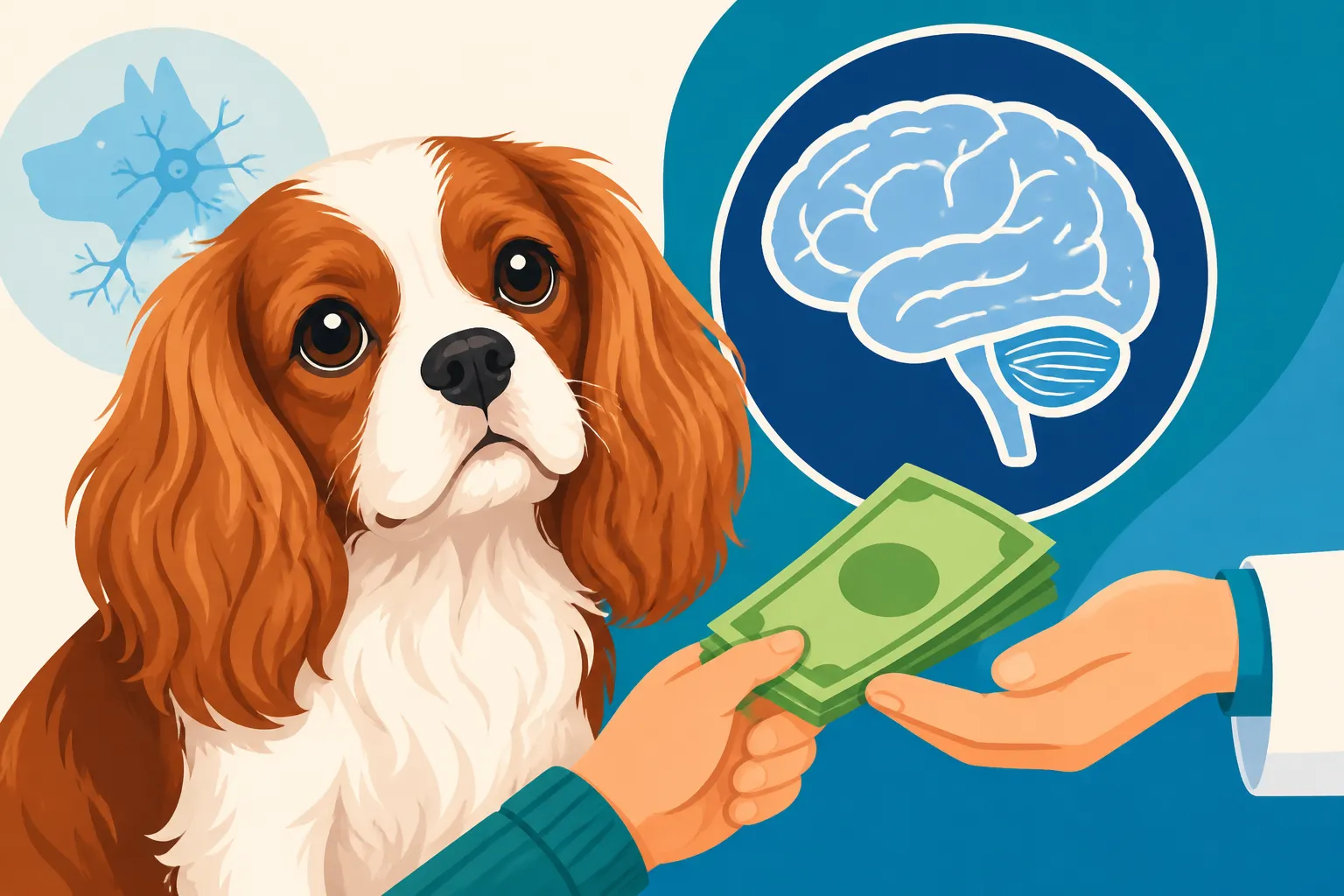
The initial neurologist consultation fee is often the first significant charge you'll encounter. This isn't just a quick check-up; it's a comprehensive and critical first step. During this appointment, the veterinary neurologist will meticulously review all of your Cavalier's prior medical records, including any X-rays, blood work, or notes from your primary veterinarian. They will then perform an incredibly detailed neurological examination, which goes far beyond a general physical. They'll assess gait, reflexes, cranial nerves, pain responses, and proprioception – essentially, they're looking for subtle clues that pinpoint where in the nervous system the problem originates.
This thorough evaluation often takes a considerable amount of time, allowing the specialist to form a preliminary diagnosis and discuss the potential diagnostic pathways with you. They'll explain what tests they recommend, why they recommend them, and what information each test is expected to provide. This initial fee covers their expertise, time, and the deep dive into your Cavalier's case, setting the stage for all subsequent care. It’s a crucial investment in understanding what’s truly going on with your precious pup.
What Influences the Cost of a Referral
The cost of a neurologist referral isn't uniform; it can fluctuate significantly based on several factors. One major influence is geographic location. Veterinary specialists in large metropolitan areas or regions with a higher cost of living (think major cities versus a more rural setting) typically charge more due to overheads and demand. The individual specialist's reputation and experience also play a role; highly sought-after neurologists with decades of experience or specific research breakthroughs might command higher fees.
The complexity of your Cavalier's case can also affect the consultation fee. A straightforward assessment of a suspected, common condition might be on the lower end, while a dog presenting with unusual, vague, or multiple neurological signs could require a more extensive initial evaluation, leading to a higher charge. Furthermore, if your Cavalier's condition is acute and requires an emergency neurology appointment outside of regular business hours, expect those fees to be considerably higher due to the urgency and specialized staffing required. These variables mean it's always wise to inquire about the estimated costs upfront when scheduling the appointment.
Diagnostic Procedures That Follow
The initial consultation, while vital, is rarely the end of the financial road. Once the neurologist has examined your Cavalier, they will almost certainly recommend further diagnostic tests to confirm their suspicions and localize the problem with precision. These tests are separate from the referral fee itself, but they are an integral part of the overall cost of a neurological workup.
The most common and often essential diagnostic tool for many neurological conditions, especially those like Syringomyelia, is a Magnetic Resonance Imaging (MRI) scan. An MRI provides incredibly detailed images of the brain and spinal cord, allowing the neurologist to see lesions, fluid accumulation, tumors, or malformations that wouldn't be visible on standard X-rays. You can learn more about What a Cavalier MRI Scan Costs and Shows. Anesthesia is always required for an MRI to ensure the patient remains perfectly still, adding to the overall cost and bringing up considerations around Anesthesia for a Cavalier With Heart Disease if your dog also has a murmur. Other diagnostic procedures might include a cerebrospinal fluid (CSF) tap, where fluid is collected from around the brain or spinal cord for analysis, or electrodiagnostic tests like electromyography (EMG) or nerve conduction velocity (NCV) studies to assess nerve and muscle function. Each of these tests comes with its own significant cost, and they are typically necessary for a definitive diagnosis and to guide the most effective treatment plan.
| Cost Component | Description | Average Impact on Total Bill |
|---|---|---|
| Initial Referral Fee | Comprehensive review of records, detailed neurological exam, treatment discussion. | Moderate |
| MRI Scan (Brain/Spine) | Detailed imaging requiring anesthesia. | High |
| CSF Tap (if needed) | Collection and analysis of spinal fluid for infection/inflammation. | Moderate to High |
| Electrophysiology (if needed) | Tests for nerve and muscle function. | Moderate |
| Medication (Initial) | Short-term prescriptions for pain or immediate symptom management. | Low to Moderate |
| Follow-up Consultations | Re-checks, adjustment of treatment plan, discussion of test results. | Low to Moderate (per visit) |
Budgeting and Financial Considerations for a Cavalier Neurologist
The sticker shock of specialist vet bills is real, and it’s a valid concern for any pet owner. However, there are strategies and resources available to help you manage these significant expenses. Thinking ahead and knowing your options can make a huge difference during an already stressful time. For many Cavalier owners, the fear of financial strain can almost be as overwhelming as the diagnosis itself, so having a plan is crucial.
Pet Insurance and Neurological Conditions
This is perhaps the single most impactful way to mitigate the financial burden of specialist veterinary care, but there's a huge caveat: you need to have pet insurance in place before any symptoms appear. Once a condition, such as chronic neck pain or seizures, has been noted in your Cavalier's medical records, it is typically considered a "pre-existing condition" by insurance providers. This means they will often exclude it from coverage, leaving you to pay 100% of the costs.
Many pet insurance policies, like those offered by Healthy Paws, are excellent for covering unexpected illnesses and accidents, which can certainly include neurological emergencies or the diagnostics for conditions like SM. However, if your Cavalier has already shown signs of a neurological issue, such as phantom scratching or sudden collapses, before you enroll them, that specific condition (and related conditions) will likely not be covered. This is why many experienced Cavalier owners will tell you to get your puppy insured as early as possible, ideally around eight weeks of age, before any potential health issues develop. Even conditions like a heart murmur, if detected before enrollment, can become pre-existing, affecting future coverage. It's important to understand the implications of Syringomyelia as a Pre-Existing Cavalier Condition when considering pet insurance. Always read the policy details carefully and ask direct questions about coverage for breed-specific conditions and pre-existing clauses.
Payment Plans and Financial Aid
Even with the best intentions, unexpected specialist bills can catch anyone off guard. If you find yourself facing a large neurologist bill without adequate insurance coverage, don't despair immediately. Many veterinary specialty hospitals understand the financial strain and offer various payment solutions.
A common option is in-house payment plans, where you can often spread the cost over several months, sometimes interest-free, depending on the hospital's policy. Another popular choice is veterinary-specific credit cards, such as CareCredit, which often provide promotional periods with no interest if the balance is paid within a certain timeframe. It's essentially a line of credit specifically for healthcare expenses.
Beyond these, there are numerous non-profit organizations and breed-specific rescues that sometimes offer financial aid for owners facing significant veterinary expenses, particularly for conditions common in their breed. For Cavaliers, some breed rescue groups or health foundations may have limited funds available or can point you to other resources. It’s always worth asking your veterinary neurologist’s office about any programs they know of, as they often work with such organizations. While these aren't guaranteed, they can provide a much-needed lifeline.
Long-Term Management Costs
A neurological diagnosis often means that your Cavalier will require ongoing care and medication, which adds to the long-term cost of ownership. For example, if your Cavalier is diagnosed with Syringomyelia, they might need daily medication such as Gabapentin for a Cavalier With Neck Pain to manage their pain, or other drugs to reduce fluid pressure. These medications, while essential for their quality of life, can be expensive, especially if needed for the remainder of their lives.
Managing a Cavalier with chronic pain or seizures can also involve more frequent vet visits, specialized diets, or even adjustments to their home environment to prevent injuries. For instance, a Cavalier with mobility issues might need ramps instead of stairs or special bedding. While specific prices for medications and special foods are impossible to list here, know that these recurring costs need to be factored into your long-term budget. Many owners find value in ordering long-term prescription medications or specialty foods through online pet pharmacies or retailers like Chewy, which can sometimes offer competitive pricing and convenient home delivery. Maintaining a good quality of life for a Cavalier with a neurological condition is a commitment that extends far beyond the initial referral fee. Understanding Living With a Cavalier That Has Syringomyelia involves both emotional and financial planning.
Disclaimer
This article is for general informational purposes only and does not constitute professional advice. Laws, prices and regulations vary by location and change over time. Consult a qualified professional for guidance on your specific situation.