Gabapentin for a Cavalier With Neck Pain
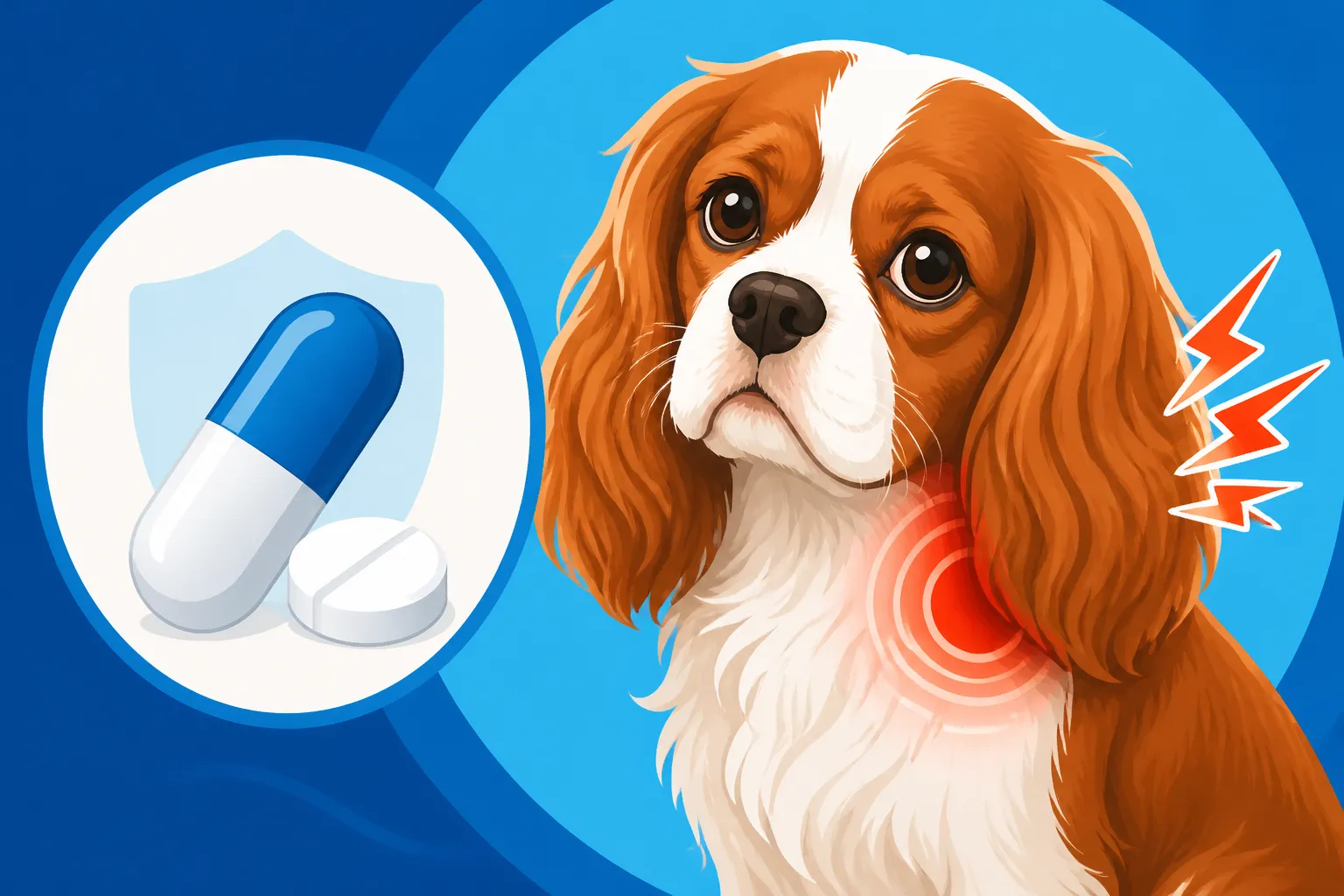
There's nothing quite as heartbreaking as seeing your beloved Cavalier King Charles Spaniel in pain, especially when it comes from something as debilitating as neck discomfort. The subtle shifts in their normally cheerful demeanor, the hesitant movements, or the sudden yelps can send any loving owner into a spiral of worry and a desperate search for answers. This guide aims to demystify Gabapentin, a medication frequently prescribed for Cavaliers experiencing neck pain, helping you understand how it works, what to expect, and how it fits into a broader strategy to bring comfort back to your furry family member.
Understanding Cavalier Neck Pain and Its Origins
When your Cavalier starts showing signs of discomfort around their neck, it's natural to feel a mix of confusion and alarm. These little dogs are known for their sweet, gentle nature, and any deviation from their happy-go-lucky selves usually signals something is genuinely amiss. Neck pain, unfortunately, is a common and often challenging issue in our breed, primarily due to their unique genetic predispositions.
Common Causes of Neck Pain in Cavaliers
For most Cavaliers experiencing neck pain, the primary culprit veterinarians consider is a condition called Syringomyelia (SM). This isn't just a fancy word; it describes a serious neurological disorder where fluid-filled cavities, known as syrinxes, form within the spinal cord near the brain. These syrinxes develop because of a structural defect in the skull, specifically Chiari-like malformation (CM), where the skull is too small for the brain, causing the cerebellum to be pushed down into the spinal canal. This disrupts the normal flow of cerebrospinal fluid, leading to pressure and, eventually, syrinx formation. The syrinxes expand, pressing on nerve fibers and causing excruciating neuropathic pain, which is nerve-related pain.
However, it's important to remember that SM isn't the only cause of neck pain. Sometimes, a Cavalier might suffer from intervertebral disc disease (IVDD), where the discs between the vertebrae bulge or herniate, pressing on the spinal cord or nerves. This can happen suddenly or develop over time. Muscle strains from rough play, an awkward landing, or even age-related arthritis in the neck vertebrae can also cause significant discomfort. While less common, tumors or infections in the spinal region could also be possibilities. This is precisely why jumping to conclusions based on symptoms alone can be misleading and why a thorough diagnostic process is paramount. Each of these conditions, though presenting similarly, requires a different approach to treatment, highlighting the importance of expert veterinary evaluation.
Recognizing the Signs of Neck Pain
Cavaliers are stoic little creatures by nature, and sometimes their pain signals can be incredibly subtle, making it hard for us, their devoted owners, to pinpoint what’s wrong. They might not cry out loudly every time it hurts, but rather exhibit behavioral changes that, once you know what to look for, scream "discomfort." One of the most classic signs of neck pain, particularly with Syringomyelia, is "air scratching" or "phantom scratching." This is when your Cavalier frantically scratches at their shoulder or ear area, often without actually making contact with their skin. It's a hallmark sign because it's usually not an itch, but a sensation of burning, tingling, or pain deep within the nerves in that area.
Beyond air scratching, look for a reluctance to be touched or picked up, especially around the head, neck, or chest. A dog that usually loves cuddles might flinch or even yelp when you try to lift them. You might notice they hesitate before jumping onto furniture or going up and down stairs, or they might even refuse entirely. Changes in sleeping posture are another common indicator; some Cavaliers with neck pain prefer to sleep with their head elevated, perhaps resting on a pillow or leaning against a wall, as this can alleviate pressure. They might also hold their head in an unusual position, tilting it or carrying it lower than normal. Pay attention to how they eat and drink – sometimes bending down to the bowl can be painful, leading to slower eating or even a preference for eating standing up. Any change in their usual enthusiastic greeting or a general lethargy, a loss of interest in play, or a sudden grumpiness can also be a red flag. These are sensitive dogs, and pain can profoundly impact their temperament. If you're seeing any of these signs, it's time to talk to your vet. You can learn more about specific behavioral changes that signal pain by reading our guide on Behavior Changes That Mean a Cavalier Hurts.
The Importance of a Proper Diagnosis
Given the varied causes of neck pain, getting a precise diagnosis is absolutely non-negotiable before starting any serious treatment, especially one involving medication like Gabapentin. While your general practice veterinarian can perform an initial physical exam and assess your Cavalier's neurological responses, definitive diagnosis of conditions like Syringomyelia or severe disc disease often requires a referral to a veterinary neurologist.
The gold standard for diagnosing Syringomyelia is a magnetic resonance imaging (MRI) scan of the brain and cervical (neck) spine. This specialized imaging allows the neurologist to visualize the brain's position, the presence and size of any syrinxes within the spinal cord, and other potential issues like disc herniations or tumors. An MRI is crucial because it provides the detailed anatomical information needed to confirm the diagnosis, gauge the severity of the condition, and guide appropriate treatment strategies. Without an MRI, treatment might be based on assumptions, potentially delaying effective care or addressing the wrong problem. Of course, an MRI is a significant investment, both financially and in terms of anesthesia risk, but it provides invaluable information. To understand more about this, you can check out our post on What a Cavalier MRI Scan Costs and Shows. Your vet might also recommend X-rays to look for obvious spinal abnormalities or blood tests to rule out inflammatory conditions, but these typically won't diagnose SM directly.
Gabapentin as a Cornerstone for Cavalier Pain Management
Once your Cavalier has been diagnosed with a condition causing neck pain, particularly neuropathic pain associated with Syringomyelia, your veterinarian will likely discuss a pain management plan. For many, Gabapentin becomes a crucial component of this strategy. It’s not a magic bullet, but it can make a world of difference in your dog's comfort levels.
How Gabapentin Works for Neuropathic Pain
It’s important to understand that Gabapentin isn't a traditional painkiller in the way an NSAID (Non-Steroidal Anti-Inflammatory Drug) works. Instead, it's primarily an anticonvulsant medication that has shown remarkable efficacy in managing neuropathic pain. Neuropathic pain is pain that arises from damage or dysfunction of the nervous system itself, rather than from tissue injury. For a Cavalier with Syringomyelia, the syrinxes pressing on the spinal cord's delicate nerve fibers cause this specific type of nerve-originating pain, often described as burning, tingling, or shooting sensations.
Gabapentin is believed to work by modulating neurotransmitter activity in the central nervous system, particularly by inhibiting the release of excitatory neurotransmitters. While the exact mechanism isn't fully understood, it effectively calms overactive nerve signals that are generating the pain. Think of it as quieting the "static" or "noise" coming from the irritated nerves, reducing the intensity of the painful sensations. It can also have a mild sedative effect, which can be beneficial for anxious or highly sensitive dogs dealing with chronic pain. Because it targets nerve pain specifically, it often provides relief that other general pain medications might not. This makes it a really valuable tool in managing the often complex and debilitating discomfort that comes with Syringomyelia in Cavaliers.
Dosing and Administration for Cavaliers
When starting your Cavalier on Gabapentin, your vet will determine the appropriate starting dose, which is typically quite low and then gradually increased, or "titrated," to find the most effective dose with the fewest side effects. This gradual approach is key because every dog responds differently, and what works for one Cavalier might be too much or too little for another. The typical dosage range for Gabapentin in dogs can vary significantly, usually given two to three times a day. Consistency is vital, so try to administer doses at the same times each day to maintain steady drug levels in their system.
Gabapentin usually comes in capsule or tablet form, and sometimes as an oral liquid suspension. Many Cavaliers will take the capsule or tablet readily when hidden in a treat or a small dollop of peanut butter (xylitol-free, of course!), cream cheese, or their favorite soft food. If using a liquid formulation, make sure you're using an accurate dosing syringe provided by your vet to ensure precise measurement. It can be given with or without food, but giving it with a meal can sometimes help reduce mild stomach upset. Never adjust the dose or frequency without consulting your veterinarian, as finding the right balance is a delicate process that requires professional guidance. Always keep track of when you administer the medication to avoid missed doses or accidental double doses.
Expected Side Effects and What to Watch For
Like any medication, Gabapentin comes with potential side effects, and it's important for you to be aware of them so you can communicate effectively with your vet. The most common side effects observed in dogs, especially when first starting the medication or at higher doses, are sedation and ataxia, which is a fancy term for wobbliness or incoordination. Your Cavalier might seem unusually sleepy, lethargic, or a bit unsteady on their feet, almost as if they've had a little too much to drink. This typically occurs because Gabapentin can have a mild tranquilizing effect, especially when the body is adjusting to the drug.
Other possible side effects can include mild gastrointestinal upset, such as vomiting or diarrhea, though this is less common. If you notice severe sedation, extreme wobbliness that makes it difficult for your dog to move, or any concerning digestive issues, contact your vet immediately. They might recommend adjusting the dose, changing the frequency, or trying an alternative medication. Often, the initial sedation and ataxia will lessen as your Cavalier's body gets used to the medication over a few days or weeks. It’s a balancing act: you want enough medication to control the pain, but not so much that it significantly impacts their quality of life with excessive drowsiness. Keeping a log of your dog's behavior and any side effects can be incredibly helpful for your vet in tailoring the treatment plan.
Integrating Gabapentin into a Comprehensive Pain Plan
Gabapentin is powerful, but for complex conditions like Syringomyelia, it's rarely the only solution. Effective pain management for your Cavalier often involves a multi-modal approach, combining different therapies to tackle pain from various angles. This holistic strategy aims to maximize comfort and improve quality of life while minimizing side effects.
Combining Gabapentin with Other Medications
For many Cavaliers with significant neck pain, especially those suffering from Syringomyelia, Gabapentin is often used in conjunction with other medications to achieve optimal pain control. One common combination is with non-steroidal anti-inflammatory drugs (NSAIDs) like Rimadyl, Galliprant, or Metacam. While Gabapentin targets neuropathic pain, NSAIDs reduce inflammation, which can also contribute to discomfort and nerve irritation. However, NSAIDs should always be used under strict veterinary supervision due to potential side effects on the liver, kidneys, and gastrointestinal tract.
Another class of drugs sometimes used alongside Gabapentin includes corticosteroids (like prednisone) to reduce severe inflammation and swelling around the spinal cord, particularly during acute flare-ups. However, steroids have their own set of side effects with long-term use, so their application is typically carefully monitored and often tapered. Your vet might also consider adding other neuropathic pain medications, such as Amantadine, which works on a different pathway to help reduce chronic pain. Furthermore, for some Cavaliers, medications that reduce fluid pressure in the brain and spinal cord, such as diuretics like furosemide or proton pump inhibitors like omeprazole, might be prescribed to help manage the underlying pressure contributing to the syrinxes. It's crucial that any combination of medications is prescribed and monitored by your veterinarian or a veterinary neurologist, as drug interactions and overlapping side effects need to be carefully managed. You can explore more about these treatments in our article on Pain Relief for a Cavalier With Syringomyelia and Drugs That Reduce Fluid Pressure in a Cavalier.
Non-Pharmacological Support for Neck Pain
Medication is essential, but it’s not the whole story. Supporting your Cavalier with neck pain also involves making thoughtful adjustments to their environment and daily routine. These non-pharmacological interventions can significantly enhance their comfort and overall well-being. One of the simplest yet most effective changes is using a harness instead of a collar for walks. A collar can put direct pressure on the neck and cervical spine, aggravating pain, whereas a harness distributes pressure across the chest and shoulders. We have a detailed guide on Harnesses Instead of Collars for a Cavalier that you might find helpful.
Consider providing ramps or steps to allow your Cavalier easy access to elevated places like sofas or beds, reducing the need for painful jumping. Raised food and water bowls can also alleviate strain on the neck as they won't have to bend their head down as far to eat or drink. Providing a soft, supportive bed, perhaps with a bolstered edge for them to rest their head on, can also offer comfort. Gentle massage around non-painful areas can improve circulation and relaxation, but always be mindful of sensitive spots. Some owners explore complementary therapies like acupuncture or hydrotherapy, but these should always be discussed with your vet and performed by certified professionals. Maintaining a calm, low-stress home environment is also crucial, as stress can exacerbate pain perception.
Monitoring Progress and Adjusting Treatment
Managing chronic neck pain, especially from a condition like Syringomyelia, is an ongoing process that requires diligent observation and open communication with your veterinary team. You are your Cavalier's best advocate, and your insights into their daily life are invaluable. Keeping a pain diary can be incredibly helpful. Note down the dates and times of medication administration, your Cavalier’s activity levels, any signs of pain (like air scratching, yelping, or reluctance to move), their appetite, and their general mood.
This detailed record allows you and your vet to track the effectiveness of the Gabapentin and other treatments. Are the pain episodes less frequent or less intense? Is your Cavalier more willing to engage in activities they once enjoyed? Are the side effects diminishing? Based on your observations and regular check-ups, your vet might recommend adjusting the Gabapentin dosage, adding another medication, or exploring different non-pharmacological strategies. It’s not uncommon for treatment plans to evolve over time, especially as conditions like Syringomyelia can progress. Regular follow-up appointments with your general vet and potentially the neurologist are essential to assess your Cavalier's neurological status and overall response to treatment. Being proactive in monitoring and communicating ensures that your Cavalier receives the most effective and compassionate care possible throughout their journey.
Long-Term Management and Quality of Life
Living with a Cavalier suffering from chronic neck pain, often due to Syringomyelia, is a commitment. It's a journey that requires patience, dedication, and a clear understanding that while we can manage the pain, we are often aiming for comfort and a good quality of life rather than a complete cure.
The Reality of Chronic Pain Management
For conditions like Syringomyelia, which is typically progressive, the reality is that long-term pain management becomes a part of your daily routine. There will be good days and bad days. The goal isn't necessarily to eliminate every flicker of pain, which can be an impossible standard, but rather to minimize discomfort to a level where your Cavalier can still enjoy being a dog. This means they can participate in gentle walks, enjoy cuddles, eat well, and sleep peacefully.
It's a delicate balance. Finding the right combination and dosage of medications, like Gabapentin, often involves trial and error. What works beautifully for a few months might need adjustment as the disease progresses or as your dog's body adapts. This continuous assessment and willingness to adapt the treatment plan is critical. It’s also crucial to remember that living with chronic pain can affect a dog's mental state, leading to anxiety or depression. A comprehensive plan also considers their emotional well-being, ensuring they feel safe, loved, and as unburdened by their condition as possible. This commitment is a marathon, not a sprint, and there will be moments of frustration, but seeing your Cavalier comfortable makes it all worthwhile. If you are struggling with the emotional toll, remember you are not alone; many Cavalier owners are in the same boat, navigating this challenging diagnosis. Our post on Living With a Cavalier That Has Syringomyelia offers more support and insights.
Financial Considerations and Support
Let’s be honest, specialized care for a Cavalier with chronic conditions like Syringomyelia can be a significant financial burden. The costs quickly add up, from the initial diagnostic MRI and specialist consultations with neurologists to ongoing medication like Gabapentin, potential adjunct therapies, and regular vet check-ups. Gabapentin itself is generally not prohibitively expensive, especially if generic versions are available, but when combined with other medications and diagnostics, the monthly bills can become substantial. For example, monthly medication costs for a Cavalier with a complex pain regimen might range from tens to hundreds of dollars, not including emergency visits or specialist procedures. Understanding what Cavalier syringomyelia costs to treat can help you budget.
This is where pet insurance can be a literal lifesaver, provided you enroll your Cavalier before any symptoms or diagnosis of Syringomyelia are noted. If you have a plan like Healthy Paws, which is known for comprehensive coverage, it can significantly ease the financial strain by reimbursing a large percentage of eligible veterinary expenses after your deductible is met. Unfortunately, if your Cavalier already has a diagnosis, it will be considered a pre-existing condition and likely won't be covered by a new policy. However, for those with young, healthy Cavaliers, enrolling in a robust pet insurance plan early, such as through Healthy Paws, is one of the smartest long-term investments you can make. It offers peace of mind knowing that you won't have to make difficult treatment decisions based solely on cost. Even without insurance, discussing financial aid options, payment plans, or prescription assistance programs with your vet clinic is always a good idea. Organizations dedicated to Cavalier welfare might also offer support.
Advocating for Your Cavalier
Being an effective advocate for your Cavalier means being informed, proactive, and confident in communicating with your veterinary team. You are the one who spends every day with your dog, observing their nuances, their good days and their bad. Don't be afraid to ask questions, even if you think they're silly. Ask about medication side effects, prognosis, alternative treatments, or what specific behavioral changes might warrant an immediate call.
If you ever feel uncertain about a diagnosis or treatment plan, seeking a second opinion from another board-certified veterinary neurologist is perfectly acceptable and often encouraged. Different specialists might offer slightly different perspectives or strategies. Stay on top of your Cavalier's medication schedule, environmental modifications, and any exercises or therapies recommended. Most importantly, trust your gut. If you feel like your Cavalier is still in pain despite the current regimen, voice your concerns. Your persistence and informed advocacy are vital in ensuring your beloved Cavalier King Charles Spaniel receives the best possible care, helping them live a life as comfortable and happy as possible, even with chronic pain.
| Pain Management Approach | Primary Use | Mechanism | Potential Pros | Potential Cons |
|---|---|---|---|---|
| Gabapentin | Neuropathic pain (nerve pain) | Modulates neurotransmitters, calms overactive nerve signals | Effective for burning/tingling sensations, mild sedation | Can cause sedation/ataxia, requires careful titration |
| NSAIDs (e.g., Rimadyl) | Inflammation & pain | Reduces prostaglandin production (anti-inflammatory) | Effective for musculoskeletal pain, reduces swelling | Potential GI, liver, kidney side effects with long-term use |
| Corticosteroids (e.g., Prednisone) | Severe inflammation | Powerful anti-inflammatory and immunosuppressant | Rapidly reduces inflammation, helpful for acute flare-ups | Significant side effects with long-term use (thirst, hunger, muscle wasting) |
| Environmental Mods (e.g., Ramps, Harnesses) | Reduces physical strain | Prevents painful movements, supports neck | Non-pharmacological, no drug side effects, easy to implement | Requires owner effort, may not be enough for severe pain |
| Physical Therapy/Massage | Muscle relief, flexibility | Improves blood flow, reduces stiffness, strengthens muscles | Holistic, improves mobility, can reduce medication reliance | Requires professional guidance, consistent home exercises |
Disclaimer
The information provided in this article is for educational purposes only and is not a substitute for professional veterinary advice. Always consult with a qualified veterinarian for any health concerns or before making any decisions about your pet's medical care or treatment plan.