Why Cavaliers Die Younger Than Other Toy Breeds
It’s a heartbreaking reality that many Cavalier King Charles Spaniel owners face: these sweet, devoted companions often have a shorter lifespan than many other toy breeds. It’s a gut-punch when you realize your beloved little shadow might not be with you for as long as you hoped, especially when you see other small dogs living well into their teens. This guide will explore the specific health challenges unique to Cavaliers that contribute to their comparatively shorter lives and what you can do to support your furry family member.
The Overwhelming Impact of Mitral Valve Disease
When we talk about why Cavaliers tend to die younger, one condition casts the longest shadow: Mitral Valve Disease (MVD). This isn't just a common ailment; it's a defining health crisis for the breed, affecting an alarmingly high percentage of Cavaliers, often at a much younger age than in other breeds. It’s the number one cause of death for Cavaliers, and understanding it is crucial for any owner.
Early Onset and Rapid Progression of MVD
MVD in Cavaliers is not just a typical "old dog" heart condition. While other small breeds might develop heart murmurs in their senior years, many Cavaliers show signs of MVD as early as three to five years old. Imagine that – your vibrant, playful pup suddenly having a significant health concern that will inevitably shorten their time with you. This early onset means that they spend a greater portion of their lives managing a progressive disease, rather than just enjoying their golden years.
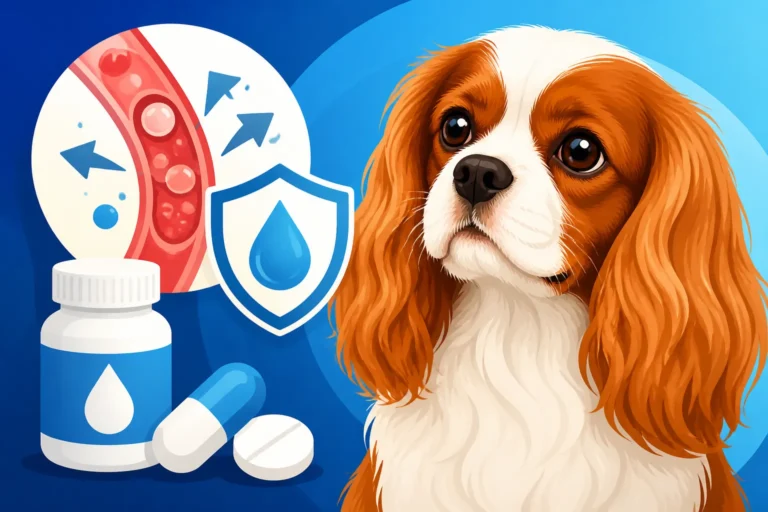
The disease itself involves the mitral valve, one of the heart's crucial valves, degenerating and failing to close properly. This allows blood to leak back into the left atrium with each heartbeat, making the heart work harder and eventually causing it to enlarge. This progressive leakage can lead to congestive heart failure, where fluid builds up in the lungs or abdomen, making breathing difficult and severely impacting their quality of life. The progression can feel incredibly fast once symptoms like coughing, reduced energy, or difficulty breathing start. You can delve deeper into How Cavalier Heart Disease Progresses Stage by Stage to understand the journey many of our dogs face.
The Genetic Predisposition to Heart Troubles
The unfortunate truth is that MVD in Cavaliers is highly hereditary. Over decades, genetic bottlenecks and breeding practices, sometimes aimed at specific aesthetics rather than health, inadvertently concentrated the genes responsible for this debilitating heart condition. It’s not simply bad luck; it’s a systemic issue within the breed. Reputable breeders are keenly aware of this and strive to follow rigorous breeding protocols, such as those laid out by the Cavalier King Charles Spaniel Club, which recommend not breeding dogs until they are clear of murmurs at age five or older. This aims to reduce the incidence of early-onset MVD, but reversing decades of genetic predisposition is a monumental task. The best breeders are those who are open about The Heart Testing a Cavalier Breeder Must Do and can show you clear results for both parents.
This genetic vulnerability means that even with the best care, many Cavaliers will develop a murmur. In fact, studies show that Why Half of Cavaliers Have a Murmur by Five. This widespread issue means that heart disease isn't an anomaly for our Cavaliers; it's practically a certainty, and its severity and early presentation are key factors in their shorter lifespans.
Beyond the Heart: Other Significant Health Challenges
While MVD is the dominant factor, Cavaliers are also unfortunately prone to several other serious health conditions that can either directly shorten their lives or significantly diminish their quality of life, thereby accelerating decline. These conditions add to the overall health burden, making their journey sometimes more difficult than that of other breeds.
Syringomyelia and Chiari-like Malformation: A Hidden Pain
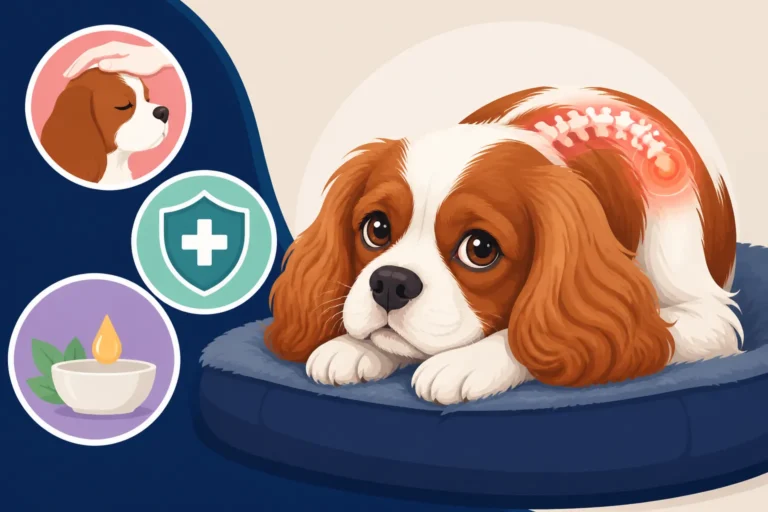
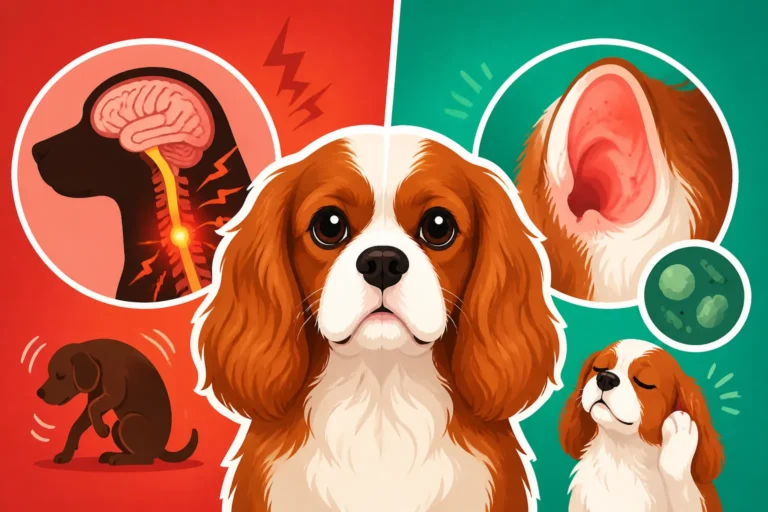
Another devastating and prevalent condition in Cavaliers is Syringomyelia (SM), often stemming from Chiari-like malformation (CM). This is a neurological disorder where the Cavalier's skull is too small for its brain, causing brain tissue to be pushed into the spinal canal. This obstructs the flow of cerebrospinal fluid, leading to fluid-filled cavities (syrinxes) forming within the spinal cord.
The symptoms can range from mild discomfort, like phantom scratching (where they scratch the air next to their shoulder or ear without making contact), to severe, excruciating chronic pain. Dogs with advanced SM can experience nerve damage, weakness, and even paralysis. The constant pain and neurological deficits significantly impact their daily life, activity levels, and overall well-being. Diagnosing SM often requires an expensive MRI scan, and managing it can involve ongoing medication for pain relief, or in some severe cases, surgery. It’s a condition that can be incredibly distressing for both the dog and their human family, and you can learn more about Syringomyelia and Chiari Malformation in Cavaliers to better understand its complexities. Effective Pain Relief for a Cavalier With Syringomyelia is crucial to managing this condition and improving their quality of life.
Other Ailments Contributing to a Shorter Healthy Life
While not always directly fatal, other common Cavalier health issues can contribute to a diminished quality of life, leading to earlier euthanasia decisions or accelerating the impact of other diseases. These include conditions like Episodic Falling Syndrome, certain eye diseases, and joint problems.
- Episodic Falling Syndrome (EFS): This is a genetic neurological disorder unique to Cavaliers, characterized by episodes of muscle rigidity and collapse, often triggered by excitement or stress. While generally not painful or life-threatening in itself, it can be distressing to witness and can lead to secondary injuries.
- Eye Conditions: Cavaliers can be prone to various eye issues, including cataracts, retinal dysplasia, and dry eye. While often manageable, severe or untreated conditions can cause discomfort, impair vision, and require ongoing medical care, adding to their overall health burden. For more on this, check out Cavalier Eye Disease From Dry Eye to Cataracts.
- Orthopedic Issues: Like many small breeds, Cavaliers can suffer from patellar luxation (slipping kneecaps) and hip dysplasia. These can cause chronic pain, arthritis, and limit their mobility, especially as they age. A Cavalier struggling with mobility due to joint pain will naturally have a harder time staying active and maintaining a healthy weight, which can indirectly impact heart health.
These concurrent health issues mean that a Cavalier often isn't just dealing with one problem, but a constellation of challenges. The cumulative stress on their body, and the emotional and financial strain on their owners, can mean that even if a disease isn't directly fatal, it can lead to a decision to end suffering earlier than desired.
Here’s a look at how Cavaliers compare to some other toy breeds in terms of average lifespan and common major health concerns:
| Breed | Average Lifespan (Years) | Primary Life-Limiting Health Concerns | Other Common Health Issues |
|---|---|---|---|
| Cavalier King Charles Spaniel | 9-11 | Mitral Valve Disease, Syringomyelia | Episodic Falling, Hip Dysplasia, Patellar Luxation, Eye Conditions |
| Chihuahua | 14-16 | Heart Disease (less prevalent than MVD in Cavaliers), Patellar Luxation | Hypoglycemia, Tracheal Collapse, Dental Disease |
| Shih Tzu | 10-16 | Brachycephalic Airway Syndrome, Kidney Disease | Eye Issues, Patellar Luxation, Dental Disease |
| Maltese | 12-15 | Patellar Luxation, Liver Shunt | Dental Disease, White Shaker Syndrome, Hypoglycemia |
| Toy Poodle | 10-18 | Addison's Disease, Patellar Luxation | Eye Disorders, Legg-Calvé-Perthes Disease |
(Note: These are average lifespans, and individual dogs can live shorter or longer depending on genetics, care, and luck.)
Proactive Care and Responsible Choices for a Fuller Life
Understanding the challenges is the first step, but it’s crucial to know what steps you can take to give your Cavalier the best possible chance at a longer, healthier, and happier life. While you can't change their genetics, you can influence their environment and care.
The Foundation: Responsible Breeding and Early Health Screening
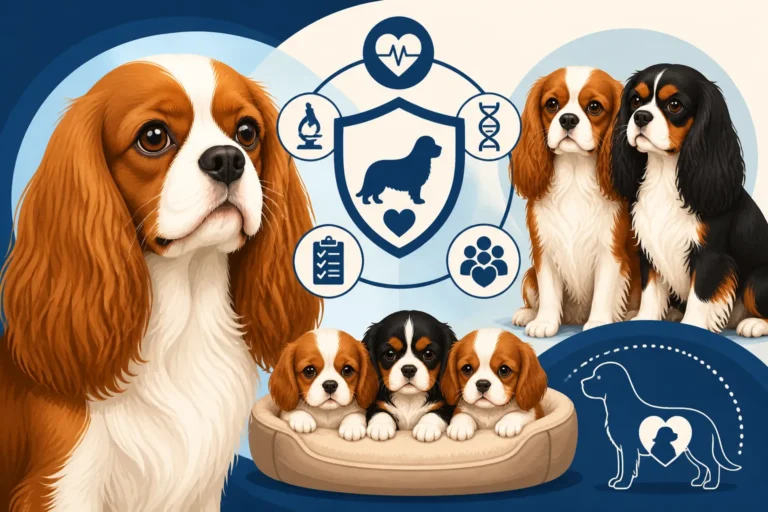
Choosing a puppy from a truly reputable breeder who prioritizes health testing is paramount. This means finding a breeder who screens for MVD by having their breeding dogs examined annually by a board-certified veterinary cardiologist, ideally not breeding until the dogs are at least five years old and murmur-free. They should also perform MRI scans for SM and adhere to the guidelines set by breed clubs. Don't be shy about asking for proof of these clearances. Responsible breeders are proud to share their documentation. This early due diligence can literally add years to your Cavalier's life, or at least ensure those years are of higher quality.
Once you have your Cavalier, maintaining regular veterinary check-ups is non-negotiable. For a breed so predisposed to heart issues, annual cardiac screenings, sometimes even starting in their puppy years, can catch a murmur early. Catching issues early means you can begin managing them sooner, potentially slowing progression and improving quality of life. For example, if a murmur is detected, further diagnostics like an echocardiogram might be recommended to confirm What a Cavalier Echocardiogram Shows and determine the stage of MVD.
Managing Health Proactively and Financially
Beyond regular vet visits, being proactive about your Cavalier's daily health is key. This includes maintaining an ideal weight, as obesity puts immense strain on their joints and, critically, their heart. Keeping a Cavalier at a Weight Its Heart Can Carry is one of the most impactful things you can do to support their long-term health, especially given their propensity for MVD. A balanced diet appropriate for their age and activity level is essential, as is regular, moderate exercise. Don’t overdo it, especially if they have a known heart murmur or joint issues, but keep them moving.
Given the chronic and often expensive nature of Cavalier health issues, planning for veterinary costs is crucial. Investing in pet insurance, like a comprehensive policy from Healthy Paws, early in your Cavalier's life can be a game-changer. Imagine facing a diagnosis of MVD or SM and knowing that a significant portion of the ongoing treatment, medications, and specialist visits will be covered. Many owners regret not insuring their Cavalier until a murmur is detected, at which point it becomes a pre-existing condition and won't be covered. Proactive insurance enrollment when they are young and healthy is truly one of the best financial decisions you can make to support their health journey. For more on this, consider reading Insuring a Cavalier Before the Murmur Arrives.
Medication for heart disease, such as Pimobendan, or for pain from Syringomyelia like Gabapentin, can dramatically improve quality of life and even extend it. Learning about Medication for a Cavalier With Heart Disease can empower you to work effectively with your vet.
Acknowledging the Emotional Journey
It's tough, really tough, to know that your sweet Cavalier might not live as long as other dogs. This knowledge can create a sense of urgency to make every moment count, but it can also bring anxiety. Be kind to yourself through this journey. Celebrate every zoomie, every cuddle, every goofy moment. Focus on providing the best possible care, cherishing the bond you share, and advocating for their health. When the time comes, making decisions about Caring for a Cavalier Past Nine or navigating End-Stage Heart Failure in a Cavalier are some of the hardest choices we make as pet parents. Equip yourself with knowledge and a strong veterinary support team to make those decisions with confidence and compassion.
Disclaimer
The information provided in this article is for educational purposes only and is not intended to be a substitute for professional veterinary advice, diagnosis, or treatment. Always seek the advice of your veterinarian or other qualified animal health provider with any questions you may have regarding a medical condition.