End-Stage Heart Failure in a Cavalier
The realization that your beloved Cavalier King Charles Spaniel is in end-stage heart failure is utterly heartbreaking, a weight that settles deep in your chest and threatens to suffocate you. It’s a moment when the medical jargon suddenly feels painfully real, and the future, once filled with joyful walks and cuddles, becomes terrifyingly uncertain. This guide aims to gently walk you through understanding what end-stage means, what to expect, and how to provide the most compassionate care during this incredibly difficult time, offering practical advice and emotional support.
Understanding End-Stage Heart Failure in Cavaliers
When we talk about "end-stage heart failure" in a Cavalier King Charles Spaniel, we're really talking about a significant progression of Mitral Valve Disease (MVD), a condition that unfortunately plagues so many of our sweet, devoted companions. It's a stage where the heart's ability to pump blood effectively is severely compromised, and the powerful medications that once kept things stable are now struggling to maintain a good quality of life. It’s a transition from managing a chronic illness to providing comfort care.
What "End-Stage" Actually Signifies
For a Cavalier, being in end-stage heart failure typically means the heart disease has progressed to a point where the mitral valve leakage is profound, leading to severe enlargement of the heart chambers and often persistent fluid accumulation, particularly in the lungs (pulmonary edema) or sometimes in the abdomen. This isn't just a louder murmur anymore; it's a structural and functional crisis within the cardiovascular system. At this stage, your veterinarian or a board-certified veterinary cardiologist has likely exhausted many of the conventional treatments, and while they continue to adjust and optimize, the goal shifts from long-term management to maximizing comfort and preserving dignity. It's when you're deeply familiar with the progression of Cavalier heart disease stage by stage, and you're seeing the final, most challenging phases unfold. This is the point where the daily battles for breath become more frequent, and the spark in their eyes may start to dim despite your best efforts.
Common Symptoms When the Heart is Failing
The symptoms you'll notice in an end-stage Cavalier are often an intensification of earlier signs, but with a severity that makes it clear the body is struggling. It's no longer just a mild cough after excitement; it's often a deep, persistent, rattling cough, especially noticeable when your Cavalier is sleeping or resting. This relentless Coughing at Night in a Cavalier is often a strong indicator of fluid building up in the lungs, making every breath a monumental effort.
You might observe a significantly increased respiratory rate, even when they're completely at rest. Instead of their usual calm breathing, you'll see rapid, shallow breaths, or even exaggerated abdominal movements as they try to pull in enough air. Lethargy becomes profound; your once-lively companion may show little interest in walks, toys, or even greeting you at the door. They might be reluctant to move, tire very easily, or simply prefer to lie down all the time. This isn't just a Cavalier that tires on short walks; it’s a dog that struggles to walk at all.
Loss of appetite is another worrying sign. Food that they once adored might be sniffed and ignored, or they may eat only tiny amounts. This decline in interest in food can contribute to weight loss and muscle wasting, making them appear frail. You might also notice fluid retention, not just in the lungs, but sometimes a distended abdomen (ascites) due to fluid buildup, or swollen limbs. The gums might appear paler or even have a bluish tinge during severe breathing distress, indicating a lack of oxygen. These are all critical indicators that the heart is really struggling to keep up.
Navigating Daily Life with a Cavalier in End-Stage MVD
Living with a Cavalier in end-stage heart failure is an all-consuming experience, a constant balancing act between hope and the heartbreaking reality. Every day becomes a careful orchestration of care, aimed at keeping your beloved dog as comfortable and happy as possible. It demands an immense amount of patience, vigilance, and unconditional love.
Prioritizing Comfort and Quality of Life
At this stage, comfort is paramount. Think about making their environment as serene and easy to navigate as possible. A soft, orthopedic dog bed, easily accessible, becomes their sanctuary. If they usually jump on and off furniture, consider investing in a ramp or stairs to prevent strain on their already compromised system. Their water bowl should be close by, and consider elevating food bowls if they struggle to bend down. Avoid stressful situations, loud noises, or overly exciting interactions that could increase their heart rate and respiratory effort. Gentle petting, quiet companionship, and a predictable routine are often what they crave most. Providing a calm, stable environment can truly make a difference in their day-to-day well-being. This might even include reducing their exposure to triggers that cause them anxiety, helping to keep their breathing as calm as possible.
Adjusting Medication and Diet
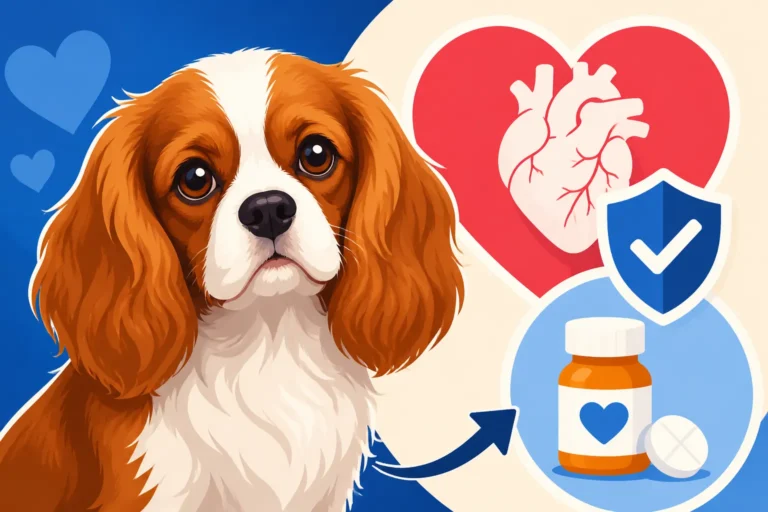
Medication management becomes incredibly intensive in end-stage MVD. Your vet will likely adjust dosages and may add new medications to combat fluid buildup and support heart function. Diuretics like furosemide might be given more frequently, perhaps even every 6-8 hours, or at higher doses. Other critical heart medications, such as pimobendan, ACE inhibitors, and spironolactone, will continue to be vital. It's not uncommon for owners to administer multiple pills several times a day. Keeping track of doses and timings is crucial, and pill organizers can be a huge help.
Diet also plays a significant role. A prescription cardiac diet, typically low in sodium, helps to minimize fluid retention. Your vet might recommend brands like Hill's Prescription Diet h/d or Royal Canin Veterinary Diet Cardiac. However, if your Cavalier's appetite is waning, the priority often shifts to simply getting them to eat anything. In such cases, your vet might advise offering highly palatable, gently cooked bland foods, even if they're not strictly low-sodium, to ensure they get enough calories. Getting pills into a Cavalier at mealtime can be challenging when their appetite is poor, so creative methods like wrapping pills in small amounts of cheese, peanut butter, or using specific pill-hiding treats become essential. Remember, these ongoing medication and prescription diet costs can add up, and having pet insurance like Healthy Paws can provide significant financial relief during this demanding period.
Monitoring Breathing and Energy Levels
One of the most vital tasks for an owner of a Cavalier in end-stage heart failure is vigilant monitoring. Learning Counting a Cavalier's Resting Breaths is crucial. This simple yet powerful tool involves timing how many breaths your dog takes in 15 seconds while they are completely asleep and multiplying by four to get a per-minute rate. A normal resting respiratory rate for a dog is typically under 30 breaths per minute. A consistent increase above this, especially into the 30s, 40s, or higher, can be a red flag for fluid in the lungs and warrants a call to your vet. Keep a log of these readings, as trends are more important than a single elevated number.
Beyond breath counts, pay close attention to their overall energy levels. Are they still interested in short, gentle strolls around the garden, or do they seem to struggle after just a few steps? Are they engaging with you or their toys, even briefly? Subtle changes in their willingness to move, interact, or even shift positions can signal increasing discomfort or worsening heart function. Every morning, do a quick "check-in" to assess their general demeanor, appetite, and how easily they're breathing. These observations help you and your vet make informed decisions about their care.
Recognizing Signs of Crisis and When to Seek Emergency Care
While we always hope for peaceful days, Cavaliers in end-stage heart failure are prone to acute crises, often related to fluid overload. Knowing when to act swiftly can make a critical difference, even if it's only to provide temporary relief. It’s important to understand the line between managing symptoms at home and needing immediate veterinary intervention.
Acute Decompensation and Fluid Overload
Acute decompensation is a sudden, severe worsening of heart failure, most commonly manifesting as acute pulmonary edema – a rapid accumulation of fluid in the lungs. This is an absolute emergency. The signs are usually unmistakable and terrifying: your Cavalier will struggle to breathe profoundly. They might pant relentlessly, even at rest, with exaggerated chest and abdominal movements. Their breathing might sound wet, gurgly, or bubbly. They may stretch their neck out and open their mouth wide, gasping for air. Their tongue and gums might appear bluish or purplish (cyanotic) due to lack of oxygen. They might refuse to lie down, preferring to stand or sit upright, pressing their chest against something. Collapse, weakness, and extreme distress are also common.
If you observe any of these severe symptoms, time is of the essence. This isn't something that can wait until morning. Get to an emergency veterinary clinic immediately. While the prognosis for recovery from acute pulmonary edema in end-stage heart failure is often guarded, prompt veterinary care can sometimes stabilize them and provide comfort, offering precious extra time and relief from distress.
Managing Episodes at Home vs. Vet Visits
It's natural to want to avoid stressful vet visits, especially for a fragile Cavalier. However, knowing when to push through that reluctance is crucial. Minor increases in resting respiratory rate, a slightly softer cough, or a day of reduced appetite might be managed at home with close monitoring and a call to your regular vet for advice on adjusting medication, as long as your dog is not in obvious distress. Your vet might advise an extra dose of furosemide or a slight increase in their regular medication.
However, any signs of acute breathing difficulty, persistent coughing fits that don't subside, extreme weakness, collapse, or a marked blue tinge to the gums or tongue absolutely warrant an immediate trip to the emergency vet. These are not symptoms to "wait and see" with. The goal is to relieve their distress and restore comfortable breathing. While some vets offer Hospice Care for a Cavalier in Heart Failure at home, it's essential to understand that there are limits to what can be done outside a clinic during a crisis. Discuss with your vet beforehand what your emergency plan should be, including which emergency clinics they recommend and what interventions you are comfortable with. Remember that early intervention during a crisis might be covered by your pet insurance, which can ease the burden of an unexpected emergency bill.
The Emotional Toll and Making Difficult Decisions
The journey through end-stage heart failure with your Cavalier is not just a physical one for them; it's an intense emotional rollercoaster for you. The bond with these little dogs is so profound, and facing their decline can be one of the hardest experiences in an owner's life.
The Burden of Decision-Making
Perhaps the heaviest part of this stage is the immense pressure of knowing when to say goodbye. This decision, often called "quality of life assessment," is a deeply personal and agonizing one. There's no magic formula, no single symptom that definitively signals "it's time." Instead, it's a culmination of factors: persistent discomfort, uncontrolled pain or breathing distress despite maximum medication, complete loss of appetite, an inability to enjoy even the simplest pleasures (like a gentle pat or a favorite treat), and a general absence of joy in their eyes.
It's easy to second-guess yourself, to feel guilt that you might be giving up too soon, or conversely, that you're holding on for too long. This is why having an honest, open conversation with your veterinarian is so important. They can offer an objective perspective on their physical condition and prognosis. Many vets use quality of life checklists to help owners assess daily activities, such as appetite, hydration, hygiene, happiness, mobility, and how good vs. bad days stack up. It helps to move the decision away from pure emotion and toward a more balanced, compassionate evaluation. Knowing How Long a Cavalier Lives After Diagnosis is a grim statistic, but understanding the general prognosis can also help you prepare for this difficult decision. Ultimately, the decision of Knowing When a Cavalier's Heart Has Run Out is an act of ultimate love, preventing prolonged suffering.
Here’s a simplified quality of life checklist to help you objectively evaluate your Cavalier’s daily experience:
| Category | Good Indicator | Warning Sign |
|---|---|---|
| Appetite | Eating meals eagerly, interested in treats | Refusing food consistently, no interest in treats |
| Hydration | Drinking normally, gums moist | Drinking excessively or not at all, dry gums |
| Hygiene | Able to get up to relieve self, mostly clean | Frequent accidents, unable to stand, soiled often |
| Comfort | Relaxed, minimal panting, sleeping peacefully | Restless, constant panting, struggling to get comfortable |
| Mobility | Able to walk short distances, can shift position | Reluctant to move, struggles to stand, collapse episodes |
| Happiness | Engages briefly, wags tail, acknowledges you | Withdrawn, no interest in surroundings, dull eyes |
| Breathing Rate | Resting respiratory rate < 30 bpm | Consistently > 30 bpm, open-mouth breathing at rest |
Supporting Your Cavalier and Yourself
During this incredibly challenging time, your Cavalier needs your presence and love more than ever. Even if they're not as active, your quiet company, gentle strokes, and reassuring voice can provide immense comfort. Talk to them, let them feel your warmth, and reminisce about the good times. Many owners choose to have a special "last day" where they spoil their Cavalier with favorite (vet-approved) treats, a quiet car ride, or a visit to a beloved spot, if their condition allows.
It's also crucial to acknowledge the profound grief you're experiencing. Anticipatory grief is very real, and the sadness can be overwhelming. Don't hesitate to reach out for support – from understanding friends, family, or online communities dedicated to Cavaliers or pet loss. Many veterinary clinics offer grief counseling resources, and some even provide at-home euthanasia services, which can offer a peaceful, familiar setting for their final moments. This ensures both you and your Cavalier are surrounded by love and comfort, easing the transition for everyone. Remember, you are not alone in this journey.
Disclaimer
This article is intended for informational purposes only and is not a substitute for professional veterinary advice. Always consult with a qualified veterinarian or a board-certified veterinary cardiologist regarding your Cavalier King Charles Spaniel's specific health condition and treatment plan. Medical decisions should only be made in consultation with your trusted veterinary professional.