Daycare Prices for a Cavalier That Hates Alone Time
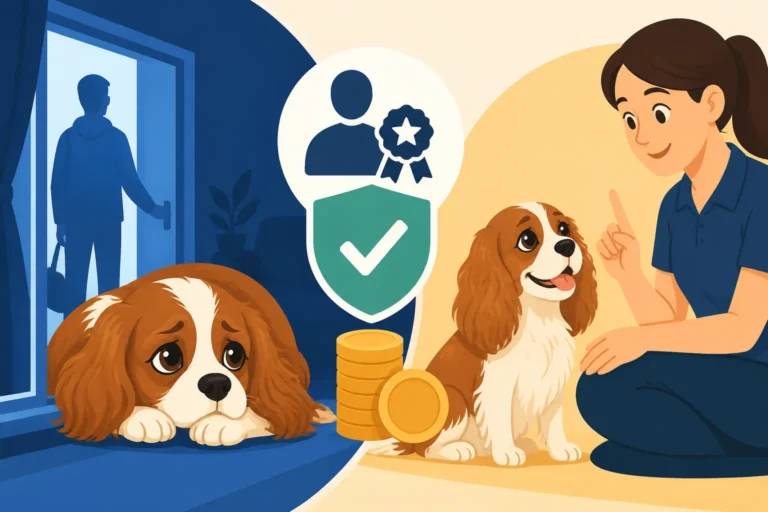
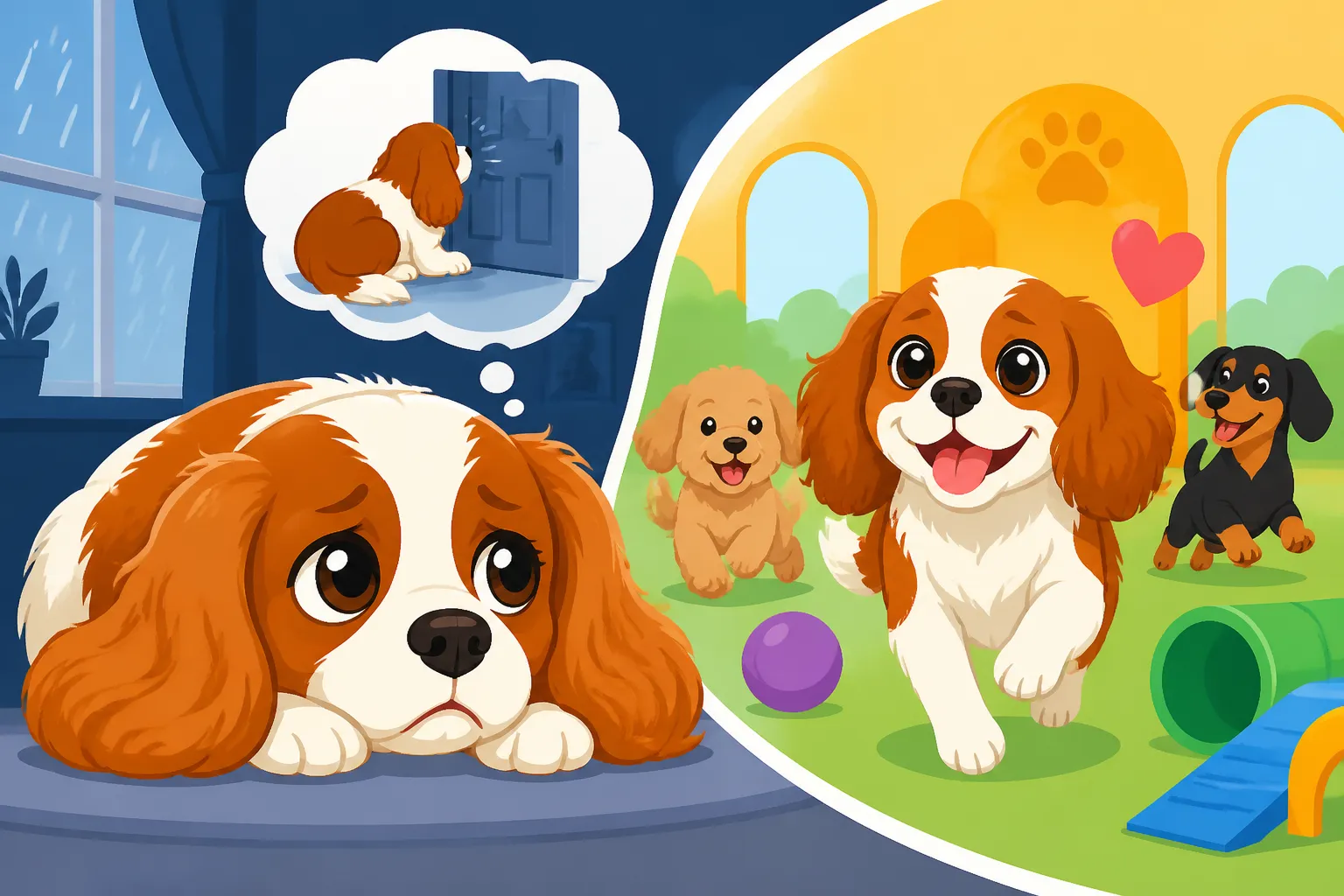
It’s a truly heartbreaking situation when your sweet Cavalier King Charles Spaniel becomes utterly distressed the moment you walk out the door. The crying, the howling, the destructive chewing – it’s not just an inconvenience, it’s a clear sign of real anxiety, and you want nothing more than for your beloved companion to feel safe and happy, even when you can’t be there. This guide is here to help you navigate the world of dog daycare, specifically for Cavaliers who struggle with alone time, breaking down what it involves, what it costs, and how to find the right fit for your sensitive furry friend.
Understanding Why Your Cavalier Struggles With Alone Time
Cavaliers are renowned for their affectionate, "Velcro" personalities. They thrive on companionship and often form incredibly strong bonds with their human families. This deep connection, while one of their most endearing qualities, can sometimes manifest as significant anxiety when left alone, often referred to as separation anxiety. It's not about being "naughty" or "stubborn"; it's a genuine emotional struggle that can be painful for both the dog and the owner.
The Breed's Innate Need for Company
Think back to the history of the Cavalier. These dogs were literally bred to be companions, lap warmers, and loyal shadows to royalty. They weren't bred for hunting large game or guarding estates; their job was to be present, to give and receive affection. This deeply ingrained instinct means that for many Cavaliers, being isolated goes against their very nature. They don't just prefer company; they often need it to feel secure and content.
When a Cavalier is left alone, especially for extended periods, this inherent need for connection can turn into profound distress. You might see signs like excessive barking, destructive chewing on furniture or doorways, inappropriate urination or defecation, or even frantic attempts to escape. It's their way of crying out for help, a clear signal that their emotional cup is empty without you there. Understanding this isn't about excusing behavior, but about empathizing with their genuine struggle and finding supportive solutions. You might find it helpful to read Why a Cavalier Cannot Be Left All Day to further understand these behaviors.
Common Manifestations of Separation Anxiety in Cavaliers
The way separation anxiety shows up can vary quite a bit from one Cavalier to another, but there are some common threads. One of the most heartbreaking is the sustained vocalization – the crying, whimpering, and howling that can start almost immediately after you leave and continue for hours. Neighbors might even complain, adding to your stress.
Another frequent manifestation is destructive behavior. This isn't just a puppy exploring; it's often focused on escape routes like doors and windows, or on items that carry your scent, like cushions or blankets. Some Cavaliers will obsessively lick or chew themselves, leading to hot spots or skin irritations. Others might refuse to eat or drink until you return, only to gulp everything down frantically. It's a spectrum, and sometimes it's subtle, like a Cavalier that just seems completely shut down and withdrawn until you walk back through the door. Knowing What a Cavalier Does When Left Too Long can help you identify these signals early.
The Role of Daycare for an Anxious Cavalier
For Cavaliers who truly struggle with alone time, dog daycare can be a genuine lifeline, offering a structured, supervised environment filled with companionship and activity. It’s not just a place to drop off your dog; it’s a therapeutic option for managing separation anxiety and ensuring your Cavalier has a fulfilling day while you’re away.
More Than Just Babysitting: Benefits of Dog Daycare
Daycare, when chosen carefully, offers a wealth of benefits beyond simply preventing your Cavalier from being alone. It provides crucial mental stimulation through varied activities, social interaction with other dogs and people, and physical exercise. For a Cavalier that gets anxious, being around other dogs and having a routine can be incredibly calming. They learn to be more confident in a group setting and get used to novel experiences, which can generalize to other situations.
A good daycare will focus on positive reinforcement, ensuring your Cavalier has a pleasant experience. It helps maintain a consistent schedule, which can be very reassuring for anxious dogs. Plus, it gives you peace of mind, knowing your beloved pet is safe, stimulated, and not suffering in silence at home. It’s an investment in their mental and emotional health, allowing them to expend energy and socialize in a healthy way, rather than channeling their anxiety into destructive behaviors. This can be especially important if you are trying to slowly build their tolerance for being left, as discussed in Building a Cavalier's Tolerance for Being Left.
Choosing the Right Daycare Environment for a Cavalier
Not all daycares are created equal, especially when you have a sensitive breed like a Cavalier King Charles Spaniel. The ideal environment for an anxious Cavalier is one that prioritizes a calm, structured atmosphere over chaotic free-for-alls. Look for daycares with smaller play groups, particularly those that separate dogs by size and temperament. A boisterous Golden Retriever might be too much for your gentle Cavalier.
Consider facilities that offer quiet zones or nap areas where dogs can decompress throughout the day. Overstimulation can be just as stressful as under-stimulation for an anxious dog. Ask about the staff-to-dog ratio, the staff's experience with anxious dogs, and their training methods. Do they use positive reinforcement? Are they attentive to individual dog needs? A facility that understands breed-specific traits, like the Cavalier's strong desire for human connection, will likely have staff who are comfortable giving extra cuddles and attention. You'll want to ensure the setting doesn't exacerbate their anxiety but rather soothes it, helping you answer the question, Whether Daycare Suits an Anxious Cavalier.
What Drives Daycare Prices for Cavaliers
Understanding daycare prices involves looking at a range of factors that contribute to the overall cost. It's rarely a one-size-fits-all figure, and what you pay will depend heavily on location, facility type, and the specific services offered.
Geographic Location and Urban vs. Rural Rates
Just like real estate, the cost of dog daycare is heavily influenced by where you live. In densely populated urban areas, where commercial rents and labor costs are high, you can expect to pay significantly more for daycare services. Think about major cities like New York or Los Angeles; the prices there will naturally reflect the higher cost of living and operating a business. Demand in these areas also tends to be higher, which can drive up prices.
Conversely, in more rural or suburban settings, where overheads are lower and competition might be different, you'll generally find more moderate pricing. The cost differences can be quite stark, sometimes varying by 30-50% or more for comparable services. It’s always a good idea to research local options and get quotes from several providers in your specific area to understand the baseline. This is true for many pet-related expenses, from vet visits to Cavalier Grooming Costs Every Six to Eight Weeks.
Type of Facility and Service Level
The kind of daycare facility you choose also plays a massive role in the pricing. You have a spectrum of options, each with different price points and offerings:
- Standard Doggy Daycares: These are usually larger facilities with open play areas, often divided by dog size. They focus on supervised group play and can be a good option for social Cavaliers. Expect mid-range pricing here.
- Boutique or Luxury Daycares: These facilities often boast smaller play groups, more personalized attention, specialized activities (like agility equipment or sensory gardens), live webcams, and sometimes even individual suites for napping. They cater to owners looking for a premium experience and will naturally come with a higher price tag.
- Home-Based Daycares/Pet Sitters: Sometimes, individuals offer daycare services from their homes. These can provide a more intimate, less overwhelming environment for a nervous Cavalier. Prices can vary widely; some might be lower than large facilities, while others might charge more for personalized care, especially if they only take a few dogs.
- Specialized or Training-Focused Daycares: Some facilities integrate training sessions or offer specific programs for dogs with behavioral needs, such as mild separation anxiety. These often have highly skilled staff and structured activities designed to build confidence, which will command a higher fee.
Each of these options brings a different level of care, staff expertise, and facility amenities, all of which are factored into the price.
Packages, Memberships, and Additional Services
Most daycares offer flexible pricing structures to suit different needs. You'll often find that buying daycare in packages or with a membership will be more cost-effective than paying for single-day drop-ins.
| Service Type | Description | Typical Pricing Structure | Best For |
|---|---|---|---|
| Single Day Pass | Pay for one full day of daycare as needed. | Highest daily rate | Occasional use, testing out a facility, last-minute needs. |
| Half-Day Pass | Shorter stays, often 4-6 hours. | Lower than full-day, but higher hourly rate than packages. | Cavaliers who need a break but can't handle a full day, or for errands. |
| Multi-Day Packages | Purchase 5, 10, or 20 days upfront at a discounted rate. | Reduced daily rate | Regular users (1-3 days/week) who want flexibility. |
| Unlimited Monthly Pass | Pay a flat monthly fee for unlimited daycare days. | Lowest effective daily rate (if used frequently) | Consistent, frequent users (3-5 days/week). |
| Membership Plans | Annual fee for access to lower daily rates or exclusive perks. | Annual fee + discounted daily rates | Dedicated users who frequent one specific daycare long-term. |
Beyond the core daycare, many places offer add-on services that will increase your bill:
- Grooming: A bath, nail trim, or brush-out before pickup.
- Training Sessions: Individual or group obedience sessions during daycare hours.
- Medication Administration: A small fee for staff to give your Cavalier prescribed medications.
- Special Treats/Meals: Premium snacks or feeding a special diet (like Ollie, if you're not packing your own).
- "Report Cards": Detailed daily updates on your dog's activities and behavior, which can be invaluable for an anxious dog.
These extras, while convenient, can quickly add up, so always factor them into your overall budget when considering What a Healthy Adult Cavalier Costs Each Month.
Budgeting for Cavalier Daycare
Bringing a Cavalier into your life is a wonderful experience, but it also comes with financial responsibilities, and daycare can be a significant part of that budget for dogs with separation anxiety. Planning ahead is key to ensuring you can provide the best care without undue financial strain.
Typical Price Ranges Across Regions
While it's impossible to give exact numbers that apply everywhere, we can talk about general ranges you might encounter.
In major metropolitan areas (like New York City, San Francisco, Boston):
- Single day: Expect to pay anywhere from a fair price to a high price per day.
- Weekly (5 days): Usually offered at a slight discount per day, but still a notable weekly commitment.
- Monthly unlimited: This can easily be a very significant amount, but provides the best value if used daily.
In suburban areas and smaller cities:
- Single day: Typically less than big cities, but still can add up quickly.
- Weekly (5 days): More affordable than urban centers, making regular use more feasible.
- Monthly unlimited: Often a more manageable cost for daily attendance.
In rural areas:
- Single day: Generally the most budget-friendly, though options might be fewer.
- Weekly/Monthly: Can be quite economical, but ensure the quality of care meets your Cavalier's needs.
Remember, these are rough estimates. You should always call local facilities for their current pricing. Don't be shy about asking if they offer introductory rates or special promotions for new clients.
Comparing Costs: Daycare vs. Pet Sitter vs. Dog Walker
When your Cavalier hates being alone, daycare isn't your only option, but it's often the most comprehensive. Let's look at how it stacks up against other solutions:
| Service | Benefits for Anxious Cavalier | Drawbacks | General Cost Comparison (for regular use) |
|---|---|---|---|
| Dog Daycare | Constant supervision, social interaction, structured play, mental stimulation. | Can be overwhelming for very shy dogs, exposure to more germs. | Mid to High |
| Professional Pet Sitter (in your home) | One-on-one attention, familiar environment, can follow specific routines. | Less social interaction with other dogs, can be expensive for full days. | High (especially for longer visits/multiple times a day) |
| Dog Walker (multiple visits) | Breaks up alone time, provides exercise and potty breaks. | Still alone for much of the day, no constant supervision or group play. | Lower than full-day daycare/sitter, but still adds up. |
| Friend/Family Member | Familiar face, often free or low cost. | May not be reliable or trained in handling anxious dogs, potential for burnout. | Lowest (but quality/reliability can vary) |
For a Cavalier who truly hates being alone, the continuous presence and activity of a well-chosen daycare can be more beneficial than intermittent visits from a dog walker or even a pet sitter, though a full-day pet sitter might offer comparable companionship at a higher price point. If your Cavalier's anxiety is severe, you might even be looking into Medication for Cavalier Separation Anxiety in conjunction with behavioral strategies and daycare.
Finding Affordable Quality for Your Cavalier
Finding quality daycare that doesn't break the bank requires a bit of detective work and flexibility. Here are some strategies:
- Look for Package Deals: As mentioned, buying multiple days upfront almost always works out cheaper per day. If you know you'll be using daycare regularly, this is a no-brainer.
- Consider Half-Days: If your work schedule allows, or if your Cavalier gets overwhelmed by a full day, a half-day option can provide crucial relief from loneliness without the full cost.
- Off-Peak Hours/Days: Some daycares might offer slightly lower rates for less popular times, though this is less common.
- Volunteer or Work Exchange: Highly unlikely for daycare, but some niche pet services might offer options for those willing to volunteer their time in exchange for discounts.
- Small, Home-Based Operations: These can sometimes be more affordable than large, commercial facilities, while still offering excellent, personalized care. Interview them thoroughly to ensure they are reputable and experienced with anxious dogs.
- Pet Insurance Considerations: While most pet insurance providers like Healthy Paws won't cover routine daycare, having a robust policy is vital for covering unexpected illnesses or injuries that could occur at any time, whether at home or during daycare. Unexpected vet bills can quickly derail your pet care budget. You can learn more about this by checking out Whether Pet Insurance Is Worth It for a Cavalier and What a Cavalier Policy Costs Monthly.
- Optimize Other Costs: Look for ways to save on other Cavalier expenses. Buying food in bulk on platforms like Chewy, or opting for subscription services for fresh food like Ollie can sometimes offer savings, which frees up funds for essential services like daycare. Making thoughtful choices about Budgeting a Cavalier From Puppy to Senior will help you allocate funds effectively.
Ultimately, the "best" and most affordable option is one that provides a safe, stimulating, and calm environment where your Cavalier feels happy and cared for, fitting within your financial means. It takes time to find that perfect balance, but your Cavalier’s well-being is worth it.
Disclaimer
This article is for general informational purposes only and does not constitute professional advice. Laws, prices and regulations vary by location and change over time. Consult a qualified professional for guidance on your specific situation.