Whether a Cavalier Fits an Airline Cabin Carrier
Deciding to travel with your beloved Cavalier King Charles Spaniel can bring a mix of excitement and anxiety, especially when you consider taking them in the airline cabin with you. One of the biggest hurdles many Cavalier owners face is the perplexing question of whether their furry companion and their carrier will actually fit under the seat in front, navigating the often-confusing and ever-changing airline regulations. This guide is here to walk you through the specifics, offering practical advice to ensure a smoother, less stressful journey for both you and your Cavalier.
Understanding Airline Cabin Carrier Rules for Small Dogs
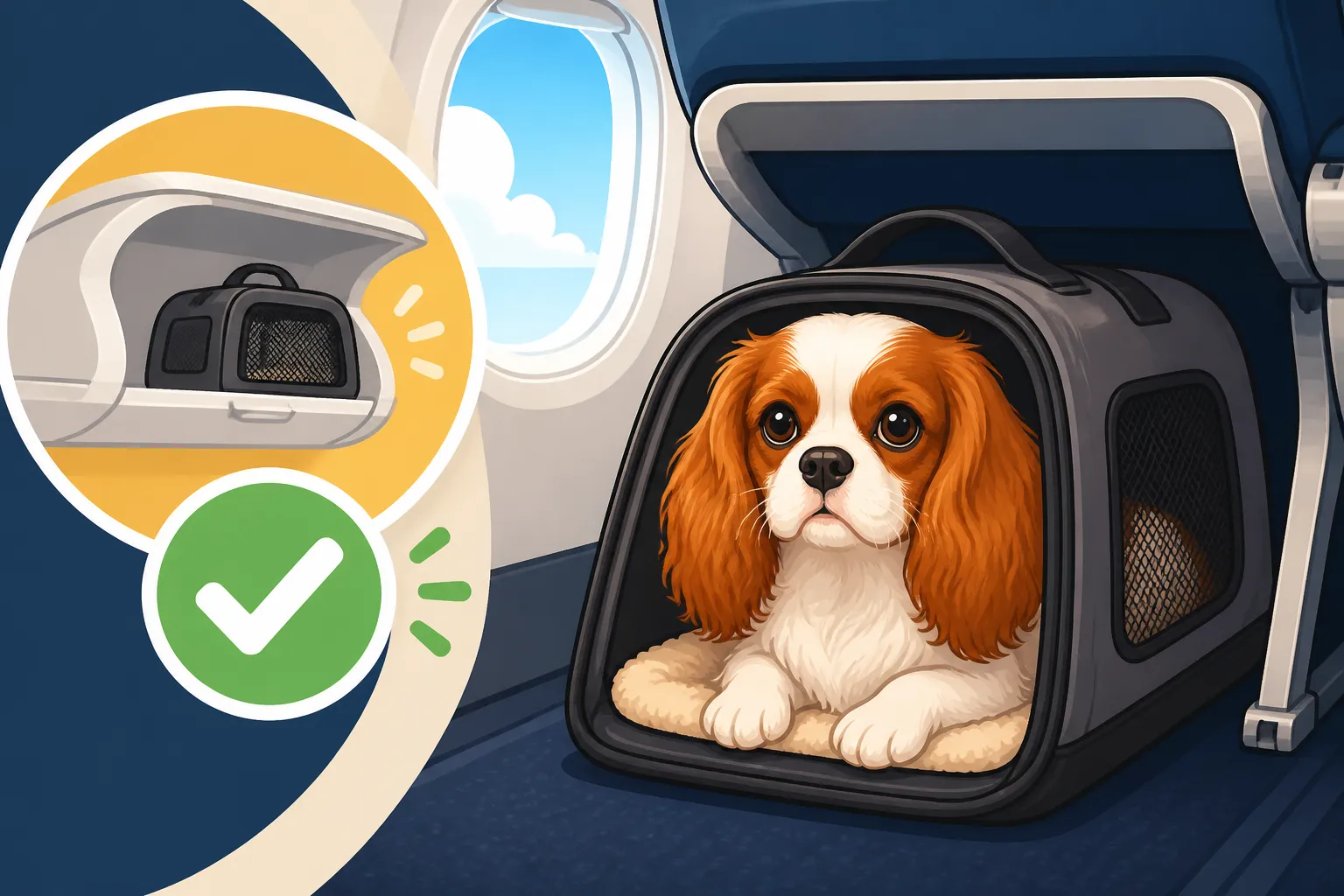
It's a common misconception that if your dog is "small," they automatically qualify for cabin travel. The reality is far more nuanced, and this is where many Cavalier owners feel a pang of worry. Airlines aren't just looking at the size of your dog; they're primarily concerned with the dimensions of the carrier itself, and whether it can safely and comfortably stow under the seat in front of you for the duration of the flight. This isn't just about convenience; it's a Federal Aviation Administration (FAA) requirement for safety during takeoff, landing, and turbulence.
Every airline has its own specific set of rules, and these rules can even vary depending on the aircraft model you'll be flying on. What works perfectly on a regional jet might be too large for a transatlantic flight. This inconsistency is incredibly frustrating, leading many owners to feel like they're playing a guessing game. The key is to be proactive and thorough in your research. Don't assume; always check directly with your chosen airline, and ideally, get confirmation in writing or print out their pet policy page. You don't want to arrive at the airport with a perfectly happy Cavalier and a seemingly appropriate carrier, only to be turned away at check-in because it's an inch too tall.
Why Carrier Dimensions Are So Strict
Airlines aren't trying to make your life difficult by having such tight restrictions. The space under the seat in front of you is a finite area, and it needs to accommodate not just your pet's carrier, but also other equipment and wiring unique to the aircraft. The carrier must fit without obstructing the aisle, your feet, or the person in the seat behind you. More importantly, it must allow your Cavalier to stand up, turn around, and lie down comfortably in a natural position. This last part is crucial for your pet's welfare during what can be a lengthy and sometimes stressful experience. It’s not about cramming them in; it’s about providing enough space for them to be comfortable while remaining completely contained.
Think about the structure of the seat itself; there are often support bars, life vest pouches, and entertainment system components that eat into what looks like open space. A carrier that's too rigid or just a hair too tall might physically prevent the seat in front from fully reclining, or it might get stuck, causing a significant safety hazard. This is why soft-sided carriers often have an advantage – they can compress slightly to fit into irregular spaces, as long as they don't compromise the internal comfort for your dog. For more general considerations on canine travel, you might find our article Traveling With a Cavalier and What It Adds helpful.
The Importance of Checking Each Airline's Policy
I cannot stress this enough: always confirm the specific pet-in-cabin policy with the airline you are flying with, even if you’ve flown with them before. Policies can change without much fanfare, and a sudden update could throw a wrench in your travel plans. Visit their official website, look for the "traveling with pets" or "pet policy" section, and make sure you're reading the most current guidelines. Many airlines will list the maximum allowable dimensions for carriers, often distinguishing between soft-sided and hard-sided options.
It's also wise to call their customer service line after reviewing the website. Sometimes, speaking to a representative can clarify nuances not explicitly stated online. Ask them about the specific aircraft model for your flight, if known, and if there are any specific weight restrictions for the combined weight of your Cavalier and the carrier. They might not always have definitive answers for every plane layout, but it's another layer of confirmation. This diligence might feel like overkill, but it's the best way to prevent a last-minute crisis at the airport that could leave your Cavalier unable to fly in the cabin.
Measuring Your Cavalier for an Airline Carrier
Once you understand the airline's requirements, the next logical step is to accurately measure your Cavalier. This is where you move from general guidelines to specific facts about your dog. Cavaliers, while generally small, can vary in size and build, and those beautiful, flowing ears need to be accounted for! Don't just eyeball it; grab a tape measure and take precise measurements.
The goal is to ensure your Cavalier can comfortably fit within the carrier's dimensions, not just for the airline's sake, but for their own well-being. A cramped space for hours can be distressing and even harmful. Remember, the carrier needs to allow them to stand, turn, and lie down naturally. If you're unsure about your Cavalier's ideal size, consider consulting The Cavalier Size the Standard Asks For or What an Adult Cavalier Should Weigh for breed insights, but always measure your individual dog.
Essential Cavalier Measurements for Carrier Selection
Here's how to get the most accurate measurements for your Cavalier:
- Height: Have your Cavalier stand in a natural position. Measure from the top of their head (or the tip of their ears, whichever is higher, when erect) to the ground. Add a few inches for comfortable head clearance when standing inside the carrier. Remember those lovely drop ears, they do take up space!
- Length: Measure from the tip of their nose to the base of their tail (not including the tail itself). This measurement will ensure they can turn around fully within the carrier.
- Weight: Weigh your Cavalier accurately. Many airlines have a combined weight limit for the pet and carrier, typically around 20-25 pounds, though this also varies. A digital pet scale is ideal, or you can weigh yourself, then weigh yourself holding your Cavalier, and subtract the difference.
Once you have these numbers, compare them rigorously to the airline's maximum allowable carrier dimensions. Pay particular attention to the height. A carrier might seem long enough, but if it's too short for your Cavalier to comfortably stand and turn without hitting their head or hunching, it's not suitable.
The Cavalier's Comfort Factor in a Carrier
Beyond just meeting the minimum requirements, think about your Cavalier's individual comfort. Are they prone to anxiety? Do they get warm easily? These factors should influence your carrier choice. A carrier that provides ample ventilation and a soft, comfortable lining can make a world of difference for their experience.
Consider a practice run: put your Cavalier in the chosen carrier at home, zip them up, and see how they settle. Can they easily adjust their position? Do they seem stressed or cramped? A few short training sessions with positive reinforcement can help them associate the carrier with safety and comfort rather than confinement. This kind of preparation goes hand-in-hand with Crate Training a Cavalier That Panics and can significantly reduce travel stress. You want the carrier to be a den, not a cage.
Choosing the Right Cabin Carrier for Your Cavalier
With the airline's rules in hand and your Cavalier's measurements confirmed, it's time to select the perfect carrier. This isn't just about finding one that fits the dimensions; it's about choosing a carrier that is safe, comfortable, and practical for your specific travel needs. The market is flooded with options, which can feel overwhelming, but focusing on key features will help you narrow it down.
When shopping, you'll see many carriers explicitly labeled as "airline approved." While this is a good starting point, remember that "approved" doesn't mean all airlines approve that specific carrier for every flight. It usually means it meets general FAA guidelines, but specific airline under-seat dimensions are still paramount. Always double-check. You can find a huge variety of carriers on websites like Chewy, making it easy to compare dimensions and features side-by-side.
Soft-Sided Versus Hard-Sided Carriers
For cabin travel, soft-sided carriers are almost universally preferred and often required by airlines. Here's why:
- Flexibility: Soft-sided carriers can often compress slightly to fit into irregular under-seat spaces. This is a huge advantage when seat dimensions vary even slightly from one aircraft to another.
- Weight: They are typically lighter than hard-sided carriers, which is beneficial given airline weight restrictions for pets in the cabin.
- Comfort: Many soft-sided carriers come with plush bedding or removable pads, offering a more comfortable ride for your Cavalier. They also often have more mesh windows for better ventilation.
- Storage: They can often be folded flat for easier storage when not in use.
Hard-sided carriers, while more durable and sometimes offering better protection, are rarely suitable for in-cabin travel due to their rigid dimensions and inability to flex. They are primarily used for cargo travel or as general crates at home.
Key Features of a Good Cabin Carrier
When you're looking for that ideal carrier, keep these features in mind:
- Ventilation: Multiple mesh windows are essential for airflow, especially important for breeds like Cavaliers who can be sensitive to heat. Good ventilation also allows your Cavalier to see their surroundings, which can reduce anxiety.
- Secure Closures: Zippers should be sturdy and ideally have a lockable feature or a clasp that prevents accidental opening. You don't want your Cavalier making a surprise appearance mid-flight!
- Waterproof/Leak-proof Bottom: Accidents can happen, especially on long journeys. A carrier with a removable, waterproof lining or a solid, leak-proof bottom will save you a lot of hassle and prevent any unpleasant incidents on the plane.
- Comfortable Interior: A soft, washable fleece pad or similar bedding will make the carrier a much more inviting space for your Cavalier.
- Pockets: External pockets are handy for carrying essential documents, treats, or a small toy.
- Sturdy Handles/Shoulder Strap: You'll be carrying your Cavalier through the airport, so comfortable and strong handles or an adjustable shoulder strap are a must.
- Seatbelt Loops: Some carriers have loops that allow them to be secured with a car seatbelt, which is a great feature for car travel to and from the airport, providing extra safety.
Here's a quick comparison of general airline carrier guidelines, but remember to verify with your specific airline:
| Feature | Typical Airline Guideline (Soft-Sided) | Notes |
|---|---|---|
| Length | Usually 18-20 inches (46-51 cm) | Must fit under the seat. Look for carriers that can compress. |
| Width | Usually 11-12 inches (28-30 cm) | Similar to length, needs to fit without blocking. |
| Height | Often 10.5-11 inches (26-28 cm) for rigid carriers, but soft-sided can sometimes be up to 11.5-12 inches (29-30 cm) | This is the most critical dimension. Many seats have a height restriction around 11 inches. A soft carrier might be tolerated if it can be slightly squished without harming the pet, but don't count on it. Always ensure your Cavalier can stand and turn comfortably within this height. |
| Combined Weight | Often 20-25 lbs (9-11 kg) for pet + carrier | Crucial for Cavaliers who might be on the higher end of the breed standard weight. Ensure your Cavalier's weight plus the carrier's weight is within this limit. Check What an Adult Cavalier Should Weigh to understand the breed's typical weight range. |
| Pet Movement | Must be able to stand, turn around, and lie down in a natural position inside the carrier. | This is non-negotiable. Even if the dimensions just fit, if your Cavalier can't move comfortably, it's not a suitable carrier. |
| Materials | Leak-proof bottom, good ventilation (mesh windows on at least 2-3 sides), soft sides. | For safety and hygiene, a carrier that can contain any accidents is vital. Adequate airflow prevents overheating. |
Many popular brands, like Sherpa, Sleepypod, and SturdiBag, offer carriers designed to meet general airline requirements. Always cross-reference their stated dimensions with your airline's specific rules, as models can vary.
Preparing Your Cavalier for Air Travel in the Cabin
Once you've secured the right carrier and confirmed all the airline details, the next vital step is to prepare your Cavalier for the experience. Air travel can be a sensory overload for dogs, with strange smells, loud noises, and unfamiliar environments. A well-prepared Cavalier is a calmer Cavalier, making the journey more pleasant for everyone involved. This preparation isn't just about the day of travel; it starts weeks, if not months, beforehand. Building a Cavalier's Tolerance for Being Left for short periods can be a good foundation for carrier training.
One crucial aspect of preparation is a visit to your veterinarian. They can ensure your Cavalier is healthy enough for travel and discuss any necessary vaccinations or health certificates. Some airlines and destinations require a health certificate issued within a specific timeframe (often 10 days) of travel. Don't leave this until the last minute, as appointments can fill up, and unexpected issues might require more time to resolve. Before any travel, especially involving medical checks, consider whether Whether Pet Insurance Is Worth It for a Cavalier might be beneficial for unexpected costs.
Acclimating Your Cavalier to the Carrier
This is arguably the most important preparation step. Your Cavalier should view their carrier as a safe, comfortable den, not a scary prison.
- Introduce it gradually: Leave the carrier open in a common area of your home, with a soft blanket, a favorite toy, and some high-value treats inside. Let your Cavalier explore it at their own pace.
- Positive Association: Feed meals near or inside the carrier. Toss treats inside when they aren't looking. Praise them calmly when they go in.
- Short Periods of Confinement: Once they're comfortable entering and relaxing inside, close the zipper for a few minutes. Stay nearby, offering soft words of encouragement. Gradually increase the duration, always ending on a positive note before they show signs of distress.
- Practice Car Rides: Once they're comfortable being zipped up, take them on short car rides in the carrier. This helps them get used to motion while confined. You might find our article Whether a Cavalier Handles Long Car Trips provides additional insights into travel preparation.
- Simulate Under-Seat Placement: If possible, try to place the carrier in a similar confined space (like under a desk or a chair) for short periods, to mimic the airplane environment.
Never use the carrier for punishment, as this will create negative associations that are hard to break.
The Day of Travel: Tips for a Smooth Journey
Even with all the preparation, travel day can be hectic. Here are some tips to keep your Cavalier calm and comfortable:
- Exercise Beforehand: Give your Cavalier a good, long walk or play session a few hours before heading to the airport. A tired dog is a calmer dog. Just be mindful not to overdo it, especially if you have an older Cavalier or one with known health issues, as described in Whether a Cavalier Copes on Two Short Walks.
- Potty Breaks: Ensure multiple potty breaks right before entering the airport and just before boarding. Many airports now have dedicated pet relief areas.
- Food and Water: Avoid feeding a large meal close to flight time to prevent an upset stomach. Offer a small amount of water or an ice cube a few hours before, and again at the airport if possible. Some owners attach a small, spill-proof water dispenser to the carrier door. Ollie, for example, offers delicious and healthy fresh food options that might be great for pre-travel meals, ensuring optimal nutrition without excess.
- Identification: Ensure your Cavalier is wearing a collar with up-to-date ID tags. A harness, like those discussed in Harnesses Suited to a Cavalier's Neck, can be safer than a collar for long-term wear during travel. Microchipping is also a must for any pet, especially when traveling.
- No Sedatives (Unless Vet Approved): Most veterinarians and airlines advise against sedating pets for air travel, as it can interfere with their ability to regulate body temperature and blood pressure at altitude, potentially leading to respiratory or cardiovascular problems. If you're considering it due to severe anxiety, discuss it thoroughly with your vet, especially if your Cavalier has a heart murmur, as discussed in Anesthesia Risk in a Cavalier With a Murmur. Only proceed if your vet gives explicit approval and guidance.
- Remain Calm: Your Cavalier can sense your stress. Project a calm, reassuring demeanor throughout the travel process. Your composure will help them feel more secure.
By following these steps, you significantly increase the chances of a smooth, successful cabin travel experience with your beloved Cavalier. It takes effort and planning, but seeing their happy face by your feet on the plane makes it all worthwhile.
Disclaimer
This article is for general informational purposes only and does not constitute professional advice. Laws, prices and regulations vary by location and change over time. Consult a qualified professional for guidance on your specific situation.