The Cavalier Size the Standard Asks For
It's incredibly common for new Cavalier King Charles Spaniel owners, and even seasoned ones, to look at their beloved companion and wonder, "Is my dog the 'right' size?" The official breed standard can feel a bit like an enigma, leaving many feeling uncertain if their adorable, slightly-bigger-than-expected or perfectly petite Cavalier truly fits the description. This guide will help demystify the official size standards for Cavaliers, explore the real-world variations you might encounter, and explain why understanding these guidelines can be helpful without causing unnecessary worry.
Decoding the Official Cavalier Size Standard
When you first hear about a breed standard, it can sound a bit intimidating, like a rigid blueprint that every dog must perfectly match. For the Cavalier King Charles Spaniel, the standard set by organizations like the American Kennel Club (AKC) provides an ideal description, a vision of the breed's physical characteristics, including size. This isn't just about aesthetics; it's historically rooted in ensuring functional health and maintaining the distinct traits that define the Cavalier. However, it's vital to remember that standards are primarily for show dogs, and your cherished pet doesn't need to be a carbon copy to be a wonderful, healthy Cavalier.
The American Kennel Club's Official Guidelines
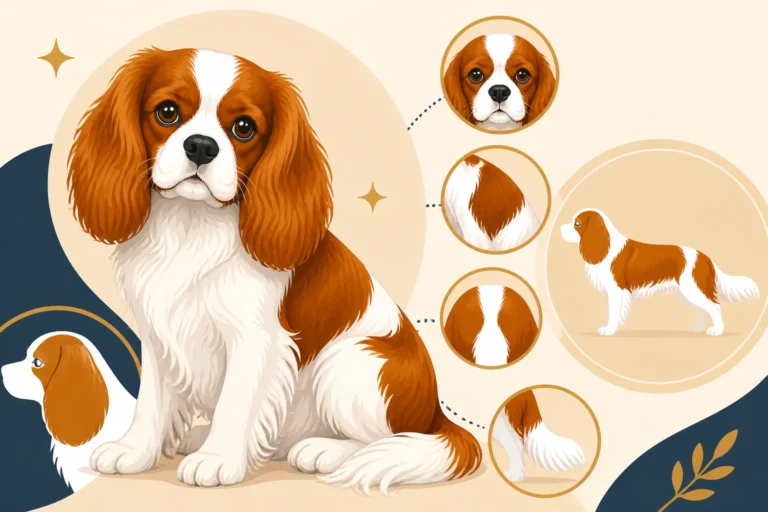
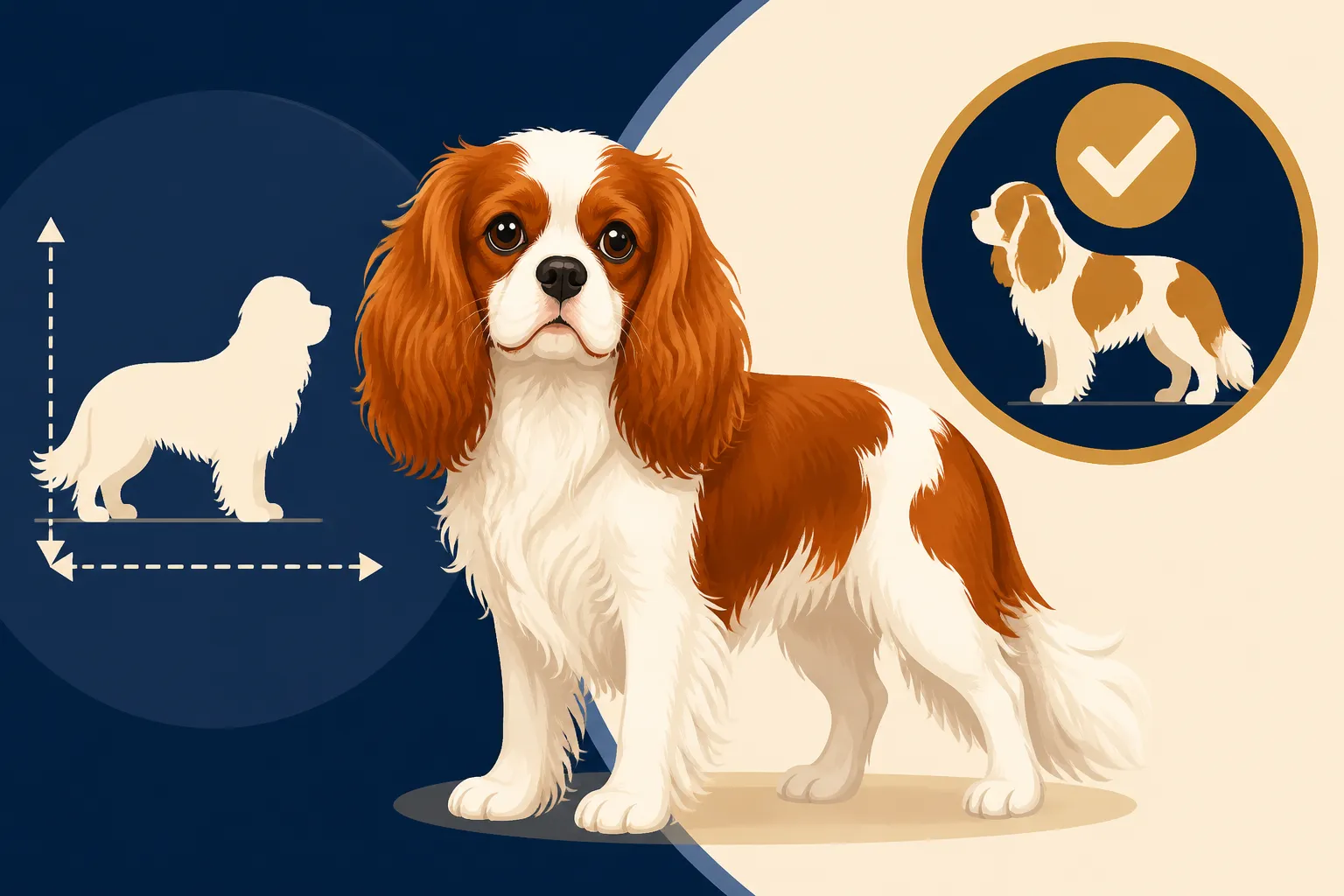
The AKC standard for the Cavalier King Charles Spaniel specifies both a height and weight range. For height, the ideal is generally around 12 to 13 inches at the withers. The "withers" is the highest point on your dog's back, right at the base of the neck, between the shoulder blades. It's the standard point of measurement for canine height. For weight, the standard calls for a range of 13 to 18 pounds. This weight should be proportionate to the dog's height, indicating a well-balanced, sturdy, yet elegant build, never appearing heavy or coarse.
These numbers represent the accepted ideal for the breed. A dog falling outside these ranges in a conformation show might be penalized, but in your living room, these are just guidelines. What truly matters for your pet is overall health and well-being, which we'll delve into later. When considering The AKC Standard for the Cavalier King Charles Spaniel, it's clear that the aim is for a compact yet athletic dog, capable of being a lively companion without being fragile.
Why the Standard Matters and Doesn't Always Apply to Every Pet
So, why even have a standard if your pet doesn't need to meet it exactly? For breeders, the standard is a crucial tool. It helps them make informed decisions to preserve the breed's characteristics, temperament, and health for future generations. It provides a common goal for what a "Cavalier" should look, feel, and behave like. When you look at dogs in the show ring, the judges are assessing how closely each dog matches this detailed description.
For us, as pet owners, understanding the standard can give us a general idea of what to expect. If your Cavalier puppy is projected to grow much larger or remain much smaller than the standard, it might prompt questions about their lineage or health. However, most purebred Cavaliers, even those from excellent lines, will have some variations. A little over or under the weight or height range isn't automatically a cause for alarm if the dog is otherwise healthy and happy. The standard should be a guide, not a strict rulebook for your family companion.
Understanding Cavalier Weight Ranges in Reality
While the breed standard gives us an ideal, the reality is that Cavaliers, like people, come in a variety of shapes and sizes. It's incredibly common to find Cavaliers that weigh a little less or a little more than the specified 13 to 18 pounds. The key isn't hitting an exact number, but rather ensuring your Cavalier maintains a healthy body condition. A dog's weight can be influenced by so many factors, from genetics to diet to activity level, and understanding these can help you manage your furry friend's health.
The "Ideal" Weight vs. Your Dog's Actual Healthy Weight
The "ideal" weight of 13-18 pounds from the AKC standard is often what breeders aim for and what judges look for in the show ring. But for your pet Cavalier, a truly "healthy" weight is one where they are lean, active, and free from weight-related health issues. This might mean your male Cavalier, who is naturally a bit larger boned, is perfectly healthy at 19 pounds, while a petite female might be at her best at 12 pounds. The visual cues are often more important than the number on the scale. Can you feel their ribs easily without pressing too hard? Do they have a noticeable waist when viewed from above? Are they energetic and playful? These are better indicators of a healthy weight than comparing them strictly to the breed standard.
Many owners worry if their Cavalier is outside this range. If you find yourself asking What an Adult Cavalier Should Weigh, remember that individual variation is normal. A healthy Cavalier should have good muscle tone, and a sleek, not skinny, appearance.
Factors That Influence a Cavalier's Weight Beyond Genetics
While genetics certainly play a significant role in determining your Cavalier's potential adult size, there are several other factors that hugely influence their actual weight. Diet, for instance, is paramount. Cavaliers are notoriously food-motivated, and their charming, pleading eyes can easily lead to overfeeding. Even small extra treats or slightly too large portions can quickly add up, especially for a small breed. Just a few extra kibbles a day over time can contribute to weight gain, making Why a Cavalier Gains Weight So Easily a question many owners ponder.
Exercise is another critical factor. A Cavalier who gets regular, appropriate exercise will naturally be leaner than one who spends most of their day napping on the sofa, no matter how cute that looks. Age also plays a role; puppies are growing rapidly, while senior Cavaliers may have a slower metabolism and require fewer calories. Even medical conditions can affect weight, so always consult your vet if you notice sudden or unexplained changes.
What an Overweight Cavalier Weighs and the Risks Involved
When a Cavalier starts to creep above that 18-pound mark, it's not just about aesthetics; it carries significant health risks. Cavaliers That Grow Past Eighteen Pounds often face a cascade of potential issues. An overweight Cavalier might struggle with mobility, putting extra strain on their joints, potentially worsening conditions like patellar luxation or hip dysplasia. Their heart, already prone to mitral valve disease (MVD), has to work harder to pump blood through a larger body, accelerating the progression of heart conditions. This is why it's crucial to understand Why an Overweight Cavalier Fails Faster.
You might notice an overweight Cavalier struggling on walks, panting more than usual, or simply being less energetic. They might have less definition in their waist, and it might be harder to feel their ribs. Beyond heart and joint issues, excess weight can also increase the risk of diabetes, pancreatitis, and even certain cancers. Ensuring your Cavalier stays within a healthy weight range for their body, not just the standard, is one of the most loving things you can do for them. Tools like a kitchen scale to measure food precisely and a simple weighing scale for your dog (or regular vet visits for weigh-ins) can be incredibly helpful. You can often find suitable feeding dishes and scales on pet supply sites like Chewy.
Measuring Up: Cavalier Height Expectations
Just like weight, the height of a Cavalier King Charles Spaniel is also part of the breed standard. It's often overlooked compared to weight, but it's an equally important indicator of the breed's structure and overall balance. When breeders refer to "height," they're talking about the measurement from the floor to the dog's withers, which gives a consistent benchmark across all dogs.
How to Accurately Measure Your Cavalier's Height at the Withers
Measuring your Cavalier's height might sound tricky, but it's quite straightforward with the right approach. First, you need your Cavalier to stand squarely on a flat, even surface – think a kitchen floor, not a plush carpet. Have them stand naturally, with their head up but not stretched upwards, and all four paws planted firmly. Then, locate their withers, which is the highest point of their shoulder blades, right where the neck meets the back.
You can use a measuring tape or a specialized dog measuring stick. If using a tape, extend it from the floor straight up to the top of the withers, making sure the tape is perpendicular to the floor. A spirit level or a ruler placed across their shoulders (parallel to the floor) and then measured from the floor to the underside of the ruler can also give a more accurate reading. Don't measure to the top of their head, as head carriage can vary, and it's not a standard point of measurement. The goal is to get a true representation of their bone structure, not how tall they can stand on their tiptoes!
Common Height Variations You Might Encounter
The AKC standard calls for a height of 12 to 13 inches at the withers. However, it's not uncommon to find Cavaliers that are slightly outside this range. Some might mature a little shorter, perhaps at 11 inches, while others can be a bit taller, reaching 14 or even 15 inches. These variations can occur due to genetics, as even well-bred lines can produce puppies that mature slightly differently. Environmental factors during growth, such as nutrition and even the timing of spay/neuter surgery, can also have a subtle impact on final height.
For most pet owners, a slight deviation from the standard height is absolutely nothing to worry about. A Cavalier that is 11.5 inches tall or 14 inches tall can be just as healthy and delightful as one that measures exactly 12.5 inches. The critical thing is that their overall proportions are balanced and that they move comfortably and freely. Only if the height variation is extreme, indicating a significant developmental issue or a mix-breed origin, should it be a concern. When discussing The Twelve to Thirteen Inch Cavalier Standard, it's useful to remember the range, and not expect a precise single number.
Beyond the Standard: When Cavaliers Don't Quite Fit the Mold
It's a common scenario: you bring home your adorable Cavalier puppy, picturing the exact size from the breed standard, only to watch them grow a little bigger or stay a little smaller than you anticipated. This deviation from the "ideal" can sometimes spark concern or confusion. However, it's important to understand that not every Cavalier will fit neatly into the precise measurements outlined by breed clubs, and often, these variations are perfectly normal.
Genetic Predispositions and Breeding Influences
The primary determinant of a Cavalier's size is their genetics. Just like in human families, there's a range of genetic expression. Even if both parents fall perfectly within the breed standard, their offspring can inherit genes that lead to slightly larger or smaller sizes. This is part of natural variation within any breed. Sometimes, a "throwback" gene from an ancestor a few generations back can manifest, leading to a puppy that’s unexpectedly larger or smaller than its immediate parents.
Reputable breeders strive to breed to the standard, carefully selecting dogs with desirable traits. However, even with the best intentions and thorough health testing, nature often has its own plans. Responsible breeders often place puppies that are slightly outside the show ring size standard into loving pet homes, understanding that these dogs are otherwise healthy, well-tempered, and make fantastic companions. It's truly a myth that a dog must meet every aspect of the standard to be a "good" or "healthy" example of the breed.
The Impact of Nutrition and Growth Rate on Final Size
Beyond genetics, a Cavalier's early nutrition and growth rate can significantly impact their final adult size. Puppies need a balanced diet formulated for growth to develop properly. Overfeeding a puppy, trying to make them grow "faster," can actually be detrimental, leading to rapid growth that puts strain on developing joints and bones. Conversely, underfeeding or providing an imbalanced diet can stunt growth.
The rate at which a puppy grows is also a factor. Some Cavaliers have a slower, more sustained growth period, while others hit their adolescent growth spurt earlier. Generally, Cavaliers reach their full height and most of their weight by around 10 to 12 months, though they may continue to fill out and gain muscle mass until about 18 months. Providing a high-quality, age-appropriate diet is key. You can find excellent small-breed puppy foods on sites like Chewy that are formulated to support healthy, steady growth without promoting excessive weight gain.
When Size Variation Becomes a Health Concern
While minor size variations are normal, there are instances where an extreme deviation from the standard might indicate a potential health concern or signal that the dog is not a purebred Cavalier. For example, a Cavalier that grows significantly larger than the upper weight or height limit (e.g., a purebred Cavalier consistently over 20 pounds with no excess fat) might have an underlying metabolic issue or even be a mixed breed. Conversely, an abnormally tiny Cavalier could suffer from dwarfism or other growth-related conditions.
It's important to differentiate between a naturally larger-boned or smaller-boned Cavalier and one with a health problem. If your Cavalier's size is coupled with other symptoms like lameness, disproportionate body parts, or chronic illness, it warrants a veterinary check-up. Otherwise, embracing your Cavalier for their unique size and focusing on their overall health and happiness is the most important thing. Sometimes, the question Whether an Undersized Cavalier Is a Fault only truly matters in the show ring, not in the heart of a loving home.
The Journey to Full Size: Cavalier Growth Stages
Watching a Cavalier puppy grow is a joy, filled with clumsy tumbles, bursts of zoomies, and endless snuggles. Their transformation from a tiny, squishy bundle to a graceful, feathered adult happens surprisingly quickly. Understanding the typical growth stages can help set expectations about their eventual size and ensure you're providing them with the right care at each phase.
The Weight a Cavalier Reaches at Six Months
At six months old, a Cavalier puppy is usually well on their way to their adult size, but they're not quite there yet. By this age, most Cavaliers will have reached a significant portion of their adult height, often about 80-90%. Their weight will also be substantial, perhaps around two-thirds to three-quarters of their final adult weight. For a Cavalier that will eventually weigh 15 pounds, they might be somewhere between 10 to 12 pounds at six months.
They're still in that gangly, awkward adolescent phase, with longer legs and perhaps not quite filled out in the body yet. Their facial features will be more defined, and their feathering will start to develop more noticeably. At this stage, it's crucial to continue feeding a high-quality puppy food and ensure they're getting appropriate exercise without overdoing it, as their growth plates are still developing. The Weight a Cavalier Reaches at Six Months is a good benchmark, but remember that individual puppies will vary.
The Age a Cavalier Reaches Full Size
Most Cavaliers will reach their full height by around 10 to 12 months of age. While they might not grow much taller after their first birthday, they will continue to mature and "fill out" in terms of muscle mass and body condition over the next few months. This process can continue until they are approximately 18 months old, where they achieve their adult weight and overall robust appearance. This "filling out" phase is often where you might notice their chest deepening and their frame becoming more solid.
It's important during this period to transition them from puppy food to adult formula at the appropriate time (usually around 10-12 months, or as recommended by your vet), and to monitor their weight to ensure they don't become overweight as their metabolism slows slightly. You want them to achieve their mature size healthily and steadily. Knowing The Age a Cavalier Reaches Full Size helps you adjust their diet and exercise needs accordingly.
Monitoring Growth and Puppy Development
Monitoring your Cavalier puppy's growth is about more than just predicting their adult size; it's about ensuring healthy development. Regular weigh-ins (weekly for very young puppies, then monthly) can help you track their progress. A consistent upward trend is usually good, but sudden spikes or plateaus, especially if accompanied by changes in appetite or energy, should prompt a call to your vet.
Beyond the numbers, observe your puppy's overall body condition. Are they too skinny? Too plump? Do they have good energy? Are their legs straight and strong? If you have questions about their growth, especially regarding Whether a Cavalier Puppy Can Climb Stairs or engage in strenuous activity, your veterinarian is your best resource. They can provide guidance tailored to your puppy's individual needs. Healthy growth sets the stage for a long, happy life with your Cavalier, ensuring their tiny body develops robustly.
Keeping a Cavalier at a Weight Its Heart Can Carry
One of the most profound responsibilities we have as Cavalier owners is to manage their weight diligently. Given their predisposition to heart conditions, specifically Mitral Valve Disease (MVD), keeping your Cavalier lean isn't just about looking good; it's a critical component of their long-term health and quality of life. An extra pound or two on a human might not seem like much, but on a 15-pound Cavalier, it's a substantial percentage of their body weight, significantly impacting their cardiovascular system.
Why Every Scrap Shows on a Fifteen-Pound Cavalier
Cavaliers are a small breed, typically weighing between 13 and 18 pounds. This means their caloric needs are relatively low compared to larger dogs. For a dog of this size, even small indulgences can have a big impact. A single piece of cheese, a few extra kibbles, or a couple of forgotten treats can represent a significant portion of their daily calorie allowance. It's truly a case of "every scrap shows" because their metabolism and small body size are simply not built to handle much caloric surplus.
Many owners find themselves struggling with Why Every Scrap Shows on a Fifteen-Pound Cavalier, especially when those big, soulful eyes are begging for a bite. However, resisting the urge to overfeed is an act of love. Maintaining an appropriate body condition reduces the workload on their heart, makes it easier for them to breathe, and generally improves their mobility and comfort, especially as they age or if they develop MVD.
Calorie Management for a Cavalier Heart Patient
Once a Cavalier is diagnosed with MVD, managing their weight becomes even more critical. An enlarged heart already struggles, and carrying extra weight exacerbates this, making it harder for the heart to pump blood efficiently and increasing the risk of congestive heart failure. Your veterinarian will likely recommend maintaining a lean body condition, and in some cases, a low-sodium diet might also be advised. You'll want to know Calorie Needs for an Eighteen-Pound Cavalier, even if your dog is slightly smaller or larger.
Working with your vet or a veterinary nutritionist to determine the precise calorie needs for your Cavalier is essential. This often involves meticulously measuring food portions and being very careful with treats. Opt for low-calorie, healthy treats (like small pieces of carrot or green bean) or use a portion of their daily kibble as rewards. Consider healthy, heart-friendly food options from trusted retailers like Chewy, making sure to check ingredient lists for sodium content. Every effort to keep them lean contributes to their heart health and can potentially extend their happy years with you.
Finding a Cavalier's Waist Under the Feathering
One common challenge in assessing a Cavalier's weight is their beautiful, flowing feathering. This luxurious coat can easily hide extra pounds, making it difficult to visually spot an expanding waistline. Many owners are surprised to learn their Cavalier is overweight because they couldn't see it beneath all that glorious hair. This is why learning how to physically assess their body condition is so important.
To find your Cavalier's waist, stand above them and run your hands gently along their sides. You should be able to easily feel their ribs, almost like feeling the knuckles on your hand, without pressing hard. If you have to dig your fingers in to feel them, your Cavalier is likely overweight. Next, feel their waist: there should be a discernible tuck or indentation behind their ribs before their hips. From above, you should see a slight hourglass shape, not a straight line or a bulging middle. From the side, their belly should tuck up slightly, not hang down. Learning Finding a Cavalier's Waist Under the Feathering is a skill every Cavalier owner should master to keep their beloved companion in optimal health.
| Characteristic | Ideal/Standard Cavalier (13-18 lbs, 12-13 inches) | Larger Cavalier (19+ lbs, 14+ inches) | Smaller Cavalier (<13 lbs, <12 inches) |
|---|---|---|---|
| Weight Range | 13-18 lbs | 19-25 lbs (or more) | 8-12 lbs |
| Height at Withers | 12-13 inches | 14-16 inches (or more) | 10-11 inches |
| Body Condition | Ribs easily felt, visible waist tuck, athletic | Ribs hard to feel, no waist, rounded | Ribs easily felt, slender, delicate |
| Common Causes | Genetics, balanced diet, appropriate exercise | Genetics, overfeeding, less exercise | Genetics, sometimes early spay/neuter |
| Health Implications | Optimal | Increased risk of MVD, joint issues, diabetes | Generally healthy, but more fragile |
| Vet Check-up | Annual wellness exam, heart checks | Discuss weight management, MVD monitoring | Annual wellness exam |
Budgeting a Cavalier From Puppy to Senior
Owning a Cavalier King Charles Spaniel is a profound joy, but it also comes with significant financial responsibilities, especially when you consider their specific health predispositions. Many prospective owners focus on the initial puppy price, only to be surprised by the ongoing and sometimes substantial costs throughout their dog's life. Planning for these expenses from the very beginning, from the vibrant puppy stage through to their golden senior years, is crucial for providing your Cavalier with the best possible care.
What Fourteen Years With a Cavalier Adds Up To
While we all hope our Cavaliers live long, healthy lives, it's a sobering reality that their average lifespan is often between 9 to 14 years. Over this span, the cumulative costs can be significant, far exceeding the initial purchase price. From routine vaccinations and parasite prevention in puppyhood to potential age-related health issues, grooming, food, and enrichment, every year adds to the total. This includes What a Cavalier Costs a Year Before Any Heart Bills, covering things like quality food, regular vet check-ups, necessary supplies (beds, toys, leashes, harnesses – often available on Chewy), and professional grooming appointments if you choose them.
As Cavaliers age, especially past seven or eight years, the veterinary costs tend to increase. They may need more frequent check-ups, specialized diets, medications for conditions like heart disease or arthritis, and potentially more diagnostic tests. Considering Caring for a Cavalier Past Nine requires foresight and financial preparation. Thinking about the full financial journey from puppy to senior can help you mentally and financially prepare for the commitment.
The Emergency Fund a Cavalier Owner Needs
Even with the best planning, emergencies happen, and a Cavalier owner absolutely needs a dedicated emergency fund. Cavaliers are prone to several breed-specific health issues, the most common being Mitral Valve Disease (MVD) and Syringomyelia (SM). While routine care can be budgeted for, a sudden diagnosis or an acute crisis can lead to unexpected and often substantial veterinary bills.
Imagine your Cavalier developing a sudden cough and being rushed to an emergency vet, only to discover they are in fluid overload due to advanced MVD, requiring immediate hospitalization, oxygen therapy, and powerful medications. Or perhaps they yelp in pain, leading to an urgent MRI to rule out Syringomyelia. These aren't minor expenses. Having a fund specifically for such unforeseen circumstances – perhaps several thousand dollars – can make the difference between being able to provide life-saving care and facing heartbreaking choices. This fund acts as a safety net, allowing you to focus on your dog's recovery rather than worrying about the financial strain during a stressful time.
Why Cavalier Owners Underestimate the Heart Years
It's easy to fall in love with a Cavalier puppy and focus on their early years of boundless energy and cuddles. However, many Cavalier owners, particularly those new to the breed, often underestimate the potential costs and care involved in managing heart disease as their dog ages. Mitral Valve Disease is incredibly prevalent in the breed, with over half developing a murmur by age five and nearly all by age ten. This isn't just a benign murmur; it often progresses to full-blown congestive heart failure.
The "heart years" can be expensive and demanding. Once a Cavalier needs medication for MVD, it's typically for the rest of their life. This involves monthly medication costs, frequent cardiology check-ups, repeat echocardiograms, and potentially emergency visits if their condition deteriorates. The total cost of What Cavalier Heart Disease Costs to Treat can quickly add up, easily reaching into the thousands of dollars over several years. Many owners are shocked by these figures, which is why it's so important to be aware of this reality from the outset and plan accordingly, perhaps even considering pet insurance before any signs appear.
Disclaimer
This article is for general informational purposes only and does not constitute professional advice. Laws, prices and regulations vary by location and change over time. Consult a qualified professional for guidance on your specific situation.