What an Adult Cavalier Should Weigh
It's incredibly easy for our beloved Cavalier King Charles Spaniels to put on a few extra pounds, isn't it? Their sweet, begging eyes and undeniable charm can make us quickly forget that those extra ounces pile up, silently straining their little hearts and joints. This guide is all about helping you understand what a healthy adult Cavalier should weigh, how to assess their body condition accurately, and practical tips to keep them at their optimal, vibrant best for a long and happy life.
Understanding the Cavalier King Charles Spaniel Standard Weight
When you first bring home a Cavalier, or even if you've had one for years, it’s natural to wonder if they’re the "right" size. The breed standard offers a helpful starting point, but it's not the be-all and end-all of your dog's health. Think of it more as a general framework, a sweet spot where most healthy Cavaliers tend to land.
The AKC and Kennel Club Guidelines
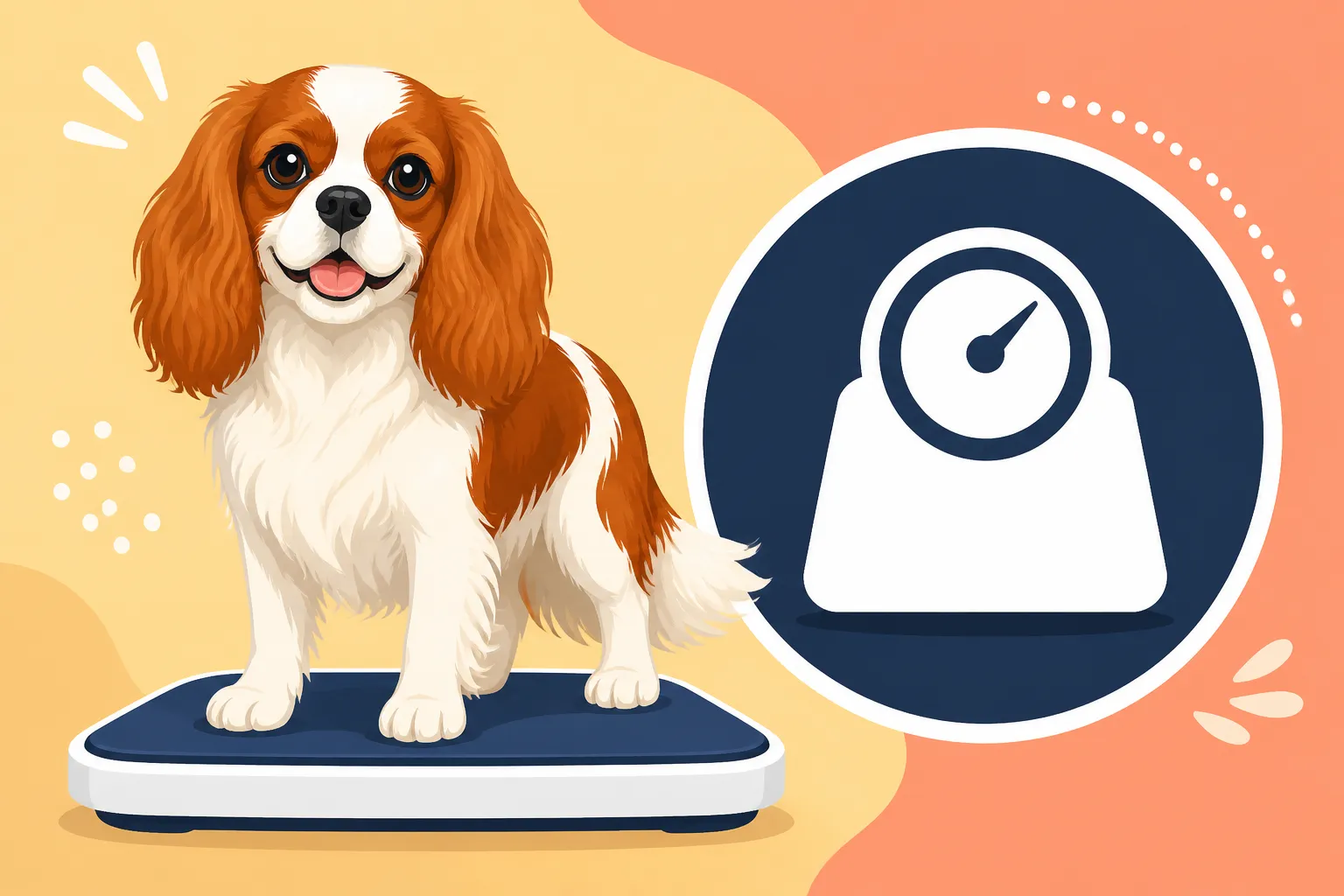
Both the American Kennel Club (AKC) and other international kennel clubs, like the UK's Kennel Club, provide a weight range for the Cavalier King Charles Spaniel. Generally, an adult Cavalier is expected to weigh between 13 and 18 pounds (approximately 5.9 to 8.2 kg). This range suggests a dog that is small and compact, yet sturdy enough to trot alongside you without being overly fragile.
This guideline helps ensure that Cavaliers maintain their characteristic "toy spaniel" appearance – not too dainty, but definitely not heavy-boned like a larger sporting spaniel. It's about proportion and overall balance. A Cavalier within this range should be agile, able to move freely, and not carry excess bulk that would hinder their playful nature. However, it's crucial to remember that this is a guideline. Just like people, individual Cavaliers can have variations based on their build, genetics, and even gender. A heavily muscled male Cavalier might naturally sit at the higher end, or even slightly over, without actually being overweight.
Why Some Cavaliers Fall Outside the Standard
It's not uncommon to encounter Cavaliers that are either a bit smaller or larger than the official 13-18 pound range. There are several reasons for this, and not all of them indicate a health problem. Sometimes, it simply comes down to genetics and individual build. Some Cavaliers naturally have a more delicate bone structure, leading them to comfortably weigh closer to 12 pounds, while others possess a sturdier frame that can push them towards 19 or 20 pounds, even if they're perfectly lean.
Beyond natural variations, factors like breeding choices can play a role. Reputable breeders strive to produce dogs that conform closely to the breed standard, but variations still occur. In some cases, less scrupulous breeding practices might lead to dogs that are significantly outside the standard range, either intentionally bred for a "mini" size (which isn't part of the standard) or unintentionally due to poor genetic selection. It’s important to distinguish between a naturally larger, lean Cavalier and one that is overweight. For more on this, you might find Cavaliers That Grow Past Eighteen Pounds a useful read. Remember, a dog that falls slightly outside the weight range but maintains an ideal body condition score (which we’ll discuss next) is generally much healthier than a dog within the range but carrying too much fat.
Assessing Your Cavalier's Ideal Body Condition
Simply stepping on a scale won't tell you the whole story about your Cavalier's health. Just like with humans, two dogs can weigh the exact same amount but have vastly different body compositions. One might be muscular and lean, while the other could be carrying excess fat. This is where understanding your Cavalier's body condition score (BCS) becomes incredibly important.
Beyond the Scale: The Body Condition Score (BCS)
The Body Condition Score (BCS) is a universally recognized system used by veterinarians to assess an animal's fat reserves and muscle mass. Instead of a number on a scale, it’s a hands-on and visual assessment. It helps you determine if your Cavalier is underweight, ideal, or overweight, regardless of the breed standard weight. Most systems use a 5-point scale (where 3 is ideal) or a 9-point scale (where 4-5 is ideal). Learning to perform a basic BCS check on your Cavalier is one of the most valuable things you can do for their long-term health.
Here’s how you can check your Cavalier's BCS at home:
- Feel the Ribs: Gently run your hands along your Cavalier's side, over their rib cage. You should be able to feel their ribs easily, like feeling the knuckles on your hand, with just a slight layer of fat covering them. If you can see the ribs distinctly without touching, they might be too thin. If you have to press hard to feel them, or can't feel them at all, they're likely overweight. Feeling a Cavalier's Ribs Under Feathering can sometimes be tricky due to their lovely long fur, but it's crucial to get your fingers past the fluff.
- Check the Waist: Look at your Cavalier from above. They should have a noticeable "waist" – an indentation behind the ribs before their hips. If they look like a straight line from ribs to tail, or bulge out, they are carrying too much weight.
- Observe the Abdominal Tuck: Look at your Cavalier from the side. Their abdomen (belly area) should tuck up slightly behind their rib cage, not hang low or be parallel to the ground. A good tuck indicates leanness.
Here’s a simplified guide to what you should be looking and feeling for:
| Feature | Too Thin (BCS 1-2/5 or 1-3/9) | Ideal (BCS 3/5 or 4-5/9) | Overweight (BCS 4-5/5 or 6-9/9) |
|---|---|---|---|
| Ribs | Easily visible, sharp to touch | Easily palpable, slight fat cover | Difficult to feel, requires pressure, thick fat cover |
| Waist (from above) | Extremely pronounced | Clearly visible tuck behind ribs | Little to no waist, broad or bulging |
| Abdominal Tuck (from side) | Very pronounced, often hollow abdomen | Slight tuck up behind rib cage | Flat or sagging abdomen, no tuck |
| Muscle Mass | Often reduced | Good, firm muscle definition | May be hidden by fat |
| Energy Level | May be lethargic or hyper due to malnourishment | Active, playful, appropriate for age | Often reduced, reluctant to play/exercise |
Visual Cues of a Healthy Weight
While the hands-on BCS is the most accurate, visual cues also play a significant role in assessing your Cavalier's weight, especially once you know what to look for. When your Cavalier is at an ideal weight, they should look well-proportioned and graceful, reflecting their noble heritage.
From above, a healthy Cavalier should have that distinct, gentle hourglass shape. Their body should narrow slightly behind the rib cage, just before the hips. This subtle curve shows that they don't have excessive fat stored around their middle. If they appear blocky, or their sides bulge out, it's a clear sign of extra pounds.
When viewed from the side, a healthy Cavalier will show a clean line from their chest to their hindquarters. Their belly should gently rise or "tuck up" behind their last rib, rather than hanging low or parallel to the ground. This abdominal tuck is a hallmark of good physical condition. If their belly sags or appears distended, it's a strong indicator of excess weight. Even with their lovely long feathering, you should still be able to discern these natural lines if you look closely. Don't be afraid to part the fur a little to get a better visual sense. Remember, a fit Cavalier is typically quite active and has an eagerness to play and explore – if you notice them tiring on walks or struggling with stairs, it could be a sign that extra weight is making things harder for their body.
Factors Influencing a Cavalier's Weight
Maintaining an ideal weight for your Cavalier isn't just about feeding them less; it's a complex interplay of various factors. Understanding these can help you manage their weight more effectively and proactively address potential issues.
Age and Activity Level
The stage of life your Cavalier is in significantly impacts their energy needs and, consequently, their weight. A rambunctious Cavalier puppy, for instance, is burning calories almost constantly with their boundless energy, growth spurts, and endless games. They need a diet that supports this rapid development. However, once they mature, typically around 10-12 months, their growth slows, and their calorie needs stabilize.
As your Cavalier moves into adulthood, their activity level becomes a key determinant. A Cavalier that enjoys regular walks, playtime, and perhaps even some light training will naturally burn more calories than one who spends most of their day napping on the sofa. If their activity level decreases (due to a change in your routine, weather, or simply becoming a senior), but their food intake remains the same, weight gain is almost inevitable. For our senior Cavaliers, activity often naturally slows down. They might be less inclined to chase a ball or go for long hikes. This natural decline in activity, coupled with potential underlying health issues like Pain Management for a Senior Cavalier or early arthritis, can quickly lead to weight gain if their diet isn't adjusted accordingly. It's a fine balance to strike between keeping them comfortable and ensuring they don't become overweight.
Diet and Calorie Intake
Let's be honest, Cavaliers are often highly food motivated. Those soulful eyes can melt even the strongest resolve, leading many owners to inadvertently overfeed them. This breed is notorious for gaining weight easily, which is why calorie intake is perhaps the single most critical factor in managing their weight.
The biggest culprit for unnoticed weight gain is often free-feeding, where a bowl of kibble is left out all day. While convenient, it allows your Cavalier to graze continuously, often consuming far more than they actually need. Measuring your Cavalier's food at each meal, rather than eyeballing it, is absolutely essential. Small breed kibble is often formulated with appropriate nutrient densities for Cavaliers, but even then, precise measurement is key. Small Breed Kibble Sizes for a Cavalier are not just for convenience; they are designed to suit their smaller mouths and stomachs, but portion control is still paramount.
And then there are treats. Those delightful morsels we offer for good behavior, training, or just because we love them can quickly add up. A few extra biscuits here, a piece of cheese there, a bite of your dinner… for a dog as small as a Cavalier, these seemingly tiny additions can represent a significant percentage of their daily calorie allowance. It’s also crucial to be aware of the sodium content in treats and human food, especially as Cavaliers are predisposed to heart disease. Whether Diet Slows a Cavalier's Heart Disease is a question many owners ponder, and while diet alone won't halt the progression, managing weight and sodium intake can certainly support heart health. You can find a wide variety of portion-controlled and healthy treats at retailers like Chewy, which makes it easier to track what your pup is consuming.
Health Conditions and Medications
Sometimes, even with careful diet and exercise, a Cavalier's weight can fluctuate due to underlying health issues or medications. It's frustrating when you're doing everything right, and the scale still isn't budging or is even creeping up.
One common condition that can lead to weight gain is hypothyroidism, a deficiency in thyroid hormones. Dogs with an underactive thyroid often experience a slowed metabolism, leading to weight gain despite no increase in food intake, along with other symptoms like lethargy and skin changes. If you suspect this, your vet can run a simple blood test.
Conversely, conditions like Mitral Valve Disease (MVD), which is very common in Cavaliers, can eventually lead to muscle wasting in the advanced stages, making a dog appear thin even if their body condition score indicates otherwise due to fluid retention. However, some medications used to manage MVD, particularly steroids for inflammation, can increase appetite, making weight management even more challenging. Pain Relief for a Cavalier With Syringomyelia might also involve medications that have appetite-stimulating side effects, and if pain reduces their willingness to exercise, that's another factor contributing to weight gain. It's a delicate balance, and open communication with your veterinarian is crucial to navigate these complexities. Always consult your vet if you notice sudden, unexplained weight changes or if you're struggling to maintain your Cavalier's ideal weight despite your best efforts.
Maintaining a Healthy Weight for Your Cavalier
Keeping your Cavalier at their ideal weight is one of the most proactive steps you can take for their overall health and longevity. It reduces strain on their joints, supports their heart, and helps them live a more energetic and comfortable life.
Portion Control and Smart Snacking
This is the cornerstone of weight management for any Cavalier. Because they are often so food-motivated and their small size means calories add up quickly, precise portion control is non-negotiable. Don't guess; use a measuring cup for kibble and a kitchen scale if you're really serious about accuracy. The feeding guidelines on dog food bags are just a starting point; always adjust based on your individual Cavalier's activity level and body condition. If they're gaining weight, gently reduce their portions; if they're too lean, you might slightly increase them, always in consultation with your vet. For a deeper dive, check out How Much to Feed an Adult Cavalier Daily.
When it comes to treats, think "quality over quantity" and "nutrient-dense, low-calorie." Avoid high-fat, sugary human snacks. Instead, offer small pieces of fresh vegetables like carrots, green beans, or cucumber as healthy alternatives. These provide crunch and satisfaction without a load of calories. Many pet supply stores, like Chewy, offer a great selection of Low-Calorie Treats for a Cavalier That Gains Easily designed specifically for weight management. Always factor treats into their daily caloric intake, reducing their meal portions slightly to compensate. This prevents the "hidden calories" that can derail even the most diligent efforts. If you're struggling to keep the bowl from being left down all day, read Why a Bowl Left Down Makes a Cavalier Fat.
Regular Exercise and Mental Stimulation
While diet controls input, exercise controls output. Even though Cavaliers are not high-energy dogs, regular, consistent exercise is vital for maintaining muscle mass, burning calories, and keeping their minds sharp. Daily walks, tailored to their age and health, are a must. For a healthy adult Cavalier, two shorter walks a day, or one longer sniffari, are usually sufficient. Keep an eye on how they're coping, especially as they get older or if they have heart issues. Walk Length for a Cavalier With a Murmur offers specific guidance on adjusting exercise for dogs with MVD.
Beyond physical activity, mental stimulation is equally important. A bored Cavalier can easily become a couch potato, or even worse, find solace in overeating. Puzzle toys that dispense kibble or treats slowly can turn mealtime into a fun, calorie-burning game. Training sessions, even short ones, engage their brains and build a stronger bond with you. Consider trying low-impact dog sports like Scent Work as a Low-Impact Cavalier Sport, which provides excellent mental engagement without putting excessive strain on their joints. These activities contribute significantly to overall well-being and help burn off excess energy that might otherwise lead to weight gain.
Regular Vet Check-ups
Your veterinarian is your most valuable partner in maintaining your Cavalier's healthy weight. Regular check-ups, ideally annually, allow your vet to monitor their weight and body condition professionally. During these visits, your vet will perform a thorough physical exam, listen to their heart (which is particularly important for Cavaliers prone to MVD), and discuss any changes in their appetite, activity level, or overall health. This annual visit is critical for tracking changes and catching any issues early, as detailed in The Yearly Checkup That Listens to a Cavalier's Heart.
If your Cavalier is struggling with their weight, your vet can help. They can rule out underlying medical conditions (like hypothyroidism), help you calculate an appropriate daily calorie intake based on your dog's specific needs, and even recommend prescription weight-loss diets if necessary. They can also advise on safe exercise routines, especially if your Cavalier has joint issues or early heart disease. Don't hesitate to bring up any weight concerns with your vet; they have the expertise to create a personalized plan. Leveraging services like Chewy's autoship for your dog's regular food can also help ensure you consistently receive the correct type and amount of food, preventing last-minute changes that might lead to overfeeding with alternative options.
Keeping your Cavalier at a healthy weight is truly a labor of love that pays off in their quality of life. It requires diligence, consistency, and a good understanding of their individual needs, but the joyful energy and extended companionship you get in return are more than worth it.
Disclaimer
This article is for general informational purposes only and does not constitute professional advice. Laws, prices and regulations vary by location and change over time. Consult a qualified professional for guidance on your specific situation.