Cavaliers That Grow Past Eighteen Pounds
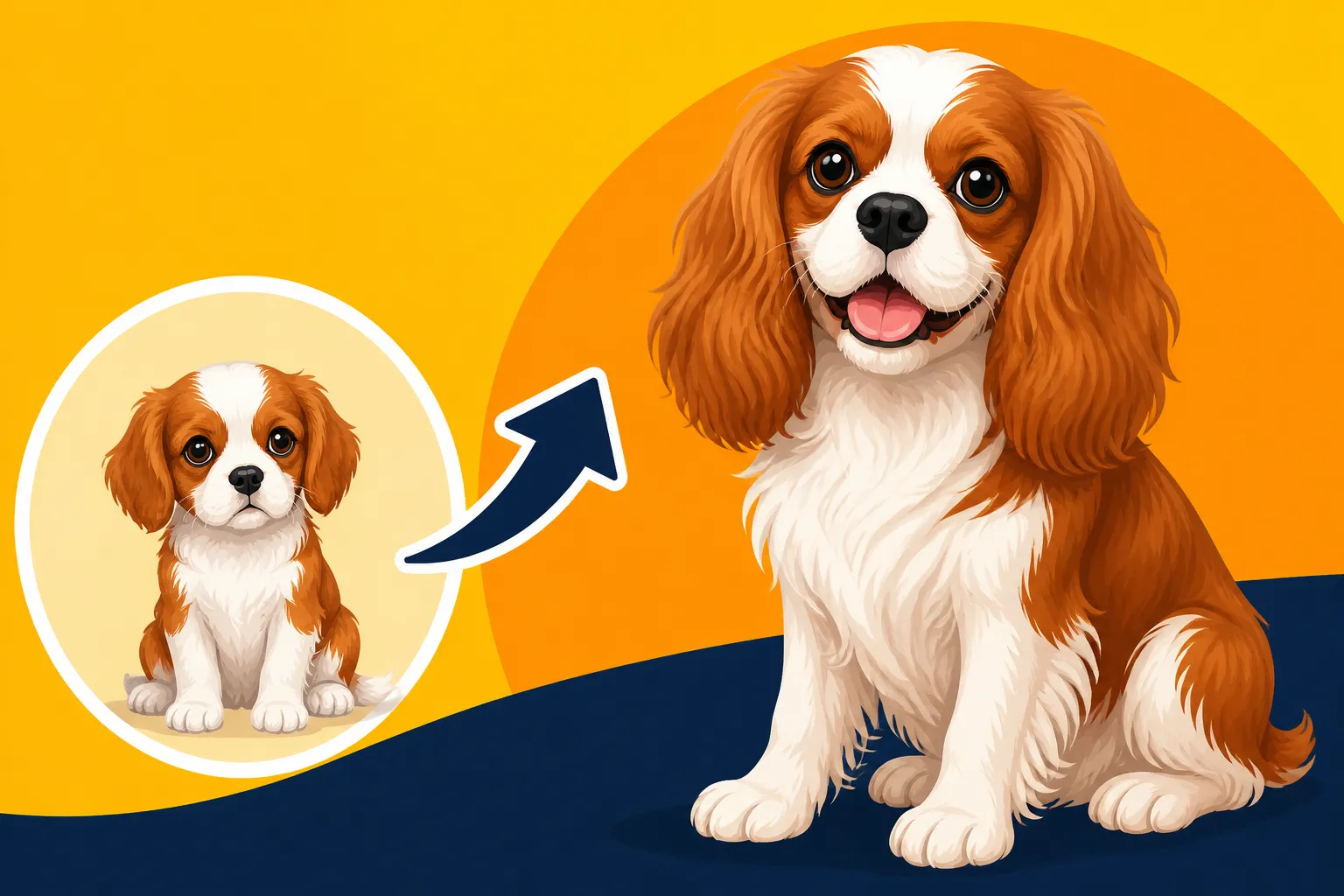
It can be quite a surprise when your adorable Cavalier King Charles Spaniel, who you expected to be a petite lap dog, starts to fill out well beyond the typical breed standard. This unexpected growth can leave many owners wondering if their furry friend is healthy, overweight, or just built a bit differently. This guide will help you understand why some Cavaliers grow past eighteen pounds and how to ensure your larger Cavalier lives a happy, healthy life.
Understanding the Cavalier Breed Standard for Weight
When you first bring home a Cavalier puppy, you often have a picture in your mind of their adult size, heavily influenced by the breed standard. It's natural to have expectations, but sometimes reality, or genetics, has other plans!
What the AKC Standard Says
The American Kennel Club (AKC) breed standard for the Cavalier King Charles Spaniel specifies an ideal weight range of 13 to 18 pounds. This guideline is what breeders often strive for and what judges look for in the show ring. It represents the breed's historical role as a companion dog, small enough to fit comfortably on a lap or be easily carried. For many potential owners, this weight range is a significant draw, promising a truly portable and dainty canine companion.
However, it's important to remember that breed standards are ideals, not absolute guarantees. A lot goes into achieving that ideal, from careful breeding choices to individual puppy development. While reputable breeders certainly aim for puppies that will mature within this range, biological variation means that some healthy, well-structured Cavaliers will naturally fall outside of it. The idea that every single Cavalier must fit precisely within those numbers can lead to unnecessary worry if your dog simply has a more robust build. It's also worth noting that the "toy breed" classification often sets an expectation of extreme smallness, but even within toy breeds, there's a healthy spectrum of size. You can delve deeper into what the breed standard entails by reading The AKC Standard for the Cavalier King Charles Spaniel.
Why Some Cavaliers Naturally Exceed the Standard
It's not always about overfeeding; sometimes, a Cavalier is just a bigger dog. Just like people, dogs have individual genetic blueprints that dictate their bone structure, muscle mass, and overall size. You might find that your Cavalier, despite being fed appropriately and getting regular exercise, simply has a heavier bone structure or a more substantial frame than the 18-pound maximum suggests. This can be due to a number of factors:
- Genetics: Even within well-established lines, there can be genetic variation. A puppy might inherit genes that lead to a slightly larger build from a grandparent or great-grandparent who also carried a bit more substance. Some champion lines, for example, might prioritize overall conformation and soundness over strictly adhering to the lower end of the weight spectrum, resulting in dogs that are perfectly proportioned but simply larger.
- Growth Spurts: Some Cavaliers might experience a more substantial growth spurt, particularly between 6 months and a year, surprising their owners with their final adult size. They might pass the 18-pound mark simply because they are taller or longer-bodied, distributing their weight differently.
- Sex Differences: Males often tend to be slightly larger and heavier-boned than females, though both sexes are still expected to fall within the 13-18 pound range. A particularly robust male might naturally push past the upper limit while remaining perfectly lean and healthy.
These Cavaliers aren't "badly bred" or necessarily "overweight." They are simply larger individuals of the breed. It's crucial for owners to understand this distinction so they can focus on their dog's overall health and body condition, rather than fixating solely on the number on the scale. For a detailed discussion of expected weight, see What an Adult Cavalier Should Weigh.
Distinguishing Between Healthy and Unhealthy Weight Gain
When your Cavalier is pushing past the 18-pound mark, the critical question isn't just about the number itself, but what that number means for their health. Is it a healthy, sturdy build, or is it excess fat? This distinction is paramount for their well-being.
How to Assess Your Cavalier's Body Condition
The scale gives you a number, but a physical assessment of your dog's body condition tells you the real story. This is far more important than a static weight figure. A fit, well-muscled Cavalier with a larger frame might easily weigh over 18 pounds, while a smaller-framed Cavalier could be severely overweight at 17 pounds.
Here’s how you can tell the difference:
- Rib Palpation: Gently run your hands along your Cavalier's sides. You should be able to feel their ribs easily, much like feeling the back of your hand. If you have to press firmly to feel them, or can't feel them at all, your Cavalier is carrying too much fat. Conversely, if you can see their ribs without pressing, they might be underweight. This is a foundational assessment you can do at home, and an excellent topic for further reading is Feeling a Cavalier's Ribs Under Feathering.
- Waistline: When you look down at your Cavalier from above, you should see a discernible "waist" where the body tucks in slightly behind the ribs. It shouldn't be a straight line from their chest to their hips, nor should it bulge outwards.
- Abdominal Tuck: When viewed from the side, your Cavalier's abdomen should tuck up slightly after their rib cage, rather than sagging or hanging low.
- Energy Levels and Mobility: A healthy Cavalier, regardless of their frame size, should be energetic, enjoy walks, and move easily. If your dog seems sluggish, struggles to jump, or is reluctant to play, it could be a sign that they are carrying excess weight.
Your veterinarian will perform a body condition score (BCS) during routine check-ups, which is a standardized way to assess your dog's fat reserves. Don't hesitate to ask them for guidance on how to accurately assess your Cavalier's BCS at home.
The Risks of Being Overweight, Regardless of Frame Size
While a naturally larger Cavalier can be perfectly healthy, carrying excess fat – being truly overweight – is a significant health risk, no matter their inherent frame size. The issues are compounded in Cavaliers due to their breed-specific health predispositions.
- Exacerbated Heart Disease: Cavaliers are notoriously prone to Mitral Valve Disease (MVD). Excess weight forces the heart to work harder, putting additional strain on an already vulnerable organ. This can accelerate the progression of MVD, leading to earlier onset of symptoms and potentially shortening their lifespan. Cavalier Weight Gain and What It Costs the Heart is a stark reminder of this danger.
- Joint Problems: Even a bit of extra fat puts undue stress on a Cavalier's joints. They are susceptible to conditions like luxating patellas (loose kneecaps) and hip dysplasia. More weight means more pressure, leading to faster cartilage wear, inflammation, and pain. This can lead to or worsen conditions like Early Arthritis in a Cavalier's Elbows or Cavalier Knees, Hips and Joint Problems.
- Breathing Difficulties: While Cavaliers have longer muzzles than some brachycephalic (flat-faced) breeds, significant weight gain can still make breathing more difficult, especially in warmer weather or during exercise.
- Diabetes and Pancreatitis: Overweight dogs are at a higher risk for developing insulin resistance and diabetes, as well as pancreatitis, a painful inflammation of the pancreas.
- Reduced Quality of Life: Simply put, an overweight Cavalier won't be as happy or comfortable. They'll have less stamina, struggle with daily activities, and might even be less inclined to interact, missing out on precious playtime and bonding moments.
This isn't about shaming; it's about providing the best possible life for our beloved companions. It's a challenging reality, but understanding these risks is the first step toward proactive care.
Managing a Larger Cavalier for Optimal Health
So, you have a Cavalier who naturally carries more weight than the breed standard. The good news is that with mindful care, a larger Cavalier can still be incredibly healthy and robust. The key is proactive management focusing on diet, exercise, and regular veterinary oversight.
Tailoring Diet and Exercise for a Sturdier Build
Even if your Cavalier is just a bigger dog and not technically overweight, their dietary and exercise needs will differ from a petite, 13-pound counterpart. It's not a one-size-fits-all approach.
- Precise Portion Control: This is perhaps the single most important factor. Instead of scooping, weigh your Cavalier's food with a kitchen scale. Packaging guidelines are just that—guidelines—and often overestimate the calories needed, especially for less active dogs. A larger-framed Cavalier might need more total food than a smaller one, but it still needs to be carefully calibrated to their actual energy expenditure. Consider purchasing food that is specifically formulated for small or medium breeds, and look for brands that offer precise nutritional breakdowns. Many reputable online retailers, such as Chewy, provide detailed calorie information and ingredients lists to help you make informed decisions. You can learn more about daily feeding guidelines in How Much to Feed an Adult Cavalier Daily.
- Quality Over Quantity: Choose a high-quality dog food with appropriate protein, fat, and carbohydrate ratios. Avoid foods with excessive fillers or unhealthy additives. If your Cavalier is prone to weight gain, your vet might recommend a specific "light" or "weight management" formula. Be mindful of treats, too! They add up quickly. Opt for low-calorie options or use small pieces of healthy vegetables like carrots or green beans.
- Consistent, Appropriate Exercise: A larger Cavalier might have more stamina, but their joints still need protection. Daily walks are essential, aiming for at least two walks a day, each lasting 20-30 minutes, or longer if your dog enjoys it and is fit. Incorporate playtime, like fetch in the yard, but be mindful of high-impact activities, especially if there's any history of joint issues. Swimming can be a fantastic low-impact exercise for all Cavaliers, including larger ones. Remember to always match the intensity and duration of exercise to your individual dog's fitness level and health status, especially if they have underlying conditions like Mitral Valve Disease in the Cavalier King Charles Spaniel.
- Mindful Snacking: It's so easy to give in to those pleading Cavalier eyes! But even small scraps from the table or extra treats can quickly add up for a dog that's already on the larger side. Consider the total daily calorie intake for your Cavalier, including all treats and chews.
Regular Vet Check-ups and Monitoring
Even if your larger Cavalier appears perfectly healthy, consistent veterinary oversight is non-negotiable. These routine visits are your best line of defense against potential health issues and are crucial for ensuring their continued well-being.
- Annual Wellness Exams: Your vet will not only give your Cavalier a thorough physical examination but also perform a body condition score. This objective assessment from a professional is invaluable. They can also listen to their heart, check their joints, and address any other concerns. The Yearly Checkup That Listens to a Cavalier's Heart is a critical part of preventive care.
- Discussion of Weight and Diet: Be open with your vet about your Cavalier's weight and diet. They can help you determine if your dog's larger size is simply a healthy build or if there's indeed some excess fat that needs to be shed. They can also provide guidance on appropriate calorie intake and recommend specific diets if necessary. Don't be afraid to ask for specific advice on What a Cavalier Eats in a Month.
- Early Detection of Issues: For a larger Cavalier, particular attention might be paid to joint health and cardiac function during examinations. Catching any issues early can make a significant difference in management and outcome. For instance, if your vet detects a heart murmur, further diagnostics might be recommended.
- Preventative Care: Vaccinations, parasite control, and dental care are all part of keeping a larger Cavalier healthy. Dental disease, for example, can contribute to systemic inflammation and impact overall health, regardless of size.
By partnering closely with your veterinarian, you can ensure that your larger Cavalier receives personalized care that addresses their unique needs, keeping them vibrant and happy for years to come.
Common Concerns and Misconceptions about Larger Cavaliers
It's natural to have questions and even anxieties when your Cavalier doesn't fit the stereotypical mold. Let's address some of those common worries and clarify a few misconceptions.
Is a Larger Cavalier Less Healthy?
This is perhaps the biggest misconception: that any Cavalier over the 18-pound standard is automatically unhealthy or a result of poor breeding. This simply isn't true. While being overweight (carrying too much fat) is detrimental to any dog's health, a Cavalier with a naturally larger, sturdy frame can be just as healthy, if not healthier, than a smaller, less robust one.
The true indicator of health isn't just weight, but the overall genetic health, care, and body condition of the individual dog. A larger Cavalier from a responsible breeder who performs all recommended health testing (for hearts, eyes, patellas, and DNA for conditions like Episodic Falling) is likely to be far healthier than a smaller Cavalier from a puppy mill where health clearances are ignored. Focus on factors like:
- Responsible Breeding: Did your breeder perform proper health screenings on the parents? Were they transparent about the lineage and any potential health concerns? This is paramount, regardless of expected adult size. A good starting point for understanding this is Buying a Cavalier From a Health-Testing Breeder.
- Body Condition: As discussed, can you feel their ribs? Do they have a waist? Are they energetic? These are far more important questions than "Are they over 18 pounds?"
- Overall Well-being: A happy, active Cavalier with a good appetite and bright eyes is likely a healthy Cavalier, regardless of whether they tip the scales at 16 pounds or 22 pounds.
It's about celebrating the individual dog you have, rather than trying to fit them into a rigid numerical box. A slightly larger Cavalier isn't inherently "broken" or "inferior"; they're simply a unique expression of the breed.
Fitting Into a "Toy Breed" World
Having a Cavalier that grows past eighteen pounds can sometimes present practical challenges or shift perceptions, especially when you're used to the "toy breed" label.
- Travel Considerations: One of the main appeals of a small dog is the ease of travel. A 13-pound Cavalier might easily fit under an airline seat in a carrier. However, a Cavalier closer to 20 or 25 pounds might exceed airline weight and size limits for cabin travel, meaning they would have to travel as cargo, which many owners are understandably reluctant to do. This is a very real concern for many, and you can learn more about airline regulations in Whether a Cavalier Fits an Airline Cabin Carrier. Always check specific airline policies well in advance of any travel plans.
- Accessories and Gear: While many items are marketed for "small dogs," your larger Cavalier might quickly outgrow a size small harness or need a more robust bed. You might find yourself shopping in the "medium" dog section for collars, harnesses, and even toys. Thankfully, popular pet retailers like Chewy offer a wide range of sizes and products, ensuring you can find suitable gear for your sturdy companion. Always prioritize comfort and safety, opting for harnesses over collars to protect their delicate neck and trachea.
- Public Perception: People accustomed to seeing dainty Cavaliers might comment on your dog's size. It's easy to internalize these comments and worry. Remember, your dog's happiness and health are what truly matter, not arbitrary opinions or breed standard maximums that don't account for natural variation.
- Still a Lap Dog: Despite their larger size, a Cavalier's innate desire for companionship and affection typically remains unchanged. Your bigger Cavalier will still be a devoted shadow, seeking out laps, snuggles, and being near you every chance they get. They might just take up a little more of the sofa!
Ultimately, a larger Cavalier still embodies all the wonderful traits of the breed: their sweet nature, boundless affection, and charming personality. Adjusting expectations and making practical accommodations will ensure your big-boned buddy thrives.
Here's a quick comparison of different Cavalier body types:
| Characteristic | Ideal Standard Weight Cavalier (13-18 lbs) | Healthy Larger Cavalier (18+ lbs) | Overweight Cavalier (Any weight, excess fat) |
|---|---|---|---|
| Ribs | Easily felt without pressing | Easily felt without pressing, might feel more substantial | Difficult to feel, require firm pressure, or not felt at all |
| Waistline (from above) | Clearly visible tuck behind ribs | Visible tuck, but perhaps less dramatic | Little to no waist, straight or bulging sides |
| Abdominal Tuck (from side) | Distinct tuck up from rib cage | Slight tuck up, not sagging | Flat or sagging abdomen |
| Energy Level | Active, playful, good stamina | Active, playful, good stamina, might have more endurance | Lethargic, tires easily, less enthusiastic for play |
| Overall Build | Lean, graceful, refined | Sturdy, well-muscled, robust bone structure | Rounded, flabby, lacks muscle definition |
| Health Risks | Standard breed risks | Standard breed risks (not increased by size alone) | Increased risk for heart, joint, diabetes, breathing issues |
Disclaimer
This article is for general informational purposes only and does not constitute professional advice. Laws, prices and regulations vary by location and change over time. Consult a qualified professional for guidance on your specific situation.