Whether a Cavalier Suits a Working Owner
As a working owner, the dream of coming home to a soft, loving Cavalier King Charles Spaniel is incredibly appealing, but the reality of leaving them alone for long stretches can quickly turn that dream into a stressful dilemma. Many potential Cavalier parents struggle with the guilt and uncertainty of whether their busy schedule can truly accommodate such a devoted breed without causing distress. This guide is here to walk you through the unique temperament of Cavaliers, the practical considerations of integrating one into a working lifestyle, and the honest strategies you'll need to employ to ensure both you and your furry family member thrive.
Understanding the Cavalier Temperament: The Velcro Dog Phenomenon
If you've ever spent time around a Cavalier King Charles Spaniel, you'll quickly understand why they've earned the affectionate nickname "Velcro dogs." These charming little spaniels were quite literally bred for companionship, spending centuries warming laps in royal courts and keeping noblemen and women company. This deep-seated instinct means they are inherently predisposed to desire constant human presence, and it's a trait that defines much of their behavior and well-being.
The Cavalier's Innate Need for Companionship
Their history isn't just a fun fact; it's crucial to understanding their needs today. Cavaliers weren't bred to hunt, guard, or perform complex tasks independently. Their job was, and largely still is, to be a devoted friend. This translates into a strong attachment to their human family members, often manifesting as following you from room to room, settling at your feet the moment you sit down, or patiently waiting by the door if you step outside. It's a truly heartwarming aspect of the breed, a constant reminder of their affection. However, for a working owner, this incredible bond presents a significant challenge. When their primary purpose is companionship, prolonged periods of solitude can feel unnatural and even distressing to them. They thrive on interaction, gentle reassurance, and simply being near their people. It's not just a preference; it's a core part of their psychological makeup.
How Cavalier Affection Manifests
A Cavalier's affection isn't subtle, and that's one of their most endearing qualities. You'll find them nudging their head under your hand for a stroke, leaning into you on the sofa, or even trying to burrow under the covers with you at night. They're masters of the soulful gaze, often looking up at you with eyes that convey deep devotion. When you return home, expect an explosion of joy – full-body wiggles, happy yelps, and attempts to shower you with kisses. This enthusiasm is genuine and born from their intense loyalty and love. They bond deeply with every member of their household, creating an atmosphere of warmth and connection. This strong bond means that they truly miss you when you're gone, and that absence can weigh heavily on them, unlike some more independent breeds who might simply nap through your workday without a second thought. Their happiness is often directly tied to your presence and interaction.
The Reality of Separation Anxiety in Cavaliers
Given their intense need for companionship, it's perhaps no surprise that Cavaliers are particularly prone to developing separation anxiety. This isn't just a dog being "naughty" or "stubborn"; it's a genuine panic response to being left alone. For a Cavalier, being separated from their human often feels like being abandoned, triggering a flight-or-fight response that can manifest in various ways. You might come home to chewed furniture, scratched doors, incessant barking or howling complaints from neighbors, or even house-soiling accidents from a perfectly trained dog. Some Cavaliers will pant, pace, and refuse to eat or drink while alone, only to crash from exhaustion when their people return. It’s truly heartbreaking to witness and even more so when you realize your dog is genuinely suffering. It’s not a given that every Cavalier will develop severe separation anxiety, but the risk is considerably higher with this breed, especially if they are left alone for extended periods from a young age without proper conditioning or support. This isn't a problem that can be ignored or simply "trained out" with harsh methods; it requires understanding, patience, and often a multi-faceted approach. Living With a Cavalier That Panics When Alone delves deeper into these challenges.
The Practicalities of a Working Schedule and a Cavalier
Balancing a career with the deep emotional needs of a Cavalier requires a frank assessment of your daily life. It’s not just about fitting them into your schedule; it’s about ensuring their well-being isn't compromised by your absence. This means looking beyond the superficial "cute puppy" stage and envisioning what life will truly be like for your Cavalier when you're at the office.
How Long a Cavalier Can Realistically Be Left Alone
This is perhaps the most crucial question for any working owner considering a Cavalier. While there’s no hard and fast rule that applies to every single dog, general consensus among Cavalier enthusiasts and behaviorists is that these dogs should not be left alone for more than 4-6 hours at an absolute maximum on a regular basis. Even that can be a stretch for some. For a puppy, this duration is significantly shorter – perhaps 1-2 hours at most, gradually increasing as they mature and are properly crate-trained and house-trained. An adult Cavalier truly thrives when their alone time is broken up, perhaps with a midday visit from a family member or a professional dog walker.
Think about it from their perspective: they wake up, have a quick morning routine with you, and then you vanish for eight, nine, or even ten hours. That's a huge chunk of their day spent in solitude, often battling boredom, loneliness, or even anxiety. This isn't conducive to a happy, well-adjusted Cavalier. While some individual Cavaliers may tolerate slightly longer periods, pushing these limits consistently often leads to the behavioral issues mentioned earlier, or simply a deeply unhappy dog quietly enduring their days. Setting realistic expectations for alone time is the first step in responsible Cavalier ownership for a working person.
The Impact of Your Work Schedule on Your Cavalier's Day
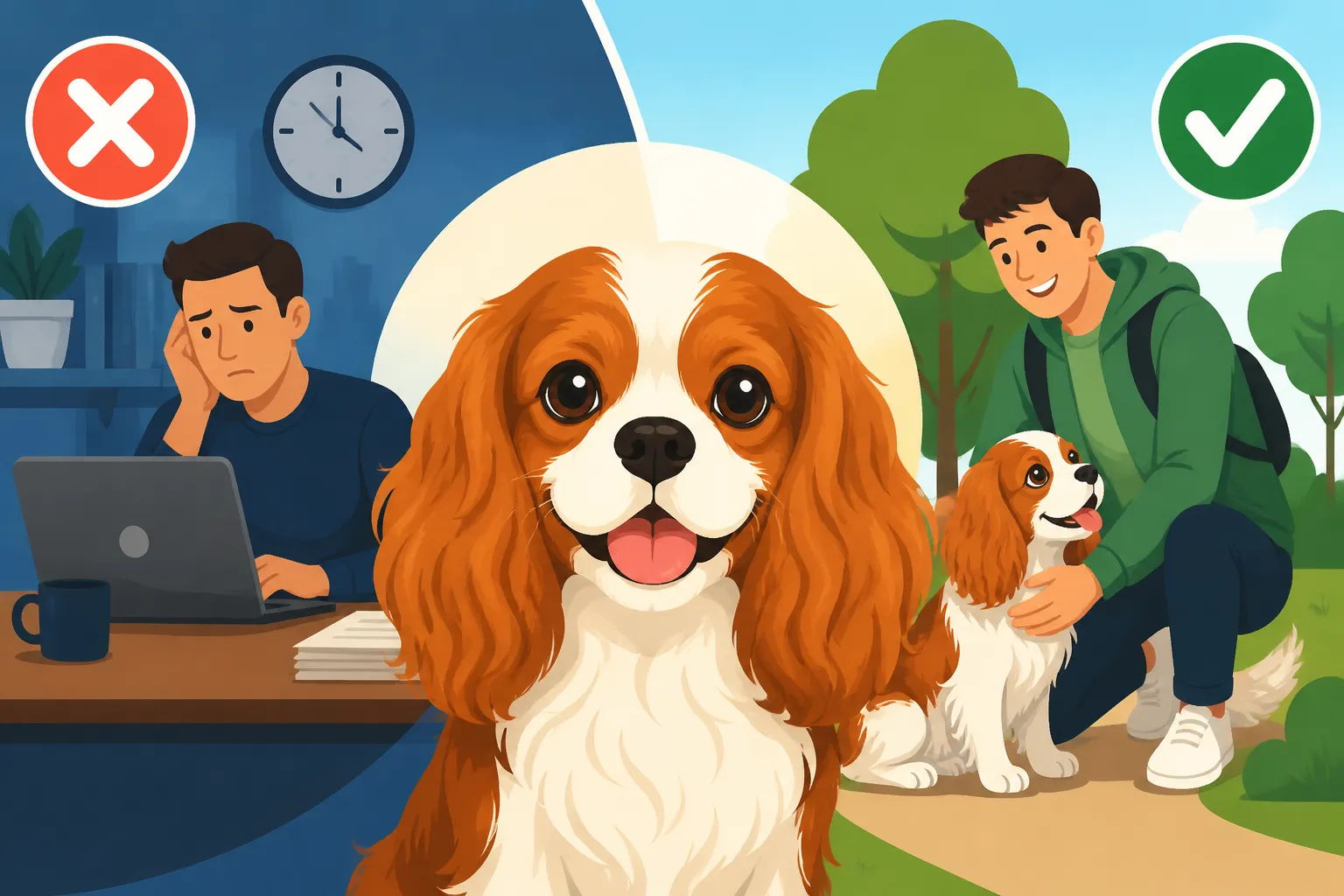
Your specific work schedule plays a monumental role in whether a Cavalier is a good fit. Are you working a standard 9-to-5, or do you have a flexible schedule with options for working from home some days? Do you have a long commute that adds an extra hour or two to your time away? A full-time, out-of-the-house job without any provisions for midday breaks will be incredibly challenging for a Cavalier. This isn't to say it's impossible, but it means you must factor in additional support systems from day one.
Consider the rhythm of your day: when will they be fed? When will they have their potty breaks? What about exercise and mental stimulation? A Cavalier needs more than just physical relief; they need engagement. If their entire day is structured around waiting for you, their world becomes very small and predictable in an unstimulating way. On the other hand, if you work part-time, have flexible hours, or can arrange for regular midday check-ins or a dog walker, the picture changes dramatically. The goal is to minimize continuous solitary periods and maximize enriching interaction when you are home. Hours a Cavalier Can Cope With Alone provides more insight into this delicate balance.
Recognizing Signs of Distress When You're Away
It's easy to assume your dog is "fine" because they greet you happily when you return, but often, the distress happens when you're gone. Modern technology offers some fantastic ways to get a real look at your Cavalier's behavior while you're away. Setting up a pet camera (many options are readily available on sites like Chewy) can be incredibly illuminating. You might be surprised to see pacing, incessant barking, howling, destructive chewing of objects they usually ignore, or attempts to escape their crate or pen. Some dogs will simply lie by the door, completely still, for hours, which, while not destructive, indicates a quiet despair rather than restful contentment.
Other, more subtle signs can include loss of appetite during your absence, excessive drooling, or an inability to settle. If your Cavalier is house-trained but starts having accidents indoors only when you're out, that's a huge red flag. Excessive panting, even when the temperature is comfortable, can also be a sign of anxiety. Recognizing these signs early is critical because prolonged distress can have long-term impacts on a dog's overall health and happiness, potentially leading to more severe behavioral issues that are harder to resolve. Filming a Cavalier While You Are Out offers practical advice on observing these behaviors.
Strategies for Successfully Integrating a Cavalier into a Working Lifestyle
The good news is that being a working owner doesn't automatically disqualify you from welcoming a Cavalier into your home. It simply means you need to be proactive, committed, and willing to implement specific strategies to meet their needs. This isn't a "set it and forget it" kind of breed; they require thoughtful planning and consistent effort.
Building Alone Time Tolerance Gradually
This is perhaps the most crucial strategy and one that should begin the moment your Cavalier puppy or adopted adult dog arrives. Don't leave them alone for hours right away. Start small, very small. Leave the room for 30 seconds, then return. Gradually increase this to a minute, five minutes, ten minutes, and so on. The key is to return before they show signs of distress. You want them to learn that you always come back, and that being alone for short periods is safe and not something to panic about.
Practice "fake departures" where you grab your keys, put on your shoes, and then sit back down. This helps desensitize them to your leaving cues. Provide a high-value chew toy or a puzzle feeder (you can find a fantastic range of these on Chewy) right before you leave, something that will keep them engaged for a few minutes. Avoid making a big fuss when you leave or return; this only heightens the emotional charge around your departures and arrivals. The goal is to make alone time a normal, non-eventful part of their day, slowly building their confidence in your return. Building From Thirty Seconds With a Cavalier provides a detailed guide to this process.
Enlisting Outside Help
For most working owners, external help is not a luxury; it's a necessity.
- Professional Dog Walkers: A reliable dog walker can be a lifesaver. They can come to your home mid-day to let your Cavalier out for a potty break, offer a much-needed walk, and provide some human interaction and mental stimulation. This breaks up the long stretches of solitude, reducing boredom and helping prevent accidents. Look for walkers experienced with small breeds and those who use positive reinforcement methods. Many services offer apps to track walks and even send photo updates, giving you peace of mind.
- Doggy Daycare: For Cavaliers who are social and enjoy the company of other dogs, doggy daycare can be an excellent option a few times a week. It provides supervised play, mental engagement, and prevents them from being home alone for the entire workday. Ensure the daycare has separate play areas for smaller breeds, a good staff-to-dog ratio, and clear vaccination and health requirements. Not all Cavaliers will thrive in a busy daycare environment, especially if they are timid, so a trial period is always recommended.
- Friends, Family, or Trusted Neighbors: If you have a trusted network, asking a friend or neighbor to pop in for a quick visit can also be a great solution. Even 15-20 minutes of playtime, a potty break, and some affection can make a huge difference in your Cavalier's day.
Remember to factor the cost of these services into your overall budget, as they are often ongoing expenses necessary for your Cavalier's well-being.
Enriching the Cavalier's Environment While You're Gone
While no amount of toys can replace human companionship, providing a stimulating environment can certainly help alleviate boredom and reduce destructive behaviors.
- Puzzle Toys and Food Dispensers: These are fantastic for mental stimulation. Fill them with a portion of your Cavalier's daily kibble or some healthy treats. They have to work to get the food out, which engages their brain and makes mealtime last longer. Chewy offers a wide variety of these, from beginner-friendly snuffle mats to more advanced interactive toys.
- Long-Lasting Chews: Safe, appropriate chews can keep a Cavalier occupied for a good stretch of time. Always choose chews that are safe for your dog's size and chewing style to prevent choking hazards or dental damage.
- Background Noise: Some Cavaliers benefit from having a radio or TV left on (at a low volume) to create background noise, which can mask outside sounds that might trigger barking and make the house feel less empty. Classical music or talk radio can be particularly soothing.
- Safe Space: Ensure your Cavalier has a comfortable, safe space where they feel secure while you're gone. This might be a crate (if properly introduced and never used for punishment), a dog-proofed room, or a playpen with their bed, water, and toys. This consistency helps them feel secure and reduces anxiety.
Considering Alternatives and Contingencies for Working Owners
Sometimes, despite all the best intentions and strategies, a Cavalier's needs might simply not align with a demanding work schedule. It’s vital to be honest with yourself about this before bringing a dog into your life, or to be prepared to make significant adjustments if you already have one struggling.
The Role of a Second Pet
Many people wonder if getting a second dog will solve the problem of a lonely Cavalier. In some cases, having another canine companion can indeed provide significant comfort and companionship, easing separation anxiety. They can play together, nap together, and generally keep each other company, making the hours alone feel less daunting. This is particularly true if the two dogs bond well and enjoy each other's presence.
However, a second dog is not a guaranteed fix and comes with its own set of responsibilities. You're now caring for two dogs, which means double the food, vet bills, and potential training needs. If your first Cavalier has severe anxiety, they might still be anxious, and now you have two anxious dogs, or the anxiety might even transfer to the new dog. Furthermore, not all dogs get along, and introducing a second dog requires careful planning and observation to ensure a harmonious household. It's a strategy to consider, but only after careful thought about the dynamics and your capacity to care for two pets. Whether Another Dog Fills the Gap for a Cavalier explores this topic further.
Re-evaluating Your Schedule or Career
This might sound extreme, but for some deeply devoted Cavalier owners, or those facing severe behavioral issues due to alone time, re-evaluating their work-life balance becomes a necessary consideration. Could you negotiate more flexible hours, allowing you to work from home a few days a week? Is a shorter commute possible by moving closer to work? Could you transition to a role that offers more remote work opportunities?
These are big life choices, of course, and not feasible for everyone. But it highlights the depth of commitment these sensitive dogs require. Sometimes, the love for your Cavalier is so profound that these changes become genuine options. It’s about understanding that a Cavalier isn’t just a pet; they are a cherished family member whose emotional well-being relies heavily on your presence and engagement. This breed truly thrives when their human is readily available, and acknowledging that might mean shifting your priorities.
The Commitment Required for a Cavalier
Owning a Cavalier King Charles Spaniel is a profound privilege, but it comes with a significant commitment, especially for working owners. It means understanding that their sweet, eager-to-please nature is coupled with a deep need for connection. It means being prepared for potential challenges like separation anxiety, and approaching them with empathy and patience rather than frustration. This commitment extends beyond providing food and shelter; it's about nurturing their emotional health.
It means dedicating your evenings and weekends to quality time, engaging walks, training, and cuddles. It means being proactive about their mental and physical stimulation, even after a long day at work. It means budgeting for dog walkers, daycare, or pet sitters as integral parts of their care, not just optional extras. And perhaps most importantly, it means accepting that sometimes, despite all your efforts, you might need to seek professional help from a veterinary behaviorist or certified dog trainer to address deeply ingrained anxiety. This isn't a breed for someone who wants an independent dog that can entertain itself for hours on end; it's a breed for someone ready to give as much love and companionship as they receive.
Preparing Your Home and Heart for a Working-Owner Cavalier
Bringing a Cavalier into your home, especially as a working owner, requires more than just enthusiasm; it demands thoughtful preparation. Creating an environment that fosters security and minimizes stress during your absence is key to a happy, well-adjusted Cavalier.
Essential Supplies for an Independent Cavalier
Before your Cavalier even sets a paw in your home, ensure you have the right tools to set them up for success.
- Comfortable Crate or Playpen: A crate, when introduced correctly as a safe den and never a punishment, can be an invaluable tool for house-training and managing alone time. Choose one that's appropriately sized, allowing them to stand, turn around, and lie down comfortably. A playpen offers more space while still containing them safely in a dog-proofed area. You'll find a wide selection of durable, comfortable crates and pens on Chewy, often with reviews that can help you choose the best fit for a Cavalier's size.
- Cozy Bedding: Inside their crate or playpen, provide soft, comfortable bedding. This makes their safe space even more inviting and helps them relax.
- Interactive Toys and Chews: As discussed, a variety of puzzle toys, treat-dispensing toys, and safe, long-lasting chews are crucial for keeping them mentally stimulated and occupied during your absence. Rotate these regularly to keep them interesting.
- Water Bowl: Ensure a fresh supply of water is always available in a non-tippable bowl. For long-haired breeds like Cavaliers, a snood can be a great addition to keep their ears out of the water! Snoods That Keep Cavalier Ears Out of Dinner details this useful accessory.
- Pet Camera: This is a non-negotiable for working owners. It provides invaluable insight into how your Cavalier is truly coping while alone, allowing you to adjust your strategies as needed.
Training Fundamentals for Confidence
Basic obedience training is foundational for any dog, but for a Cavalier, it also plays a crucial role in building their confidence and strengthening your bond.
- Crate Training: This is paramount for managing alone time. The goal is for your Cavalier to view their crate as a safe, comfortable retreat, not a prison. Introduce it gradually with positive reinforcement, feeding meals inside, and making it a place of comfort with toys and soft bedding. Never force them into it or use it as punishment.
- "Stay" and "Settle" Cues: Teaching your Cavalier to "stay" for increasing durations and to "settle" on their mat or bed can be incredibly helpful. This encourages independent relaxation and self-control, vital skills for coping with solitude. Teaching a Cavalier to Lie on a Mat Nearby can offer more guidance.
- Positive Reinforcement: Cavaliers are highly sensitive and respond best to positive reinforcement. Harsh corrections or punishment can easily break their spirit and damage their trust in you, exacerbating anxiety. Focus on rewarding desired behaviors with treats, praise, and gentle affection. Reward-Based Training With a Cavalier is essential for this breed.
The Importance of a Routine
Dogs thrive on predictability, and Cavaliers, especially, benefit from a consistent daily routine. This is particularly important for working owners who need to maximize structure around their absences.
- Consistent Schedule: Establish a predictable schedule for feeding, potty breaks, walks, playtime, and alone time. Even on weekends, try to stick to a similar rhythm. This helps your Cavalier understand when to expect you, when they'll go outside, and when they'll have active engagement.
- Morning Routine: Make your morning routine calm and consistent. A good walk or play session before you leave can help tire them out mentally and physically, making them more likely to rest while you're gone. Ensure they have a potty break right before you depart.
- Evening Wind-Down: Your return home should signal a period of interaction, a walk, dinner, and then a gradual wind-down before bedtime. This consistent cycle helps manage their energy and expectations.
- Weekend Consistency: While you'll naturally spend more time with your Cavalier on weekends, try not to deviate too drastically from the weekday schedule. Maintaining some level of consistency helps prevent "Monday morning blues" where the shift back to solitude feels even more jarring after two days of constant companionship. A well-established routine provides a sense of security and reduces uncertainty, which is a common trigger for anxiety in many dogs.
| Strategy Type | Description | Pros | Cons |
|---|---|---|---|
| Gradual Alone Time | Slowly increasing periods of solitude, starting with seconds, building to hours. | Builds confidence, reduces panic, teaches self-soothing. | Requires significant time and patience, not a quick fix for existing severe anxiety. |
| Dog Walker | Professional or trusted person visits midday for potty break, walk, and interaction. | Breaks up alone time, provides exercise and mental stimulation, human contact. | Ongoing cost, trust in handler, finding availability. |
| Doggy Daycare | Supervised care with other dogs for part or all of the workday. | Socialization, constant stimulation, prevents boredom. | Ongoing cost, potential for illness/injury, not suitable for all temperaments, overstimulation possible. |
| Puzzle Toys/Chews | Providing engaging toys and safe chews to occupy your Cavalier while alone. | Mental stimulation, reduces boredom, diverts destructive chewing. | Not a substitute for human interaction, may not hold attention for very long periods, ongoing cost for new items. |
| Second Pet | Bringing another dog into the household for companionship. | Provides consistent companionship, can reduce loneliness. | Double the responsibility and cost, not guaranteed to alleviate anxiety, dogs might not bond. |
| Flexible Work | Adjusting your work schedule (e.g., work from home, shorter days, split shifts). | Most effective for meeting Cavalier's core needs, maximizes human presence. | May not be feasible for all careers/jobs, potential impact on income or career progression. |
Disclaimer
This article is for general informational purposes only and does not constitute professional advice. Laws, prices and regulations vary by location and change over time. Consult a qualified professional for guidance on your specific situation.