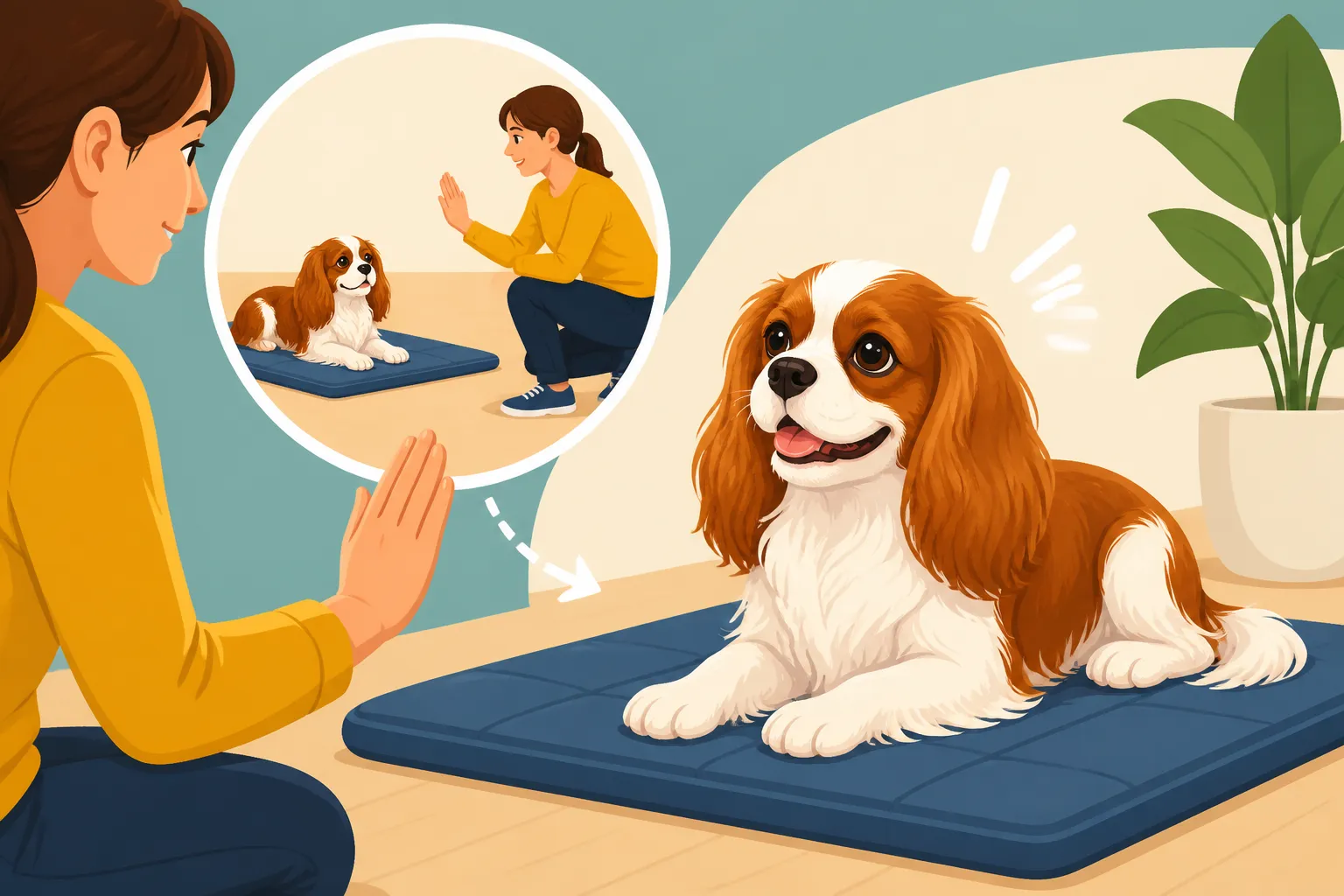
Teaching a Cavalier to Lie on a Mat Nearby
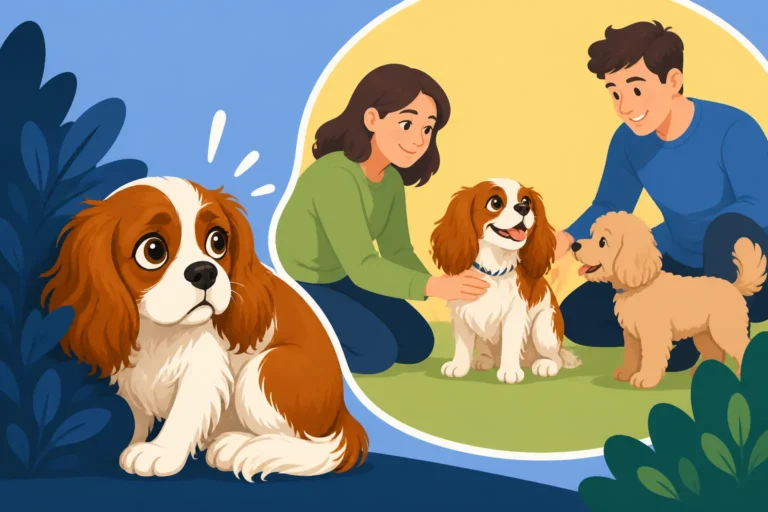
Let's be real, if you share your home with a Cavalier King Charles Spaniel, you know that personal space can sometimes feel like a foreign concept. These sweet, affectionate little dogs are renowned for being "Velcro dogs," sticking to your side through thick and thin, even following you to the bathroom. While this devotion is one of their most charming qualities, there are moments when you might wish they had a designated spot to chill, just a few feet away, without feeling completely abandoned. This guide is all about teaching your Cavalier the "place" or "mat" command, offering them a secure, comfortable spot to relax nearby, giving both of you a little more breathing room while reinforcing their sense of belonging.
Understanding Your Cavalier's Need for Closeness
Cavaliers are beautiful, gentle souls, and their profound attachment to their humans is a hallmark of the breed. It's not a flaw; it's exactly what they were bred for! But sometimes, this intense bond can manifest as a constant shadow, which isn't always practical or safe, especially when you're busy in the kitchen or have guests.
The "Velcro Dog" Phenomenon
If you've ever tripped over your Cavalier while carrying a basket of laundry or found yourself unable to stir a pot on the stove without a furry audience at your feet, you're not alone. Cavaliers earned the nickname "Velcro dogs" for a reason. They thrive on companionship and physical proximity. Historically, they were bred to be lap warmers and confidantes to royalty, and that desire to be intimately connected to their people is deeply ingrained in their DNA. They love to be involved in whatever you're doing, and if that means hovering right on top of you, then so be it!
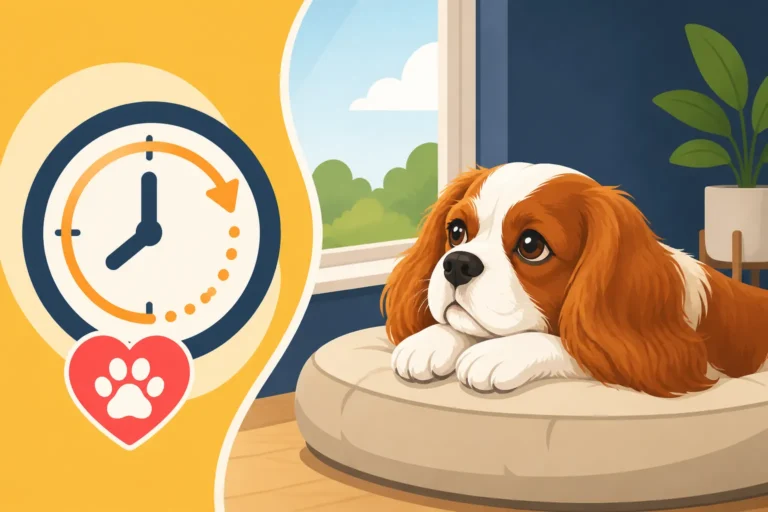
This isn't them being naughty or manipulative; it's simply their nature. They adore being close, feeling secure, and knowing where you are at all times. For many owners, this is part of the breed's irresistible charm. However, it can also lead to issues like mild separation anxiety when you do eventually leave them alone, even for short periods. Teaching a "place" command helps manage this natural inclination by giving them a defined area that is theirs within your immediate vicinity, rather than simply letting them roam and attach themselves wherever you land. If you've ever wondered Why Cavaliers Are Called Velcro Dogs, it's all about this deep-seated need for connection.
Why a "Place" or "Mat" Command is So Important
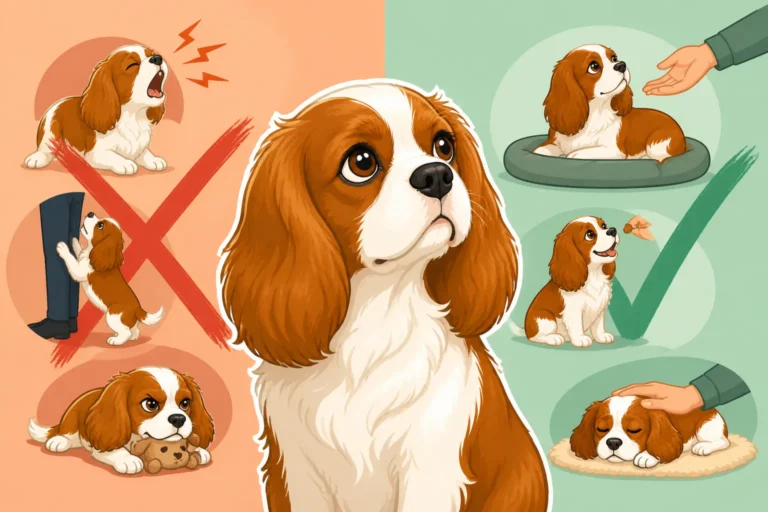
The idea of teaching your Cavalier to go to a "place" isn't about shunning them or making them feel less loved. Quite the opposite! It's about providing them with a clear, calm, and positive alternative to being right underfoot. Think of it as their special "off-duty" station where they can still observe you, still feel included, but aren't actively participating in your immediate personal space.
This command serves multiple vital purposes. For your Cavalier, it's an exercise in impulse control and self-regulation. Instead of constantly demanding attention or trying to anticipate your next move, they learn to settle and be calm in their designated spot. This can be incredibly reassuring for an anxious Cavalier, as it provides a predictable routine and a safe haven. It can also be a stepping stone toward helping A Cavalier That Cries in Another Room, as it teaches them that being slightly separate can still be a positive experience.
For you, the owner, the benefits are immense. Imagine preparing dinner without having to navigate around a tiny dog at your ankles, or answering the door to a guest without your Cavalier launching into a flurry of excited jumps. The "place" command creates a sense of order and calm in busy household situations. It’s a tool for managing excited greetings, mealtime manners, or simply allowing you to walk freely across a room without fear of tripping. It teaches your Cavalier that they can be calm and content even when they're not physically touching you, which is a huge leap in their emotional maturity and independence, even for such a cuddly breed.
Essential Tools and Setup for Mat Training
Before you dive into the actual training, gathering the right supplies and setting up an conducive environment can make a world of difference. Cavaliers are generally eager to please, especially when there's a delicious reward involved, but having the right "props" helps clarify what you're asking of them.
Choosing the Right Mat or Bed
The "mat" for your Cavalier doesn't need to be anything fancy, but it does need to be distinct and easily identifiable as their special spot. The goal is to create a clear visual boundary. It should be comfortable, of course, as they'll be spending time relaxing on it, but also portable enough that you can move it to different rooms as you progress with training.
Here are a few ideas for what makes a good "mat":
- A small bath mat: These are inexpensive, often have a non-slip backing, and are easily washable. The texture difference from the floor can also make it distinct.
- A dedicated dog bed: If your Cavalier already has a favorite bed, you can use that. However, sometimes it's good to have a new, special mat just for this training so it doesn't already have associations. A small, flat dog bed works well.
- A towel or blanket: While simple, make sure it's thick enough to provide comfort and that it stays put relatively well. The main thing is that it's clearly defined.
The size should be just enough for your Cavalier to lie down comfortably, perhaps with a little room to stretch out, but not so large that it loses its "boundary" feel. For a Cavalier, something around 20×30 inches is often perfect. You can find a wide array of options on platforms like Amazon, from simple bath mats to more elaborate dog beds specifically designed for crate or place training. The key is consistency – once you choose a "mat," stick with it for training.
High-Value Rewards and Your Training Environment
Cavaliers are typically very food-motivated, which is fantastic for positive reinforcement training. However, "high-value" means different things to different dogs. For some, their regular kibble might be exciting enough, but for most Cavaliers, especially during the initial stages of learning a new command, you'll want something truly irresistible.
Consider these tips for your rewards:
- Small and soft: This allows for quick consumption, so your Cavalier doesn't get distracted by chewing. Think pea-sized pieces of cooked chicken, cheese, hot dogs, or commercial training treats.
- Irresistible: What makes your Cavalier's eyes light up? Is it a bit of peanut butter (xylitol-free!), freeze-dried liver, or a special cheesy treat? Whatever it is, save it for these training sessions. You can learn more about Treats a Cavalier Will Trade Anything For to maximize your training efforts.
- Plenty on hand: You'll be rewarding frequently in the beginning, so have a good supply ready.
Your training environment is just as crucial, especially when you're starting out. Cavaliers can be easily distracted by sights, sounds, and smells. To set your Cavalier up for success:
- Start in a quiet, low-distraction area: A calm living room or bedroom where there isn't much foot traffic, other pets, or tempting toys is ideal.
- Minimize household noise: Turn off the TV, put your phone away, and try to train when other family members aren't creating a lot of commotion.
- Keep sessions short and positive: Cavaliers, like most dogs, learn best in short bursts. Aim for 3-5 minute sessions, several times a day, rather than one long, boring session. This approach ensures they stay engaged and happy. This short, positive method is key to effective learning and something we often discuss in relation to Five-Minute Training Sessions With a Cavalier.
Step-by-Step Guide to Mat Training Your Cavalier
Now for the fun part! This step-by-step guide will help you teach your Cavalier the "place" command using positive reinforcement. Remember, patience and consistency are your best friends here.
Introducing the Mat and Luring
The first step is simply getting your Cavalier to understand that the mat is a positive, rewarding place to be. We'll start by using a lure to guide them onto it.
- Place the Mat: Lay your chosen mat on the floor in a quiet area. Don't say anything yet.
- Lure Onto the Mat: Hold a high-value treat close to your Cavalier's nose. Slowly move the treat in a smooth arc, guiding their head and then their body towards and onto the mat.
- Mark and Reward: The instant all four of your Cavalier's paws are on the mat, say a marker word like "Yes!" or use a clicker (if you're using one), and then immediately give them the treat.
- Repeat and Release: Let them step off the mat, then repeat the process. Don't worry about them staying on the mat just yet; the goal is simply to get them to step onto it with all four paws for a reward. Do this 5-10 times in a short session.
You might find your Cavalier is a little confused at first, but they'll quickly catch on when they realize good things happen on the mat.
Adding the "Place" Cue and Duration
Once your Cavalier is enthusiastically stepping onto the mat when lured, it's time to add the verbal cue and start building duration.
- Add the Verbal Cue: As you begin to lure your Cavalier onto the mat, say your chosen command, such as "Place," "Mat," or "Go to your bed," just once as they are moving towards it.
- Mark and Reward for Being On: Once all four paws are on the mat, mark ("Yes!" or click) and reward.
- Introduce Duration: Now, instead of immediately releasing them or waiting for them to step off, start asking them to stay on the mat for a very short period. After they are on the mat and you've given the initial reward, wait just one second. If they stay, mark and reward again.
- Gradually Increase Time: Slowly increase the duration, one second at a time. Go from one second to two, then three, then five. If they get off before you mark and reward, don't scold them. Just gently lead them back to the mat (no treat yet for getting back on, just for staying) and try again with a shorter duration. The aim is to reward success, not correct mistakes.
- Add a Release Word: Once they can stay for a few seconds, introduce a release word. After they've stayed and received their reward, say "Okay!" or "Free!" and let them step off. This teaches them that they are allowed to leave the mat only when you give the cue.
This stage is about teaching them that "place" means "stay on this mat until I say you can leave." Remember to keep it positive!
Fading the Lure and Building Distance
Now that your Cavalier understands what "place" means and can stay for a short duration, you'll want to reduce your reliance on the food lure and start adding distance.
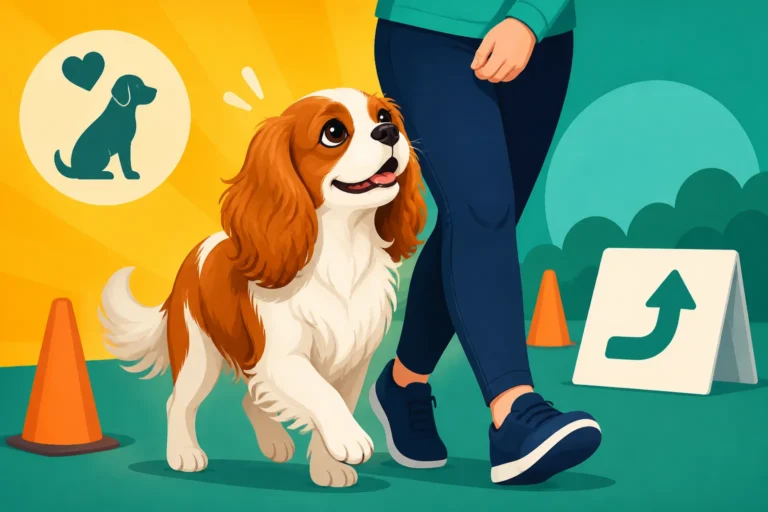
- Fade the Lure: Instead of moving the treat all the way to their nose and guiding them, start making your hand motion smaller. Eventually, your hand signal will become just a pointing motion towards the mat. Your Cavalier should start going to the mat with just the verbal cue and a subtle hand signal. Keep marking and rewarding generously when they get on the mat and stay.
- Build Distance Gradually: Once your Cavalier reliably goes to the mat and stays for a few seconds with just the verbal cue and a hand signal, start taking one small step away from the mat. If they stay, step back, mark, reward, and then release.
- Increase Distance and Duration Together: Slowly increase the number of steps you take away from the mat. Go from one step to two, then three, then eventually you should be able to walk across the room. At the same time, continue to increase the duration they stay on the mat. This will require breaking down the behavior into tiny, manageable steps, a core principle of Shaping a New Behavior With a Cavalier.
- Practice from Different Locations: Once they're consistent, start practicing from different positions in the room. Can they go to their mat when you're sitting on the sofa? When you're standing by the door? This helps them generalize the command.
Dealing with Challenges and Common Mistakes
It's totally normal to encounter a few bumps in the road. Here are some common challenges and how to address them:
- Your Cavalier Keeps Getting Off the Mat: This usually means you've progressed too quickly. Go back a step. Make the duration shorter or the distance smaller. Reward more frequently for simply being on the mat. Don't get frustrated; just reset and make it easier for them to succeed.
- Lack of Motivation: Are your treats high-value enough? Sometimes, dogs get bored with the same old treat. Switch it up! Also, ensure you're training before they've just eaten a big meal, so they're a little hungry.
- Distractions are Too High: If your Cavalier can't focus, the environment is too distracting. Move back to a quieter space until they're more solid on the command, then slowly reintroduce mild distractions.
- You're Not Marking Quickly Enough: The "Yes!" or click needs to be precise—the exact moment they do what you want. If it's too late, they might not connect the reward to the desired action.
- Over-Practicing: Long, repetitive sessions can bore your Cavalier. Keep it short, fun, and end on a high note.
Consistency is key. Everyone in the household needs to use the same command and follow the same rules. Remember that Cavaliers respond best to Reward-Based Training With a Cavalier, so keep it positive and fun!
Integrating "Place" into Daily Life and Advanced Tips
Once your Cavalier has a solid understanding of the "place" command, you can start integrating it into your daily routines. This is where the command truly becomes a valuable tool for managing their behavior and enriching both your lives.
Using the Mat During Mealtimes, Visitors, and Other Scenarios
The real power of the "place" command lies in its practical applications throughout your day. Think about those moments when your Cavalier's enthusiasm or clinginess becomes a little inconvenient. The mat can be their calm station.
- Meal Preparation: As you start chopping vegetables or heating food, ask your Cavalier to go to their "place." Reward them for staying there while you work. This prevents them from getting underfoot in the kitchen, which can be a safety hazard for both of you. Over time, they'll learn that their "place" is where they wait calmly for you to finish.
- Visitors Arrive: When the doorbell rings, it's often a flurry of excitement for a Cavalier. This is an ideal time to use the "place" command. Before you open the door, ask your Cavalier to go to their mat. If they stay, reward them as the guest enters. This teaches them to greet visitors calmly from their designated spot, rather than jumping up or crowding the entryway. This complements training for A Cavalier That Jumps at Visitors or even Teaching a Cavalier to Greet Guests Calmly. They can still see and feel part of the action, but in a controlled manner.
- Your Mealtimes: If your Cavalier tends to beg or hover during your dinner, have them go to their "place" before you sit down to eat. Reward them periodically for remaining calm on their mat. This helps them understand that your mealtime is not their opportunity to scrounge for dropped food.
- Working from Home: If you have a home office or spend time at a desk, the mat can provide your Cavalier with a comfortable spot nearby without them being on your lap or chewing your shoelaces. It establishes a quiet time where they can still be in your presence.
- Crate Training Complement: For Cavaliers who are also crate trained, the mat can be a soft introduction to staying put outside the crate, aiding in their overall comfort with independent relaxation. This can be a useful step when you're Building a Cavalier's Tolerance for Being Left for short periods.
Start with easy scenarios and gradually build up to more challenging ones. Always remember to praise and reward their efforts, especially in distracting situations.
Maintaining and Generalizing the Command
Once your Cavalier is a mat-master in one room, it's time to generalize the command to different environments and situations. The more places you practice, the more reliable the command will become.
- Practice in Different Rooms: Move the mat to other parts of your home – the bedroom, the living room, even the bathroom if you need a moment of privacy! Each new location might feel like a new command to your Cavalier initially, so start with shorter durations and higher reinforcement.
- Take the Mat with You: If you're visiting friends or family, bring your Cavalier's mat along. This provides them with a familiar, safe spot in a new environment. It can significantly reduce anxiety and help them settle more quickly.
- Introduce Mild Distractions: Once your Cavalier is solid in a quiet room, slowly introduce mild distractions. Start with soft music, then maybe someone walking past the room. Gradually increase the level of distraction. If they break their "place," just calmly lead them back to the mat and try again, perhaps making the distraction a little less intense.
- Consistency is Key: Ensure all family members are using the same command and expectations. Sporadic enforcement can confuse your Cavalier and undermine your training efforts. Programs like BAXTER & Bella offer structured online training that can help ensure consistency across all household members, guiding you through progressive steps for mastering commands like "place."
- Regular Reinforcement: Don't stop rewarding just because your Cavalier "knows" the command. Occasionally surprise them with a super high-value treat for an extra-long or calm stay. This keeps the command strong and reinforces that "place" is a wonderful spot to be. This continuous reinforcement helps in Getting a Cavalier to Switch Off Indoors, promoting a relaxed household environment.
- Departure Routines: Incorporate the "place" command into your departure routine. Asking your Cavalier to go to their mat as you prepare to leave can help them associate your departure with a calm, predictable action, rather than a frantic scramble. This can be a helpful element in establishing Departure Routines That Calm a Cavalier.
When to Seek Professional Help
While Cavalier King Charles Spaniels are generally responsive to positive training methods, there might be times when professional guidance is beneficial. Don't hesitate to reach out if you're struggling.
- Persistent Anxiety or Stress: If your Cavalier shows signs of significant stress, excessive panting, drooling, or frantic attempts to leave the mat even after consistent, gentle training, it might indicate an underlying anxiety issue that a professional can help address.
- Lack of Progress: If you feel like you're stuck and not making any headway, a certified professional dog trainer can assess your specific situation, observe your training techniques, and offer tailored advice. They might identify subtle cues you're missing or suggest alternative approaches.
- Aggression or Resource Guarding: While rare with mat training, if your Cavalier shows any signs of aggression or resource guarding (e.g., snapping when you approach their mat), seek professional help immediately. This indicates a deeper issue that needs expert intervention.
- Complex Household Dynamics: If you have multiple pets, young children, or other complex household dynamics that make training challenging, a trainer can help you navigate these situations effectively.
A good professional trainer will use positive, force-free methods and empower you to continue the training yourself. They can provide valuable insights and accelerate your progress, ensuring both you and your Cavalier enjoy the training journey.
| Feature | Description | Benefits for Cavalier Owner | Considerations |
|---|---|---|---|
| Clear Boundary | A visually distinct item (mat, small bed) | Dog clearly understands the "place" area | Must be consistently used as the "place" |
| Comfortable | Soft, supportive material for resting | Encourages relaxation and positive association with the mat | Too plush might encourage napping instead of active listening |
| Portable | Lightweight and easy to move around the house or travel with | Allows generalization of the command to different environments | Can accidentally be left behind or lost if not secured during travel |
| Washable | Material that can be easily cleaned | Essential for hygiene, especially if used often or taken outdoors | Some materials might require special washing instructions |
| Non-Slip Base | Helps the mat stay in place on smooth floors | Prevents the mat from sliding, reducing frustration for the dog | Not always necessary for carpeted floors |
Disclaimer
This article is for general informational purposes only and does not constitute professional advice. Laws, prices and regulations vary by location and change over time. Consult a qualified professional for guidance on your specific situation.