Hours a Cavalier Can Cope With Alone
Oh, the age-old question for us Cavalier King Charles Spaniel parents: how long can our beloved furry shadows truly cope when we step out the door? It's a common worry, and one that often causes a great deal of heartache and stress, not just for us, but for our sensitive little dogs. Many of us grapple with the guilt of leaving them, or the frustration of coming home to a mess, all while wondering if we're doing lasting damage. This guide is all about setting realistic expectations, understanding the unique needs of our Cavaliers, and arming you with practical, compassionate strategies to help your Cavalier thrive, even when you can't be by their side every single second.
The Heart of the Matter: Why Cavaliers Struggle with Alone Time
Let's be honest, Cavaliers are not known for their independent streaks. They are bred, from their very roots, to be constant companions, and understanding this fundamental aspect of their nature is the first step to helping them cope when you're not around. It's not manipulation or naughtiness; it's deeply ingrained.
Bred for Companionship
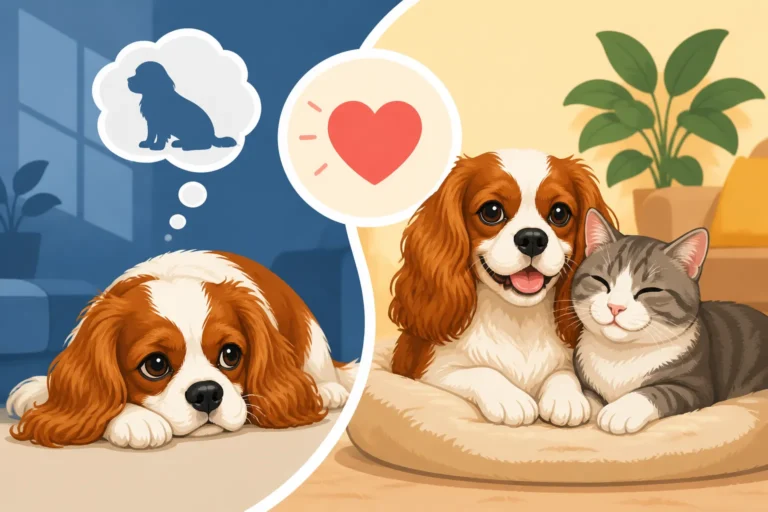
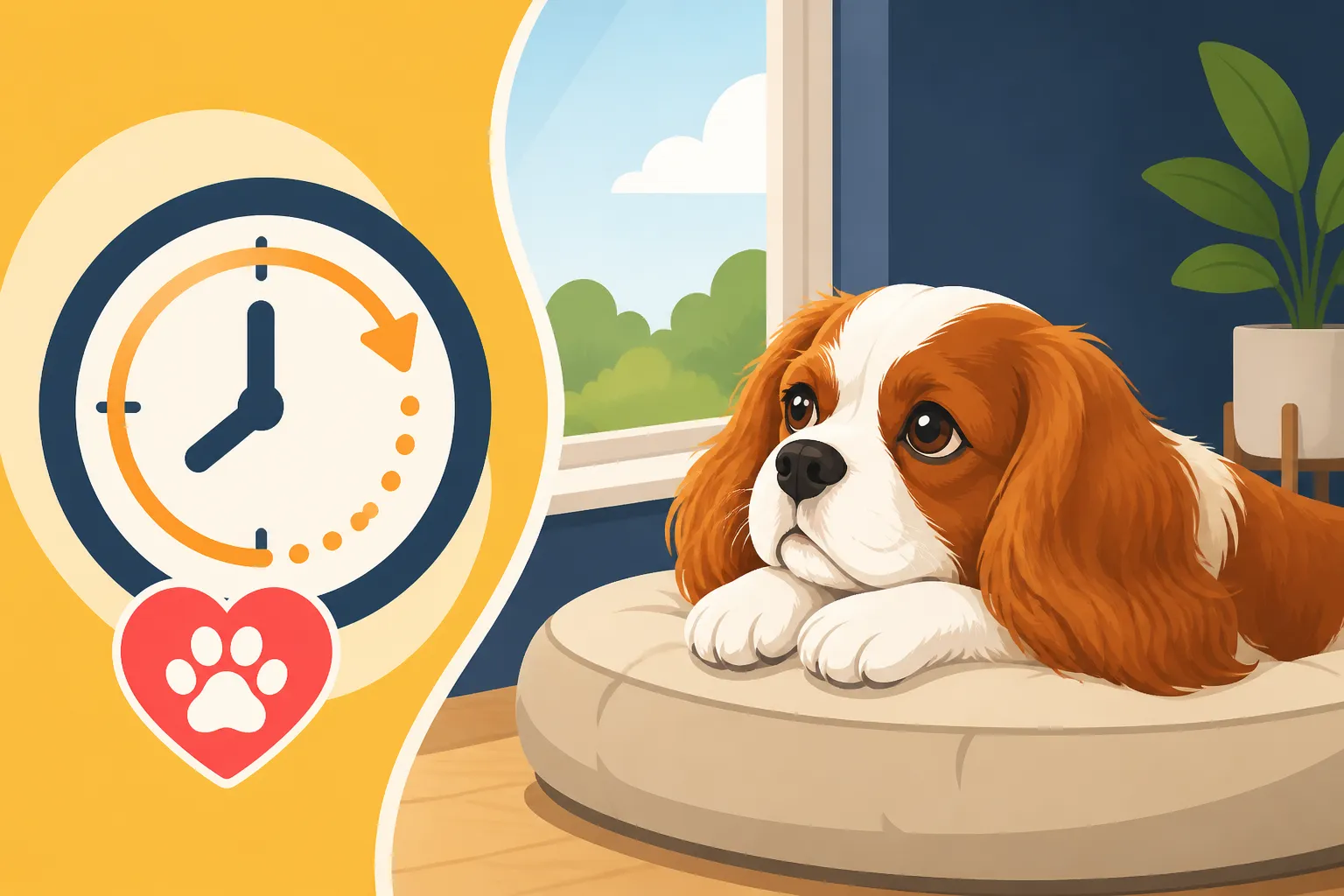
Imagine the grand courts of kings and queens, where these little spaniels were literally on laps, underfoot, and even in beds at all times. They were bred for one purpose above all else: to be a warm, loving, ever-present friend. Their historical role means they haven't developed the same innate independence some other breeds might possess. They thrive on human connection, eye contact, and the simple comfort of your presence. When that presence is removed, especially suddenly or for extended periods, it can feel like a profound loss or even abandonment to them. It goes against everything their lineage has prepared them for.
The Velcro Dog Phenomenon
If you own a Cavalier, you know exactly what I mean by "Velcro dog." They follow you from room to room, often preferring to nap right at your feet or even touching you. A trip to the bathroom becomes a joint expedition. This isn't just a cute quirk; it's a deep-seated need for proximity and connection. When you're home, they are in their element, soaking up every moment of interaction. But this intense bond, while wonderful, can make solo time incredibly challenging. They literally adhere to you, and when that attachment is broken, even for a short while, it can trigger anxiety. It’s part of the reason Why a Cavalier Follows You Room to Room is such a common question.
Anxiety and Sensitive Natures
Beyond their desire for companionship, Cavaliers are often quite sensitive souls. They pick up on our emotions, our routines, and even subtle changes in the household atmosphere. This sensitivity can make them particularly prone to developing separation anxiety, not just general distress at being left alone. For some, it might manifest as mild unease; for others, it can be a full-blown panic attack the moment the door clicks shut. Their gentle nature, while endearing, also means they can be easily overwhelmed by stress or perceived threats to their security, which being left alone certainly feels like to many of them.
Recognising the Red Flags: Signs Your Cavalier Isn't Coping
It's crucial to understand that your Cavalier might be struggling even if they're not tearing up the sofa every time you leave. Their distress can manifest in many subtle ways, and learning to read these signs is key to intervening early and effectively. You might be surprised to learn how many Signs a Cavalier Is Distressed When Alone there are.
Destructive Behavior and Accidents
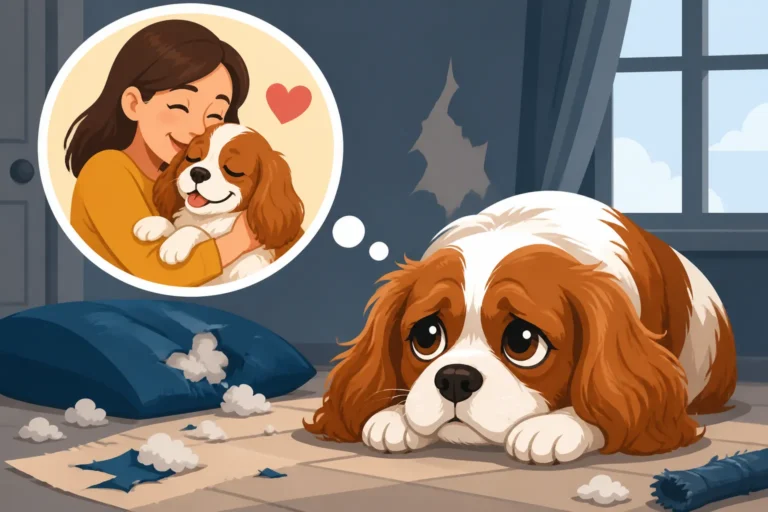
This is often the most obvious and frustrating symptom for owners. You come home to chewed furniture, scratched doors, or shredded pillows. It's easy to assume your dog is being naughty or spiteful, but in the context of alone time, it's almost always a sign of deep distress. Chewing can be a self-soothing mechanism, an attempt to relieve intense anxiety. Similarly, house-soiling when they are otherwise perfectly house-trained is rarely out of spite. It's often an involuntary physical response to extreme stress or a desperate cry for attention when they're left feeling overwhelmed and unable to hold it due to panic. Imagine being so scared you lose control – that's often what's happening.
Vocalizations and Restlessness
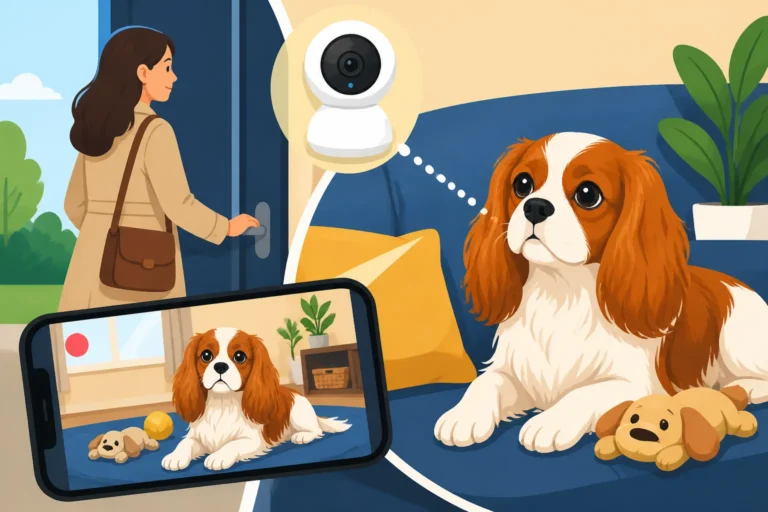
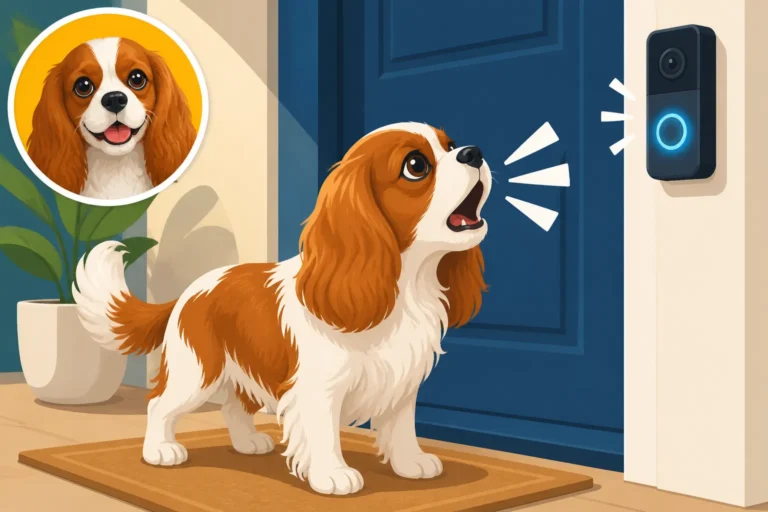
A common complaint is a Cavalier that barks, howls, or whines incessantly when left alone. Your neighbors might be the first to let you know! These vocalizations aren't just annoying; they are a dog's desperate attempt to call for their absent pack, to relieve their stress, or simply to express their panic. Often, these dogs also exhibit restlessness – pacing, panting excessively, drooling, or constantly looking out windows, hoping for your return. They can't settle, even if they have a comfortable bed or favorite toys. This sustained agitation is draining for them and clearly indicates they are not coping. A camera can be invaluable for observing these behaviors.
Physical Symptoms and Changes
Sometimes, the signs are more subtle, even internal. Some Cavaliers might refuse to eat treats or interact with puzzle toys you leave for them, despite loving them when you're present. This lack of interest is a red flag that their anxiety is overriding their normal drives. Others might exhibit excessive drooling, shake, or even engage in self-mutilation, like licking or chewing their paws raw. Upon your return, they might greet you with an exaggerated, frantic enthusiasm, or conversely, act withdrawn and depressed, as if they've endured a traumatic experience. Observe their energy levels and mood immediately after you get home; a truly relaxed Cavalier will likely be happy to see you but not frantic. It's important to differentiate these from other issues, as sometimes A Cavalier That Cries in Another Room might be experiencing pain rather than just separation distress.
Setting Realistic Expectations: How Long is Too Long?
The idea that a dog should be able to "hold it" for 8-10 hours while you're at work is, frankly, outdated and often unfair, especially for a breed like the Cavalier. Their bladder capacity and emotional needs mean that "how long" is a nuanced question, varying significantly with age, training, and individual temperament.
The Puppy Years
Let's be brutally honest: a Cavalier puppy under six months should ideally not be left alone for more than 1-2 hours, maximum. Their bladders are tiny, their need for potty breaks is frequent, and their developmental stage requires consistent supervision and positive reinforcement. Leaving them alone for longer periods not only makes house-training nearly impossible, as they will be forced to soil their den, but it also creates a strong negative association with being alone. Instead of teaching independence, you're teaching panic and confusion. These early weeks are crucial for building a secure foundation, and frequent, positive experiences with short alone times are far more beneficial. You want to avoid any situation where they are in distress, which means very short, supervised absences. This foundational period also influences training a Cavalier puppy where to toilet.
| Age of Cavalier | Recommended Maximum Alone Time | Rationale |
|---|---|---|
| 8-12 weeks | 1 hour | Tiny bladder, high anxiety, critical socialization period. |
| 3-6 months | 2-3 hours | Still developing bladder control, needs frequent breaks, continued positive association. |
| 6-12 months | 3-4 hours | Better bladder control, but still prone to destructive chewing and requires mental stimulation. |
| 1-7 years (Adult) | 4-6 hours (max, ideally less) | Most can hold bladder, but emotional needs for companionship remain high. Requires enrichment. |
| 8+ years (Senior) | 2-4 hours | Reduced bladder control, potential health issues, increased need for comfort and reassurance. |
The Adult Cavalier
For a well-adjusted, adult Cavalier (typically over a year old), 4-6 hours is often considered the absolute maximum they can comfortably cope with physically and emotionally. And even then, "comfortably" is a strong word. This assumes they have been gradually trained to tolerate alone time, have had adequate exercise and potty breaks before you leave, and are provided with appropriate mental stimulation. Many Cavaliers will start to show signs of stress, boredom, or physical discomfort (needing to go potty) closer to the 4-hour mark. Pushing them regularly beyond this can lead to behavioral issues and increased anxiety. Remember, holding their bladder for too long can also lead to urinary tract issues over time. Every dog is an individual, of course, but it's vital not to conflate "can hold it" with "is happy to be alone."
Senior Cavaliers and Special Needs
As our Cavaliers age, their needs shift significantly. Senior Cavaliers (generally 8 years and older, but this varies) may have reduced bladder control, requiring more frequent potty breaks. They might also develop conditions like arthritis or cognitive decline, which can make being alone more disorienting or uncomfortable. A previously confident dog might become more anxious in their golden years, needing increased reassurance and shorter periods of solitude. Caring for a Cavalier Past Nine often involves adjusting expectations for alone time. It's unfair to expect an older dog with a weakening bladder or aching joints to hold it for as long as they once did, and it's also important to consider if Behavior Changes That Mean a Cavalier Hurts, as pain can certainly exacerbate anxiety.
Building Resilience: Step-by-Step Training for Alone Time
Successfully teaching a Cavalier to cope with alone time isn't about simply leaving them and hoping for the best. It's a deliberate, compassionate process of gradual desensitization and positive association. You're building their confidence, not just their tolerance.
The Power of Gradual Departures
This is the cornerstone of helping a Cavalier overcome alone time distress. You start incredibly small, literally just seconds, and slowly build up. The goal is to make your departures and returns as uneventful as possible.
- Practice "Stay": Start with short "stays" in another room while you're still home. Close a door for 10 seconds, then return calmly. Reward with a quiet "good dog" and a treat. Repeat many times throughout the day, gradually increasing the duration.
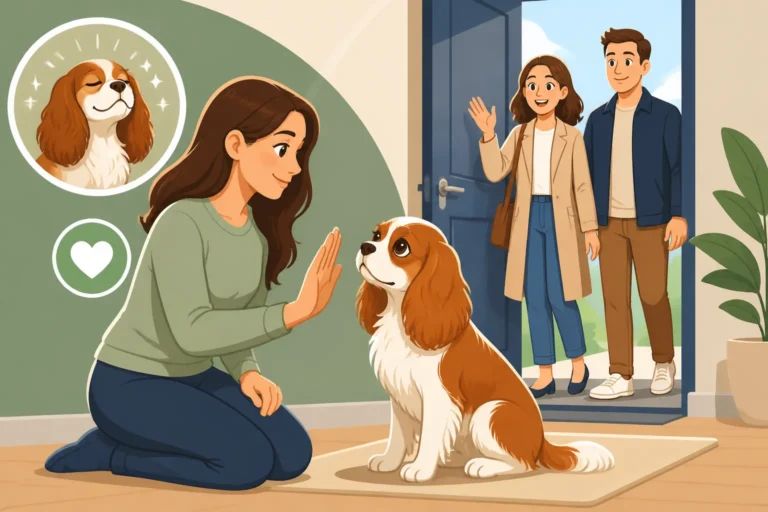
- Mock Departures: Pick up your keys, put on your coat, open the door, then close it and sit back down. Do this multiple times a day without actually leaving. This desensitizes them to your "departure cues."
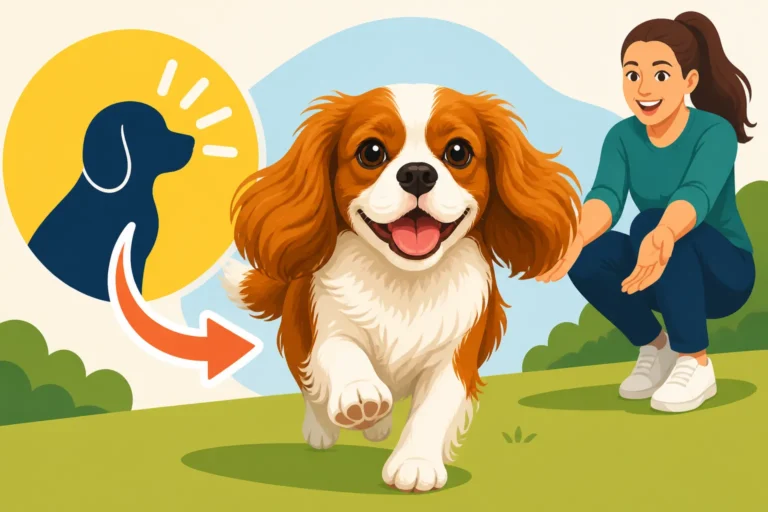
- Real, Short Departures: Once they're calm with mock departures, start leaving for genuinely short periods – 30 seconds, 1 minute, 5 minutes. Return before they show signs of distress. If they start to whine, you've left too long; shorten the next session. Your return should always be calm and low-key, not a huge party, to avoid making your absence a dramatic event. This is the essence of Building a Cavalier's Tolerance for Being Left.
Creating a Safe, Engaging Space
Where your Cavalier spends their alone time matters immensely. A well-prepared space can significantly reduce anxiety.
- Crate Training: A crate, when introduced positively, can become a safe den. It should never be used for punishment. Make it comfortable with soft bedding, a favorite toy, and ensure it's a place they willingly go. For anxious Cavaliers, Crate Training a Cavalier That Panics can be a slow, patient process, but incredibly rewarding.
- Designated "Alone Space": If a crate isn't for them, a small, dog-proofed room or an exercise pen can serve a similar purpose. Ensure it's free of hazards and offers a comforting environment.
- Enrichment: Leave them with engaging puzzle toys or long-lasting chews. Think KONGs filled with frozen peanut butter or wet dog food, snuffle mats with kibble, or puzzle balls. These can distract them and provide a positive association with your absence. Check out options on Amazon for a wide variety of interactive toys and feeders.
Enrichment Before You Leave
A tired dog is often a calmer dog. Before you need to leave, make sure your Cavalier's physical and mental needs are met.
- Exercise: A good, brisk walk (appropriate for their age and health) or a vigorous play session can help burn off excess energy and promote relaxation. A Cavalier who has sniffed every bush and chased a few squirrels will be more inclined to rest when you leave.
- Mental Stimulation: Beyond physical exercise, engage their brains. A short training session, a game of "find the treat," or even just a challenging puzzle toy before you go can tire them out mentally, making them more likely to nap.
- Potty Break: Always ensure they have a thorough potty break right before you leave. This minimizes physical discomfort and the likelihood of accidents, which can further fuel anxiety.
- Mealtime: Feeding them right before you go can also help. A full belly often leads to a sleepy dog!
Support Systems: Tools and Resources for Anxious Cavaliers
Sometimes, even with consistent training, our Cavaliers need a little extra help. Thankfully, there's a range of products and professional services designed to support anxious dogs and their owners.
Calming Aids and Distractions
The market is full of products that claim to calm dogs, and while none are a magic bullet, some can offer valuable support when used in conjunction with training.
- Pheromone Diffusers and Sprays: Products like Adaptil release synthetic dog-appeasing pheromones, which can have a calming effect on some dogs. Plugging in a diffuser in their alone-time space might help create a more serene atmosphere. You can often find these on Amazon.
- Pressure Wraps: Thundershirts or similar anxiety wraps apply gentle, constant pressure, much like swaddling a baby. This can be surprisingly comforting for some anxious Cavaliers. It's worth trying to see if it makes a difference.
- Calming Supplements: Many over-the-counter supplements contain ingredients like L-tryptophan, melatonin, or various herbs aimed at reducing anxiety. Always discuss these with your vet before introducing them, especially if your Cavalier is on other medications or has underlying health conditions. Calming Supplements for an Anxious Cavalier are often a first step for many owners.
- Audio & Visual Stimuli: Leaving a radio on, tuned to classical music or talk radio, or a dog-specific calming music playlist can help mask outside noises and provide background sound, making the silence less jarring. Some owners even use dog-specific TV channels.
Professional Guidance
If you're finding it difficult to make progress on your own, don't hesitate to seek professional help. A qualified expert can assess your Cavalier's specific situation and develop a tailored plan.
- Certified Professional Dog Trainers (CPDT-KA): A trainer specializing in fear and anxiety can provide invaluable one-on-one guidance, helping you implement behavior modification techniques safely and effectively. They can spot subtle body language cues you might miss.
- Veterinary Behaviorists (DACVB): For severe cases of separation anxiety, a board-certified veterinary behaviorist is the gold standard. They are veterinarians with advanced training in animal behavior and can offer comprehensive treatment plans, including behavioral modification, environmental management, and, if necessary, medication.
- Online Training Programs: Reputable online platforms, like BAXTER & Bella, can offer structured programs and resources for addressing separation anxiety, often with community support and expert guidance. These can be a great option for owners who need flexibility or live in areas with limited access to in-person trainers.
Considering Outside Care
For those times when you simply cannot shorten your absence, or your Cavalier's anxiety is too profound to manage alone, outside care options can be lifesavers.
- Dog Walkers: A mid-day dog walker can break up a long stretch of alone time, providing a potty break, exercise, and some much-needed human interaction. This is especially helpful if your work schedule means you're gone for more than 4-5 hours.
- Doggy Daycare: For social Cavaliers who enjoy the company of other dogs, daycare can be an excellent solution. It provides supervision, playtime, and mental stimulation, ensuring they're tired and happy when you pick them up. Be selective and choose a facility with experienced staff and small play groups, as not all Cavaliers thrive in large, boisterous environments. Learning Whether Daycare Suits an Anxious Cavalier is important for every owner.
- Pet Sitters: A pet sitter who comes to your home can be ideal for Cavaliers who prefer their own environment or who are too anxious for daycare. They can provide personalized attention, walks, and feeding, all in the comfort of your dog's familiar surroundings. For Cavaliers on medication, finding Pet Sitters Who Can Give Cavalier Medication is critical.
When to Call the Vet: Medical and Behavioral Interventions
It's tempting to think of all alone-time problems as purely behavioral, but sometimes, underlying health issues can play a significant role. And for severe cases, medication, under veterinary guidance, can be a crucial part of the solution.
Ruling Out Medical Issues
Before diving deep into behavioral modification, it's always wise to have your veterinarian perform a thorough check-up.
- Pain or Discomfort: A Cavalier experiencing chronic pain – perhaps from Early Arthritis in a Cavalier's Elbows or even something like Syringomyelia Against Ear Pain in a Cavalier – might become more anxious when left alone, as they lose the comfort or reassurance of your presence. They might whine or pace due to physical discomfort rather than pure separation anxiety.
- Urinary Tract Infections (UTIs) or Incontinence: If your previously house-trained Cavalier suddenly starts having accidents only when left alone, it's essential to rule out a UTI or other medical causes for incontinence. They might genuinely be unable to hold it, and their anxiety could be a response to their physical distress.
- Cognitive Dysfunction Syndrome (CDS): In senior Cavaliers, cognitive decline can lead to increased anxiety, disorientation, and changes in sleep-wake cycles, making alone time particularly stressful. They might feel lost or confused without your presence to guide them.
Medication as a Tool
For severe cases of separation anxiety, especially when the dog is exhibiting self-harm, extreme vocalization, or destructive behavior despite consistent training efforts, medication might be considered by your veterinarian or a veterinary behaviorist.
- Anxiety-Reducing Medications: These medications are not sedatives; they work by helping to modulate brain chemistry, reducing the intensity of the anxiety response. This can create a "window of opportunity" where your Cavalier is calm enough to actually learn and benefit from behavior modification techniques. They make the training more effective, rather than being a standalone solution.
- Working with Your Vet: Never attempt to self-medicate your dog. A veterinarian will prescribe the appropriate medication, dosage, and monitor for any side effects. They'll also explain that medication is most effective when combined with a comprehensive behavior modification plan. Medication for Cavalier Separation Anxiety is a serious topic that requires professional guidance. It's about improving their quality of life, not just managing symptoms.
Remember, helping your Cavalier cope with alone time is a journey, not a sprint. It requires patience, consistency, and a deep understanding of their unique needs. With the right approach, you can help your devoted companion feel safe and secure, even when you're not right there beside them.
Disclaimer
This article is for general informational purposes only and does not constitute professional advice. Laws, prices and regulations vary by location and change over time. Consult a qualified professional for guidance on your specific situation.