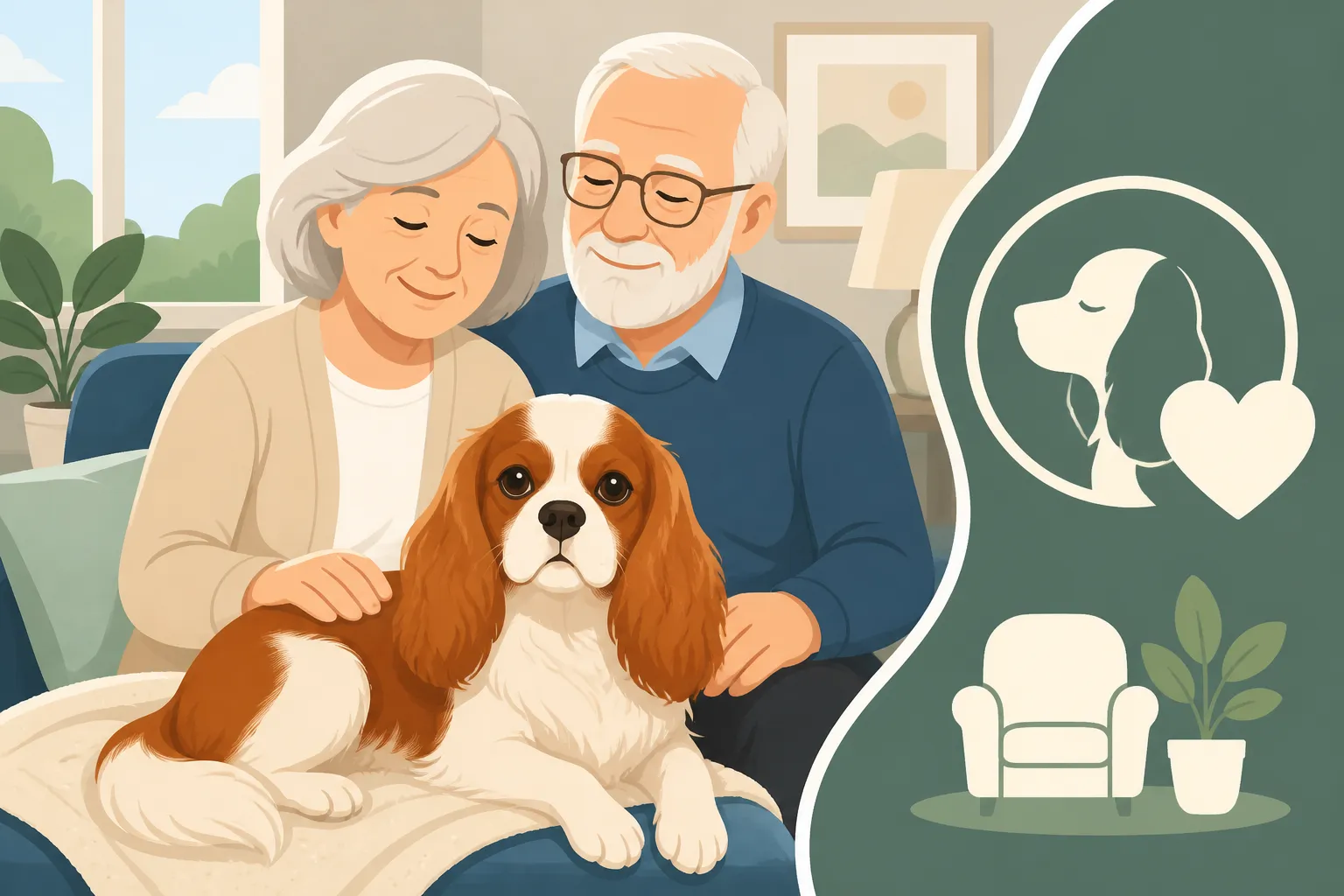
Cavaliers for Older and Quieter Households
It's a common and heartfelt desire: you've reached a stage in life where a bustling, high-energy dog just doesn't fit your pace anymore, or perhaps you simply crave a serene, loving presence in your quiet home. Many people understandably look to the Cavalier King Charles Spaniel, drawn by their reputation as gentle, affectionate companions. This guide will delve deep into why this breed often excels in calmer environments, what specific needs they bring, and how to ensure a harmonious life together, understanding the realities of their temperament and health.
Why Cavaliers Naturally Suit Quieter Lifestyles
Cavaliers truly shine in homes where the pace is calm, predictable, and filled with gentle companionship. Their very nature seems to align perfectly with a quieter existence, which is a huge part of their enduring appeal. They aren't built for rugged outdoor adventures that demand hours of intense exercise, nor do they typically thrive on constant high-octane stimulation.
Their Affectionate and Gentle Nature
The Cavalier King Charles Spaniel is, at its core, a dog bred for companionship. They were developed to be lap warmers and confidantes to royalty and nobility, and that heritage is deeply ingrained in their personality. You won't find a more eager snuggle buddy. They love to be physically close, whether curled up on the sofa beside you, resting their head on your lap, or even just lying at your feet while you read or watch television. This isn't just a preference; it's practically a requirement for their emotional well-being.
Their gentleness extends to everyone they meet. They tend to be exceptionally tolerant and rarely show aggression, making them wonderful companions not only for their primary owner but also for visiting grandchildren, friends, or even other calm pets. This calm demeanor means less stress and more predictable interactions, which is often exactly what a quieter household is looking for. They soothe the soul with their soft gaze and wagging tail, offering comfort without demanding constant high-energy engagement. This is why Cavaliers for Older and Quieter Households is such a fitting topic – their very essence aligns with this lifestyle.
Low Exercise Requirements Compared to Other Breeds
When we talk about "low exercise," it's all relative, of course. A Cavalier isn't a couch potato that never needs to move, but their needs are certainly modest compared to many other breeds. A couple of short, leisurely walks a day, perhaps 15-20 minutes each, are usually sufficient to keep them happy and healthy. This translates beautifully for owners who might have limited mobility or simply prefer a less strenuous daily routine.
Think of it this way: while a Border Collie might demand an hour-long run or complex agility training, and a Labrador might need extensive fetch sessions to burn off energy, a Cavalier is often content with sniffing around the block, exploring the garden, or playing a gentle game of tug indoors. These brief outings provide crucial sensory enrichment and a chance to stretch their legs without overtaxing their owner. The key is consistency, not intensity. Even a relaxed stroll down the street, allowing them to take in the smells and sights, can be incredibly fulfilling for a Cavalier. You’ll find more information on how to integrate this into a daily rhythm in Cavaliers for Owners Who Work From Home.
Adaptability to Indoor Living
Cavaliers are the quintessential indoor dog. They thrive on being part of the family action, even if that action is simply sitting in the same room. Their small size makes them perfect for apartments, condos, or smaller homes where a larger breed might feel cramped. They don't need sprawling yards to be content, though a secure outdoor space for potty breaks and a bit of fresh air is always a bonus.
Their adaptability also extends to noise levels and general household activity. While they might bark to announce a visitor (we'll get to that!), they generally settle quickly and aren't prone to hyperactive zoomies or destructive behavior if their needs for companionship and gentle exercise are met. A Cavalier can happily spend an afternoon napping in a sunbeam, only stirring to ask for a head scratch when you pass by. This ability to integrate seamlessly into a calm, indoor environment without requiring constant entertainment is a major draw for quieter households seeking a low-maintenance companion from a lifestyle perspective.
Addressing the Cavalier's Need for Companionship
While their calm nature makes them excellent candidates for quieter homes, it's crucial to understand that "quieter" doesn't mean "solitary." Cavaliers are profoundly social dogs and their need for companionship is perhaps their strongest trait. This isn't a breed you can leave alone for long stretches day after day and expect them to thrive.
The "Velcro Dog" Phenomenon
If you've heard the term "Velcro dog," it was probably coined with a Cavalier in mind. They absolutely adore their people and have an almost innate desire to be physically close to them. This means you can expect a tiny shadow following you from room to room – to the kitchen, to the bathroom, even just to grab something from another part of the house. This isn't a sign of anxiety (though it can escalate if left alone too much); it's simply their preferred state of being.
For many in quieter households, this constant, gentle presence is precisely what they're looking for. It means you're never truly alone. However, it's important to appreciate this trait and not view it as bothersome. They aren't being demanding; they're simply fulfilling their purpose as loyal companions. This strong bond can be incredibly comforting, offering a sense of connection that enriches daily life. Understanding Why Cavaliers Are Called Velcro Dogs really helps manage expectations.
Coping with Alone Time (or lack thereof)
While Cavaliers love company, life happens, and sometimes you need to leave them for a few hours. The key here is gradual introduction and making their alone time positive, short, and predictable. For an older individual or a household where someone is usually home, this can be less of an issue, as the dog may seldom be left for extended periods. However, even short absences need to be managed.
Start with very brief periods, perhaps just stepping out for a few minutes and returning before they get distressed. Provide them with a comfortable, safe space, like a cozy crate or a dog-proofed room with a soft bed and a favorite chew toy. Some owners find leaving a radio on softly can help, or even using a dog camera to monitor their behavior. Platforms like Chewy offer a great selection of enrichment toys designed to keep dogs occupied during short stints of solitude. While a Cavalier isn't ideal for someone who works long hours away from home every day, they can absolutely cope with short errands or appointments if properly accustomed.
Creating a Consistent Routine
Dogs, especially companion breeds like the Cavalier, thrive on routine. A predictable schedule for meals, potty breaks, walks, and playtime helps them feel secure and reduces anxiety. In a quieter household, establishing such a routine is usually quite easy, as the human residents often have a more consistent daily rhythm themselves.
For example, waking up at the same time each day, going for a morning walk, having breakfast, followed by a period of quiet relaxation or gentle play, can create a soothing rhythm for your Cavalier. Knowing when they can expect attention, food, and outdoor time helps them settle and feel confident. This consistency is particularly important as Cavaliers age, as it can help manage potential health issues and maintain their overall well-being. Think about how much happier you feel when your day has a pleasant flow – your Cavalier feels the same.
Tailoring Exercise to an Older or Quieter Owner's Pace
The wonderful thing about Cavaliers is how flexible their exercise needs are. They aren't going to turn into destructive bundles of energy if they miss a day at the dog park. This flexibility is a huge advantage for owners who might have physical limitations or simply prefer a more relaxed approach to activity.
Gentle Walks and Garden Play
As mentioned earlier, two short, leisurely walks a day are usually plenty. These aren't power walks; they're opportunities for your Cavalier to sniff, explore, and stretch their legs at a comfortable pace for both of you. If you have a secure garden, this can be an excellent supplement, allowing them to potter about, chase a rogue leaf, or simply enjoy the fresh air.
Consider the surface you're walking on. For older owners or those with joint issues, smooth, even paths are preferable. The same consideration applies to your Cavalier, especially as they get older or if they have joint concerns like Loose Kneecaps in a Thirteen-Pound Cavalier. A short, flat walk around a local park or through a quiet neighborhood can be a highlight of their day. The goal is enjoyment and mild stimulation, not exhaustion. Carrying a small bag of high-value treats from a place like Chewy can make these walks even more rewarding, especially for practicing recall in a quiet, safe area.
Mental Stimulation Over Physical Exertion
While physical exercise is important, mental stimulation is equally vital for a Cavalier. This doesn't mean complex puzzle toys all day long, but rather engaging their minds in gentle ways. Scent games, where you hide a treat and let them find it, are fantastic. Learning simple tricks like "sit," "stay," or "paw" in short, positive training sessions can also be very enriching. Remember, Training a Cavalier With Praise Rather Than Pressure is the most effective approach.
For many quiet households, these types of activities naturally fit into the day. Spending five minutes teaching a new trick, or playing a hide-and-seek game with a favorite toy, builds your bond and keeps their minds sharp. It prevents boredom without requiring a huge physical output from either of you. These moments of shared engagement are often what make the Cavalier such a cherished companion.
Safety on Walks
Given their size and gentle nature, safety on walks is paramount, particularly for a less agile owner. A well-fitting harness is always recommended over a collar, especially for breeds prone to neck issues, and it provides better control without putting pressure on their delicate trachea. A non-retractable leash of a reasonable length (around 6 feet) allows for exploration while keeping them close.
Being aware of your surroundings is also important. Keep an eye out for larger, boisterous dogs that might not be as gentle, or any potential hazards like busy roads. Unfortunately, Cavaliers, with their delightful curiosity, often have Why a Cavalier Has No Traffic Sense. Choosing quieter times or less trafficked routes for walks can make the experience more relaxing for both of you. For older owners, a lighter leash and harness setup can make a huge difference in comfort and control.
Grooming and Health Considerations for a Less Active Home
While Cavaliers are relatively small, their beautiful, silky coats do require regular attention. Similarly, their breed-specific health predispositions mean that proactive care is essential, regardless of how quiet your home is. These aspects become even more critical in a less active home, as early detection and consistent care are key to their longevity and quality of life.
Regular Grooming for a Healthy Coat
A Cavalier's long, silky coat, especially their feathering on the ears, legs, and tail, is prone to matting. This isn't just a cosmetic issue; mats can pull on the skin, causing pain, skin infections, and discomfort. Therefore, Brushing a Cavalier's Feathering Three Times a Week is a non-negotiable part of their care. For someone in a quieter household, this can become a lovely, bonding ritual.
Daily ear checks and cleaning are also vital, as their long drop ears can trap moisture and debris, leading to infections. Look for any redness, odor, or discharge. A gentle ear cleaner, available at pet supply stores or Chewy, can be used weekly or as recommended by your vet. While some owners opt for professional grooming every 6-8 weeks to keep things tidy, consistent home care dramatically reduces the need for extensive (and potentially uncomfortable) dematting sessions. This routine care ensures your Cavalier remains comfortable and healthy, even if their lifestyle is more sedentary.
Keeping Tabs on Weight
Cavaliers absolutely love food and can gain weight quite easily, especially if their exercise is minimal. Excess weight puts additional strain on their joints and, critically, on their hearts. Given that Mitral Valve Disease in the Cavalier King Charles Spaniel is so prevalent in the breed, maintaining a healthy weight is one of the most impactful things an owner can do to support their long-term health.
It's easy to overfeed these sweet, begging faces. I recommend using a kitchen scale to measure their daily food portion accurately. Resist the urge to constantly offer human food scraps, which are often too high in calories and sodium for a small dog. Focus on low-calorie, healthy treats (again, Chewy has a good selection) for training or rewards. Regularly checking their body condition, feeling for their ribs under their soft coat, helps ensure they aren't slowly creeping into an unhealthy weight range. For a more detailed look, Keeping a Cavalier at a Weight Its Heart Can Carry offers valuable insights.
Proactive Health Management
Even in the most loving, quiet home, Cavaliers are prone to certain health conditions that require proactive veterinary care. Heart disease (MVD), syringomyelia, and eye conditions are unfortunately common. This means regular vet check-ups are non-negotiable. An annual physical, with your vet listening carefully to their heart, is the minimum. As they age, additional screenings like echocardiograms for their heart might be recommended, especially if a murmur is detected.
For older owners, managing these appointments can sometimes be a concern. However, remember that many veterinary clinics are accustomed to working with owners who might need a little extra time or assistance. Early detection of conditions means better management and potentially a longer, more comfortable life for your Cavalier. Don't be afraid to ask your vet about preventive care or what signs to watch for, especially regarding subtle changes in behavior that might indicate pain from conditions like syringomyelia. The comfort and health of your Cavalier are paramount, and regular veterinary partnership is key. Understanding The Age a Cavalier Murmur Usually Appears can help you prepare.
| Cavalier Trait | Benefit for Quieter Households | Potential Challenge (and Solution) |
|---|---|---|
| Affectionate & Gentle | Constant, loving companionship; low aggression | Can be clingy (embrace it as part of their charm; manage alone time gradually) |
| Low Exercise Needs | Easy to manage with limited mobility or energy | Prone to weight gain (strict portion control; short, consistent walks) |
| Adapts to Indoor Living | Perfect for apartments/smaller homes; content inside | Can develop separation anxiety if left alone too often (gradual training; enrichment toys) |
| "Velcro Dog" | Provides immense comfort and connection | Needs consistent presence; not ideal for frequent long absences (seek pet sitters or dog walkers) |
| Intelligent & Eager to Please | Responsive to positive training; enjoys mental games | Needs mental stimulation to prevent boredom (puzzle toys, scent games, short training sessions) |
Managing Common Cavalier Behaviors in a Calm Environment
Every dog, even the sweetest Cavalier, comes with their own set of behaviors. In a quiet household, these behaviors often manifest differently than in a bustling one, and understanding them helps foster an even deeper bond. The emphasis will always be on gentle, positive reinforcement, aligning with their sensitive nature.
Gentle House Training and Manners
Cavaliers are generally eager to please, which makes them quite amenable to house training and learning basic manners. Consistency is the magic word here. Taking them out frequently, especially after waking, eating, and playing, will set them up for success. Reward them generously with praise and small, tasty treats whenever they eliminate outside. For an older owner, sticking to a predictable schedule is often easier and greatly benefits the dog.
Beyond house training, teaching simple commands like "sit," "stay," and "come" using positive reinforcement methods works wonders. They respond poorly to harsh corrections or yelling, often shutting down and becoming anxious. Keep training sessions short, fun, and upbeat. A well-mannered Cavalier is a joy to live with, effortlessly blending into the calm rhythm of the home.
Minimizing Barking
While not typically excessive barkers, Cavaliers will certainly let you know if someone is at the door, if a squirrel runs across the yard, or sometimes, just because they heard a suspicious noise three houses down. In a quiet home, these barks can sometimes feel more jarring, but they are often easy to manage with consistent training.
The key is to acknowledge their alert, thank them, and then redirect them. Teach them a "quiet" cue. When they bark, let them get one or two barks out, then calmly say "quiet" and reward them the instant they stop barking, even if it's just for a second. Gradually increase the time they need to be quiet before getting the reward. Consistency from everyone in the household is crucial. If everyone consistently asks for quiet and rewards it, your Cavalier will quickly learn that a brief alert is okay, but extended barking isn't necessary.
Introducing New People and Experiences
In a quieter household, your Cavalier might not be exposed to a constant stream of new people or situations. This makes thoughtful socialization important. When friends or family visit, ensure introductions are calm and positive. Cavaliers usually adore people, so this is rarely an issue, but guiding them to greet politely (e.g., no jumping) with gentle praise and treats is always a good idea.
If your lifestyle means fewer outings, make an effort to introduce your Cavalier to new sights, sounds, and smells occasionally, even if it's just a short car ride to a different park or a visit to a pet-friendly store. This keeps them well-adjusted and confident, preventing them from becoming overly timid or anxious when faced with something unfamiliar. A happy, well-adjusted Cavalier is one who feels secure in their world, whether that world is quiet or occasionally includes new adventures.
The Unspoken Benefits of a Cavalier for Senior Companionship
Beyond their practical suitability, Cavaliers offer a profound, almost intangible benefit to older and quieter households. They aren't just pets; they become cherished family members that enrich life in countless ways, offering a unique blend of comfort, purpose, and joy.
Emotional Support and Stress Reduction
It's well-documented that pets, particularly dogs, can significantly reduce stress, lower blood pressure, and combat feelings of loneliness. For someone living alone or in a quieter environment, a Cavalier can be an invaluable source of emotional support. Their unconditional love and constant, gentle presence provide a deep sense of companionship that can ward off feelings of isolation.
Just petting their soft fur, watching them nap peacefully, or receiving their enthusiastic greeting at the door can uplift spirits and provide a calming influence. They are excellent listeners, never judgmental, and always there to offer a warm body to lean on. The simple act of caring for another living being can provide a sense of purpose and routine, which is incredibly beneficial for mental and emotional well-being.
A Reason to Maintain Activity
While their exercise needs are low, owning a Cavalier still provides a gentle push to stay active. Those two daily walks, however leisurely, mean getting out into the fresh air, moving your body, and engaging with the world outside your home. This consistent, light activity can be incredibly important for maintaining mobility and overall health in older individuals.
It's not about strenuous exercise, but about regular movement. Even just walking to the mailbox with your Cavalier, or spending a few minutes playing with them in the garden, adds up. They provide a reason to get up, move around, and maintain a routine that might otherwise falter. They become a charming, furry personal trainer, reminding you that there's a world to explore, even if it's just the local park.
The Joy of a Consistent Presence
Perhaps the greatest benefit of a Cavalier in a quieter home is their consistent, unwavering presence. In a world that often feels fast-paced and unpredictable, a Cavalier offers a comforting anchor. They are always happy to see you, always ready for a snuggle, and always content to be wherever you are. This reliability creates a serene and joyful home environment.
Their playful antics, their soft snuffles, the gentle wag of their tail – these small moments add immense warmth and happiness to daily life. They become the heartbeat of the home, filling it with love and a quiet, comforting energy. For those seeking a loyal, affectionate companion to share their quieter years or simply to bring a consistent, loving presence into their lives, the Cavalier King Charles Spaniel is truly an exceptional choice, offering a friendship that is both deep and incredibly rewarding.
Disclaimer
This article is for general informational purposes only and does not constitute professional advice. Laws, prices and regulations vary by location and change over time. Consult a qualified professional for guidance on your specific situation.