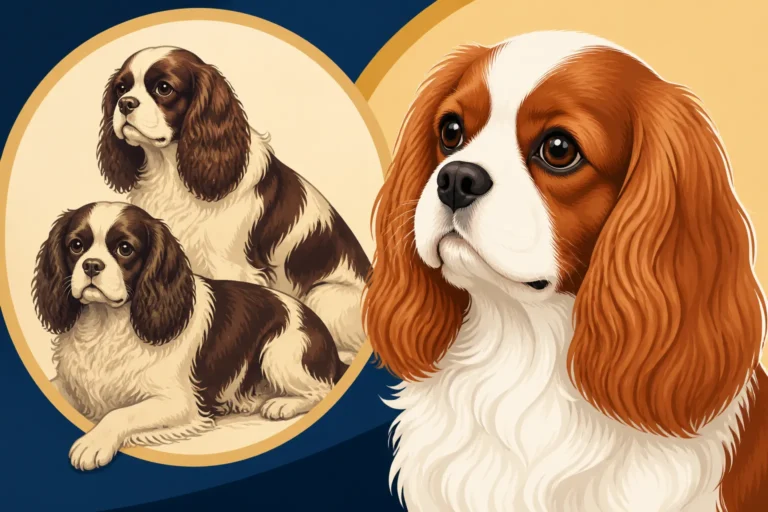
Whether a Cocker Is Just a Bigger Cavalier
It’s a common misconception, especially for those new to the world of companion dogs, to look at a Cavalier King Charles Spaniel and an American or English Cocker Spaniel and think they're simply different sizes of the same wonderful breed. They’re both spaniels, both have those irresistible soft eyes and silky coats, and both have "King Charles" somewhere in their lineage, but I'm here to tell you that this simply isn't the case. While they share a distant ancestry, a Cocker Spaniel is not just a bigger Cavalier. This guide will help you understand the significant differences between these two charming breeds, from their history and physical traits to their temperaments and care needs, helping you make an informed choice for your family.
A Tale of Two Spaniels: Understanding Their Distinct Histories
To truly appreciate the differences between the Cavalier King Charles Spaniel and the Cocker Spaniel, we have to journey back in time and look at how their paths diverged. Both breeds certainly sprung from the same large "land spaniel" group that graced European courts and fields for centuries, but their development took them in very different directions, shaped by human preference and purpose.
The Common Ancestry of Spaniels
Imagine a time when "spaniel" was a broad term, encompassing a variety of floppy-eared, affectionate dogs used for flushing game birds or simply warming laps. Cavaliers and Cockers both trace their lineage back to these ancient spaniels, particularly those popular in England. For generations, spaniels were bred less for rigid appearance standards and more for their utility and companionship. They were often found doting on nobility, like the small dogs at the court of King Charles II, who gave the Cavalier part of its name. These early spaniels were fluid in type, with variations in size and muzzle length popping up in the same litters. The foundation was a loving, eager-to-please nature, combined with a keen sense of smell and a desire to work alongside humans. It's fascinating to delve into The Court Spaniels the Cavalier Descends From to really understand this shared heritage.
The Divergence of Breed Development
The 19th century brought about a significant shift in dog breeding, with the formalization of breeds and the establishment of breed standards. This is where our two spaniels truly began to carve out their separate identities. The Cocker Spaniel, particularly the English Cocker Spaniel, was specifically developed for its working abilities, specialized in flushing woodcock (hence "Cocker") from dense cover. Breeders focused on sturdy bodies, powerful legs, and an enduring stamina needed for a day in the field. Over time, American breeders then took the English Cocker and developed what we now know as the American Cocker Spaniel, a slightly smaller, more refined version with a lavish coat, still retaining that sporting instinct.
Meanwhile, the Cavalier King Charles Spaniel went down a different route. Its ancestors, the Toy Spaniels, were cherished lapdogs, often depicted in paintings with ladies of the court. Over time, these toy spaniels evolved into the flatter-faced, domed-skulled King Charles Spaniel (often called the English Toy Spaniel in the US). It wasn't until the early 20th century that efforts were made to resurrect the "old type" of King Charles Spaniel, the one with the longer muzzle, reminiscent of those seen in paintings from Charles II's era. This dedicated effort led to the creation of the Cavalier King Charles Spaniel as a distinct breed, primarily bred for companionship, with less emphasis on working prowess. You can read more about this fascinating split in Why Cavalier and King Charles Spaniel Mean Two Dogs.
Physical Traits: More Than Just a Size Difference
When you see a Cavalier and a Cocker side by side, the most obvious difference is size, but trust me, that's just the tip of the iceberg. Their overall build, head shape, and coat types also vary significantly, reflecting their different historical purposes.
Size and Weight Comparison
Let's get down to brass tacks: size. The Cavalier King Charles Spaniel is firmly a toy breed. The breed standard typically calls for a weight range of 13 to 18 pounds and a height of about 12 to 13 inches at the shoulder. They are compact, graceful, and perfectly sized for cuddling on a lap or fitting comfortably into a carrier for travel. They are designed to be portable companions, and their smaller stature is a key part of their charm and function. The Cavalier Size the Standard Asks For gives a great breakdown of what is considered standard for a Cavalier.
Cocker Spaniels, on the other hand, are considerably larger. An American Cocker Spaniel, while smaller than its English cousin, still typically weighs between 20 to 30 pounds and stands 14 to 15 inches tall. English Cocker Spaniels are even larger, often reaching 26 to 34 pounds and 15 to 17 inches in height. These are medium-sized dogs, built with more substance and muscle, designed to cover ground and push through brush. Their build is sturdier, their bone structure heavier, all geared towards a more active, working role. While still affectionate, a Cocker is less likely to be a "carry-around" dog and more of a robust walking or hiking partner.
Skull Shape and Muzzle Length
This is where the historical divergence really shows up in their physical appearance. The Cavalier King Charles Spaniel, having been specifically bred to regain the "old type" spaniel look, has a relatively flat skull between the ears and a distinct, moderate muzzle length. Their stop (the indentation between the eyes) is shallow but defined, giving them that gentle, slightly melancholic, sweet expression that Cavalier owners adore. Their eyes are large, round, and dark, set well apart. This head structure is key to their iconic look.
Cocker Spaniels, whether American or English, present a different picture. The American Cocker has a more domed skull, especially prominent when viewed from the side, and a shorter, broader muzzle. Their stop is more abrupt. The English Cocker has a flatter skull than the American, but still a more pronounced stop and a longer, more powerful muzzle than the Cavalier, reflecting its need for scenting and carrying game. Their eyes are also dark and expressive, but often almond-shaped rather than the Cavalier's perfectly round orbs, and their expression leans more towards keen intelligence and enthusiasm rather than gentle wistfulness.
Coat Texture and Feathering
Both breeds boast beautiful, silky coats, but there are differences in texture, length, and how that luxurious fur behaves. The Cavalier's coat is typically moderately long, silky, and free from curl, though a slight wave is acceptable. They have abundant feathering on their ears, chest, legs, and tail, which adds to their elegant appearance. Their coat feels soft to the touch and requires regular brushing to prevent tangles, about three times a week, as discussed in Brushing a Cavalier's Feathering Three Times a Week. They do shed, but usually moderately, and don't have a thick undercoat, which some people mistakenly believe makes them hypoallergenic (it doesn't, really).
Cocker Spaniels, especially the American variety, are renowned for their truly lavish, flowing coats. It's often longer, denser, and sometimes has a softer, cottony texture compared to the Cavalier's silk. They have extensive feathering, particularly on the ears, chest, abdomen, and legs, which can sweep the ground. This stunning coat demands significant grooming attention. English Cockers also have long, silky coats with feathering, but usually less profuse than their American cousins, designed for practicality in the field. All Cocker Spaniels tend to be heavier shedders than Cavaliers and require more frequent and specialized grooming, often needing professional clipping or stripping in addition to daily brushing to keep mats at bay.
Temperament and Instincts: More Than Just a Sweet Face
While both breeds are renowned for being affectionate and friendly, their underlying temperaments and instincts are quite distinct, largely shaped by their breeding history. This is often the most surprising difference for prospective owners who think of them as interchangeable.
The Cavalier's Companionable Nature
Cavaliers are, at their core, companion dogs. They were bred for centuries to be lap warmers and devoted friends. This means their primary instinct is to be with their people. They truly live up to their "Velcro dog" nickname, often following you from room to room, seeking physical closeness. They are generally gentle, eager to please, and highly adaptable to various living situations, as long as they have their human family nearby. They thrive on attention and affection and are typically excellent with children and other pets, making them fantastic family dogs. Their sweet, docile nature makes them relatively easy to train, especially with positive reinforcement. While they do have some residual spaniel instincts like enjoying a good sniff on a walk, their prey drive is usually much lower than a Cocker's. You can see this companionable drive explored further in Why a Cavalier Follows You Room to Room and Cavalier Temperament and the Sporting Spaniel Beneath It.
The Cocker's Sporting Drive
Cocker Spaniels, both American and English, retain a much stronger sporting instinct. Remember, they were bred to work. This means they often possess a higher energy level, a strong desire to explore and scent, and a more robust prey drive. They love to chase squirrels, flush birds, and generally engage with their environment. While affectionate and loyal to their families, they are typically more independent and require more mental and physical stimulation than a Cavalier. An under-exercised Cocker can become bored or destructive. They are intelligent and trainable, excelling in dog sports like agility or scent work, but their exuberance and drive can sometimes make them a bit more challenging for first-time dog owners if not channeled appropriately. Their focus might be more on an interesting smell than on staying right by your side, which is important to consider if you're picturing leisurely off-leash strolls. Why a Cavalier Chases Birds Into the Road might offer some insight into spaniel instincts, even if a Cocker's is far more pronounced.
Socialization and Trainability
Both breeds generally respond well to positive reinforcement training due to their desire to please. However, their innate drives influence their training journey. Cavaliers, with their lower prey drive and high desire for human connection, are often very focused on their owners during training sessions, especially if treats are involved. They are sensitive souls, and harsh corrections can easily make them shut down. Their main challenge can sometimes be house-training if owners aren't consistent, or separation anxiety due to their intense attachment to people.
Cocker Spaniels are intelligent and often enjoy the challenge of training. Their working background means they are often very food-motivated and can be quick learners. However, their strong scent drive and higher energy can make them more easily distracted in busy environments. Consistency and clear boundaries are key. Early and thorough socialization is particularly important for Cockers, as some lines can be prone to timidity or resource guarding if not properly managed. Given their activity levels, ongoing training, even beyond basic obedience, can be very beneficial for a Cocker.
Health Considerations: Similarities and Divergences
No discussion of breed differences is complete without addressing health. Both Cavaliers and Cockers are susceptible to certain genetic health issues, and while there's some overlap due to their shared spaniel heritage, each breed also has its own specific concerns that prospective owners need to be aware of.
Shared Concerns: Heart and Eyes
One of the most significant health concerns shared by both breeds, though with different prevalence and presentation, is heart disease. Mitral Valve Disease (MVD) is notoriously common in Cavalier King Charles Spaniels, often appearing at a younger age than in other breeds. It's a progressive condition that can lead to heart failure. Mitral Valve Disease in the Cavalier King Charles Spaniel details this serious issue. While Cockers can also develop MVD, it's generally not as early-onset or as widespread within the breed as it is in Cavaliers. Dilated Cardiomyopathy (DCM) is another heart condition that can affect Cocker Spaniels, particularly American Cockers, where the heart muscle weakens and becomes enlarged.
Eye problems are another area of overlap. Both breeds can be predisposed to conditions such as cataracts, progressive retinal atrophy (PRA), and glaucoma. Careful screening by breeders is essential to try and reduce the incidence of these hereditary eye conditions. Regular veterinary check-ups that include eye examinations are crucial for early detection and management for both breeds.
Breed-Specific Health Challenges
Beyond the shared concerns, each breed carries its own unique genetic predispositions.
Cavalier King Charles Spaniel Specific Concerns:
- Syringomyelia (SM): This neurological condition, linked to Chiari-like malformation, is a serious concern in Cavaliers where the skull is too small for the brain, causing fluid-filled cavities (syrinxes) in the spinal cord. It can cause severe pain and neurological deficits.
- Patellar Luxation: Loose kneecaps are common in toy breeds, and Cavaliers are no exception.
- Ear Infections: While all drop-eared dogs are prone, Cavaliers can be particularly susceptible due to their heavy ear leather, which traps moisture and reduces airflow. Managing Cavalier Ear Infections and Why They Recur is a common part of ownership.
- Episodic Falling Syndrome: A genetic neurological condition unique to Cavaliers, causing muscle stiffness and collapse, often triggered by excitement.
Cocker Spaniel Specific Concerns:
- Autoimmune Hemolytic Anemia (AIHA): A serious immune-mediated disease where the body attacks its own red blood cells. Cocker Spaniels have a higher incidence than many other breeds.
- Hypothyroidism: An underactive thyroid gland, leading to weight gain, lethargy, and skin problems.
- Allergies: Cockers can be prone to environmental and food allergies, often manifesting as skin irritations or chronic ear issues.
- Lipomas: Benign fatty tumors are quite common in older Cockers.
- Hip Dysplasia: While more associated with larger breeds, Cockers can also be affected by this genetic joint condition.
- Rage Syndrome (American Cockers): A rare but serious behavioral issue characterized by unprovoked aggression.
When choosing either breed, always seek out a reputable breeder who conducts extensive health testing appropriate for their breed. For Cavaliers, this means regular cardiac evaluations by a board-certified cardiologist and often MRI screening for Syringomyelia. For Cockers, look for breeders who screen for eyes, hips, and thyroid.
Care and Grooming Needs: Preparing for the Daily Routine
Both breeds require dedication to their care, but the specifics of their grooming, exercise, and feeding regimens differ quite a bit due to their physical and temperamental traits.
Daily Brushing and Professional Grooming
The Cavalier's lovely silky coat is a joy, but it's not entirely maintenance-free. It requires regular brushing, ideally every other day, to prevent tangles and mats, especially behind the ears, in the armpits, and on their long leg and tail feathering. While they don't require extensive clipping, a sanitary trim and tidying of paw pads can be beneficial. They benefit from occasional baths, and their drop ears need regular cleaning and monitoring for infections. Many Cavalier owners manage their grooming at home with good quality brushes and combs (like those you might find at Chewy), but some opt for professional grooming every 6-8 weeks for tidying and bathing.
Cocker Spaniels, particularly the American Cocker, demand a far more intensive grooming regimen. Their profuse, dense coats are highly prone to matting and require daily brushing and combing to stay tangle-free. Beyond brushing, Cockers typically need professional grooming every 4-6 weeks, which often includes bathing, drying, clipping (especially on the back and head), and hand-scissoring of their abundant feathering. Their ears are also very heavy and prone to infections, necessitating vigilant cleaning and drying. Without consistent and thorough grooming, a Cocker's coat can quickly become matted and uncomfortable, leading to skin issues.
Here's a quick comparison of their typical grooming needs:
| Feature | Cavalier King Charles Spaniel | Cocker Spaniel (American/English) |
|---|---|---|
| Coat Length | Moderate to long | Long, profuse (American), Moderate (English) |
| Coat Texture | Silky, no curl (slight wave acceptable) | Silky to soft/cottony, often wavy |
| Shedding | Moderate, seasonal | Moderate to heavy, year-round |
| Brushing | 2-3 times per week, more during shedding seasons | Daily is often recommended, especially for American Cockers |
| Professional Grooming | Every 6-8 weeks for tidying/bath (optional for some owners) | Every 4-6 weeks for clipping, bathing, and scissoring (often essential) |
| Ear Care | Regular cleaning and checking for infections | Very frequent cleaning, vigilant monitoring for infections |
| Special Tools | Slicker brush, metal comb | Pin brush, slicker brush, metal comb, de-matting rake, clippers, scissors |
Exercise Requirements
This is another area where the breeds diverge significantly. Cavaliers are relatively low-energy dogs. They enjoy a couple of short walks a day (15-30 minutes each) and plenty of playtime in the house or a securely fenced yard. They are not typically built for strenuous, long-distance activities, especially as they get older or if they develop heart issues. Their exercise needs are easily met for most families, making them suitable for apartment living or less active households. That said, a Cavalier still needs its daily outings to stay mentally stimulated and maintain a healthy weight, which is critical for their heart health. Keeping a Cavalier at a Weight Its Heart Can Carry is vital for their longevity.
Cocker Spaniels have notably higher exercise requirements. Whether American or English, they are sporting dogs, and they need regular, vigorous exercise to be happy and well-behaved. This often means daily walks of at least 45-60 minutes, preferably with opportunities for off-leash running in a safe, fenced area, or engaging in activities like fetch, hiking, or dog sports. They thrive on having a "job" to do, even if it's just playing a game of hide-and-seek for their treats. If their energy isn't properly expended, Cockers can become restless, bark excessively, or develop destructive habits. They are better suited to active families who enjoy spending time outdoors and can commit to their exercise needs.
Feeding and Nutrition
Both breeds are prone to weight gain, so careful attention to diet is paramount. Given their smaller size, Cavaliers have relatively low calorie requirements. Free-feeding is generally discouraged, and measured meals twice a day are recommended. Choosing a high-quality small-breed kibble or a fresh-food diet appropriate for their age and activity level is important. Because MVD is so prevalent, many Cavalier owners are mindful of sodium intake, especially as their dogs age. You can find many suitable food options on platforms like Chewy, ensuring you select one that meets their nutritional needs without overdoing the calories.
Cocker Spaniels, being larger and more active, will naturally require more food than a Cavalier. However, like Cavaliers, they can easily become overweight if overfed, which can exacerbate joint problems and other health issues. Again, portion control and a balanced, high-quality diet are essential. Some Cockers with allergies may benefit from specific limited-ingredient or novel protein diets. Their higher activity levels mean they can often tolerate more calories, but it's still crucial to monitor their body condition and adjust food intake as needed.
Which Breed is Right for Your Lifestyle?
Ultimately, choosing between a Cavalier King Charles Spaniel and a Cocker Spaniel comes down to a clear understanding of your own lifestyle, expectations, and capacity to meet the needs of either breed. Both are incredibly loving and devoted dogs, but their "fit" in a home can be vastly different.
Matching Energy Levels
If you're looking for a relatively calm, adaptable companion who is happiest curled up on the sofa beside you after a couple of leisurely strolls, a Cavalier is likely your ideal match. They thrive in quieter households, with retirees, or families who spend a lot of time at home. They are perfectly content with a moderate level of activity and are less demanding when it comes to structured exercise.
On the other hand, if you lead an active lifestyle, enjoy hiking, jogging, or participating in dog sports, and can commit to providing ample daily exercise and mental stimulation, a Cocker Spaniel might be a better fit. They have more stamina and a greater desire for adventure. While they love to cuddle, they also need to burn off that working-dog energy. They'll appreciate a challenging game of fetch or a long walk exploring new scents much more than endless lap time.
Family Dynamics and Time Commitment
Cavaliers are generally known for their gentle nature and are often excellent with children and other pets, assuming proper socialization. Their primary need is companionship; they truly don't like being left alone for long periods. If you work long hours or travel frequently, a Cavalier might struggle with separation anxiety. They are a wonderful choice for families who can integrate their dog into their daily activities and provide constant company. Living With a Cavalier That Panics When Alone highlights this common challenge.
Cocker Spaniels are also very devoted family dogs, typically good with children and other pets. However, due to their higher energy and potential for stronger prey drive, supervision is always wise, especially with very small children or small, fast-moving pets. They can generally tolerate being alone for slightly longer periods than a Cavalier if their exercise needs are met, but still thrive on human interaction. Their grooming demands also mean a significant time commitment beyond just exercise and training.
Space and Environment Considerations
Cavaliers are perfectly suited for apartment living due to their small size and moderate exercise needs, as long as they get their daily walks and don't spend too much time alone. They adapt well to urban environments, provided they have access to safe outdoor spaces.
Cocker Spaniels, while still manageable in apartments, will require more intentional effort to meet their exercise needs if they don't have a large yard to play in. They will appreciate a securely fenced yard where they can run, sniff, and play to their heart's content. Their sporting instincts mean they'll be happier with more space and opportunities to explore. While they can adapt to city life, they often thrive more in suburban or rural settings where they have greater access to varied terrain and open spaces.
Ultimately, both breeds offer incredible companionship and loyalty. The key is to be brutally honest with yourself about the time, energy, and resources you can dedicate to a dog. They might both be spaniels, and both might steal your heart with their sweet expressions, but their daily care and intrinsic drives are worlds apart. By understanding these differences, you can choose the spaniel that truly fits your life, setting both you and your future furry family member up for a lifetime of happiness. For a broader look at breed suitability, you might find Whether a Cavalier Is the Right Dog for You insightful.
Disclaimer
This article is for general informational purposes only and does not constitute professional advice. Laws, prices and regulations vary by location and change over time. Consult a qualified professional for guidance on your specific situation.