Why Cavalier and King Charles Spaniel Mean Two Dogs
It’s incredibly confusing when you’re researching what seems like one beloved dog breed, only to discover there are two distinct ones with almost identical names: the Cavalier King Charles Spaniel and the King Charles Spaniel. Many people feel a pang of frustration trying to sort out the differences, especially when pictures online can look so similar at a glance. This guide will meticulously unravel the history, physical traits, and temperamental nuances that truly set these two charming spaniels apart, helping you understand their unique identities.
The Historical Roots: King Charles II and the Court Spaniels
To truly understand why we have two distinct breeds today, we need to take a delightful journey back in time, all the way to the royal courts of England. The story of these charming spaniels is deeply intertwined with royalty and the changing tastes of an era, and it’s where the confusion often begins.
Shared Ancestry at the Royal Court
Imagine the opulent palaces and grand estates of 16th and 17th century England. Here, small, affectionate spaniel-type dogs were absolute fixtures, beloved companions to queens and kings alike. These weren't yet the "Cavalier King Charles Spaniels" or "King Charles Spaniels" we know today, but rather their common ancestors – toy spaniels bred for companionship, comfort, and, frankly, to look adorable in the laps of nobility. They were often referred to simply as "comforter spaniels" or "court spaniels." These little dogs were cherished, often traveling with their owners and even sleeping in their beds.
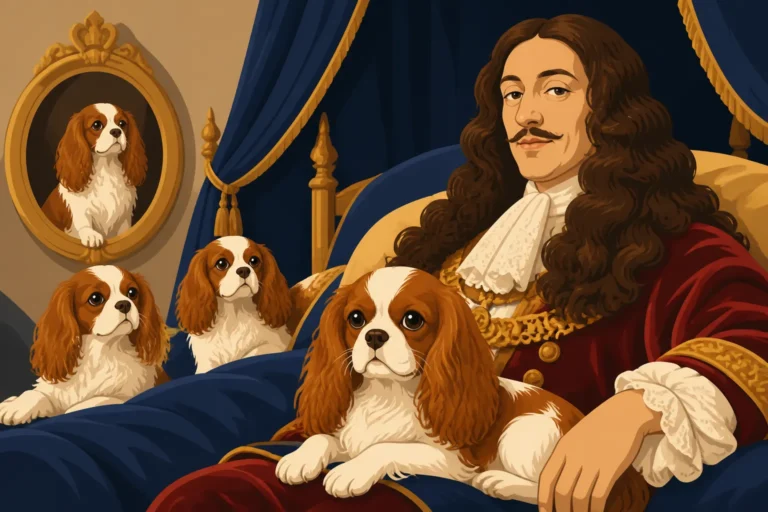
King Charles II, in particular, was famously devoted to these little dogs, so much so that they became indelibly linked with his name. He was rarely seen without a few of them trailing behind him, and it's said he even issued a decree stating that King Charles Spaniels should be allowed into any public place, including Parliament. While the specifics of that decree are more legend than documented law, it certainly speaks to his profound affection. This shared origin, this deep connection to the monarchy, is the bedrock for both modern breeds, giving them their historical "King Charles" moniker and a shared, if distant, aristocratic past.
The Original Spaniels and Their Royal Patrons
The spaniels favored by King Charles II were characterized by their flat skulls, relatively long muzzles, and large, expressive eyes. They were lively, gentle, and perfectly suited to a life of leisure and affection. Portraits from the period, particularly those of Sir Anthony Van Dyck, beautifully capture these dogs. Look closely at these old paintings, and you'll see dogs that bear a striking resemblance to our modern Cavalier King Charles Spaniel – that unmistakable sweet expression, the flowing feathering, and a head shape that is distinctly not what later became fashionable. These dogs were essentially working spaniels miniaturized for the comfort of the aristocracy, retaining many of their ancestral traits despite their change in occupation from field to lap.
They were known for their biddability and their cheerful nature, traits that made them ideal house pets. It was an era when dogs were not just pets but living symbols of status and companionship. Their popularity among the elite meant they were carefully bred and cherished, setting the stage for the later development and refinement of distinct lines. The original vision for these dogs was one of balanced proportions and athleticism in a compact form, traits that would eventually be sought after again centuries later when the Cavalier King Charles Spaniel was intentionally "brought back."
Early Diversification of the Toy Spaniel Type
Even during these early centuries, there was likely some natural variation among the "toy spaniels" of the court. Breeders and fanciers would have selected for different traits, perhaps slightly altering head shape or body size over generations, even if not yet defining distinct breeds with written standards. These dogs weren't all uniform clones; they represented a spectrum of the toy spaniel type. However, the foundational look, the one so beloved by King Charles II, tended towards a longer muzzle and a moderately domed head, allowing for a good sense of smell and comfortable breathing.
This original type was maintained, to varying degrees, until new influences began to arrive on English shores. These foreign trends, particularly from East Asia, would introduce a dramatic shift in canine aesthetics and eventually lead to the significant divergence that created the two breeds we discuss today. The initial, relatively stable gene pool began to experience new pressures, pushing some lines in very different directions while others held closer to the historical ideal.
The Divergence: How Breed Standards Shifted
The history of these spaniels isn't a straight line; it’s a fascinating tale of fashion, selective breeding, and a determined effort to reclaim a lost look. The crucial point of divergence came not from a sudden mutation, but from a gradual shift in what was considered desirable in a toy spaniel.
The Impact of Eastern Breeds and Changing Fashions
By the 18th and 19th centuries, England's trade routes opened up, bringing exotic goods and, more importantly for our story, exotic dogs from the East. Breeds like the Pug and the Japanese Chin, with their distinctly flat faces, large eyes, and domed skulls, captured the imagination of European nobility. Suddenly, the long-nosed "King Charles Spaniel" began to look old-fashioned. Breeders, always keen to follow trends and cater to demand, started to cross their existing toy spaniels with these imported, brachycephalic (short-nosed) dogs.
This period saw a profound change in the spaniel's appearance. The muzzle, once a prominent feature, became significantly shorter, almost pushed back into the face. The skull became more domed, and the eyes appeared larger and more round. This new, "modern" look was seen as more refined, more unique, and more fashionable. Over generations, the breeders of these toy spaniels actively selected for these exaggerated features. This intentional breeding away from the original royal court type ultimately led to the creation of the breed we now officially recognize as the King Charles Spaniel (or English Toy Spaniel in the US). This breed embodies those distinctive short-faced traits. You can see how Why Cavalier Ancestors Lost Their Muzzles explains this shift in more detail.
The Rise of the Short-Nosed Toy Spaniel
The new, short-faced toy spaniel quickly gained popularity and was firmly established by the mid-19th century. This breed, later standardized as the King Charles Spaniel, has a very distinctive appearance: a round, domed head, a very short, upturned nose, a prominent stop (the indentation between the eyes), and large, round, dark eyes that give it a perpetually sweet, almost mournful expression. Their ears are still long and feathered, and their coat remains luxurious, but the head structure is dramatically different from their ancestors.
The breed clubs and show circuits embraced this new standard, and it became the definitive "King Charles Spaniel" for many years. When people spoke of a King Charles Spaniel during this era, they were referring to this short-faced variety. It was a complete transformation from the dogs that had trotted at the heels of Charles II. This new breed was compact, often weighing slightly less than modern Cavaliers, and perfectly suited to being a pampered lapdog, less inclined to the energetic pursuits of their longer-nosed relatives. Their smaller size and distinctive head made them quite distinct from other spaniel types.
The Push to Revive the Longer-Nosed Variety
Fast forward to the early 20th century, and a fascinating reversal began. A wealthy American dog fancier named Roswell Eldridge visited England and was dismayed to find that the original type of King Charles Spaniel, the one depicted in those beautiful historical paintings, had virtually disappeared. He lamented the loss of the longer muzzle and the more athletic build. He believed that the short-faced trend had gone too far, and he wanted to see the older type revived. This is where the story of the Cavalier King Charles Spaniel truly begins its distinct path.
Eldridge put up a generous cash prize at Crufts, the prestigious British dog show, offering an award for "any Blenheim Spaniel of the old type, as shown in the pictures of Charles II's time, long face, no stop, flat skull, not inclined to be domed, and with the spot in the centre of the skull." This specific advertisement, detailed in The 1926 Advertisement That Revived the Cavalier, lit a spark among a small group of dedicated breeders. They began to seek out and breed the few remaining dogs that still carried these "old type" characteristics, deliberately moving away from the fashionable short-faced look. This was the genesis of the Cavalier King Charles Spaniel, a breed explicitly created to resemble the spaniels of King Charles II's era.
Physical Differences: Distinguishing Features
While both breeds are undeniably charming toy spaniels, their physical distinctions are quite pronounced once you know what to look for. These differences aren't just cosmetic; they impact everything from breathing to dental health.
The Cavalier's Longer Muzzle and Flatter Skull
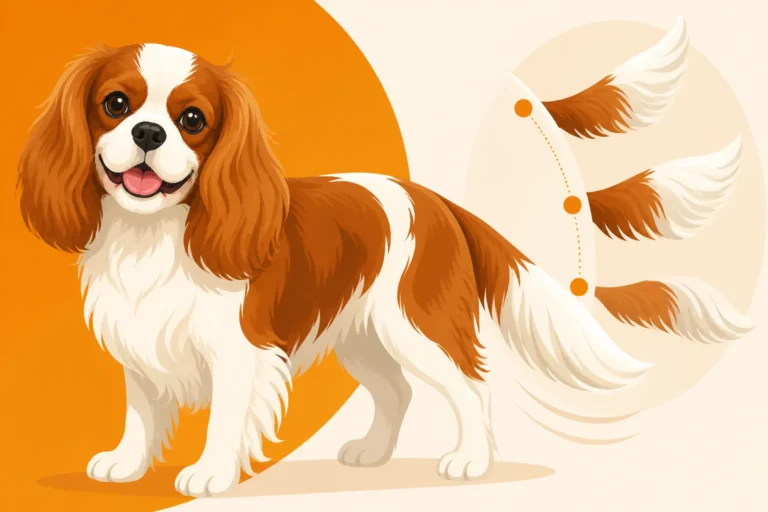
The most striking difference you'll immediately notice between the two breeds is the head structure. The Cavalier King Charles Spaniel boasts a moderately long muzzle that tapers slightly, meeting a well-defined but not exaggerated stop. Their skull is relatively flat between the ears. This head shape is a direct nod to their ancestors, providing ample space for their internal structures. It gives them a sweet, gentle, and often slightly melancholic expression that melts hearts. The length of their muzzle is proportional to their skull, creating a balanced profile. This feature also allows for easier breathing and significantly reduces the risk of brachycephalic airway syndrome, a common concern in very short-nosed breeds.
This aspect is so fundamental to the breed's identity that it's highlighted in their standard, which you can read about in The AKC Standard for the Cavalier King Charles Spaniel. Their jaws are strong and meet in a perfect scissor bite, and their teeth are usually well-aligned and uncrowded. This contrasts sharply with the often crowded and misaligned teeth seen in breeds with extremely foreshortened muzzles. It's truly a defining characteristic, embodying the "old type" that breeders worked so hard to bring back.
Size and Proportions: A Tale of Two Frames
Beyond the head, there are subtle but important differences in overall size and body proportion. Cavalier King Charles Spaniels are generally slightly larger and more robust than their King Charles Spaniel cousins. Cavaliers typically stand between 12 to 13 inches at the shoulder and weigh between 13 to 18 pounds. They possess a sturdy, well-balanced body that is slightly longer than it is tall, giving them a graceful yet athletic appearance. Their gait is free and elegant, reflecting their ancestral spaniel heritage. They carry themselves with an air of gentle dignity, but also a readiness for a playful romp.
In contrast, the King Charles Spaniel tends to be more compact, often weighing a few pounds less and standing a bit shorter, usually between 9 to 12 inches and weighing 8 to 14 pounds. Their body structure is often described as square and cobby, giving them a more delicate, toy-like appearance. While both are small, the Cavalier typically has a more substantial feel, a sturdier frame that reflects its deliberate breeding to resemble the earlier, more athletic spaniel type.
Ear Set, Eye Shape, and Overall Expression
The ears, eyes, and overall facial expression also contribute to distinguishing these two breeds. Both have long, heavily feathered drop ears, but the way they frame the face subtly differs due to the skull shape. The Cavalier's ears are set high, hanging close to the cheeks, with profuse feathering that can reach quite long. Their eyes are large, round, dark, and set well apart, but they do not bulge. The combination of the flat skull, longer muzzle, and dark, non-bulging eyes gives the Cavalier its quintessential soft, melting, and intelligent expression.
The King Charles Spaniel, on the other hand, often has ears set lower, and while also long and feathered, they can appear to blend more with the very domed head. Their eyes are proportionally much larger and rounder, and often quite prominent, giving them an almost pleading, wide-eyed look. The extremely short muzzle contributes to this distinct expression, sometimes described as melancholic or wistful. The pronounced stop and very short nose are key identifiers, creating a much flatter face than the Cavalier. It's these cumulative details, especially around the face, that truly differentiate them once you learn to observe them closely.
Here's a quick comparison table:
| Feature | Cavalier King Charles Spaniel | King Charles Spaniel (English Toy Spaniel) |
|---|---|---|
| Muzzle Length | Moderately long, tapering | Very short, upturned (brachycephalic) |
| Skull Shape | Relatively flat between ears | Highly domed (apple-domed) |
| Eyes | Large, round, dark, set well apart, no bulge | Very large, round, prominent, often bulging |
| Weight | 13-18 pounds | 8-14 pounds |
| Height | 12-13 inches | 9-12 inches |
| Overall Build | Sturdy, well-balanced, slightly longer than tall | Compact, cobby, more square-bodied |
| Expression | Sweet, gentle, intelligent, melting | Wistful, delicate, almost pleading |
| Dental Health | Generally good, less crowding | Prone to dental crowding and misalignment |
Temperament and Health Contrasts
While both breeds are renowned for their loving dispositions, there are subtle differences in their inherent temperaments and, perhaps more significantly, in the health challenges they face, often linked to their distinct physical structures. Understanding these can help a prospective owner choose the best fit for their home.
Personality Nuances: The Sporting Heart vs. the Couch Potato
The Cavalier King Charles Spaniel is often described as having the best of both worlds: the gentle, affectionate nature of a lapdog combined with the enthusiastic, playful spirit of a sporting spaniel. They are famously adaptable, equally happy cuddling on the sofa or exploring the yard. Their desire to please and their intelligence make them relatively easy to train, and they generally get along well with children, other pets, and strangers. They are outgoing and sociable, thriving on interaction and companionship. This duality, this "sporting spaniel beneath" the companionable exterior, is beautifully captured in Cavalier Temperament and the Sporting Spaniel Beneath It. They need regular walks and mental stimulation, but they're not hyperactive. They are very much a part of the family, always wanting to be where their people are.
The King Charles Spaniel, on the other hand, tends to be a bit more reserved and discerning, sometimes described as having a more "regal" or "aristocratic" demeanor. While deeply devoted to their families, they can be a touch shyer with strangers and might prefer a quieter, calmer environment. They are content with less vigorous exercise, perfectly happy with short strolls and extensive lap time. Their playfulness is often expressed in short bursts rather than sustained activity. They possess a quiet elegance, often observing the world from a comfortable perch rather than diving headfirst into every adventure. Both breeds are immensely loving, but the Cavalier tends to be more overtly effusive and ready for anything.
Health Predispositions in Each Breed
Health is a crucial area where the divergence in breeding truly impacts the dogs. The Cavalier King Charles Spaniel, despite the efforts to revive the "old type," still faces significant breed-specific health challenges due to its foundational genetics. Mitral Valve Disease (MVD) is incredibly prevalent, often appearing at a young age. This is a progressive heart condition that is the leading cause of death in the breed. You can read more about it in Mitral Valve Disease in the Cavalier King Charles Spaniel. Syringomyelia (SM), a neurological condition where the brain is too large for the skull, causing fluid-filled cavities in the spinal cord, is also a serious concern. Episodic Falling Syndrome and certain eye conditions are also seen. Responsible breeders for Cavaliers undertake extensive health testing to try and mitigate these issues, but potential owners must be aware.
The King Charles Spaniel (English Toy Spaniel) also has its own set of breed-specific health concerns, though some differ from the Cavalier's. Due to their brachycephalic (short-nosed) structure and domed head, they can be prone to respiratory issues, palate problems, and eye conditions like entropion or cherry eye. Their crowded jaws also make them highly susceptible to Cavalier Dental Disease in a Crowded Jaw, often requiring early and frequent dental care. While heart disease can occur, it's not the same overwhelmingly prevalent issue as MVD in Cavaliers, and Syringomyelia is far less common. Both breeds benefit from excellent veterinary care and regular check-ups, but the focus of potential health concerns shifts with their different physical compositions.
Exercise Needs and Trainability
Their differing temperaments naturally lead to varied exercise and training requirements. A Cavalier King Charles Spaniel, with its "sporting heart," needs daily walks and opportunities to sniff and explore. While they aren't marathon runners, they thrive on moderate activity, fetching toys, and engaging in games with their owners. They are intelligent and eager to please, making them generally easy to train with positive reinforcement. They excel in activities like obedience, rally, and even scent work. Consistent, gentle training from a young age helps them become well-adjusted companions. They adore learning new things, especially if it involves treats from Chewy!
The King Charles Spaniel typically has lower exercise requirements. Short, leisurely walks are usually sufficient to keep them happy and healthy. They prefer indoor activities and are generally not suited for strenuous exercise or long hikes. Their brachycephalic structure can make them less tolerant of heat and overexertion. In terms of training, they are intelligent but can sometimes be a bit more independent or even stubborn compared to the Cavalier's eagerness. They respond best to patience, positive reinforcement, and a calm approach. Potty training can sometimes be a longer process for them due to their smaller bladders and sometimes delicate nature. For both breeds, early socialization is key to ensuring they grow into confident, friendly adults.
The Naming Confusion: Why the Names are Similar
This is where the plot thickens for many, making it truly difficult to tell the two breeds apart in conversation or in early research. The similarity in names isn't accidental; it’s a direct reflection of their shared heritage and the path of breed development.
"King Charles Spaniel" as the Original Umbrella Term
Historically, "King Charles Spaniel" was a broad term used to describe all the toy spaniels descended from the court dogs, regardless of whether they had the longer muzzle of the original type or the shorter muzzle that came into fashion later. For centuries, there wasn't a need for separate distinctions because they were considered variations within the same overall "type" of dog. The name evoked the royal lineage and the beloved companion status these dogs held.
When the shorter-faced dogs became overwhelmingly popular in the 19th century, they simply became the King Charles Spaniel. There was no other type in widespread existence to differentiate from. This effectively "monopolized" the name for the newer, brachycephalic variety. This left no room for the old type within the existing terminology when a movement began to revive it. It's similar to how an "apple" might refer to one common variety until a new, distinct variety emerges, requiring a modifier. The established name stuck with the prevailing type.
The Formal Recognition of Two Distinct Breeds
When Roswell Eldridge and his dedicated group of breeders set about reviving the longer-nosed spaniel, they faced a naming dilemma. They couldn't simply call it the "King Charles Spaniel" again, because that name was already firmly established and associated with the short-faced variety. To clearly distinguish their efforts and the dogs they were producing, they added "Cavalier" to the name, specifically "Cavalier King Charles Spaniel."
The term "Cavalier" harks back to the Royalist supporters of King Charles I during the English Civil War, and later his son, King Charles II. These Cavaliers were known for their dashing style and loyalty, often depicted with long hair and their loyal spaniels. By appending "Cavalier" to "King Charles Spaniel," the new breed's founders were making a clear statement: this was the original type, the one favored by the Cavaliers themselves. This clever naming strategy helped solidify the identity of the "new" old breed and differentiate it formally from the already recognized King Charles Spaniel. Both breeds are now fully recognized as separate entities by major kennel clubs worldwide, such as the AKC and The Kennel Club (UK).
Navigating Registration and Pedigrees
For anyone looking to acquire either breed, understanding this naming convention is absolutely critical when examining registration papers and pedigrees. If you see "King Charles Spaniel" on official documents, particularly in the United States, it almost invariably refers to the short-faced breed, which the AKC recognizes as the English Toy Spaniel. In the UK, it is indeed simply called the King Charles Spaniel.
Conversely, if you are looking for the longer-nosed, more popular companion breed, you must look for "Cavalier King Charles Spaniel" on all paperwork. A reputable breeder will always provide clear, accurate documentation that specifies the full breed name. Any ambiguity should be a red flag. It’s not uncommon for less scrupulous breeders or puppy mills to try and leverage the confusion, perhaps implying one breed when selling another, or using the names interchangeably to mislead buyers. Always check the full name and compare the puppy's physical traits against the breed standard you are interested in. The Paperwork a Cavalier Puppy Should Arrive With is a great resource to ensure you're getting legitimate documentation.
Bringing the "Old Type" Back: Roswell Eldridge's Vision
The story of the Cavalier King Charles Spaniel isn't just about divergence; it's also a compelling narrative of reclamation and the passionate pursuit of an ideal. It all hinges on one man's vision and the dedication of early breeders.
Who Roswell Eldridge Was to the Cavalier and His Quest
Roswell Eldridge was an American, but his impact on a British breed was monumental. He wasn't just a casual dog lover; he was a serious fancier with a keen eye for historical accuracy and a deep appreciation for the original aesthetic of the King Charles Spaniel. He observed the direction that breeding had taken – the increasing shortening of the muzzle and the doming of the skull – and felt a profound sense of loss for the look that had captivated him in old paintings. He believed that the true spirit and appearance of Charles II's dogs had been lost in the pursuit of ever-shorter faces.
His quest was simple: to find and encourage the breeding of dogs that resembled the spaniels of the Stuart kings. He didn't want to create a new breed entirely; he wanted to restore an old one. This was a bold and counter-cultural move at a time when the short-faced variety dominated the show rings and public imagination. Eldridge's unwavering determination provided the initial impetus and financial incentive needed to begin this monumental task. He understood that without a specific goal and a reward, the few breeders still holding onto the "old type" might simply fade away. You can delve more into Who Roswell Eldridge Was to the Cavalier for additional context.
The 1926 Advertisement That Ignited the Revival
The most pivotal moment in the Cavalier's resurgence was undoubtedly Roswell Eldridge's offer of prize money at Crufts between 1926 and 1930. He didn't just express a wish; he put his money where his mouth was, offering £25 (a significant sum at the time) for the best "Blenheim Spaniel of the old type." His specific criteria, published in the show catalog, were crucial: "long face, no stop, flat skull, not inclined to be domed, and with the spot in the centre of the skull." This was a direct blueprint for what he considered the historically correct appearance.
This advertisement was a game-changer. It drew attention to the neglected "old type" and gave a clear directive to breeders. It provided a tangible goal and a financial incentive, which is incredibly powerful in the world of dog breeding. Breeders who had perhaps kept a few dogs that didn't fit the dominant short-faced trend suddenly realized their dogs had value and a new purpose. This act galvanized a small but dedicated group of enthusiasts who shared Eldridge's vision, leading them to actively search for and breed dogs that met these specific "long face" criteria. Without this catalytic moment, the Cavalier King Charles Spaniel as we know it might never have been revived. It truly was the spark that ignited a movement to bring back The Old Type of Cavalier Eldridge Wanted Back.
Founding the Cavalier King Charles Spaniel Club
Following the momentum generated by Eldridge's prize, the dedicated breeders who gathered these "old type" spaniels realized they needed a formal organization to continue their work. In 1928, just two years after Eldridge's initial prize offer, they formed the Cavalier King Charles Spaniel Club. This was a critical step in solidifying the identity of the revived breed. The club established the first breed standard, based directly on Eldridge's descriptions and the historical paintings. This standard was vital for guiding future breeding decisions, ensuring consistency, and preventing the breed from drifting back towards the short-faced fashion.
It took time and sustained effort, but the club tirelessly worked to gain recognition for their "new" breed. Initially, The Kennel Club (UK) allowed these dogs to be shown as a "variety" of the King Charles Spaniel, categorized as "King Charles Spaniels, Cavalier type." It wasn't until 1945 that the Cavalier King Charles Spaniel was granted full separate breed status by The Kennel Club, marking its official recognition as distinct from the King Charles Spaniel. This journey from historical painting to formal breed status highlights the dedication and passion of those early Cavalier enthusiasts.
Living with Each Breed: What to Expect as an Owner
Beyond their appearance and history, the daily realities of owning a Cavalier King Charles Spaniel versus a King Charles Spaniel can present different experiences due to their distinct physical and temperamental traits. Knowing these practical aspects can greatly influence your decision.
Grooming Demands: Coats and Ear Care
Both breeds possess luxurious, silky coats that require regular attention, but the specifics can vary slightly. Cavalier King Charles Spaniels have a medium-length, silky coat with abundant feathering on their ears, chest, legs, and tail. This beautiful coat, while not excessively shedding, does require consistent brushing several times a week to prevent mats and tangles, especially behind the ears and in the "armpits." Their long, drop ears also need regular cleaning and checking for signs of infection, a common issue for spaniels. A good quality slicker brush and metal comb from a place like Chewy are essential tools for a Cavalier owner. Owners also need to be mindful of keeping their long ear feathering out of food and water, often using snoods during meal times. Regular professional grooming appointments, typically every 6-8 weeks, can also help maintain their pristine appearance, with a groomer knowing What a Cavalier Groomer Should and Should Not Cut.
The King Charles Spaniel also has a long, silky coat with heavy feathering, particularly on the ears, chest, and legs. Because they are generally smaller, their grooming might feel slightly less intensive in terms of sheer volume of hair, but the delicacy of their features requires careful handling. Their prominent eyes can sometimes experience tear staining, requiring gentle daily cleaning. Like Cavaliers, their drop ears are prone to infections and need consistent attention. Their dental health, as mentioned, is a significant concern. Due to their crowded jaws, regular brushing and professional dental cleanings are often more critical and frequent than for Cavaliers, making the overall grooming routine potentially more intricate in specific areas.
Suitability for Different Lifestyles
The Cavalier King Charles Spaniel is known for its incredible adaptability, making it a fantastic choice for a wide range of households. They thrive in homes where they can be an integral part of family life, whether that's a bustling family with children, a quieter retired couple, or an active individual. They are generally good with other pets and are often described as "velcro dogs," wanting to be close to their humans. They require moderate exercise, like daily walks and playtime, and consistent attention. They do not do well when left alone for long periods, often developing separation anxiety. They are relatively easy to travel with due to their size and agreeable nature.
The King Charles Spaniel, with its slightly more reserved nature and lower exercise needs, might be better suited for quieter homes or individuals who prefer a less demanding companion. They are ideal for apartment living and for those with limited mobility or energy for long walks. While they are affectionate and loyal to their families, they can be more sensitive to noise and chaos and might prefer a calm environment. They can be shy with strangers, so early socialization is important. Their preference for a less active lifestyle also means they are perfectly happy to curl up on a lap for extended periods, making them truly quintessential lapdogs. However, their brachycephalic nature means they can struggle in warm weather, so owners must be diligent about keeping them cool.
Feeding Considerations for Different Skull Shapes
Feeding both breeds involves common sense pet nutrition, but the distinct head shapes can introduce specific considerations. For Cavalier King Charles Spaniels, finding a high-quality small breed kibble that provides balanced nutrition for their moderate activity levels is key. Their longer muzzle generally means they can eat from standard bowls without much difficulty, though deeper bowls can lead to their long ears dipping into their food. Many Cavalier owners use snoods to keep ears clean during meals. Portion control is also crucial, as Cavaliers are prone to weight gain, which can exacerbate heart conditions. Chewy offers a wide range of small breed-specific foods and portion-control bowls that can be very helpful for managing their weight.
For King Charles Spaniels, the primary feeding concern often revolves around their extremely short muzzle and sometimes undershot jaw. Some short-nosed breeds can struggle with eating certain kibble shapes or sizes, finding it hard to pick up or chew effectively. Owners might need to experiment with different kibble brands or consider moistened food. Their predisposition to dental problems means careful attention to dental hygiene is paramount; dental treats or additives can supplement regular brushing. Also, because of their potentially delicate respiratory systems, eating too quickly can sometimes lead to gulping air. Using slow feeder bowls can be a good strategy to manage this. Monitoring their weight is equally important, as excess weight can put additional strain on their respiratory system.
Recognizing a Reputable Breeder: Ensuring You Get What You Expect
Choosing a reputable breeder is always paramount, but when dealing with two breeds that have such similar names and a shared history, it becomes even more critical. You want to be absolutely sure you're getting the breed you desire, bred with health and temperament in mind.
Understanding Health Clearances for Both Breeds
A truly reputable breeder for either the Cavalier King Charles Spaniel or the King Charles Spaniel will be transparent and proactive about health testing. They understand the genetic predispositions of their breed and actively work to reduce the incidence of these diseases. For Cavaliers, this means genetic testing for The Episodic Falling DNA Test for Cavaliers and regular cardiac screenings by a board-certified veterinary cardiologist, including echocardiograms, especially for breeding dogs aged two and a half years and older, with annual screenings for all breeding dogs. MRI screening for Syringomyelia is also highly recommended, particularly for breeding stock. They should be able to show you documentation for these tests for both parents and sometimes grandparents.
For King Charles Spaniels (English Toy Spaniels), health clearances will focus on issues relevant to their brachycephalic structure. This includes screening for patellar luxation, eye conditions, and general cardiac health. While their heart disease concerns differ from the Cavalier's MVD, a healthy heart is important for any breed. Breeders should be open about any dental issues in their lines, given the commonality of crowded mouths. They should provide documentation for relevant health screenings from organizations like the Orthopedic Foundation for Animals (OFA) or the Canine Health Information Center (CHIC). Always ask to see current health certificates and be wary of breeders who claim their dogs are "healthy" without providing verifiable proof.
Meeting the Parents and Observing Temperament
A responsible breeder will welcome you to meet the puppy's mother and, if possible, the father, or at least provide extensive information and photos of him. This visit is invaluable for several reasons. Firstly, it allows you to see the conditions in which the puppies are raised – a clean, safe, and stimulating environment is a must. Secondly, and perhaps most importantly, observing the temperament of the mother dog (and father, if present) can give you a strong indication of your future puppy's personality. Is she friendly, calm, and outgoing, or shy and fearful? Puppies inherit not only genetics but also learn behaviors from their mother.
Furthermore, meeting the parents allows you to visually confirm that they are indeed the breed you are looking for. You can observe their head structure, size, and overall appearance to ensure they align with the characteristics of either a Cavalier King Charles Spaniel or a King Charles Spaniel. A breeder should be knowledgeable about the differences between the two breeds and able to articulate why they specialize in one over the other. Pay attention to how the puppies interact with their mother and siblings, and with you. Healthy, well-socialized puppies should be curious and playful, not overly timid or aggressive.
The Paperwork a Cavalier Puppy Should Arrive With
When you finally bring your puppy home, a reputable breeder will provide a comprehensive packet of paperwork. This isn't just a formality; it's a testament to their ethical breeding practices and your puppy's lineage and health. This packet should include the puppy's registration papers (or an application for registration) clearly stating "Cavalier King Charles Spaniel" from a recognized kennel club. It should also include a copy of the parents' health clearances, particularly for hearts, eyes, and any relevant genetic tests. You can read more about what to expect in The Paperwork a Cavalier Puppy Should Arrive With.
Beyond breed and health documentation, you should receive a written health guarantee, often covering specific genetic conditions for a certain period. Details on the puppy's vaccination and deworming schedule, often including veterinary records, are also essential. Many breeders will also provide a puppy starter kit, which might include a small bag of the food the puppy has been eating (perhaps a high-quality brand available at Chewy), a toy with the litter's scent, and detailed care instructions. A comprehensive contract outlining the terms of sale and any spay/neuter agreements is standard. Never accept a puppy without these crucial documents, as they are your assurance of your dog's heritage and initial health.
Disclaimer
This article is for general informational purposes only and does not constitute professional advice. Laws, prices and regulations vary by location and change over time. Consult a qualified professional for guidance on your specific situation.