The Old Type of Cavalier Eldridge Wanted Back
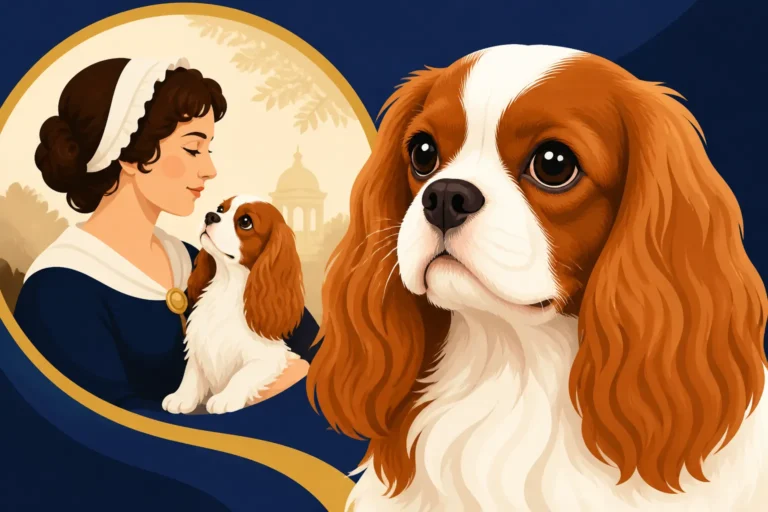
Oh, the Cavalier King Charles Spaniel! Such a sweet, endearing breed, but their history is more complex and fascinating than many people realize. When we talk about "the old type of Cavalier," we're really delving into a story of rediscovery, a passionate quest to bring back a look and form that had almost vanished. Many people look at a modern Cavalier and assume they've always looked exactly this way, but the truth is, the breed we cherish today is a deliberate recreation, born from one man's deep admiration for the dogs of yesteryear. This guide will walk you through that journey, exploring the historical spaniels, what changed them, and how a vision brought them back from the brink.
Understanding the Royal Spaniel's Evolution
To truly appreciate the "old type" that captivated Roswell Eldridge, we first need to cast our minds back centuries, to a time when these charming little dogs were truly companions to royalty and nobility. They weren't just pets; they were living hot water bottles, comforters, and even status symbols. However, like many breeds, their appearance wasn't static; it changed dramatically over time, influenced by fashion, interbreeding, and human preferences. Understanding this evolution is key to grasping what was "lost" and what Eldridge sought to reclaim.
The Court Spaniels of Charles II
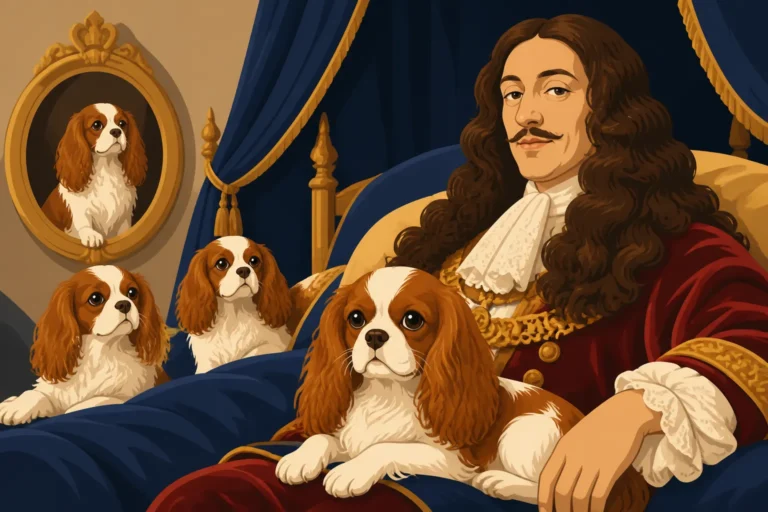
Imagine the grand halls of 17th-century England, bustling with activity, adorned with tapestries, and inevitably, filled with the soft pitter-patter of little paws. King Charles II was famously inseparable from his small spaniels, taking them everywhere—even to official state functions! These dogs, the ancestors of our modern Cavaliers, were celebrated for their affectionate natures and charming dispositions. Portraits from this era, by artists like Van Dyck and Stubbs, consistently depict a distinctive type of spaniel: elegant, with a fairly flat skull, a moderate-length muzzle, and large, dark eyes. They were clearly refined, intelligent-looking dogs, without the extremely shortened faces that would become fashionable later. They were lively, yet gentle, perfectly suited to the laps of the aristocracy. These were the Cavalier Ancestors at the Court of Charles II, the very essence of the "old type" that inspired a revival centuries later.
These early spaniels were not merely decorative; they shared the lives of their owners in a way few other breeds did. They would accompany ladies in their carriages, warm beds on cold nights, and offer comfort. Their gentle temperaments were already a hallmark. While not formally bred to a "standard" as we understand it today, there was a recognizable consistency in their appearance through artistic depictions. They represented a golden age for the toy spaniel, a time before drastic changes altered their physical form and perhaps, some of their inherent health and functionality. The length of their muzzles, in particular, allowed for unimpeded breathing and a less extreme facial structure than would later emerge, something that would become a central point in Eldridge's quest.
The Influence of Brachycephalic Crosses
Fast forward to the 18th and 19th centuries, and a new aesthetic began to dominate the dog world. Fashion dictated that dogs with very short, pushed-in faces—what we call "brachycephalic" today—were highly desirable. This trend was largely influenced by the introduction of Asian breeds like the Pug and the Japanese Chin to Europe. Breeders of the English Toy Spaniel (then often referred to as the King Charles Spaniel, blurring the lines that would later lead to the question Why Cavalier and King Charles Spaniel Mean Two Dogs) began to outcross their elegant spaniels with these flat-faced breeds. The result was a dramatic shift in appearance: the skulls became more domed, the muzzles significantly shortened, and the eyes often larger and more prominent.
This transformation was profound. While perhaps seen as an improvement by the standards of the day, it essentially created a different dog. The long, elegant muzzles, once a hallmark of the Royal Spaniel, were progressively bred out. This wasn't just a cosmetic change; it had functional implications for breathing, dental health, and overall conformation. The dogs became more fragile, less athletic, and visually very distinct from their 17th-century ancestors. The "old type" simply receded, eventually becoming a rarity, if not completely vanishing from common sight. The focus shifted entirely to the domed head and flat face, which became the prevailing ideal for what was then known as the King Charles Spaniel. Many modern enthusiasts lament these The Pug Crosses That Shortened the Cavalier's Face, recognizing the unintended health consequences that sometimes accompanied these structural alterations.
The "Old Type" Versus the Victorian King Charles Spaniel
When Roswell Eldridge set out on his mission, he wasn't just vaguely looking for "old dogs." He had a very clear mental image, drawn directly from those historical paintings, of what a true King Charles Spaniel should look like. This vision stood in stark contrast to the popular show dogs of his own time, which embodied the Victorian aesthetic of extreme brachycephaly. Understanding these differences isn't just a matter of historical curiosity; it illuminates the very essence of what defines a Cavalier King Charles Spaniel today.
Distinctive Features of the Two Types
Let's put it simply: if you were to stand the Victorian-era King Charles Spaniel next to the "old type" that Eldridge envisioned, you'd be hard-pressed to believe they were even related, let alone branches of the same family tree. The Victorian King Charles Spaniel, which we now recognize as the English Toy Spaniel in many parts of the world, featured a distinctly domed skull (often referred to as a "dome head" or apple head), a very short, pushed-in muzzle that gave the face a rather flat appearance, and very large, rounded eyes that could sometimes appear bulging. Their jaw was typically undershot, and their overall head shape was much more compact and round. This was the epitome of the "toy" look in the late 19th and early 20th centuries.
In contrast, the "old type" Cavalier—the one Eldridge idealized—boasted a flatter skull between the ears, a moderate-length muzzle that tapered gently, allowing for a good "stop" (the indentation between the eyes), and large, but not bulging, dark eyes with a soft, sweet expression. Their jaws met in a proper scissor bite, and their overall profile was far more elegant and less "squashed." This was the dog seen running at the heels of King Charles II, a picture of natural grace and vitality. The difference wasn't subtle; it was profound, touching every aspect of their head structure and, by extension, their health and function. This clear contrast is fundamental to understanding What Separates a Cavalier From an English Toy Spaniel.
Here's a quick comparison of the key head features:
| Feature | Victorian King Charles Spaniel (English Toy Spaniel) | "Old Type" Cavalier (Eldridge's Ideal) |
|---|---|---|
| Skull Shape | Highly domed ("apple head") | Fairly flat between the ears |
| Muzzle Length | Very short, pushed-in, often upturned | Moderate length, tapering gently |
| Stop | Abrupt, pronounced | Gentle, moderate |
| Eyes | Very large, rounded, sometimes prominent/bulging | Large, dark, round but not prominent, soft expression |
| Bite | Often undershot | Scissor bite |
| Nose | Set higher on the face, often wrinkled | Well-developed, black, with open nostrils |
| Profile | Flat-faced, compact | Elegant, flowing lines, distinct muzzle |
Health Implications of the Short-Nosed Trend
Beyond aesthetics, the drive to create ever-shorter muzzles in breeds like the Victorian King Charles Spaniel unfortunately introduced a host of health challenges. The anatomical alterations required for such a flattened face impacted breathing, dental health, and even neurological structure. Dogs with extremely short muzzles often struggle with Brachycephalic Obstructive Airway Syndrome (BOAS), a condition where excess soft tissue in the throat and narrow nostrils impede airflow, leading to noisy breathing, snoring, and potentially life-threatening respiratory distress, especially in heat or during exercise. While Cavaliers are not considered as severely brachycephalic as some other breeds, their history of outcrossing to Pugs means that some lines can still exhibit a degree of compromised airway structure.
Furthermore, the shortened skull often comes with a crowded mouth, leading to dental issues like tooth misalignment, overcrowding, and increased susceptibility to periodontal disease. This is a common concern in Cavaliers even today, making regular dental care crucial. Some of these structural changes can even affect the brain and skull, contributing to conditions like Syringomyelia and Chiari Malformation in Cavaliers, where the skull is simply too small for the brain, leading to painful neurological symptoms. Eldridge's desire to revert to the "old type" was, in many ways, an unconscious push back against these potential health compromises, favoring a more natural and functional conformation that allowed for better breathing, healthier teeth, and overall improved welfare. This historical context underscores the importance of seeking out well-bred Cavaliers whose ancestors adhere to a healthier, moderate structure, something responsible breeders strive for today.
Roswell Eldridge's Vision and the Crufts Challenge
The man who almost single-handedly brought back the "old type" was Roswell Eldridge, an American who visited England in the 1920s. He was a wealthy dog enthusiast with a deep appreciation for history and a keen eye for what he felt was a disappearing ideal. His vision wasn't just a fleeting thought; it was a determined quest that reshaped an entire breed.
Eldridge's Quest for the Lost Type
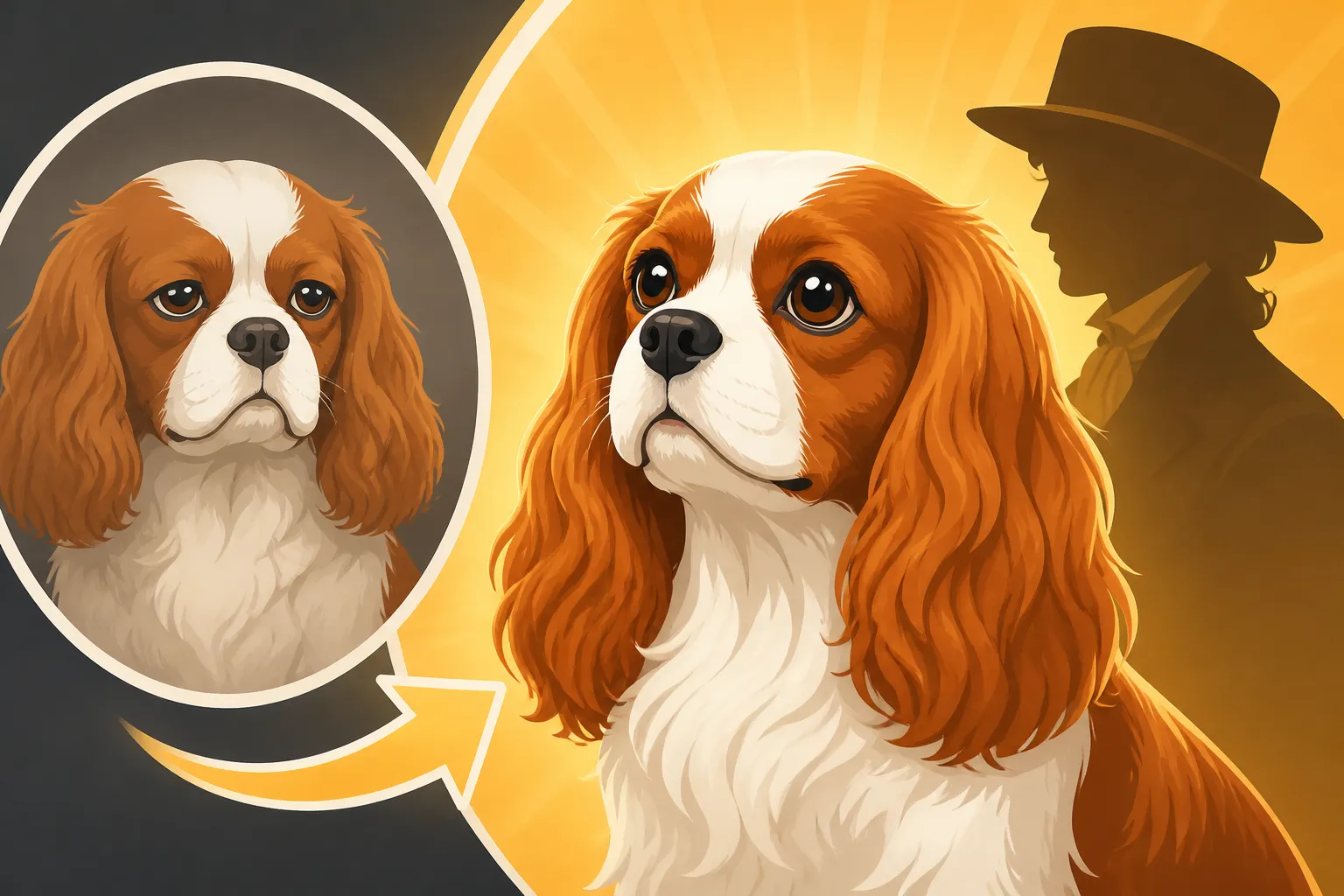
Roswell Eldridge was captivated by the historical paintings of King Charles II's court, particularly the spaniels depicted within them. He saw elegant, long-nosed dogs that bore little resemblance to the popular, very short-faced King Charles Spaniels winning prizes in the show ring of his time. He believed that the true King Charles Spaniel, the original breed that had warmed royal laps, had been lost to fashion. It wasn't merely nostalgia; it was a conviction that a more authentic and beautiful dog had been overshadowed. He famously put out an advertisement in the Crufts catalog in 1926, stating his intent to revive these dogs. This was more than a passing fancy; it was a deeply held belief that the original form of these spaniels was superior and deserved to be recognized and preserved. His dedication was truly a pivotal moment in the breed's history, as detailed in How Roswell Eldridge Brought Back the Cavalier.
His quest wasn't easy. The "old type" was a rarity. Many breeders of the then-fashionable King Charles Spaniel saw no reason to change their successful lines. Eldridge essentially had to create a demand for a dog that most people no longer recognized or even remembered. He was looking for dogs with a "long face, no stop, flat skull, and not inclined to be tiny," characteristics that were the complete antithesis of the prevailing show standards. This required not just a keen eye but also financial incentive to encourage breeders to seek out and breed dogs that fit his historical ideal. He was essentially a lone wolf, challenging the established norms of the dog fancy, fueled by a romanticized vision of the past.
The Crufts Incentive and Its Impact
Eldridge didn't just express his vision; he put his money where his mouth was. In 1926, he offered a generous cash prize at Crufts, one of the world's most prestigious dog shows. The prize was for the best dog and bitch of the "old type King Charles Spaniel, as shown in the pictures of Charles II's time, with a long face, no stop, flat skull, and not inclined to be tiny." This was a revolutionary move. It directly challenged the judges and breeders who had been championing the domed-skulled, short-nosed version for decades. The prize was offered for five consecutive years, creating a powerful financial incentive for breeders to actively seek out and preserve dogs that conformed to Eldridge's desired look.
This bold move had an undeniable impact. While initially, few dogs truly fit the bill, the incentive encouraged people to look beyond the dominant show trends. It fostered a small but dedicated group of breeders who started selecting for the longer muzzle and flatter skull. This period, from 1926 until Eldridge's death in 1928 (the prize continued for the full five years thanks to his foresight), laid the crucial groundwork for the modern Cavalier. It was the spark that ignited the revival, proving that there were still dogs with these features, even if they were rare. Without this direct challenge and financial motivation, it's highly probable that the "old type" would have faded into complete obscurity, lost to the annals of canine history. The story of The 1926 Advertisement That Revived the Cavalier is a testament to the power of a single individual's determination.
Defining the Rediscovered Cavalier Characteristics
With Eldridge's challenge in place, and a small pool of dogs being identified and bred, the task then shifted to formally defining what this "old type" actually was. This meant moving from a historical ideal to a tangible, reproducible breed standard. This period was crucial for establishing the distinctive features that set the newly emerging Cavalier King Charles Spaniel apart from its short-nosed cousin.
Re-establishing the Longer Muzzle and Flatter Skull
The primary distinguishing features that Roswell Eldridge sought to re-establish were undoubtedly the longer muzzle and the flatter skull. These were the hallmarks of the court spaniels of Charles II, and they became the defining characteristics of the nascent Cavalier King Charles Spaniel. A Cavalier's skull, unlike the domed head of the King Charles Spaniel, should be relatively flat between the ears. This contributes to a more balanced and elegant head shape. The muzzle, while not excessively long, should be proportionate to the skull, giving the dog a distinct profile and allowing for comfortable breathing. This emphasis on The Cavalier's Longer Muzzle and Flatter Skull was a direct counterpoint to the fashion of extreme brachycephaly.
The efforts of these early breeders involved carefully selecting breeding stock that displayed these moderate characteristics. It wasn't about creating something entirely new, but rather about bringing forward and solidifying traits that had become recessive or overlooked. This focus on muzzle length also brought with it a more robust dental structure, as teeth had adequate space within the jaw, reducing the incidence of overcrowding. The overall impression was one of a charming, gentle dog with a bright, intelligent expression, rather than a squashed-faced appearance. Even today, responsible breeders pay close attention to these features, ensuring their Cavaliers embody the balanced, healthy structure that Eldridge championed. You'll find these desirable traits outlined clearly in The AKC Standard for the Cavalier King Charles Spaniel, which directly reflects this historical revival.
Temperament and the Old Type Ideal
While Eldridge's initial focus was heavily on physical appearance, the temperament of these "old type" spaniels was inherently linked to their appeal. The court spaniels were beloved for their gentle, affectionate, and biddable natures. These were companion dogs, bred to be cherished members of the family, not aloof or overly independent. When the Cavalier King Charles Spaniel was being re-established, this sweet, loving disposition was just as important as their physical form. A dog might have the perfect muzzle and skull, but if it didn't possess the characteristic "melting" expression and eager-to-please attitude, it wouldn't truly embody the spirit of the breed. This inherent desire to please and bond deeply with their human companions became a cornerstone of the Cavalier temperament.
These dogs were meant to be tractable and trainable, willing participants in family life. This meant selecting for dogs that were friendly, outgoing, and adaptable, capable of thriving in a variety of environments, from royal palaces to modern homes. The foundation dogs chosen for the revival often exhibited these traits, ensuring that the breed would not only look correct but also act correct. This temperament is why Cavaliers are so often called "Velcro dogs" today; they thrive on companionship and want to be involved in everything their family does. It's a key reason why many families consider them ideal pets. When looking for products for such an affectionate companion, whether it's a cozy bed or engaging toys, I often check out trusted retailers like Chewy for their range of options tailored to sweet, mild-mannered dogs. The goal was always to bring back a complete package: a beautiful, healthy dog with an equally beautiful personality, a true echo of their royal ancestors.
The Legacy of the "Old Type" in Modern Cavaliers
The efforts initiated by Roswell Eldridge didn't just create a new breed; they fundamentally reshaped our understanding and appreciation of these spaniels. The "old type" became the blueprint for the Cavalier King Charles Spaniel, a legacy that continues to influence breeding practices, health considerations, and breed standards to this day.
How the Breed Standard Reflects Eldridge's Vision
The modern breed standard for the Cavalier King Charles Spaniel, established by various kennel clubs around the world, is a direct articulation of Roswell Eldridge's vision. Every detail, from the desirable length of the muzzle to the flatness of the skull, the gentle stop, and the soft, expressive eyes, is a nod to those 17th-century paintings and the efforts to recreate their beauty. The standard explicitly differentiates the Cavalier from the English Toy Spaniel (the Victorian King Charles Spaniel), emphasizing the former's longer muzzle, flatter skull, and less prominent eyes. For instance, the standard calls for a "moderate length" of muzzle and a skull that is "slightly rounded, but not domed." This language precisely captures the essence of the "old type."
This carefully crafted standard acts as a guide for ethical breeders, ensuring that the Cavalier maintains its distinctive characteristics and continues to be a healthy, functional dog. Breeders refer to it constantly, striving to produce puppies that conform to these ideals, thereby preserving the historical integrity of the breed. It's a living document that safeguards the legacy of Eldridge's quest. Understanding the nuances of the standard is paramount for anyone considering getting a Cavalier, as it helps identify well-bred dogs that truly embody the breed's intended form and function. For example, What a Champion-Line Cavalier Puppy Costs often reflects the breeder's dedication to adhering to these strict standards and performing all necessary health clearances.
Continuing Efforts for Cavalier Health and Type
While Eldridge's primary motivation was to restore the physical "type," his actions inadvertently promoted a conformation that is generally healthier than the extreme brachycephaly that preceded it. A moderate muzzle and flatter skull are crucial for proper breathing and overall well-being. However, despite these foundational efforts, the Cavalier King Charles Spaniel still faces significant health challenges, notably Mitral Valve Disease (MVD) and Syringomyelia (SM). These are complex genetic conditions that are now at the forefront of responsible breeding discussions. The breed's unique history and relatively small gene pool mean that these issues require constant vigilance.
Today, the drive for "type" goes hand-in-hand with an unwavering commitment to health. Breeders dedicated to the well-being of the Cavalier utilize extensive health testing, including cardiac examinations by board-certified cardiologists, MRI scans for SM, and DNA tests for other inherited conditions. The aim is to produce dogs that not only look like the beautiful "old type" but also live long, healthy, and comfortable lives. This holistic approach ensures that the legacy of Roswell Eldridge's vision is not just about aesthetics, but about creating a companion animal that thrives. Many breeders adhere to specific protocols, such as The Cavalier MVD Breeding Protocol, to mitigate the risk of hereditary diseases. Resources found on sites like Chewy, offering specialized diets and supplements, also aid owners in maintaining the health and vitality of their beloved Cavaliers. The journey of the Cavalier King Charles Spaniel is a continuous story of love, dedication, and the ongoing pursuit of an ideal that honors both history and welfare.
Disclaimer
This article is for general informational purposes only and does not constitute professional advice. Laws, prices and regulations vary by location and change over time. Consult a qualified professional for guidance on your specific situation.