Cavalier Ancestors at the Court of Charles II
Understanding the Cavalier King Charles Spaniel often means looking back in time, tracing their lineage to the opulent courts of English royalty. Many people adore these little dogs for their affectionate nature and striking good looks, but few truly grasp the incredible history that shaped them, specifically their deep connection to King Charles II. It’s a common frustration to hear their history recounted in just a few sentences, leaving you wondering about the rich tapestry of their past. This guide will take you on a journey through time, exploring the fascinating role these delightful dogs played alongside one of England's most iconic monarchs.
The Royal Roots: Cavaliers and the English Monarchy
It’s impossible to talk about the Cavalier King Charles Spaniel without starting with the English monarchy. These aren't just any old dogs; they are literally royalty in canine form, their very name a testament to their regal heritage. This isn't some romanticized notion; it's a historical fact deeply embedded in their breed's identity. From their earliest recognizable forms, these charming spaniels were not common dogs of the field or the farm; they were creatures of comfort, status, and companionship, bred and cherished within the highest echelons of society. Their lives were intertwined with the daily goings-on of palaces and political intrigue, a far cry from the lives of most other breeds of the era.
This aristocratic upbringing bestowed upon them a certain confidence and grace that you can still see in our modern Cavaliers today. They carry themselves with an air of knowing they were once, and perhaps still are, quite special. The doting attention they received from kings and queens wasn't just a byproduct of their cuteness; it was an intentional cultivation of traits that made them perfect court companions: loyalty, gentleness, and an unwavering desire to be close to their human.
King Charles II: A Devotion Like No Other
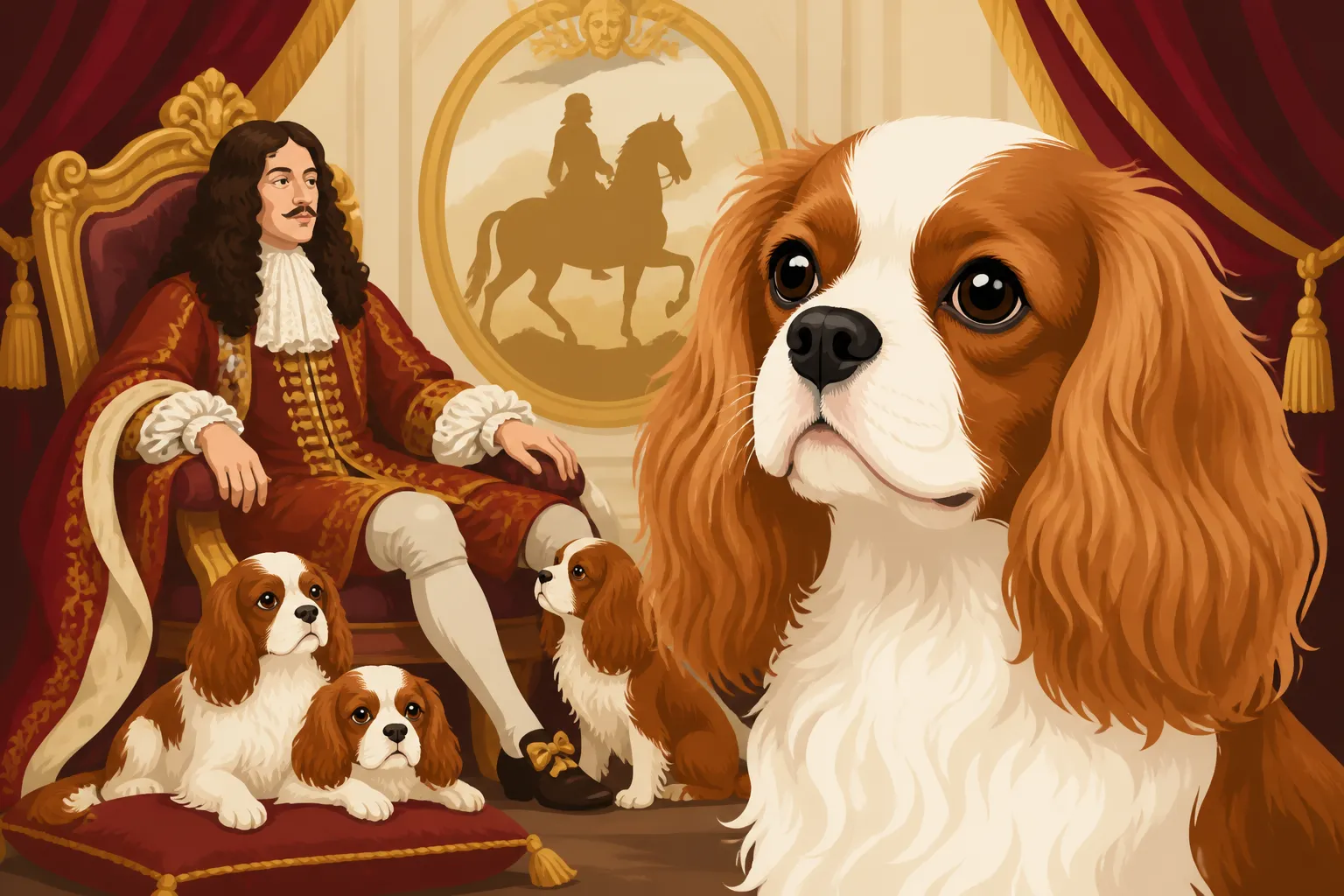
When you hear "King Charles Spaniel," the name King Charles II immediately springs to mind, and for very good reason. This monarch, who reigned from 1660 to 1685, had an obsession with these little dogs that was legendary. It wasn't just a passing fancy or a royal affectation; it was a genuine, deep-seated devotion that permeated his entire life. Contemporary accounts are full of anecdotes detailing his constant companionship with his spaniels, painting a vivid picture of a king rarely seen without several of them at his heels. They were more than pets; they were trusted confidantes and ever-present shadows. This enduring connection is precisely Which King the Cavalier Is Named After.
Imagine the scene: a bustling royal court, alive with courtiers, politicians, and petitioners, all vying for the king's attention. And there, amidst the grandeur and power, King Charles II would often be found, surrounded by his beloved spaniels. They were permitted to go everywhere with him, a privilege almost unheard of for animals, even within a royal household. This level of access meant they weren't just decorative items; they were active participants in his life, albeit silent ones. His affection for them was so well-known that it often became a topic of discussion, sometimes even criticism, among those who felt a king should be more preoccupied with affairs of state than with his canine companions.
The Spaniel Companions of the Court
These weren't just generic dogs; they were a specific type of small spaniel, often referred to as "Comforter Spaniels" or "Toy Spaniels." They were bred for their small size, their soft, silky coats, and their incredibly affectionate dispositions, making them ideal lapdogs and bed warmers. Life at court, even for a spaniel, was certainly comfortable. These dogs weren't expected to hunt or guard; their primary role was to provide companionship and comfort to their royal owners, a task they performed with unwavering dedication. It’s easy to imagine these pampered pooches enjoying the finest of everything, from elaborate meals to silk cushions – a far cry from a hard bed, a tradition that continues today with many Cavalier owners spoiling their dogs with plush beds and toys, often sourced from stores like Chewy.
The court was teeming with these little dogs. It wasn't just Charles II who adored them; his courtiers and family members also kept similar spaniels. They were a symbol of status and good taste, and their gentle nature made them suitable companions for ladies and children as well. Their presence was so ubiquitous that they became an integral part of the court's daily rhythm, their soft pattering paws and gentle sighs a constant backdrop to the affairs of state and social gatherings. It truly was a golden age for the royal spaniel, where their comfort and well-being were a priority for their noble owners.
Life in the Royal Palaces: A Spaniel's Privileged Existence
Life within the walls of a royal palace during the 17th century was a world apart. For the spaniels of King Charles II, it was a life of unprecedented privilege and intimacy with power. These dogs were not relegated to kennels out of sight; they were central figures in the king's personal and public life. This constant proximity meant they witnessed everything from quiet moments of contemplation to significant political discussions, firmly establishing their unique place in history and shaping the expectations of what a true companion dog could be.
The stories and legends surrounding these dogs are not just charming anecdotes; they speak to the very essence of the breed's temperament. Their calm demeanor, their willingness to sit quietly for hours, and their inherent need for human contact were all honed by generations of living in such close quarters with their royal owners. It’s a testament to their adaptability and gentle spirit that they thrived in such a high-pressure environment, always ready to offer a comforting presence.
A Constant Presence: In Council and Chambers
One of the most remarkable aspects of King Charles II's relationship with his spaniels was their unrestricted access. They were not merely allowed into the palace; they were allowed everywhere the King went. This included highly formal and important settings, such as council meetings and his private bedchamber. Imagine the astonishment of foreign dignitaries or even his own ministers seeing small spaniels curled at the King's feet or even dozing on his lap during serious discussions. This wasn't merely tolerated; it was an accepted, if sometimes remarked upon, aspect of the King's persona. It’s no wonder people asked Whether Cavalier Ancestors Really Sat in Parliament.
This constant presence meant these dogs were privy to an extraordinary amount of human interaction, shaping their intelligence and their social skills. They learned to read human emotions, to be quiet when needed, and to offer comfort without being intrusive. This intimate proximity also solidified their role as emotional support animals, a concept centuries ahead of its time. For a king burdened with the immense responsibilities of ruling a nation, these quiet, affectionate companions offered a much-needed respite, a non-judgmental presence that simply loved him unconditionally. It's a connection many of us still cherish with our Cavaliers today.
Beyond the Throne: Play and Pastime
While they were present during serious affairs, the spaniels of Charles II's court certainly weren't all work and no play. The king himself, despite his kingly duties, had a playful side that extended to his dogs. They were undoubtedly involved in leisurely activities, whether romping in the palace gardens, accompanying the king on gentle strolls, or simply being adored in the royal chambers. These were dogs meant for pleasure and companionship, and that meant a healthy dose of fun and pampering.
Their days would have been filled with soft bedding, the finest scraps from royal tables (perhaps to their detriment, as we know the impact of diet today), and endless attention. This environment further ingrained the Cavalier's characteristic love for comfort and play. They were never working dogs in the traditional sense; their "work" was simply to be charming, affectionate, and available. This lifestyle is truly what formed the basis of the modern Cavalier's ideal temperament: a cheerful, adaptable, and utterly devoted companion who thrives on human interaction and gentle activity. For modern Cavaliers, a similar level of pampering might include a well-stocked toy box and premium treats from a place like Chewy.
The "Cavalier Type" Takes Shape: Early Characteristics
As these small spaniels flourished under royal patronage, a distinct "type" began to emerge, characterized by features that we can still recognize in our Cavaliers today. While they weren't yet the highly standardized breed we know, the fundamental qualities that define a Cavalier King Charles Spaniel were clearly being cultivated through selective breeding within the court. This period was crucial in establishing the physical and temperamental blueprint of the breed, setting them apart from other spaniel types of the era.
It's fascinating to consider how conscious the early breeders and royal owners were of these specific traits. They weren't just breeding dogs; they were breeding companions tailored to a specific lifestyle and aesthetic preference. The emphasis was on small size, gentle demeanor, and a pleasing appearance that would fit seamlessly into aristocratic homes. This selective process, even if informal by today's standards, laid the groundwork for the breed's unique characteristics.
Appearance and Temperament: Early Descriptions
The spaniels favored by King Charles II were generally small dogs with domed heads, long silky ears, and large, dark, expressive eyes. Their coats were luxurious, with flowing feathering, and their tails were carried gaily. Descriptions from the period often emphasize their gentle and affectionate nature, their keen intelligence, and their utter devotion to their owners. These were dogs that were meant to be held, stroked, and admired, perfectly fitting the role of a "comforter."
They were also noted for their calm disposition, a trait essential for dogs living in a busy, sometimes chaotic, royal household. A high-strung or overly boisterous dog would not have been tolerated. Instead, these spaniels were bred for their ability to be serene companions, offering a calming presence rather than adding to the commotion. This early emphasis on a gentle, adaptable temperament has carried through the centuries, making the modern Cavalier renowned for its sweet nature and suitability for a variety of homes. You can even see the foundation for The AKC Standard for the Cavalier King Charles Spaniel in these early descriptions.
Evolution Towards a Flatter Face
Interestingly, while King Charles II's spaniels generally had somewhat longer muzzles than the later King Charles Spaniel (English Toy Spaniel), there was already a subtle trend towards a slightly shorter face. This was a gradual aesthetic preference that would become more pronounced in subsequent centuries, particularly in other related breeds. The royal spaniels were certainly not brachycephalic in the extreme way some later toy breeds became, but their faces were already softer and less sharply pointed than some of their sporting spaniel ancestors.
This development reflects a shift in function: from dogs needing a functional muzzle for retrieving, to dogs whose primary purpose was companionship and aesthetic appeal. The flatter face was often seen as more endearing, more "baby-like," and perhaps contributed to their ability to elicit deep affection from their owners. It’s a testament to the power of human preference in shaping canine evolution, even centuries ago. Understanding these early changes helps us grasp Why Cavalier Ancestors Lost Their Muzzles in later generations.
The Blenheim Connection: A Special Lineage
Among the various types of spaniels at court, one particular line holds special significance for the Cavalier King Charles Spaniel: the Blenheim type. This name is not just a pretty designation for a color pattern; it ties directly into a specific noble family and a profound love for these charming dogs. The Blenheim name evokes images of grandeur, history, and a legacy that continues to define one of the most beloved Cavalier coat patterns today. It's a story that beautifully illustrates the deep personal connections between these dogs and their human companions through the ages.
This distinct line of spaniels showcases how individual preferences within the aristocracy could shape and refine aspects of a breed. The care and attention dedicated to this particular color and type were so significant that it earned its own place in the breed's lore, becoming almost synonymous with the Cavalier King Charles Spaniel's identity for many years. It’s a remarkable example of a direct historical link that still influences our understanding and appreciation of the breed today.
The Dukes of Marlborough and Their Red and White Spaniels
Following King Charles II, the tradition of keeping these cherished spaniels continued within various aristocratic families, notably the Dukes of Marlborough at Blenheim Palace. This is where the Blenheim color pattern – a rich chestnut on a pearly white background – truly came to prominence and earned its enduring name. The Dukes were fervent admirers and breeders of these red and white spaniels, ensuring their lineage was preserved and celebrated. This specific line became famous for both its distinctive coloring and the consistent, sweet temperament of the dogs. It's a lineage that directly connects to The Blenheim Palace Dogs Behind the Cavalier.
The Duchess of Marlborough, in particular, is often credited with her unwavering devotion to these dogs. Legend has it that she was constantly accompanied by her Blenheim spaniels, even during wartime. Her passion for them played a critical role in popularizing and refining this specific color variety. This kind of dedication from a powerful noble family ensured that these dogs not only survived but thrived, becoming deeply entrenched in English aristocratic culture.
The Signature "Lozenge" and Its Legend
Perhaps the most charming and enduring legend associated with the Blenheim Cavalier is the "Blenheim Spot" or "Duchess Thumb Print," a small, chestnut-colored thumb-shaped mark found on the top of some Blenheim Cavaliers' heads. While not every Blenheim carries this mark, it's considered a highly desirable and historically significant feature, often delighting owners when they discover it on their own dog. It's truly The Story Behind the Blenheim Cavalier's Spot.
The legend surrounding this mark tells of the Duchess of Marlborough, anxiously awaiting news from the Battle of Blenheim. As she paced, she supposedly pressed her thumb onto the heads of her pregnant spaniel, and each puppy in the subsequent litter bore the mark of her thumb. While almost certainly a romanticized tale, it powerfully illustrates the deep emotional bond between the Duchess and her dogs, and the immense anxiety she felt during that historical period. It's a beautiful narrative that highlights the comfort these spaniels provided, even to those in positions of immense power and stress. You can find more about this in The Duchess Thumb Mark on a Blenheim Cavalier.
Shifts in Fashion: The Royal Spaniel's Changing Fortunes
Like all things, canine fashion and breeding preferences are subject to change. After the height of their popularity during the reign of King Charles II and the subsequent patronage of families like the Marlboroughs, the "old type" of royal spaniel began to face new challenges. New breeds gained favor, and aesthetic ideals shifted, leading to a period where the distinct features of the King Charles Spaniel, as we now understand it, diverged significantly from its earlier ancestors. This historical detour is crucial for understanding the journey of the modern Cavalier King Charles Spaniel and why its revival was eventually necessary.
This ebb and flow of popularity and breeding trends often highlights the transient nature of perceived perfection in dog breeding. What was once universally adored can, over time, give way to new tastes. For the royal spaniels, this meant a period where their signature longer muzzle and softer features were considered less fashionable than newer, more extreme looks. It's a common frustration for modern Cavalier enthusiasts to learn how close the original type came to being lost entirely.
The Rise of Other Breeds and Shorter Muzzles
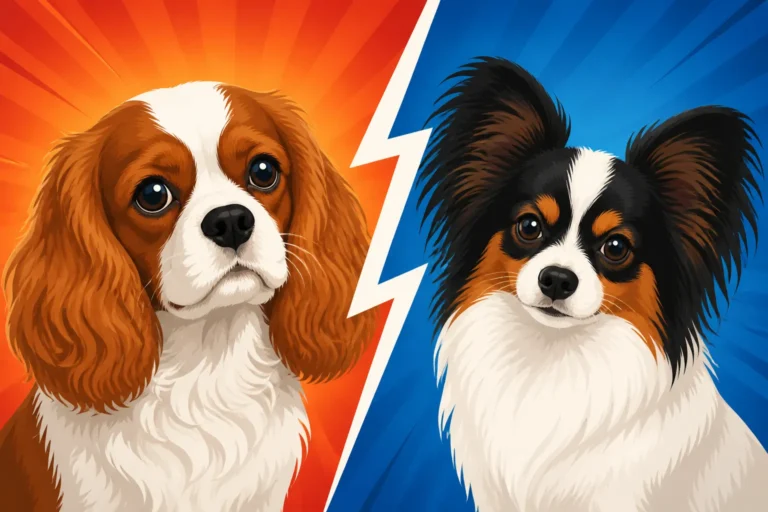
By the 18th and 19th centuries, dog breeding underwent significant changes, influenced by new aesthetic trends and the increasing popularity of dog shows. During this time, other toy breeds with distinctly flatter faces and more domed skulls, such as the Pug and Pekingese, began to capture the public imagination. Breeders, seeking to follow these new trends, started introducing crosses that intentionally shortened the muzzle of the King Charles Spaniel, moving away from the "old type" of Cavalier. This period marked a dramatic shift in the breed's appearance, and it's how we ended up with The Pug Crosses That Shortened the Cavalier's Face.
The result was a dog that, while still affectionate and charming, looked quite different from its 17th-century ancestors. The skull became more domed, the muzzle significantly shorter, and the eyes even larger and rounder. This new style was highly fashionable, and the "King Charles Spaniel" as it was then known (and now called the English Toy Spaniel in the US) became firmly established with these new characteristics. This divergence meant that the original type, so beloved by King Charles II, gradually became rarer and harder to find.
The Challenge of Preserving the Original Type
As the popularity of the shorter-nosed King Charles Spaniel grew, the "old type" with its slightly longer muzzle and less exaggerated features began to dwindle. For a time, it seemed that the original Cavalier might be lost to history, eclipsed by its more fashionable, flat-faced descendants. There was no conscious effort to preserve the longer-nosed variant, as the prevailing breeding trends pushed in the opposite direction. This is a crucial part of the Cavalier's history, as it explains why later enthusiasts had to actively work to "bring back" the breed.
Thankfully, some isolated pockets of the original type persisted, often in more rural settings or among breeders who valued tradition over fleeting trends. These remnant dogs, often found in less fashionable areas, would eventually become the foundation stock for the modern Cavalier King Charles Spaniel's revival in the early 20th century. It’s a testament to their enduring appeal and the passion of a few dedicated individuals that the classic Cavalier look and temperament were eventually rescued from near obscurity, ensuring that the spirit of King Charles II's beloved companions lives on today.
Comparing the Royal Spaniel Through the Ages
To truly appreciate the journey of the Cavalier King Charles Spaniel, it's helpful to see how the "royal spaniel" type evolved through these periods. This table highlights the shifts in breeding focus and the resulting changes in appearance.
| Feature | King Charles II's Spaniel (17th Century) | King Charles Spaniel (19th-early 20th Century, pre-Cavalier revival) | Modern Cavalier King Charles Spaniel (Post-Revival) |
|---|---|---|---|
| Muzzle Length | Moderate, slightly longer than later types | Very short, often pushed-in | Moderate, distinct but not exaggerated |
| Skull Shape | Slightly domed, but generally flatter than later types | Heavily domed, apple-headed | Slightly rounded, but not domed or apple-headed |
| Eye Prominence | Large, dark, expressive but not overly prominent | Very large, round, often bulging | Large, dark, round, but well-cushioned and not bulging |
| Primary Role | Royal companion, lap warmer, comforter | Fashionable toy dog, lap dog | Companion, family pet, therapy dog |
| Temperament Focus | Gentle, adaptable, quiet, devoted | Affectionate, delicate, sometimes more reserved | Happy, outgoing, affectionate, eager to please, adaptable |
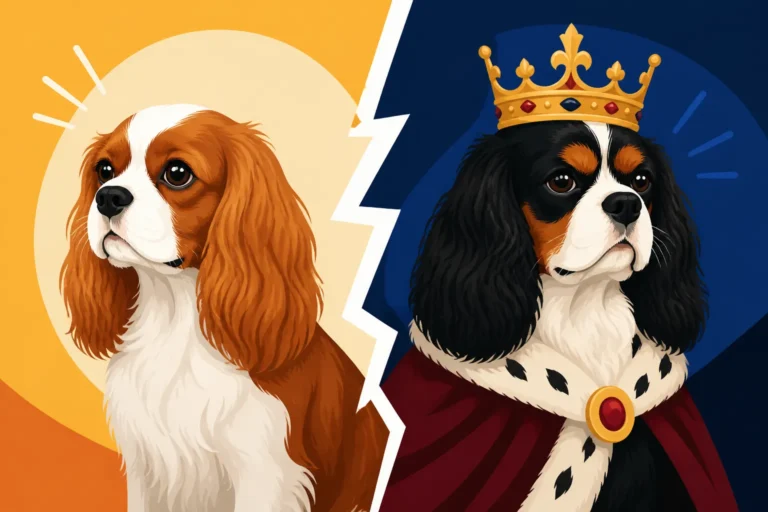
| Color Patterns | Varied, including black & tan, ruby, Blenheim, tricolor | Same four colors, but Blenheim often featured the "lozenge" | Same four distinct colors: Blenheim, Tricolor, Ruby, Black & Tan |
| Breeding Goal | Royal companionship, specific aesthetic of the era | Fashion trend for shorter faces and domed skulls | To revive the "old type" of spaniel from Charles II's era |
This table truly shows the distinct path the breed took, and how the modern Cavalier is a direct attempt to return to the aesthetic and temperament of their earliest royal ancestors. It makes you realize how dedicated some breeders were to bringing back this historical look and feel.
The Legacy of a King's Love: Why This History Matters Today
The story of the Cavalier King Charles Spaniel is more than just a historical curiosity; it's the very foundation of who these dogs are today. Their royal origins explain so much about their inherent nature and why they fit so perfectly into our modern lives as cherished companions. Understanding this history isn't just for academics; it's for every Cavalier owner who wonders why their dog is so uniquely affectionate, so insistent on being close, and so utterly devoted. This legacy is why they are often called "Velcro dogs" – it's ingrained in their DNA!
The frustrations that come with some modern breeds, often stemming from working instincts forced into a companion role, are largely absent in the Cavalier because their entire history is built upon being companions. They were bred for comfort, not for tasks, and that makes all the difference. This deep dive into their royal roots allows us to appreciate the deliberate cultivation of traits that make them such wonderful pets, and to see our own furry friends as living pieces of history.
Enduring Temperament: The Heart of the Cavalier
The enduring legacy of King Charles II's love for his spaniels is most evident in the Cavalier's temperament. That unwavering devotion, the desire to be constantly by your side, the gentle nature that makes them excellent family pets – these aren't accidental traits. They were carefully fostered over generations of living in intimate companionship with royalty. When your Cavalier follows you from room to room or insists on being cuddled on the sofa, you're witnessing a behavior pattern that has been refined for centuries. It’s what makes them special, and why so many people are drawn to them.
This inherent sweetness also means they respond best to gentle, positive reinforcement training. Their ancestors weren't subjected to harsh discipline; they were pampered and loved. Our Cavaliers thrive on praise and connection, reflecting that historical bond. This deep-seated desire for human connection is why they are so forgiving and eager to please, truly living up to their "comforter" lineage. If you've ever wondered Why a Cavalier Follows You Room to Room, it all goes back to those royal chambers.
A Royal Appearance: Recognising the Ancestors
While breeding trends have certainly left their mark, the visual connection between a modern Cavalier King Charles Spaniel and its 17th-century ancestors is still striking. The large, dark eyes that gaze up at you, the long, silky ears that frame their face, the soft, feathered coat – these are all hallmarks of the original royal spaniels. The efforts made in the 20th century to revive the "old type" were highly successful in recreating a dog that truly embodies the appearance of its historical counterparts.
Even the distinct color patterns, particularly the Blenheim with its famous spot, are direct links to those royal courts and aristocratic estates. When you see a beautiful Blenheim Cavalier, you're not just seeing a pretty dog; you're seeing a living piece of history, a direct descendant of the beloved spaniels that graced Blenheim Palace. This visual continuity is a powerful reminder of the breed's rich heritage and the dedication of those who worked to preserve it. Today, many Cavalier owners enjoy pampering their regal pets with high-quality grooming products and tasty treats, perhaps even ordering their favorites from Chewy.
Disclaimer
This article is for general informational purposes only and does not constitute professional advice. Laws, prices and regulations vary by location and change over time. Consult a qualified professional for guidance on your specific situation.