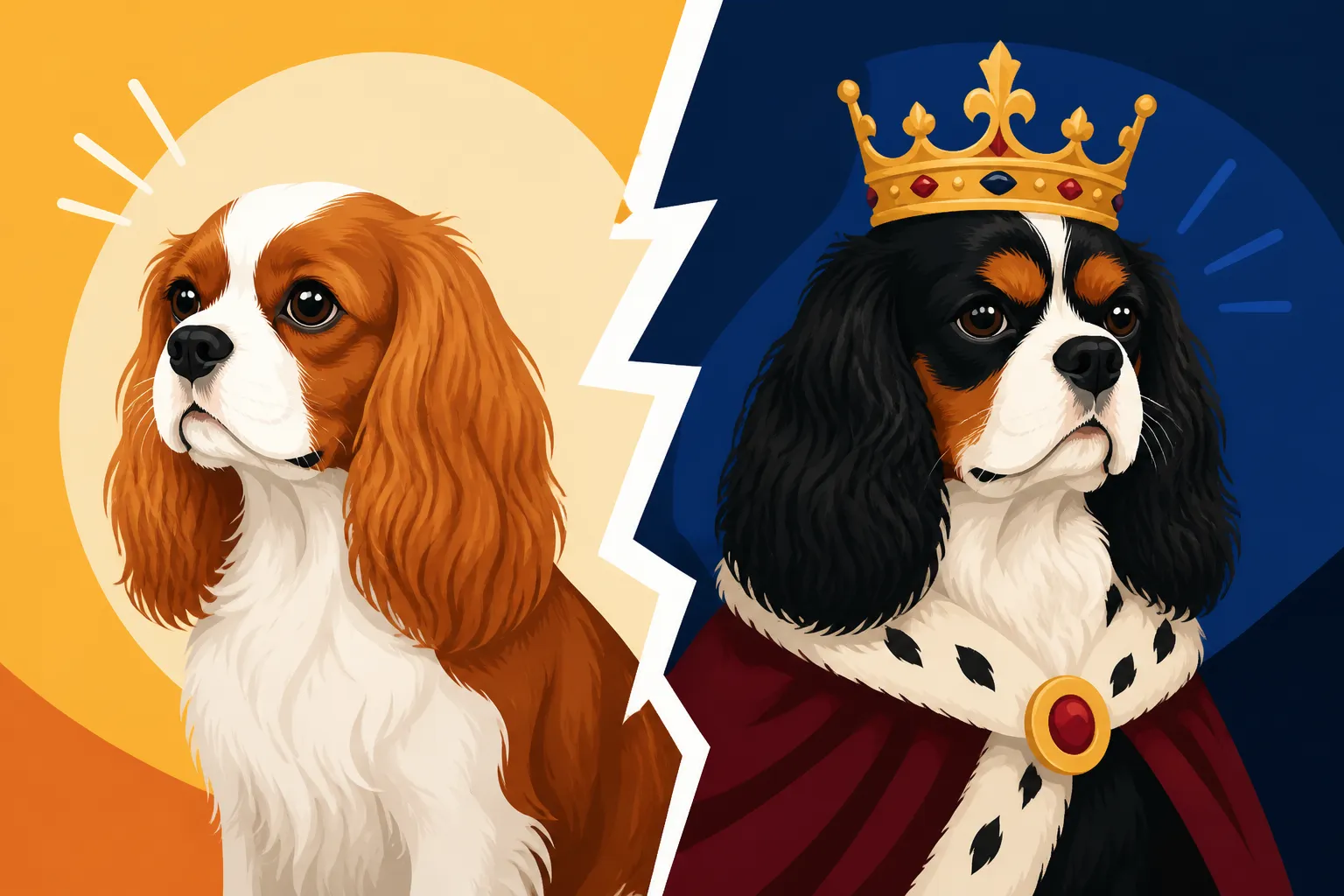
Why the Cavalier Split From the King Charles Spaniel
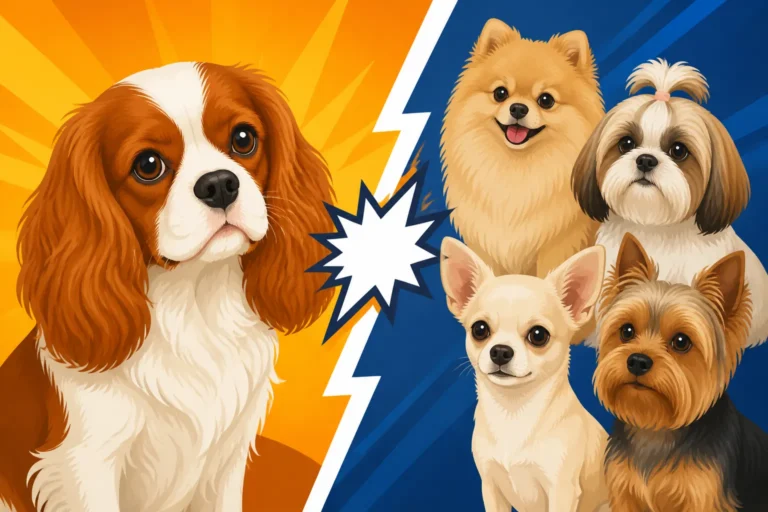
It can be incredibly confusing for anyone looking into the Cavalier King Charles Spaniel to realize there's another breed with an almost identical name: the King Charles Spaniel. Many new owners or those just starting their research wonder if they're the same dog or how they became two distinct breeds. This guide will walk you through the fascinating history of these two charming spaniel types, explaining how they diverged and the unique characteristics that define each one today.
A Tale of Two Spaniels: Understanding the Historical Roots
To truly grasp why the Cavalier King Charles Spaniel ultimately split from the King Charles Spaniel, we have to journey back centuries. Imagine a time when breeds as we know them today didn't exist in such rigidly defined forms. Instead, there were types of dogs, often named for their function or the noble families who cherished them. The ancestors of both our modern Cavaliers and King Charles Spaniels were beloved companions, primarily known for their affectionate nature and portability.
The Beloved Court Spaniels of Old
Before the 19th century, small spaniels with domed heads, long ears, and sweet expressions were fixtures in the laps of European royalty and nobility. These were the "comforter spaniels," cherished for their warmth and companionship, particularly by ladies of the court who would often take them to bed to ward off fleas and provide comfort. Their likeness can be seen in countless historical paintings, often depicted with their noble owners. These early spaniels were noted for their slightly longer muzzles, allowing them to breathe freely, and their lively, often sporting, temperaments. They weren't just lap warmers; they were active little dogs, eager to please and always by their human's side. The Court Spaniels the Cavalier Descends From delves deeper into these ancestral roots and their royal connections.
These dogs were very much a part of daily life, following their owners from room to room, even to Parliament, and were rarely out of sight. Their affectionate and devoted nature made them ideal companions in an era where dogs were often bred for specific tasks like hunting or guarding. The court spaniels, however, filled a unique niche as pure companions, a role they've continued to excel at for centuries. Their value was primarily in their presence, their ability to soothe, and their unwavering loyalty, making them indispensable members of the household.
The Shift Towards Shorter Faces
As the 18th and 19th centuries progressed, dog breeding began to evolve, influenced by changing aesthetic preferences and the introduction of new breeds from Asia, particularly those with flatter faces like the Pug and Japanese Chin. These breeds were gaining immense popularity, and their distinctive "brachycephalic" features started to be admired and even sought after in existing European breeds. This marked a significant turning point for the small spaniel type.
Breeders, keen to follow the latest trends, began to selectively breed their spaniels for increasingly shorter muzzles and more domed skulls, characteristics that were not originally prominent in the old court spaniels. This was a gradual process, but over time, it led to a noticeable change in the physical appearance of the breed. What began as a subtle preference eventually became a defining characteristic, altering the very silhouette of these once longer-nosed dogs. It was a conscious effort to refine and reshape the breed to meet fashionable ideals, rather than to preserve their original form. How Cavalier Ancestors Changed Shape in the 1800s explores this transformation in more detail.
The Rise of the "New Type" and Its Impact
By the Victorian era, the transformation was largely complete. The small spaniels of the British Isles had undergone a dramatic shift in appearance, becoming what was then considered the "new type" of King Charles Spaniel. This new type, with its very short muzzle, pronounced stop, and often apple-domed head, was distinctly different from the dogs painted alongside Charles II centuries before. This divergence led directly to the existence of two separate breeds.
The Influence of Brachycephalic Breeds
The impact of breeds like the Pug on the evolving King Charles Spaniel cannot be overstated. Breeders intentionally introduced these shorter-nosed dogs into the spaniel lines to achieve the desired facial structure. The result was a dog that, while still charming and companionable, bore a significantly altered head shape. The longer nose, once a hallmark of the comforter spaniel, became a rarity. The Pug Crosses That Shortened the Cavalier's Face details how these crosses influenced the breed's development.
This breeding for a specific aesthetic, while popular, also brought with it certain anatomical consequences. A shorter muzzle can often mean a more crowded mouth, potential breathing difficulties, and sometimes an increased predisposition to certain eye conditions. While the intent was to create a dog that aligned with contemporary beauty standards, it inadvertently reshaped not just the look but also some of the physical challenges the breed would face. This is something modern owners often have to consider, especially when looking at the more extremely short-faced examples within the King Charles Spaniel.
Changing Fashions and Breeding Preferences
The trend towards flatter faces wasn't merely a fleeting fancy; it was a deeply ingrained fashion that spanned decades. Dog shows, which were growing in popularity during the Victorian era, further cemented these new standards. Judges favored the short-faced spaniels, and breeders responded by continuing to produce dogs that fit this mold. The original, longer-nosed spaniel type gradually faded into obscurity, or at least, into a very small, niche corner of the breeding world.
For many years, the King Charles Spaniel, as we know it today (also known as the English Toy Spaniel in the US), was the only recognized small spaniel type. The idea of the "old type" was largely forgotten by the general public and most breeders. This dominance of the short-faced variety highlights how powerful trends and breeding preferences can be in shaping the destiny of a breed. It wasn't until much later that a renewed interest in the historical type began to gain traction, eventually leading to the creation of the Cavalier as a distinct entity.
Roswell Eldridge's Quest for the "Old Type"
The story of the Cavalier King Charles Spaniel wouldn't be complete without acknowledging the pivotal role of an American dog enthusiast named Roswell Eldridge. He arrived in England in the 1920s with a very specific vision: to revive the original, longer-nosed type of spaniel that he had seen in the old paintings. He was dismayed by how much the breed had changed and believed that the charm and health of the ancestral spaniels were being lost.
The 1920s Challenge and Prize Money
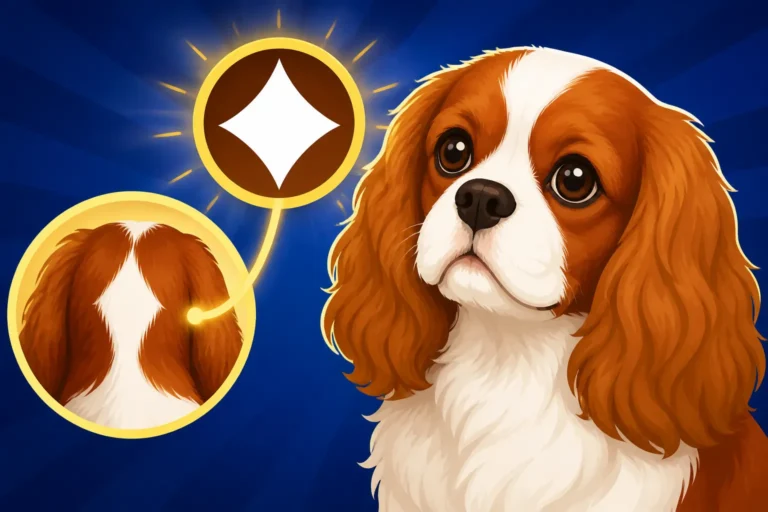
Eldridge was a man of action. At the Crufts Dog Show in 1926, he made a public announcement that would forever alter the course of these spaniel breeds. He offered a significant cash prize for any King Charles Spaniel that most closely resembled the dogs depicted in the portraits of King Charles II. Specifically, he sought dogs with "long faces, no stop, flat skull, not inclined to be domed, and with a spot in the centre of the skull." This was a direct challenge to the prevailing fashion and a bold statement about what he believed was the true form of the breed. The 1926 Advertisement That Revived the Cavalier goes into the fascinating details of this challenge.
This prize money created a buzz among a small group of dedicated breeders who still held a fondness for the old type, or who perhaps had some of these longer-nosed dogs quietly in their kennels, dogs that were otherwise considered "faulty" by the official breed standards of the day. It was an incentive for them to bring these dogs forward and begin the process of selectively breeding them to match Eldridge's vision, effectively resurrecting a type that had almost vanished.
Rediscovering the Longer-Nosed Spaniel
Eldridge's initiative sparked a serious effort to find and breed dogs that embodied the characteristics of the ancestral spaniels. Breeders began to actively seek out those rare individuals who had somehow retained the longer muzzle and flatter skull. It was a painstaking process of sifting through existing lines, sometimes finding dogs that, due to recessive genes or less intensive "Pug-crossing," still carried these older traits. How Roswell Eldridge Brought Back the Cavalier further explains the dedication and effort involved in this revival.
This period was essentially an act of "de-evolution" in a controlled breeding environment, carefully selecting against the very traits that had been prized for the previous century. The goal was to return to a healthier, more moderate head structure that allowed for better breathing and fewer potential issues related to extreme brachycephaly. The dogs found and bred during this time formed the foundation stock for what would become the Cavalier King Charles Spaniel.
Formalizing the Split: Standards and Recognition
While Roswell Eldridge lit the spark, it took years of dedicated effort from a group of breeders to establish the "old type" as a legitimate and recognized breed. This process involved defining a clear standard, gaining club recognition, and ultimately, securing distinct breed status from major kennel clubs. This was crucial to ensure the new breed would not simply revert to the short-faced type once Eldridge's prize money was gone.
Establishing the Cavalier King Charles Spaniel Standard
The breeders who took up Eldridge's challenge formed their own club, the Cavalier King Charles Spaniel Club, in 1928. Their primary goal was to create a breed standard that explicitly described the "old type" spaniel, distinguishing it unequivocally from the King Charles Spaniel. This new standard emphasized the longer muzzle, flat skull, and gentle stop, directly counteracting the traits that had become dominant in the established breed. It was a clear declaration of intent: these were not just variations of an existing breed, but a distinct entity. Ann's Son and the First Cavalier Standard details the early steps in defining this new breed.
It took time, however, for kennel clubs to formally recognize this "new-old" breed. The British Kennel Club didn't grant separate registration to the Cavalier King Charles Spaniel until 1945, and even then, it was classified as a "separate breed" from the King Charles Spaniel. This formal recognition was a monumental step, giving the Cavalier its own identity and protecting its breeding lines from intermixing with the short-faced variety. This meant breeders now had clear guidelines to follow, ensuring that the breed would maintain its desired characteristics for generations to come.
Distinguishing Features: Muzzle Length and Skull Shape
The most immediate and striking difference between the King Charles Spaniel and the Cavalier King Charles Spaniel lies in their head structure. The King Charles Spaniel (often called the English Toy Spaniel in the US) has a significantly shorter, more upturned muzzle, a very deep stop (the indentation between the eyes), and a distinctly domed skull. Their eyes often appear larger and more prominent due to the compressed facial structure.
In contrast, the Cavalier King Charles Spaniel boasts a moderately long muzzle, a more gradual stop, and a relatively flat skull. Their eyes are still large and round, but not as prominent, giving them a softer, more "melt-your-heart" expression. This difference in muzzle length isn't just cosmetic; it has functional implications, particularly concerning breathing and dental health. A Cavalier's head is designed to be more in proportion with what would have been considered normal for a small spaniel prior to the Victorian breeding trends. The Cavalier's Longer Muzzle and Flatter Skull provides an in-depth look at these crucial anatomical distinctions.
Let's look at a quick comparison of their key physical differences:
| Feature | King Charles Spaniel (English Toy Spaniel) | Cavalier King Charles Spaniel |
|---|---|---|
| Muzzle Length | Very short, snub, often upturned | Moderately long, tapering |
| Stop | Deep, well-defined (almost a right angle) | Gentle, slight indentation |
| Skull Shape | Highly domed ("apple-domed") | Relatively flat between the ears |
| Eyes | Very large, prominent, often bulging | Large, round, expressive, but not bulging |
| Expression | Often appears more "pushed in" or sorrowful | Gentle, sweet, "melting" |
| Body Build | More compact, sometimes squarer | Generally well-balanced, proportionate |
Understanding these distinctions is vital for anyone considering either breed. Both are wonderful companions, but their physical differences, stemming from that historical split, lead to different considerations for care.
Beyond Looks: Temperament and Health Divergence
While the physical differences in head shape are the most obvious manifestations of the split, the divergence also brought subtle differences in temperament and, significantly, in health predispositions. It's important to remember that both breeds are undeniably charming and affectionate, but the selective breeding that led to their distinct appearances also influenced their overall well-being.
Nurturing the Cavalier Temperament
The Cavalier King Charles Spaniel was intentionally bred to reclaim the "merry" and outgoing temperament of the old court spaniels. They are famously sweet, adaptable, and eager to please, making them quintessential companion dogs. Their affectionate nature, often described as "Velcro dogs," means they thrive on human companionship and are generally excellent with children and other pets. They are often seen as less prone to the nervous or timid tendencies that can sometimes be present in some of the more intensely bred toy breeds. Cavalier Temperament and the Sporting Spaniel Beneath It explores how their original working spaniel instincts still peek through.
This temperament has made the Cavalier incredibly popular, but it's also a trait that conscientious breeders work hard to maintain. Early socialization and consistent, positive reinforcement training are key to nurturing a well-adjusted Cavalier. Companies like Chewy offer a fantastic array of training treats and toys that can support this positive reinforcement approach, making training sessions enjoyable and effective for these intelligent little dogs. Their desire to be close to their humans means they are generally quick to learn and keen to participate in family activities, whether it's a quiet evening on the sofa or a stroll around the park.
Health Concerns and Breeding Philosophies
The very reason Roswell Eldridge sought to revive the longer-nosed spaniel was a concern for the health implications of extreme brachycephaly. While the Cavalier King Charles Spaniel's more moderate head structure generally reduces the risk of severe breathing issues compared to some other brachycephalic breeds, they still face their own specific set of genetic health challenges. Mitral Valve Disease (MVD) is famously prevalent in the breed, a condition that impacts their heart. Syringomyelia, a neurological condition related to skull structure, is another significant concern. Mitral Valve Disease in the Cavalier King Charles Spaniel and Syringomyelia and Chiari Malformation in Cavaliers provide comprehensive details on these critical health issues.
The original King Charles Spaniel (English Toy Spaniel), due to its more extreme brachycephalic features, can be more prone to brachycephalic airway syndrome, which can cause breathing difficulties, especially in warm weather or during exercise. They might also experience more pronounced dental crowding and potential eye issues related to their prominent eyes. Responsible breeders of both breeds are acutely aware of these genetic predispositions and strive to minimize them through careful health screening and selective breeding practices. Many Cavalier breeders follow strict protocols, such as the MVD breeding protocol, to try and reduce the incidence of heart disease in their lines. It's a continuous, often challenging, endeavor to improve the health outcomes for these beloved breeds. When sourcing health-tested food or supplements for a Cavalier, platforms like Chewy can be a convenient resource for owners looking for specific dietary needs or vet-recommended products.
The split between the Cavalier King Charles Spaniel and the King Charles Spaniel is a vivid illustration of how human preference, fashion, and dedicated efforts to preserve or restore a type can lead to the creation of distinct breeds. While both are enchanting companion animals with a shared noble lineage, they stand today as separate entities, each with its own unique characteristics, charm, and considerations for potential owners. Understanding this history not only sheds light on their differences but also highlights the ongoing responsibility of breeders and owners to ensure the health and well-being of these wonderful spaniels. Whether the Cavalier Can Be Bred Back to Health is a deeply important discussion for any Cavalier enthusiast, reflecting on the historical journey and future aspirations for the breed.
Disclaimer
This article is for general informational purposes only and does not constitute professional advice. Laws, prices and regulations vary by location and change over time. Consult a qualified professional for guidance on your specific situation.