The Year Cavaliers First Showed at AKC Events
It’s easy to look at the Cavalier King Charles Spaniel today, a beloved fixture in homes and show rings across America, and assume they’ve always been here. But for those of us who adore this breed, understanding their journey to mainstream recognition, particularly within prestigious organizations like the American Kennel Club (AKC), is a fascinating dive into history. It wasn't an overnight success story; rather, it was a testament to dedicated breeders who fought to restore the breed to its former glory. This guide will walk you through the surprising path Cavaliers took to finally make their debut at AKC events.
The Quest to Bring Back the Original 'King Charles Spaniel'
Before the Cavalier King Charles Spaniel as we know it today, there was a period where the short-nosed, domed-skulled "King Charles Spaniel" (also known as the English Toy Spaniel) was the prevailing style. For many years, the longer-nosed, flatter-skulled spaniels seen in old paintings with King Charles II had all but vanished. This shift in breed type really frustrated purists and history buffs alike, who yearned for the return of the dogs they saw in historical portraits.
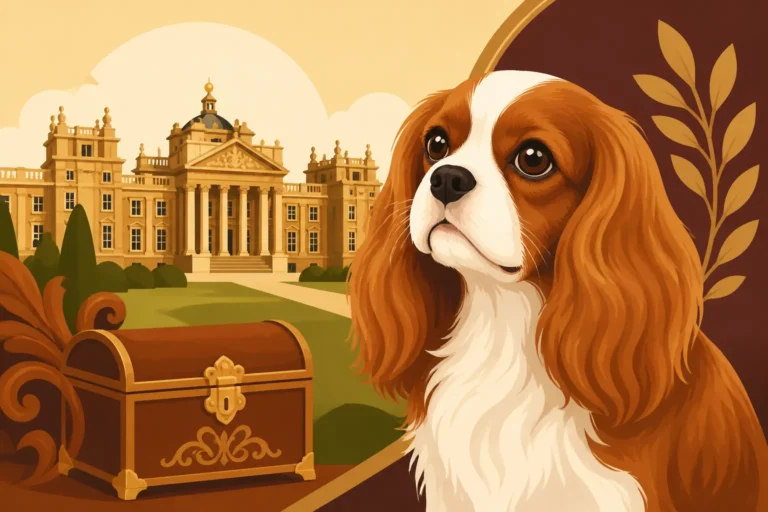
It was this yearning that set the stage for the Cavalier's eventual revival. An American named Roswell Eldridge truly championed the cause. He was so passionate about bringing back the "old type" of King Charles Spaniel that he offered prize money at Crufts dog show in England, starting in 1926. His prize was specifically for the spaniels "of the Blenheim variety, as shown in the pictures of Charles II's time, long face, no stop whatever, flat skull, not inclined to be domed, and with the spot in the center of the skull." This was a direct plea to breeders to reverse nearly a century of selective breeding that had favored the shorter, more pug-like face. You can read more about his monumental efforts in How Roswell Eldridge Brought Back the Cavalier.
Initially, Eldridge's efforts were met with mixed reactions. Many breeders of the then-popular King Charles Spaniel didn’t want to change course, as their dogs were already successful in the show ring. But his persistence, and the allure of prize money, slowly started to sway some dedicated individuals. The initial advertisement essentially laid the groundwork for the modern Cavalier, igniting a spark of interest that would eventually lead to the breed's formal re-establishment. This movement was truly driven by a love for historical accuracy and a desire to preserve a piece of canine heritage, even if it meant an uphill battle against established norms. The 1926 Advertisement That Revived the Cavalier sparked a resurgence in interest for these dogs that looked like their royal ancestors.
Forging a Separate Path to Recognition
Once enough dogs resembling the old-type spaniels were consistently being bred, the next logical step was to establish them as a distinct breed. It quickly became clear that these longer-nosed, flatter-skulled dogs couldn't simply compete alongside the existing short-nosed King Charles Spaniels. Their physical differences were too significant, and trying to judge them by the same standard would have been impossible and unfair. This is a common frustration for breeders of evolving types, needing to carve out their own identity.
This realization led to the formation of the Cavalier King Charles Spaniel Club in England in 1928. This new club was crucial because it allowed breeders to define a specific breed standard, outlining the ideal physical characteristics and temperament for what they now called the "Cavalier King Charles Spaniel." This standard emphasized the longer muzzle, flat skull, and overall elegant, balanced appearance that distinguishes them from their shorter-faced cousins. The development of a clear standard was vital for the breed to move forward. You can learn more about this pivotal decision in Why the Cavalier Split From the King Charles Spaniel. A key figure in this early development was a dog named Ann's Son, whose characteristics greatly influenced the first breed standard. More details on this can be found in Ann's Son and the First Cavalier Standard.
The club worked tirelessly to establish the breed, hosting its own shows and attracting more enthusiasts. They needed to prove that these dogs were not just a passing fad but a legitimate, consistent breed with a healthy gene pool. This dedicated effort helped solidify the Cavalier's identity and differentiate it clearly from the King Charles Spaniel, setting the stage for recognition by larger kennel clubs. The distinctive head, with its longer muzzle and flatter skull, became a hallmark of the emerging breed, something detailed further in The Cavalier's Longer Muzzle and Flatter Skull.
The Cavalier's Initial Appearance at AKC Events: 1946
While the Cavalier King Charles Spaniel gained official recognition in England relatively early (by 1945), its journey to full AKC recognition in the United States was a much longer and more winding road. This isn't uncommon for breeds; often, a breed might be recognized in its country of origin far sooner than it gains traction and acceptance across the ocean. Many prospective owners, upon discovering this breed, are eager to know when they could first see these delightful dogs showcased in an American ring, and it’s a valid question given the breed's historical significance.
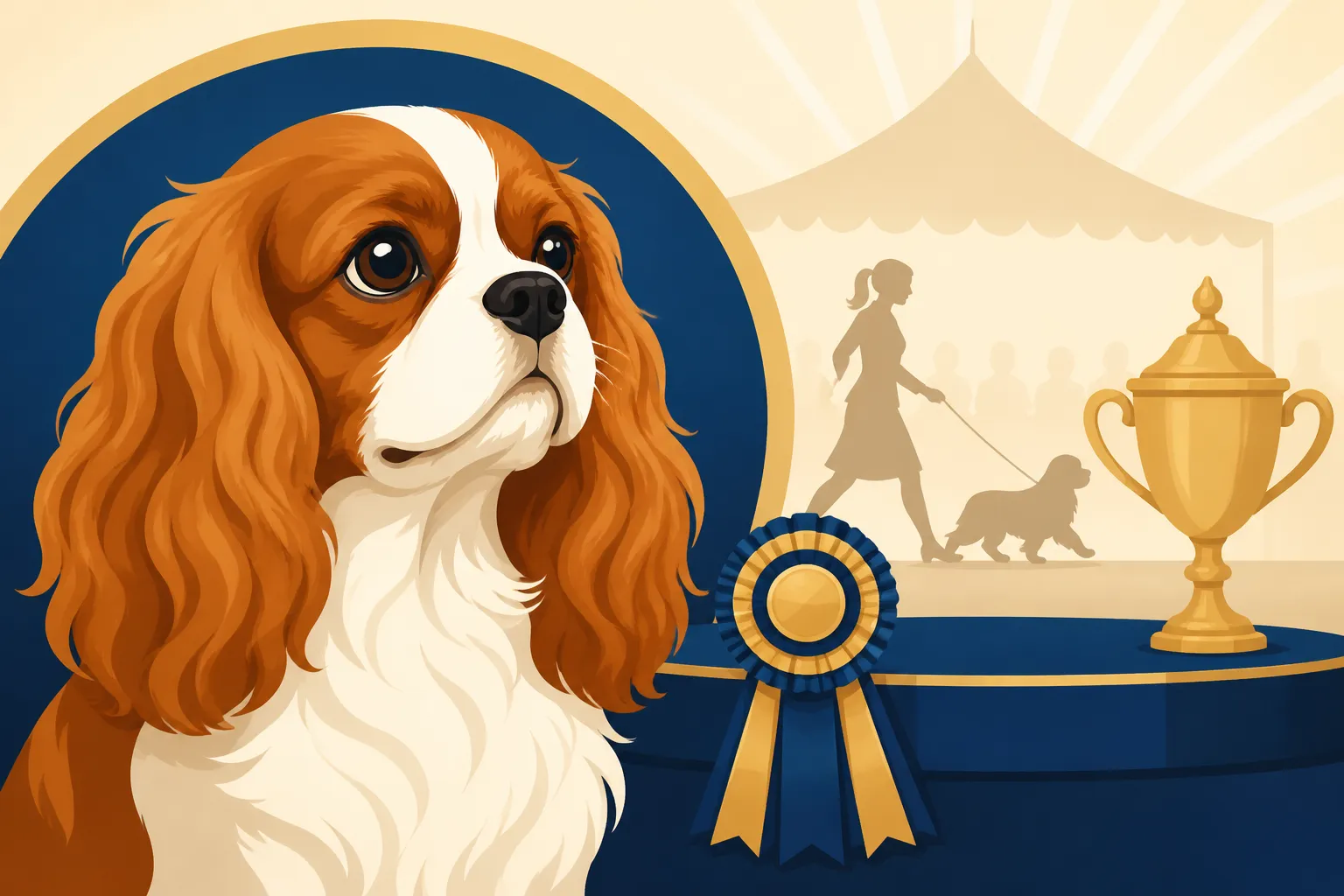
The crucial year when Cavaliers first appeared at AKC events was 1946. However, this wasn't yet for full breed status. Instead, the AKC allowed Cavaliers to be shown in what's known as the "Miscellaneous Class." This class is essentially a stepping stone for new or rare breeds that are working towards full recognition. It allows a breed to gain exposure, establish a consistent population, and demonstrate its adherence to its standard before being admitted to one of the AKC's official groups. Think of it as an audition stage for dogs, and for many breed enthusiasts, simply seeing their beloved Cavalier in any AKC ring was a huge step forward.
Being in the Miscellaneous Class meant that while Cavaliers could be exhibited and judges could gain familiarity with the breed, they weren't competing for championship points against fully recognized breeds. It was a period of assessment, observation, and growth for the breed in America. Breeders imported dogs, refined lines, and worked to present a consistent type to the AKC. It was during these foundational years that the Cavalier lines that would become prominent in American show rings were established. These early efforts by dedicated individuals were crucial in forming The 1940s Cavaliers That Started American Lines. Seeing these dogs on display, even in a preliminary capacity, was a source of great pride for those who had worked so hard to preserve and popularize the breed.
The Long Path to Full AKC Recognition
While Cavaliers first appeared in AKC events in 1946 through the Miscellaneous Class, their journey to full recognition and placement within an official AKC Group was still decades away. This is often confusing for new owners or those just learning about the breed, who might assume "showing at AKC events" means immediate full status. But for breeds with a complex history and a need to prove consistency, it’s a marathon, not a sprint. This extended period highlights the rigorous standards and careful consideration the AKC applies before granting full recognition, ensuring the breed is well-established and healthy.
For many years, the Cavalier King Charles Spaniel Club of the USA (CKCSC, USA), founded in 1954, maintained its own registry and held its own championship shows, purposefully not seeking AKC recognition. This was largely due to concerns about maintaining the breed's health and preserving its unique temperament against the pressures that can sometimes come with rapid mainstream popularity and show ring competition. They had a strong commitment to health testing and responsible breeding, which they feared might be diluted if the breed became too popular too quickly. This self-imposed delay in seeking full AKC status is a fascinating aspect of the Cavalier's history, demonstrating a true dedication to the breed's well-being over immediate popularity.
However, as the breed's popularity grew and more people desired to compete in AKC events, a significant shift occurred. A separate club, the American Cavalier King Charles Spaniel Club (ACKCSC), was formed with the express purpose of seeking AKC recognition. This led to the breed finally being fully recognized by the AKC in 1995, nearly 50 years after their initial appearance in the Miscellaneous Class. This was a monumental moment for Cavalier enthusiasts in the United States, allowing them to compete for championship titles and be officially included in the AKC system. Once recognized, the breed was placed in Which AKC Group the Cavalier Belongs To, cementing its place among other beloved companion breeds.
The Impact of AKC Recognition on the Breed
The full recognition of the Cavalier King Charles Spaniel by the AKC in 1995 dramatically changed the landscape for the breed in the United States. It brought a whole new level of visibility and popularity, for better or for worse. Many people were thrilled, as it meant Cavaliers could now compete at the highest level in dog shows, gain championship titles, and really step into the national spotlight. For owners who wanted to participate in dog sports like obedience, rally, or even agility, it opened up a world of opportunities that weren’t as accessible before. Pet supply retailers like Chewy quickly expanded their offerings to cater to the growing number of Cavalier owners, from specialized diets to grooming tools tailored for their silky coats.
However, with increased popularity often comes increased challenges. Suddenly, the demand for Cavaliers skyrocketed, attracting both responsible breeders and those less scrupulous. This surge in demand put pressure on the breed, and it became even more crucial for potential owners to do their homework and seek out ethical breeders who prioritized health testing. The AKC Standard for the Cavalier King Charles Spaniel became the definitive guide for judging in the show ring, influencing breeding decisions across the country.
The breed's journey to full AKC recognition is a testament to the dedication of many individuals who loved these charming spaniels. From Roswell Eldridge's initial vision to the tireless efforts of early breeders and club members, the Cavalier's path was long and often challenging. Today, the Cavalier King Charles Spaniel is a hugely popular breed, consistently ranking high in AKC popularity statistics, as discussed in How Popular the Cavalier Is in America Now. This popularity also brings increased scrutiny to The Health Debate Around Breeding Cavaliers, especially concerning common breed-specific conditions. It's a reminder that while showing dogs is a wonderful hobby, the underlying goal must always be the health and welfare of the breed itself. When you're looking for quality products to support your Cavalier's health and happiness, whether it's specific food or durable toys, knowing reputable retailers like Chewy can be a huge help.
Ultimately, the Cavalier's story in the AKC is a narrative of perseverance, passion, and the enduring appeal of a truly wonderful companion dog. It reminds us that history shapes the present, and the path to where a breed stands today is often paved with the hard work and dedication of generations of enthusiasts. When choosing a new addition to your family, understanding this background can give you a deeper appreciation for your own furry friend. When preparing for a show, or just for everyday life, remember that resources for feeding, grooming, and enriching your Cavalier's life are readily available, perhaps even at Chewy.
Here's a quick look at the Cavalier's journey to AKC recognition:
| Event | Approximate Timeline | Significance |
|---|---|---|
| Roswell Eldridge's Initiative | 1926 | Offered prizes to revive the "old type" King Charles Spaniel. |
| Formation of Cavalier Club (UK) | 1928 | Established a distinct breed standard for the Cavalier King Charles Spaniel. |
| UK Kennel Club Recognition | 1945 | Breed fully recognized in its country of origin. |
| First AKC Events Appearance | 1946 | Admitted to the AKC Miscellaneous Class in the United States. |
| Formation of CKCSC, USA | 1954 | Maintained independent registry, prioritized health, delayed AKC pursuit. |
| Full AKC Recognition | 1995 | Admitted to the AKC Toy Group, competing for championships. |
Disclaimer
This article is for general informational purposes only and does not constitute professional advice. Laws, prices and regulations vary by location and change over time. Consult a qualified professional for guidance on your specific situation.