Outcross Programs Aimed at Cavalier Health
It’s heartbreaking to watch your beloved Cavalier King Charles Spaniel suffer from health conditions that seem almost inevitable for the breed. Many owners grapple with the reality of Mitral Valve Disease and Syringomyelia, and it’s natural to wonder if anything can be done to create healthier lines. This guide delves into outcross programs, exploring how they aim to improve Cavalier health, what they entail, and the hopes and hurdles involved.
Understanding the Genetic Predicament of Cavaliers
The Cavalier King Charles Spaniel, with its sweet disposition and melting eyes, holds a special place in many hearts. Yet, beneath that charming exterior often lies a predisposition to a range of severe genetic health issues. This isn't just bad luck; it's a deeply rooted problem tied to the breed's history and breeding practices.
The Legacy of Limited Gene Pools
Like many purebred dogs, Cavaliers have a relatively closed studbook and a history of intensive breeding from a relatively small number of founding dogs. While this approach helped solidify the breed's distinctive looks and temperament, it inadvertently created a genetic bottleneck. Imagine a library where all the books come from the same dozen authors; if those authors have a few typos in their original works, those same typos will appear in every copy. In canine genetics, those "typos" are detrimental genes that lead to inherited diseases. When breeders select solely for appearance or a very specific lineage without sufficient emphasis on broad health testing and genetic diversity, the gene pool shrinks even further. This lack of genetic variation means there's less "healthy" genetic material to draw upon, concentrating the problematic genes over generations. This makes the breed particularly vulnerable to certain conditions becoming widespread within the population.
Major Health Concerns Driving the Need for Outcrossing
Two conditions, in particular, cast a long shadow over the Cavalier King Charles Spaniel breed: Mitral Valve Disease (MVD) and Syringomyelia (SM), often associated with Chiari-like malformation (CM). Mitral Valve Disease in the Cavalier King Charles Spaniel is an insidious, progressive heart condition that affects an alarmingly high percentage of Cavaliers, often starting much younger than in other breeds. It’s the leading cause of death for the breed, gradually weakening the heart until it can no longer pump blood effectively. Owners often face years of medication and heartache, watching their once energetic companions struggle with coughing and fatigue.
Then there's Syringomyelia and Chiari Malformation in Cavaliers, a neurological disorder that can cause severe pain and neurological deficits. This condition stems from the skull being too small for the brain, causing brain tissue to be pushed into the spinal canal, obstructing the flow of cerebrospinal fluid and leading to fluid-filled cavities (syrinxes) within the spinal cord. Owners often describe their dogs "air scratching," yelping when picked up, or showing extreme sensitivity to touch around the neck and shoulders. The thought of their beloved dog living in constant pain is a devastating reality for many Cavalier families. These widespread, devastating health issues are the primary catalysts for exploring more radical breeding solutions like outcrossing, as traditional breeding methods alone have struggled to make significant headway in eradicating them.
What Exactly is an Outcross Program?
The term "outcross program" can sound a bit intimidating or even controversial to those unfamiliar with genetics and breed preservation. However, at its core, it's a strategic breeding method with a very clear, health-focused goal.
The Basic Concept: Introducing New Genes
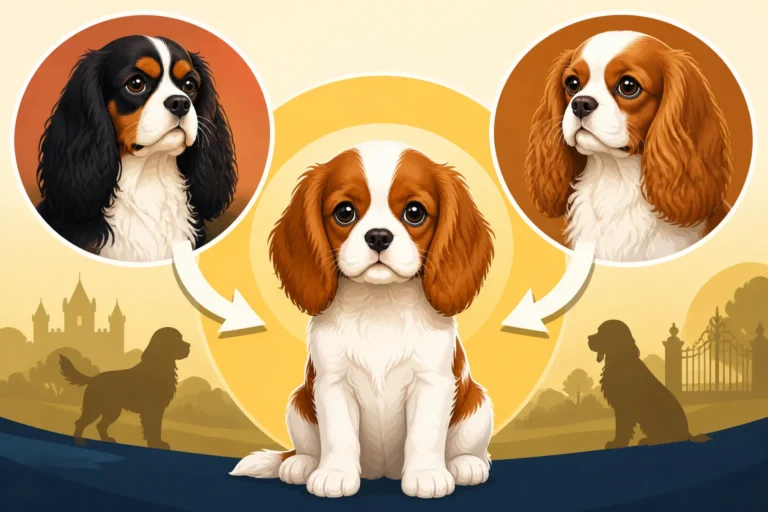
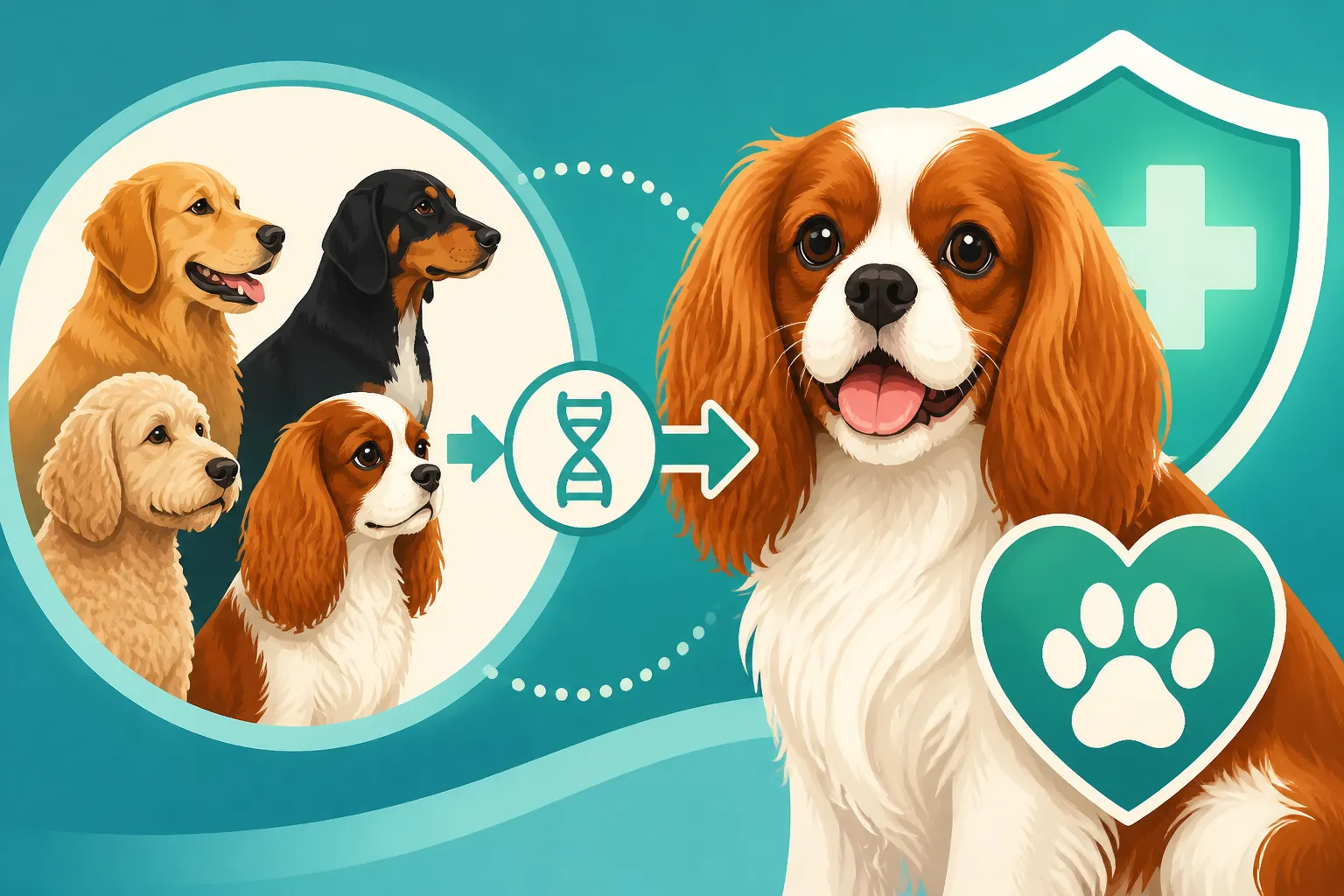
In the simplest terms, an outcross program involves introducing a dog from an entirely different breed into a purebred line. Why would anyone do this? The primary reason is to bring in fresh, healthy genetic material to dilute or eliminate undesirable genes that have become fixed within the purebred population. For Cavaliers, this means bringing in genes from a breed that is not predisposed to severe MVD or SM/CM. The hope is that the outcross sire or dam carries genes that confer resistance or simply don't carry the problematic mutations prevalent in Cavaliers. The first generation offspring (F1 generation) from such a cross will be 50% Cavalier and 50% the outcross breed. They will inherit a mix of traits from both parents. The goal isn't to create a new "designer breed" to sell for novelty; it's to create a wider, healthier genetic foundation upon which future generations of Cavaliers can be built. This is a scientific and often long-term endeavor, not a quick fix.
Distinguishing Outcrossing from "Designer Breeds"
It's crucial to understand that an outcross program for health is fundamentally different from breeding "designer dogs" like Cavapoos or Cavachons. While both involve crossing two different purebreds, their motivations diverge significantly. Designer breeds are often created for a perceived blend of desirable traits (e.g., a Cavalier's temperament with a Poodle's non-shedding coat) or simply for novelty and marketability. There's often little long-term plan for subsequent generations, and the focus isn't necessarily on eliminating specific widespread health crises from a parent breed.
An outcross program, by contrast, has a very specific, therapeutic aim: to improve the health and genetic diversity of a single existing breed. The F1 crosses are just the beginning. The subsequent generations are meticulously backcrossed to purebred Cavaliers, carefully selecting offspring that retain the desired health improvements and start to look and act more like Cavaliers. The ultimate goal is to breed back to purebred Cavaliers that are indistinguishable in type from existing Cavaliers but are significantly healthier due to the introduced genetic diversity. It's a structured, multi-generational project driven by a deep commitment to breed welfare, not fleeting trends.
The Goals and Potential Benefits of Outcrossing for Cavaliers
For breeders and owners frustrated by the persistent health challenges in Cavaliers, outcrossing represents a glimmer of hope. It's not a magic bullet, but a carefully considered strategy with several key objectives.
Reducing the Incidence of Hereditary Diseases
The most compelling reason for outcrossing in Cavaliers is to reduce the prevalence of devastating hereditary diseases like MVD and SM. By introducing genes from a healthy, unrelated breed, the problematic genes that cause these conditions can be diluted. For example, if a Cavalier with a strong predisposition to MVD is bred to an outcross dog from a breed known for robust cardiac health, the F1 offspring are likely to have a significantly reduced risk of developing early-onset MVD. Subsequent backcrosses would aim to retain these protective genes while gradually reintroducing more Cavalier characteristics. The process works similarly for neurological conditions like SM/CM, by selecting an outcross breed with a larger, more appropriately shaped skull to address the anatomical issues. This isn't just about masking symptoms; it's about altering the genetic makeup of the breed to prevent the diseases from occurring in the first place.
Increasing Genetic Diversity and Vigor
Beyond targeting specific diseases, outcrossing fundamentally increases the overall genetic diversity of the Cavalier population. A narrow gene pool isn't just a risk factor for specific diseases; it can also lead to a general reduction in "hybrid vigor" – the natural robustness that comes from diverse genetics. Dogs from highly inbred lines may exhibit weaker immune systems, reduced fertility, or just a general lack of hardiness compared to more genetically diverse populations. By bringing in new genetic material, outcross programs can invigorate the breed's genetic health across the board. This can lead to improved immune function, better structural soundness, and greater overall vitality, making future generations of Cavaliers more resilient and less prone to a myriad of minor health issues as well. It’s like replenishing a depleted genetic library with entirely new and healthy volumes.
Maintaining the Cavalier Temperament and Type
One of the greatest concerns for Cavalier enthusiasts when discussing outcrossing is the potential loss of the breed's signature temperament and physical type. The Cavalier is cherished for its gentle, affectionate nature, its eagerness to please, and its classic "toy spaniel" appearance. Breeders undertaking outcross programs understand this deeply and make it a cornerstone of their long-term plans. The selection of the outcross breed is incredibly important; it must be a breed with a compatible temperament, ideally one that is equally sweet-natured and biddable. Cavalier Temperament and the Sporting Spaniel Beneath It is a key characteristic to preserve.
Furthermore, the multi-generational backcrossing process is meticulously designed to "breed back" to the Cavalier type. This means carefully selecting F1 and subsequent generations that not only show improved health but also exhibit desirable Cavalier physical traits (coat type, ear set, size, muzzle length – the very features that define the breed) and, critically, the hallmark gentle personality. It's a delicate balancing act, requiring keen eye for conformation and temperament, along with rigorous health screening, to ensure that the genetic benefits are retained while the beloved Cavalier characteristics are reinstated over several generations. This commitment ensures that the dogs eventually emerging from these programs are still recognizably, and lovingly, Cavaliers.
The Challenges and Criticisms of Outcross Programs
While outcross programs offer a compelling solution to pervasive health issues, they are not without significant hurdles and often face strong opposition from within the purebred dog community.
Breed Purity Concerns and Opposition
The concept of "breed purity" is deeply ingrained in the culture of purebred dog breeding. Many dedicated breeders and breed enthusiasts feel a profound responsibility to maintain the integrity of their chosen breed's lineage, believing that any introduction of outside blood fundamentally contaminates or destroys the breed. The idea of purposely mixing a Cavalier with another breed, even for health reasons, can be seen as an abandonment of decades, or even centuries, of careful selective breeding. This opposition often stems from a fear that the unique characteristics that define the Cavalier will be irrevocably lost, leading to a dilution of their heritage. They worry that the sweet expression, the silky coat, the gentle temperament, or even the historical lineage will be sacrificed. Such programs can therefore generate intense debate, sometimes leading to ostracization of breeders who choose to pursue outcrossing, despite their health-driven motivations. It’s a conflict between tradition and a pragmatic approach to genetic health.
The Long Road to Re-establishing Type
One of the most practical challenges of an outcross program is the sheer length of time and number of generations it takes to breed back to the original breed type. The F1 generation, a 50/50 mix, will undoubtedly look and perhaps even act differently from a purebred Cavalier. For example, if a Poodle is used as an outcross, the F1 generation might have a curlier, non-shedding coat, different ear set, and a longer muzzle – all deviations from the Cavalier standard. It can take three, four, or even more generations of carefully selected backcrosses to purebred Cavaliers to regain the desired look, coat, and temperament.
This means that breeders committed to outcrossing must be incredibly patient and dedicated. They need to have a clear vision and objective criteria for selection at each stage. They also face the challenge of selling or placing puppies in early generations that don't look exactly like Cavaliers, which can be difficult for a public accustomed to a specific aesthetic. The commitment required to see an outcross program through to a successful re-establishment of type while maintaining the health benefits is immense. This long-term commitment is also why many turn to resources like Chewy for all their evolving puppy needs as these multi-generational programs progress.
Unforeseen Health Issues from New Breeds
While the primary goal of outcrossing is to alleviate existing health problems in Cavaliers, there's always a risk of introducing new health issues from the outcross breed. No breed is entirely free of genetic predispositions. Even if an outcross breed is chosen for its relative lack of MVD or SM/CM, it might carry genes for hip dysplasia, certain cancers, eye diseases, or other conditions that are less prevalent or absent in Cavaliers. Cavalier Eye Disease From Dry Eye to Cataracts or Cavalier Knees, Hips and Joint Problems are examples of conditions that could potentially be introduced if the outcross breed isn't meticulously screened.
Therefore, the selection of the outcross partner breed is paramount, requiring extensive research into its health history and rigorous screening of individual dogs. Breeders must not only choose a dog that is free from the target Cavalier diseases but also one that has been thoroughly tested for common ailments in its own breed. This adds another layer of complexity and responsibility to an already challenging breeding strategy, underscoring the importance of The DNA Tests Every Cavalier Should Have for both parent breeds. The initial benefits must outweigh the potential for unforeseen complications, making careful selection and ongoing health monitoring critical throughout the program.
How Outcross Programs Are Structured and Managed
Executing an outcross program is far more complex than simply breeding two different types of dogs. It requires a meticulous, multi-generational plan rooted in scientific understanding and a deep commitment to the future of the breed.
Selecting the Outcross Breed
The choice of the outcross breed is perhaps the most critical decision in the entire program. It's not just about picking any healthy dog. Breeders must consider several factors:
- Health Profile: The chosen breed must have a demonstrably low incidence of MVD, Syringomyelia, and Chiari-like malformation. Ideally, it should also have a generally robust health profile with minimal other genetic predispositions.
- Physical Conformation: While the F1 generation won't look exactly like a Cavalier, selecting a breed with some compatible physical traits can make the breeding-back process easier. For example, a breed with a slightly longer muzzle and a well-proportioned skull would be preferable for addressing CM/SM concerns. Size and general structure should also be considered.
- Temperament: The gentle, affectionate Cavalier temperament is non-negotiable for most owners. The outcross breed should possess a stable, friendly, and biddable temperament that won't introduce undesirable behavioral traits. A dog that is too high-strung, aggressive, or overly independent would not be a suitable choice.
- Genetic Diversity: The individual outcross dog chosen should come from a diverse, healthy line within its own breed to maximize the genetic benefits.
For instance, some programs have explored using breeds like the English Toy Spaniel (King Charles Spaniel) or other small, healthy spaniel-type dogs that share distant ancestry but have diverged genetically. The key is careful, informed selection based on scientific data, not just intuition.
Multi-Generational Breeding Plans
Once an outcross breed is selected and an individual dog identified, the real work begins. Outcross programs typically follow a structured, multi-generational plan:
- F1 Generation (First Cross): A purebred Cavalier is bred to the selected outcross dog. The puppies in this generation are 50% Cavalier, 50% outcross breed. They will exhibit a blend of traits from both parents. These puppies are usually not sold to the general public but are kept within the program for evaluation.
- Backcross Generation (F2, F3, etc.): The most promising F1 offspring (those showing improved health indicators and desirable temperament/conformation) are then "backcrossed" to carefully selected purebred Cavaliers. This means breeding an F1 dog to a purebred Cavalier, resulting in puppies that are approximately 75% Cavalier and 25% outcross.
- Continued Selection and Backcrossing: This process of breeding back to purebred Cavaliers continues for several generations (F3, F4, F5, and beyond). At each stage, the goal is to select offspring that increasingly resemble the Cavalier type, maintain the desired temperament, and, crucially, retain the genetic health improvements introduced by the initial outcross. The percentage of outcross genetics diminishes with each backcross, but the beneficial genes are carefully conserved through selection.
- Integration: After several generations, when the dogs are virtually indistinguishable from purebred Cavaliers in terms of type and temperament, and consistently pass health screenings, they can potentially be integrated back into the wider purebred Cavalier gene pool.
This methodical approach is slow and requires extensive record-keeping, health testing, and a deep understanding of Mendelian genetics.
Rigorous Health Testing and Documentation
Throughout every stage of an outcross program, rigorous health testing and impeccable documentation are paramount. This isn't just about preventing the original Cavalier diseases; it's also about ensuring the health of the new genetic lines.
- Comprehensive Screening of All Breeding Stock: Every dog used in the program, from the initial outcross parent to every subsequent backcross individual, must undergo exhaustive health screening. This includes annual cardiac evaluations by a board-certified veterinary cardiologist, including echocardiograms, to screen for MVD. The Heart Testing a Cavalier Breeder Must Do cannot be overstated.
- MRI Scans for Syringomyelia: Given the prevalence of CM/SM, MRI scans are essential for all breeding animals to assess skull conformation and the presence of syrinxes. Getting a Cavalier Scanned for Syringomyelia is a crucial step for preventing this painful condition.
- DNA Testing: Genetic DNA panels are used to screen for other known hereditary conditions in both the Cavalier and the outcross breed, preventing the accidental introduction or perpetuation of new problems. The DNA Tests Every Cavalier Should Have is an excellent starting point.
- Temperament Assessment: Beyond physical health, careful temperament evaluations are conducted to ensure that the gentle, biddable Cavalier nature is preserved.
- Transparency and Records: Ethical outcross programs maintain transparent, publicly accessible health records and pedigrees, often through centralized databases. This allows other breeders and prospective owners to track the progress and genetic health of the lines. This meticulous approach ensures that the health benefits are real and sustainable.
Finding and Supporting Ethical Outcross Initiatives
For those passionate about the health and future of the Cavalier King Charles Spaniel, understanding how to identify and support ethical outcross programs is vital. These initiatives represent a significant commitment and are driven by a deep love for the breed.
Identifying Reputable Programs
Unfortunately, the term "outcross" can sometimes be misused, or people might conflate ethical programs with opportunistic breeding of "designer dogs." To find truly reputable outcross initiatives, look for the following:
- Transparency and Clear Goals: Legitimate programs are open about their methods, their chosen outcross breed, and their long-term objectives. They should clearly state that their aim is to improve the health of the Cavalier King Charles Spaniel, not to create a new hybrid.
- Scientific Backing: The program should be guided by veterinary geneticists or experts in canine health. They should have a well-defined breeding plan that outlines the generational steps, selection criteria, and expected outcomes.
- Extensive Health Clearances: Every dog in the program, from the F1 generation onwards, should have comprehensive, verifiable health clearances for all relevant Cavalier conditions (MVD, SM/CM) and any known issues in the outcross breed. This isn't just a basic vet check; it involves specialist cardiac and neurological exams. They should be willing to share all these results.
- Commitment to Breed Type: While health is paramount, reputable programs still strive to breed back to the Cavalier standard, preserving the breed's beloved temperament and appearance over generations. They understand the value of The AKC Standard for the Cavalier King Charles Spaniel.
- Support from Breed Health Organizations: Look for programs that are acknowledged or supported by established breed clubs (especially those with a strong health focus) or veterinary health foundations. This adds a layer of credibility.
- Long-Term Vision: An outcross program is not a sprint; it's a marathon. Reputable breeders will demonstrate a multi-generational commitment and understanding of the years it takes to achieve their goals.
Resources for Learning More
Educating yourself is the first step in supporting these crucial efforts. Many breed health foundations, often affiliated with larger breed clubs, are at the forefront of genetic research and breeding initiatives. These organizations often publish white papers, host seminars, and maintain databases of health-tested dogs. Reputable veterinary colleges and genetic testing laboratories also offer valuable insights.
Beyond these formal channels, many dedicated individual breeders, often working collaboratively, share their knowledge and progress online. While not always focused on outcrossing, websites like Chewy, a popular online pet supply store, often feature articles and guides on breed-specific health challenges and responsible pet ownership, which can be a great starting point for understanding underlying health issues. Engaging with responsible breeder communities and health forums (with a critical eye for scientifically backed information) can also provide further context and connection to those working towards healthier Cavaliers. Ultimately, seeking out the actual research and breeding plans from those directly involved in outcrossing is the most reliable way to learn.
The Future of Cavalier Health
Outcross programs, while challenging and often controversial, offer a tangible path towards a healthier future for the Cavalier King Charles Spaniel. They represent a courageous move by dedicated breeders to address deep-seated genetic problems that traditional breeding methods have struggled to overcome. The success of these programs relies on scientific rigor, transparent documentation, unwavering commitment across multiple generations, and the careful selection of breeding stock at every step.
By strategically introducing genetic diversity, these initiatives aim not just to mitigate the symptoms of diseases like MVD and SM, but to truly reduce their incidence and prevalence within the breed. It’s a hopeful endeavor, striving to ensure that future generations of Cavaliers can live longer, healthier lives, free from the inherited burdens that currently affect so many. Supporting breeders who undertake such programs with integrity and scientific backing is a powerful way to contribute to Whether the Cavalier Can Be Bred Back to Health and to safeguard the well-being of this cherished breed for years to come.
| Aspect | Traditional Purebred Breeding (Health-Focused) | Outcross Program Breeding (Health-Focused) |
|---|---|---|
| Primary Goal | Preserve breed type; reduce disease within existing gene pool | Introduce new genetics to improve health; breed back to type |
| Gene Pool | Closed, relies on existing diversity within the breed | Temporarily opens gene pool to introduce new diversity |
| Source of Genetics | Purebred dogs of the same breed | Initial cross with a different, healthy purebred breed |
| Disease Management | Selective breeding within breed to reduce incidence | Dilution of disease-causing genes through new genetics |
| Speed of Change | Gradual, incremental improvements over generations | Potentially faster, more significant genetic shifts initially |
| Appearance (F1) | Consistent with breed standard | May deviate significantly from breed standard |
| Required Generations | Ongoing selection within breed | Multiple generations of backcrossing to re-establish type |
| Controversy Level | Generally accepted | Can be highly controversial due to "purity" concerns |
| Required Testing | Extensive health testing for breed-specific issues | Extensive testing for both breeds; genetic diversity monitoring |
Disclaimer
This article is for general informational purposes only and does not constitute professional advice. Laws, prices and regulations vary by location and change over time. Consult a qualified professional for guidance on your specific situation.