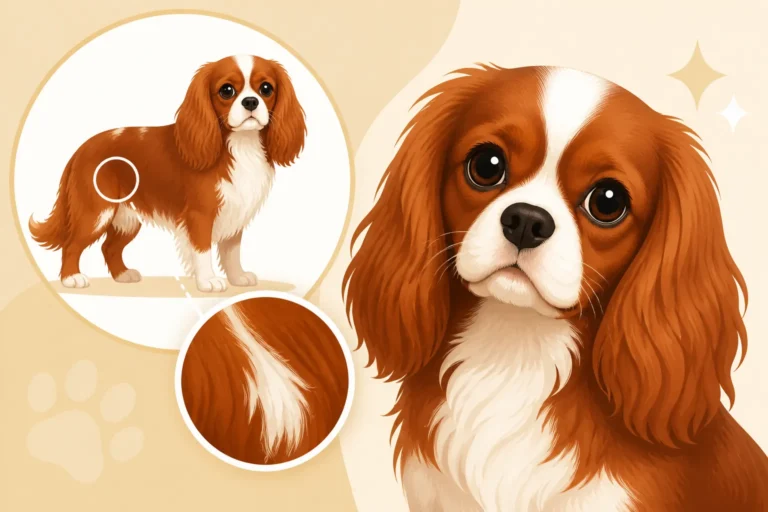
The Cavalier’s Longer Muzzle and Flatter Skull
Many Cavalier King Charles Spaniel owners marvel at their dog's expressive face, complete with those melting eyes and a sweet, gentle muzzle. But if you've ever delved into the breed's fascinating history, you might have encountered references to a time when their ancestors looked quite different. This guide will take you on a journey through the evolution of the Cavalier's distinctive head structure, explaining why their longer muzzle and "flatter" skull are so important and how these features set them apart from their closest cousins.
The Historical Shift: From Long Noses to Pug Faces
To truly understand the modern Cavalier's head, we need to travel back in time, long before the breed we know today was formalized. The original toy spaniels that captivated European royalty were quite different from the short-faced dogs that dominated later centuries.
The Original Spaniels of the Court
Imagine the courts of kings and queens, especially during the time of King Charles II – a true spaniel devotee! The dogs nestled in royal laps and scampering through palaces were working companions, albeit miniature ones. These early spaniels, often depicted in paintings from the 16th, 17th, and early 18th centuries, had distinct snouts and moderate skull shapes. They were agile, with keen senses, and their longer muzzles likely aided their ability to flush small game or sniff out interesting things in the royal gardens. They were definitely not what we'd call brachycephalic, or flat-faced. Their heads were proportionate to their bodies, allowing for comfortable breathing and a full set of teeth without excessive crowding. These were the cherished companions, active and playful, without the health struggles associated with later facial exaggerations.
The Victorian Trend Towards Brachycephaly
As dog breeding became more formalized and fashions shifted, especially in the Victorian era, there was a pronounced trend towards exaggerated features in many breeds. For toy dogs, this often meant selecting for increasingly flat faces, domed skulls, and large, prominent eyes. Breeders began to favor what was then considered "cute" or "distinctive," leading to a dramatic alteration in the appearance of many spaniel-type dogs. The original long-nosed toy spaniels, through generations of selective breeding, started to morph into the "King Charles Spaniel" (known as the English Toy Spaniel in the United States), a dog with a much shorter, pushed-in face, a more domed skull, and a pronounced "stop" (the indentation between the eyes). This was a major departure from their elegant ancestors. This new look became incredibly popular, and for a time, the original type of spaniel almost vanished.
The Impact on Cavalier Ancestors
This shift had a profound impact. The dogs that were direct ancestors of the modern Cavalier were essentially the King Charles Spaniel of the Victorian era. They carried the genetic traits for shortened muzzles and domed skulls. While beloved, these new features brought with them a host of health challenges. Breathing difficulties became more common, dental crowding was almost universal, and issues related to the skull structure, such as brain size versus cranial capacity, began to emerge. The focus on aesthetics over function and health fundamentally reshaped these little dogs. For many years, the image of a King Charles Spaniel with its pushed-in face was the standard. It took a dedicated effort to rewind this genetic clock and bring back the qualities of the old-world spaniels.
Roswell Eldridge's Vision: Bringing Back the "Old Type"
The story of the modern Cavalier King Charles Spaniel is largely the story of one man's vision to revive the past. Roswell Eldridge, an American, was instrumental in bringing back the longer-muzzled, flatter-skulled spaniel that had graced the courts centuries before.
Eldridge's Quest and the 1920s Challenge
In the 1920s, Roswell Eldridge visited England and was struck by the absence of the "old type" toy spaniels he'd seen in historical paintings. He was looking for dogs that resembled those depicted in Van Dyck's portraits – graceful, active spaniels with proportionate muzzles. He found that breeders had almost exclusively shifted to the short-faced, domed-skulled King Charles Spaniel. Determined to revive the earlier form, Eldridge made a significant offer: a prize of £25 at Crufts (a major dog show in the UK) for five consecutive years for the best dog and bitch of the "old type." He specifically requested dogs "with long faces, no stop, flat skull, not inclined to be domed, and with the spot in the middle of the skull." This was a bold challenge to the prevailing trends of the time. This prize money, quite substantial back then, encouraged a small group of dedicated breeders to seek out and breed dogs that embodied these forgotten characteristics. The 1926 Advertisement That Revived the Cavalier sparked a movement.
Defining the Desired Muzzle and Skull
Eldridge's clear description laid the groundwork for what would become the Cavalier's defining head features. The "long face" meant a muzzle that was distinct, not flat against the face, providing ample space for nasal passages and teeth. The "no stop" was later moderated to a "moderate stop" in the official standard, but the intent was clear: avoid the deep indentation that characterized the King Charles Spaniel. The "flat skull" wasn't meant to be perfectly flat like a table, but rather flatter and less domed than the apple-domed skulls that had become common. This combination would lead to a more balanced and functional head, closer to the working spaniels of old. It was a conscious effort to move away from the exaggerated features and towards a more natural, healthier conformation. This vision was critical in shaping the Cavalier we adore today.
The Foundation Dogs of the Modern Cavalier
The response to Eldridge's challenge was slow but steady. Breeders began to identify and crossbreed dogs that showed traits of the "old type." Key foundation dogs emerged from these efforts, carefully selected for their longer muzzles, more moderate stops, and less domed skulls. These were not dogs pulled out of a time capsule, but rather existing dogs that carried some of the older genetics or crosses that deliberately aimed for the desired look. These early pioneers faced resistance, as the short-faced King Charles Spaniel was firmly entrenched in the show ring. However, their persistence eventually led to the recognition of the "Cavalier King Charles Spaniel" as a separate and distinct breed, officially acknowledged by the Kennel Club in 1945. The vision had become a reality, preserving a piece of canine history and providing us with the beautiful, healthy-headed dogs we know today.
Distinguishing the Cavalier from the English Toy Spaniel (King Charles Spaniel)
It's easy to get confused between the Cavalier King Charles Spaniel and its closely related cousin, the King Charles Spaniel (often called the English Toy Spaniel in the US). While they share a common ancestry and some color patterns, their head structures are the most obvious distinguishing features. Understanding these differences is key to appreciating the Cavalier's unique return to its roots.
Key Differences in Muzzle Length
The most striking difference lies in the muzzle. The Cavalier King Charles Spaniel has a distinctly longer, more proportionate muzzle. It is well-filled under the eyes and tapers gently, allowing for open nostrils and efficient breathing. This longer muzzle is a direct result of Roswell Eldridge's quest to revert to the historical "old type." In contrast, the King Charles Spaniel (English Toy Spaniel) has a much shorter, "pug-like" or "dish-faced" muzzle. Its nose is often set higher on the face, and the overall impression is one of a pushed-in face. This extreme brachycephaly can lead to respiratory difficulties, as the soft palate is often too long for the shortened skull, and the nostrils can be stenotic (too narrow). This difference isn't just cosmetic; it significantly impacts the dog's ability to breathe and regulate body temperature.
| Feature | Cavalier King Charles Spaniel | King Charles Spaniel (English Toy Spaniel) |
|---|---|---|
| Muzzle Length | Moderate, distinct, well-filled, tapering | Very short, pug-like, dish-faced |
| Stop | Moderate | Deep, pronounced |
| Skull Shape | Slightly rounded, but without dome or peak | Domed, "apple head" |
| Nostrils | Generally open, allowing good airflow | Often narrow (stenotic), impeding airflow |
| Overall Profile | Balanced, elegant, with a clear muzzle | More compact, "smushed" face, pronounced forehead |
Skull Shape and Stop Comparison
Beyond the muzzle, the skull shape and the "stop" (the indentation between the eyes) also vary significantly. The Cavalier's skull is described as "slightly rounded but without dome or peak," and its stop is "moderate." This means the top of the head flows smoothly, not appearing overly round or flat like a plank, but certainly not domed like an apple. The moderate stop creates a gentle slope from the forehead to the muzzle. This balanced structure is part of why Cavaliers often have that sweet, intelligent expression.
Conversely, the King Charles Spaniel (English Toy Spaniel) typically features a much more pronounced "apple head" – a decidedly domed skull. This dome is often accompanied by a very deep and abrupt stop, making the forehead appear prominent and the eyes set lower in relation to the skull. This distinct dome and deep stop are characteristics that were deliberately bred into these toy spaniels during the Victorian era. Why the Cavalier Split From the King Charles Spaniel highlights this divergence in breeding goals.
Overall Head Expression and Proportions
These differences in muzzle, skull, and stop combine to create entirely distinct overall head expressions and proportions for the two breeds. The Cavalier's head is designed for balance and functionality. Its moderate features give it a gentle, expressive look, with eyes that are "large, dark and round, but not prominent" – a harmonious composition that exudes warmth. The ears are set relatively high but fall gently, framing the face without overwhelming it.
The King Charles Spaniel (English Toy Spaniel), with its extreme features, presents a different picture. Its very short muzzle, deep stop, and domed head can lead to prominent eyes and a more "flat-faced" or sometimes even "worried" expression. The overall impression is one of compactness and extreme brachycephaly. What Separates a Cavalier From an English Toy Spaniel delves deeper into these visual cues. These distinctions are crucial not only for breed identification but also for understanding the associated health considerations.
Understanding the Cavalier's Breed Standard for Head Structure
The breed standard for the Cavalier King Charles Spaniel is essentially the blueprint that guides breeders and judges. It describes the ideal physical characteristics, and the head structure receives considerable attention, given its historical significance and impact on the breed's health and expression. It defines what a perfect Cavalier head should look like.
Muzzle Specifications in the Standard
The Cavalier standard explicitly calls for a muzzle that is well-defined and proportionate. It should not be snipey (too narrow) nor heavy, but rather a "slight taper" from the stop. Crucially, the standard emphasizes that the muzzle should be "about one and a half inches in length" from the stop to the tip of the nose, though this is a guideline rather than an absolute rule, focusing more on proportion than a rigid measurement. The nostrils should be wide open to allow for easy breathing. This emphasis on adequate muzzle length and open nostrils directly counteracts the brachycephalic tendencies seen in its ancestors and helps ensure the dog's respiratory comfort. A good muzzle allows the dog to pant effectively to cool down and to smell the world around them without undue effort. You can find specific items for dental health, which benefits from this proper jaw structure, at retailers like Chewy.
Skull and Cranial Arch Requirements
Regarding the skull, the standard seeks a balance. It dictates that the skull should be "large in proportion to size, slightly rounded but without dome or peak; well filled below the eyes." This description is vital. "Slightly rounded" means it's not perfectly flat, but the key phrase "without dome or peak" directly addresses the apple-domed skull of the King Charles Spaniel. The goal is a head that appears gently curved on top, neither flat like some terriers nor excessively rounded like a pug. "Well filled below the eyes" contributes to the Cavalier's soft, gentle expression, avoiding a hollow or gaunt appearance. This carefully described skull shape is a hallmark of the breed's return to the "old type." Breeders carefully select for these traits, understanding their importance not just for looks but for the overall health profile of the dog. The Cavalier Head, Eyes and Expression in the Standard goes into further detail about these ideal characteristics.
The Ideal Eye and Ear Placement
The eyes and ears, while not strictly part of the "muzzle and skull" in isolation, are integral to the overall head structure and expression, and the standard details them precisely. Cavalier eyes should be "large, dark and round, but not prominent; set well apart." The "not prominent" part is crucial, as bulging eyes can be a health concern and are often associated with extremely short muzzles. Well-set eyes contribute to the breed's gentle and appealing gaze. The ears are to be "long, set high, with plenty of feathering." High-set ears contribute to the balanced appearance of the head, framing the face beautifully and completing the classic Cavalier look. These specifications ensure that the head is not only aesthetically pleasing but also contributes to the overall health and well-being of the dog, allowing for clear vision, good hearing, and reduced risk of eye injuries that can plague breeds with excessively prominent eyes. The interaction of these features defines the classic, sweet Cavalier face.
Health Implications of Cranial and Facial Structure
The deliberate breeding back to a longer muzzle and "flatter" (meaning less domed) skull in the Cavalier King Charles Spaniel was not just about aesthetics; it had significant health implications. While no breed is free from health concerns, these structural improvements aimed to mitigate some of the severe issues linked to extreme brachycephaly.
Breathing and Respiratory Health
The longer muzzle of the Cavalier is a substantial advantage for respiratory health compared to brachycephalic breeds. A longer muzzle allows for a more open airway, meaning larger nasal passages and a less obstructed pharynx. This makes it easier for Cavaliers to breathe, especially during exercise or in warm weather. Dogs primarily regulate their body temperature through panting, and a restricted airway severely impairs this ability, leading to overheating and respiratory distress. While Cavaliers can still be sensitive to heat, their more proportionate muzzles offer them a much better chance at comfortable respiration. This is a stark contrast to breeds with severely shortened muzzles, where issues like stenotic nares (narrow nostrils), an elongated soft palate, and everted laryngeal saccules are common, all contributing to Brachycephalic Obstructive Airway Syndrome (BOAS). The Cavalier's structure generally helps them avoid the most severe forms of these breathing problems, though they still require careful monitoring in extreme heat. Whether a Cavalier Is a Brachycephalic Breed explores this topic further.
Dental Health and Jaw Structure
Another critical benefit of the Cavalier's longer muzzle is improved dental health. A proportionate jaw allows for sufficient space for all 42 adult teeth to erupt properly without severe overcrowding. In breeds with very short muzzles, teeth are often jammed together, twisted, or malpositioned, creating pockets where food particles and bacteria can accumulate. This significantly increases the risk of periodontal disease, which can lead to pain, infection, tooth loss, and even systemic health issues if bacteria enter the bloodstream. While Cavaliers can still be prone to dental disease due to their genetics and diet, their better jaw structure means they typically face fewer of the severe crowding issues seen in extremely brachycephalic dogs. Regular dental care, including brushing with appropriate dog toothpaste and toothbrushes (which you can find on Chewy), is still vital, but the anatomical advantage is clear. Cavalier Dental Disease in a Crowded Jaw provides more in-depth information on this common issue.
Neurological Considerations
The discussion of the Cavalier's skull shape inevitably leads to neurological health, particularly Chiari-like Malformation (CM) and Syringomyelia (SM). While the move towards a "flatter" (less domed) skull in the Cavalier was intended to be a positive step away from the exaggerated skull of the King Charles Spaniel, the reality is more complex. The Cavalier's skull, even in its "old type" conformation, can still be disproportionately small relative to the brain, especially the cerebellum. This can lead to the hindbrain being compressed and pushing through the foramen magnum (the opening at the base of the skull), which is the definition of Chiari-like Malformation. This malformation can then disrupt the flow of cerebrospinal fluid, leading to the formation of fluid-filled sacs (syrinxes) in the spinal cord, a condition known as Syringomyelia, which can cause chronic pain and neurological symptoms.
So, while the Cavalier's skull is not as overtly domed as some of its ancestors, the underlying issue of cranial morphology and its relation to brain size remains a significant concern for the breed. The "flatter" skull was an improvement relative to the extreme dome, but it wasn't a complete solution to the cranial overcrowding that predisposes many Cavaliers to CM and SM. Breeders are continuously working to understand and mitigate these complex genetic conditions through health testing and careful breeding practices, including MRI screening. Why a Cavalier Skull Is Too Small for Its Brain offers more insight into this challenging health issue and its impact on the breed. Living with a Cavalier with these conditions requires careful management, often including pain relief medication and specific handling protocols to minimize discomfort.
Maintaining Your Cavalier's Head Health
Understanding the nuances of your Cavalier's head structure is just the first step. Proactive care and attention to specific health areas can help ensure your beloved companion lives a comfortable and healthy life. From daily checks to regular veterinary visits, a comprehensive approach is always best.
Regular Ear and Eye Care
Given the Cavalier's beautiful, long drop ears and prominent, expressive eyes, regular care for these features is essential. Their long ear feathering can trap moisture and debris, making them prone to ear infections. Daily checks for redness, discharge, or odor are crucial. Cleaning their ears regularly with a vet-approved cleaner helps prevent issues. You can find excellent ear cleaning solutions and cotton pads at pet supply stores like Chewy. Beyond ear care, their eyes, while not overly prominent, can sometimes accumulate tear stains, especially on lighter-colored Cavaliers. Gently wiping the area around their eyes with a damp cloth or a specific eye-cleaning solution can keep them clean and prevent irritation. Remember, any signs of excessive tearing, redness, squinting, or discharge should always warrant a visit to your veterinarian, as these could indicate underlying health issues such as dry eye syndrome or corneal ulcers.
Dental Hygiene Practices
Because of their relatively smaller mouths compared to the number of teeth they possess, Cavaliers are still susceptible to dental disease, even with their improved muzzle length. Proactive dental hygiene is paramount. Brushing your Cavalier's teeth daily with a pet-safe toothbrush and toothpaste is the gold standard. If daily brushing isn't feasible, aim for several times a week. Dental chews and water additives can be helpful supplements, but they should never replace brushing entirely. Regular professional dental cleanings under anesthesia, as recommended by your veterinarian, are also a crucial part of maintaining oral health, especially as your Cavalier ages. These cleanings allow for thorough scaling, polishing, and examination for any problematic teeth. Maintaining good dental health helps prevent pain, infection, and potential systemic health problems.
Recognizing Neurological Warning Signs
While the Cavalier's skull is relatively "flatter" than some brachycephalic relatives, the breed remains predisposed to Chiari-like Malformation and Syringomyelia. It's vital for Cavalier owners to be aware of the subtle signs that might indicate neurological discomfort. These can include:
- "Phantom scratching": scratching the air near the shoulder or neck without making contact with the skin.
- Pain when picked up: particularly around the neck or chest.
- Sensitivity to touch: especially on the head, neck, or shoulders.
- Changes in gait or coordination.
- Reluctance to jump or climb stairs.
- Changes in sleep posture: such as sleeping with the head raised.
If you observe any of these signs, it's important to consult your veterinarian promptly. Early diagnosis and management can significantly improve your Cavalier's quality of life. An MRI scan is typically required to diagnose CM and SM, and your vet may refer you to a veterinary neurologist. Living with a Cavalier that has Syringomyelia often involves a combination of medication to manage pain and reduce fluid pressure, along with adjustments to their environment and handling to ensure their comfort. Living With a Cavalier That Has Syringomyelia offers support and advice for managing this condition.
Disclaimer
This article is for general informational purposes only and does not constitute professional advice. Laws, prices and regulations vary by location and change over time. Consult a qualified professional for guidance on your specific situation.