What Separates a Cavalier From an English Toy Spaniel
It's so easy to get delightfully confused when you're looking at those adorable pictures of toy spaniels, isn't it? Many people, even seasoned dog lovers, often use the names "Cavalier King Charles Spaniel" and "English Toy Spaniel" interchangeably, or aren't quite sure of the real differences between them. You might see a picture of one and think it's the other, or hear about a health issue and wonder which breed it truly affects. This guide will unravel that delightful mystery, diving deep into what makes each of these charming breeds unique, from their historical roots to their distinct personalities and care needs.
A Tale of Two Kings: Historical Divergence
When you look at a Cavalier and an English Toy Spaniel side-by-side, it's clear they share a common ancestry – that much is obvious from their gorgeous feathered ears and soulful eyes. But their paths diverged dramatically over time, leading to the two distinct breeds we know and love today. Understanding this history is key to appreciating their differences.
The Original Court Spaniels and Shared Ancestry
Centuries ago, especially in the royal courts of Europe, these small, affectionate spaniels were simply "toy spaniels." They were beloved companions, lap warmers, and charming additions to aristocratic households. King Charles II of England, from whom both breeds eventually drew their names, was famously devoted to them, taking them everywhere – even, it's said, to Parliament. At this point, there wasn't a strict breed standard as we understand it today; there were simply variations of a type. Some might have had slightly longer noses, others shorter, but they were all part of the same general family, cherished for their sweet dispositions. Imagine a bustling castle, filled with these little dogs weaving through noble skirts, completely oblivious that they were laying the groundwork for two separate breed stories.
The Rise of the Flat-Faced Look and the King Charles Spaniel
As centuries turned, tastes in dogs evolved. In the 18th and 19th centuries, there was a growing fascination with flatter-faced, domed-skulled breeds, influenced by imports from Asia like the Pug and the Japanese Chin. European toy spaniel breeders began selectively breeding their dogs to achieve this more extreme, brachycephalic look. Over generations, the long-nosed toy spaniel of King Charles II's era gradually morphed into a dog with a much shorter, flatter face, a more pronounced dome on its head, and often more prominent, rounder eyes. This new type of spaniel became known as the King Charles Spaniel in the UK, and in the United States, it was eventually given the name English Toy Spaniel to differentiate it from other King Charles breeds. This was a deliberate shift in breeding direction, moving away from the "old type" and embracing a very different aesthetic.
Roswell Eldridge's Quest and the Cavalier's Revival
Fast forward to the early 20th century, and an American named Roswell Eldridge became captivated by the older paintings and tapestries depicting the long-nosed toy spaniels of King Charles II's court. He longed to see that original type revived. In 1926, he even offered prize money at Crufts, the prestigious British dog show, for the "old type" King Charles Spaniel with a longer nose, no stop, and flat skull, just like the dogs in Van Dyck's portraits. This sparked a dedicated effort among a small group of breeders to bring back this original look. These breeders had to carefully select dogs that still carried some of those ancestral traits, essentially working against the trend of flat-faced breeding that had dominated for over a century. How Roswell Eldridge Brought Back the Cavalier This movement eventually led to the official recognition of the Cavalier King Charles Spaniel as a distinct breed, specifically bred to resemble the dogs of the past, thereby separating them from the now well-established English Toy Spaniel. It's a fascinating story of a breed's resurgence, all thanks to one man's vision and the dedication of a few passionate individuals.
Physical Distinctions: More Than Just a Muzzle
While both breeds are undeniably charming and share that unmistakable spaniel sweetness, there are very clear physical differences that set them apart. Once you know what to look for, you'll be able to tell a Cavalier from an English Toy Spaniel at a glance. It's not just about the nose; it's about the entire head structure and body build.
The Defining Feature: Muzzle Length and Skull Shape
This is perhaps the most obvious and critical difference between the two breeds. The Cavalier King Charles Spaniel was specifically bred to have a longer, more tapered muzzle. Think of it as a moderate muzzle, not overly long but certainly distinct from its cousin. It should gradually narrow from the eyes to the nose. Their skull is generally flatter on top, leading to a gentle, graceful curve from the forehead to the tip of the nose. This combination gives the Cavalier a softer, more classic "spaniel" expression that many find irresistible. The Cavalier's Longer Muzzle and Flatter Skull
In stark contrast, the English Toy Spaniel (or King Charles Spaniel in the UK) possesses a very short, almost flat face, often described as "dish-faced" or "pushed-in." Their muzzle is significantly shorter, with a distinct "stop" – the indentation where the forehead meets the muzzle – that is much more pronounced. The skull is typically domed, giving them a more rounded head appearance. This brachycephalic (short-nosed) structure, while adorable to many, creates a distinctly different profile and expression, often looking more alert and less flowing than the Cavalier. It's a key inherited trait from those early crosses with Asian toy breeds.
Size, Weight, and Proportions
While both are toy breeds, there's a noticeable size difference. Cavaliers are generally larger and a bit more robust. An adult Cavalier typically stands about 12 to 13 inches tall at the shoulder and weighs between 13 to 18 pounds. They are well-balanced, elegant dogs, often described as having a moderate build – neither too heavy nor too slight. Their body is slightly longer than it is tall, giving them a rectangular profile that is characteristic of the breed.
The English Toy Spaniel is typically smaller and more compact. They generally stand around 9 to 11 inches tall and weigh between 8 to 14 pounds. They tend to have a more "cobby" body, meaning they are shorter and more squarely built. Their proportions give them a somewhat more delicate appearance than the Cavalier. When you see them side-by-side, the English Toy Spaniel often looks like a miniature, slightly more compressed version of the Cavalier, particularly in the body. This difference in size and build affects their gait and how they carry themselves, with Cavaliers often having a freer, more flowing movement.
Eye and Ear Differences
Both breeds boast beautiful, soulful eyes and luxurious, feathered ears, but there are subtle distinctions. The Cavalier's eyes are large, round, dark, and set well apart. They have a gentle, melting expression that is a hallmark of the breed's sweet disposition. The rim of their eyes should be black. Their ears are long and set high on the head, heavily feathered, framing their face perfectly and contributing to that classic Cavalier look.
The English Toy Spaniel's eyes are also large and dark, but they can appear even more prominent due to their domed skull and very short muzzle. They are often described as having a slightly more "melting" or even "appealingly sad" expression. While their ears are also long and heavily feathered, their set can appear slightly different due to the distinct skull shape, perhaps sitting a touch lower or framing the more compact face in a unique way. The cushioning below the eyes can also be more pronounced in the English Toy Spaniel, adding to their distinctive facial structure.
Coat, Color, and Grooming Needs
Both the Cavalier and the English Toy Spaniel are known for their gorgeous, soft coats and abundant feathering, which makes them incredibly appealing to stroke. However, even in their beauty, there are nuances in their coat texture, the specific colors they come in, and the grooming attention they demand.
Coat Texture and Feathering
The Cavalier King Charles Spaniel has a silky, medium-length coat that is often described as feeling soft to the touch, almost like human hair. It’s naturally flowing and elegant, without being overly heavy. They have abundant feathering on their ears, chest, legs, and tail, which adds to their regal appearance. Brushing a Cavalier's Feathering Three Times a Week This feathering, while beautiful, is also a prime spot for mats and tangles if not regularly cared for. The Cavalier's coat is single-layered, meaning they don't have a dense undercoat, which can sometimes lead people to mistakenly believe they shed less. While they don't "blow coat" like a double-coated breed, they do shed consistently throughout the year.
The English Toy Spaniel also boasts a silky, flowing coat, but it can sometimes be described as slightly heavier or more profuse than a Cavalier's, especially around the chest, legs, and ears. This dense, soft coat is quite luxurious. Like the Cavalier, they have beautiful feathering on their ears, legs, and tail, which requires careful maintenance. Because of their slightly more compact build, the coat can appear to cover more of their body surface area relative to their size. Both breeds need regular attention to their coats to prevent tangles and to keep them looking their best.
Recognized Color Varieties
This is another area where, while appearing similar, the breeds have distinct classifications and traditional names for their colors.
Cavaliers come in four recognized colors:
- Blenheim: This is arguably the most famous Cavalier color, featuring rich chestnut markings on a pearly white ground. A red spot on top of the head, known as the "Blenheim spot" or "Kissing Spot," is highly prized.
- Tricolor: This sophisticated pattern includes black markings on a white ground, with rich tan markings over the eyes, on the cheeks, inside the ears, and on the underside of the tail.
- Ruby: A solid, rich red color, without any white markings. It's a truly striking solid coat.
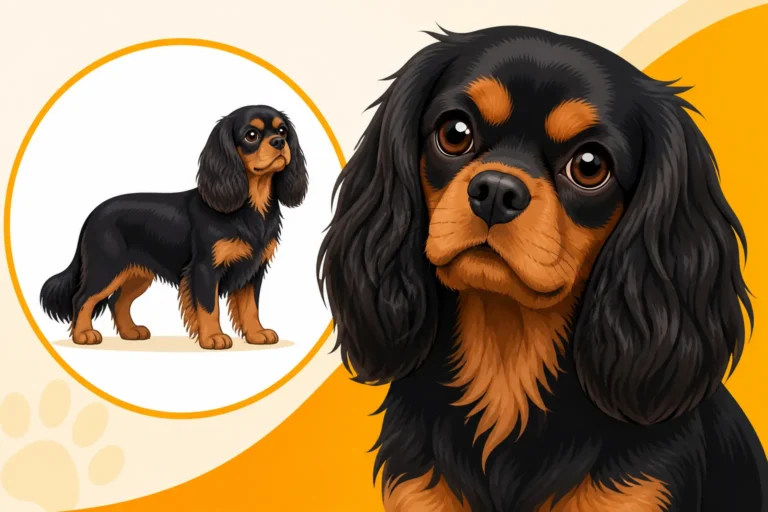
- Black and Tan: A deep, glossy black with rich tan markings over the eyes, on the cheeks, inside the ears, on the chest, and underside of the tail, much like the Tricolor but without the white. The Four Cavalier Colors and What They Are Called
The English Toy Spaniel also comes in four main color varieties, which sometimes share names but often refer to slightly different patterns or historical lineages:
- King Charles: This is the Black and Tan equivalent, featuring a glossy black base with rich mahogany tan markings.
- Prince Charles: Similar to the Cavalier's Tricolor, it has black and white markings with tan points.
- Ruby: Just like the Cavalier, this is a solid rich red, without any white.
- Blenheim: Like the Cavalier, this features rich chestnut red patches on a pearly white ground, with the distinctive lozenge (spot) on the head being highly desirable.
While the names for Ruby and Blenheim are the same, the historical context and exact ideal markings can have subtle variations in the breed standards.
Grooming Similarities and Subtle Differences
Both breeds, with their luxurious coats and drop ears, require a commitment to regular grooming. Daily or every-other-day brushing is recommended to prevent mats, especially behind the ears, in the armpits, and on the feathering of the legs and tail. Without this, their soft hair can quickly become a tangled mess, leading to discomfort for the dog and a much more intensive (and potentially expensive) professional grooming session.
Ear care is absolutely paramount for both. Their long, dropped ears trap moisture and reduce air circulation, making them prone to ear infections. Regular cleaning with an appropriate ear solution and checking for redness, odor, or discharge is crucial. Cavalier Ear Care Under a Heavy Drop Ear You might find that the English Toy Spaniel, with its slightly more pronounced skull, can sometimes have ears that sit a little closer to the head, potentially increasing humidity. Many owners of both breeds use snoods to keep their dog's ears out of their food and water bowls, which helps keep them clean and dry.
Facial cleaning is also important, especially around the eyes. Both breeds can be prone to tear staining, but the English Toy Spaniel, with its more prominent eyes and flatter face, may sometimes experience this more intensely. Gently wiping the area with a damp cloth or a pet-safe tear stain remover can help keep the area clean and prevent irritation. Don't forget nail trims and checking their paw pads for any trapped debris or mats between the toes. Ultimately, both dogs require a similar level of commitment to home grooming, making them unsuitable for owners who aren't prepared to dedicate time to coat care.
Temperament and Lifestyle Compatibility
While their looks might be the first thing to catch your eye, a dog's temperament is what truly defines its place in your home. Both Cavaliers and English Toy Spaniels are delightful companion dogs, but they express their affection and navigate the world in subtly different ways. Understanding these nuances will help you determine which breed is the better fit for your lifestyle.
The Cavalier's "Merry Gentle Companion" Nature
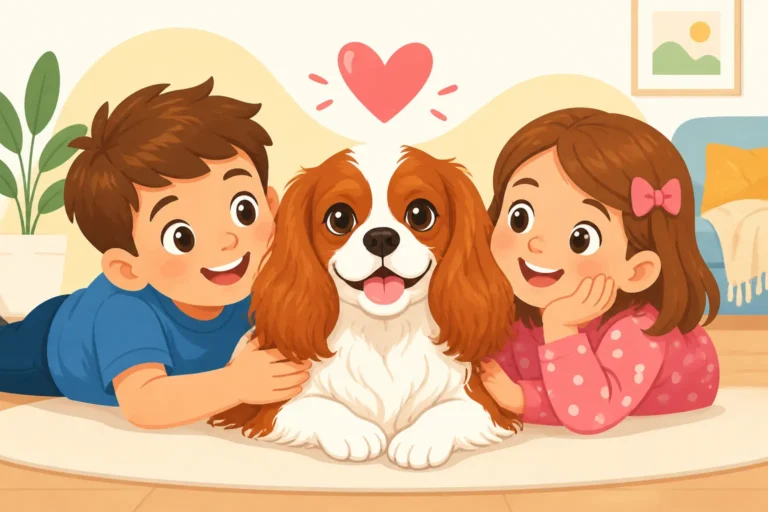
The Cavalier King Charles Spaniel truly lives up to its nickname, "the Merry Cavalier." They are renowned for their outgoing, affectionate, and endlessly cheerful personalities. Cavaliers are often described as being eager to please, making them relatively easy to train with positive reinforcement. They thrive on human companionship and are famous for being "Velcro dogs," happy to follow their people from room to room, always wanting to be close. Why Cavaliers Are Called Velcro Dogs This intense desire for connection means they don't do well when left alone for long periods; they are prone to separation anxiety.
They are generally adaptable, fitting well into various household dynamics, whether it's a bustling family with children (who are taught to interact gently) or a quieter single household. Cavaliers are typically very friendly with strangers and other pets, rarely showing aggression. They retain some of their sporting spaniel heritage, enjoying moderate walks and play sessions, and many excel in dog sports like rally or even scent work. Their joyous approach to life makes them incredibly endearing companions who bring boundless warmth to their homes.
The English Toy Spaniel's "Reserved Royal" Demeanor
In contrast to the Cavalier's boisterous friendliness, the English Toy Spaniel often exhibits a more reserved, aristocratic demeanor. They are generally quieter and less overtly demanding of attention, preferring to sit calmly by their favorite person rather than constantly seeking interaction. While they are deeply devoted to their families, they can be more selective with their affections, sometimes bonding most strongly with one individual. With strangers, they tend to be more aloof or cautious, observing from a distance rather than rushing in for a greeting. This isn't shyness or aggression, but rather a more discerning and dignified approach to new people.
English Toy Spaniels are often content with a gentler pace of life, enjoying short, leisurely strolls or simply lounging on the sofa. They are truly indoor dogs, often happiest when curled up on a lap or nestled in a soft bed. Their quiet nature makes them excellent choices for apartment living or for individuals who prefer a less energetic companion. They possess a regal charm and a dignified sweetness that appeals to those who appreciate a more serene canine presence.
Activity Levels and Training Approaches
Here's another point of divergence that can greatly impact daily life. Cavaliers, while certainly not hyperactive, have a surprising amount of energy for a toy breed. They enjoy walks, playing in the yard, and can happily participate in various activities. Many Cavaliers thrive in obedience classes, learning tricks, and even trying out introductory agility or scent detection games. Cavaliers in Agility, Rally and Scent Work Their intelligence and desire to please make them quite trainable, though consistency and positive reinforcement are key. They are sensitive souls and will shut down under harsh training methods. A good quality harness is often preferred over a collar to protect their delicate necks, especially if they are prone to pulling.
The English Toy Spaniel, while intelligent, typically has lower energy requirements. They are perfectly happy with a few short walks around the block each day and enjoy indoor playtime. They can be trained, but might not have the same drive for formal obedience or dog sports as some Cavaliers. Their sensitive nature means they also respond best to gentle, reward-based training. Owners need to be patient and understanding, as they can be quite focused on their human and sometimes a bit stubborn if they don't see the point of an exercise. Because of their brachycephalic features, care must be taken not to over-exercise them in hot weather, as they can be more prone to overheating. Both breeds are highly intelligent and bond deeply, but the Cavalier leans more towards an active, social companion, while the English Toy Spaniel gravitates towards a quieter, more reserved, and profoundly devoted partner.
Health Concerns and Lifespan
Both the Cavalier King Charles Spaniel and the English Toy Spaniel are generally healthy little dogs when responsibly bred and cared for. However, like all purebreds, they each have certain genetic predispositions that prospective owners need to be aware of. Understanding these can help you make an informed decision and prepare for potential healthcare needs.
Shared Genetic Predispositions
Given their shared ancestry as toy spaniels, it's not surprising that Cavaliers and English Toy Spaniels share some overlapping health concerns. Both breeds can be prone to certain eye conditions, such as cataracts, progressive retinal atrophy, and dry eye. Cavalier Eye Disease From Dry Eye to Cataracts Regular eye examinations by a veterinary ophthalmologist are recommended for breeding dogs and as part of routine senior care. Patellar luxation, or "loose kneecaps," is another concern common in many small breeds, including both of these spaniels. This condition can range from mild (occasionally skipping a step) to severe (requiring surgical correction). Responsible breeders for both types will screen their dogs for these issues.
Dental health is also a shared vulnerability. Both breeds have relatively crowded mouths, which can lead to periodontal disease if not properly maintained. Small breed dogs are notoriously prone to dental issues, and consistent home dental care, along with regular professional cleanings, is essential. Cavalier Dental Disease in a Crowded Jaw You can find many dental products for small dogs at pet stores like Chewy.
Cavalier-Specific Health Challenges
Unfortunately, Cavaliers are known for a few significant breed-specific health issues that are less prevalent or manifest differently in English Toy Spaniels. The most notorious is Mitral Valve Disease (MVD), a degenerative heart condition that affects a very high percentage of the breed, often starting at a relatively young age. It's the leading cause of death in Cavaliers. Mitral Valve Disease in the Cavalier King Charles Spaniel Reputable Cavalier breeders follow strict protocols, often delaying breeding until their dogs are at least five years old and have had annual clear cardiac clearances by a board-certified veterinary cardiologist.
Another major concern for Cavaliers is Syringomyelia (SM), a neurological condition related to Chiari-like malformation (CM), where the skull is too small for the brain, causing fluid-filled cavities (syrinxes) to form within the spinal cord. This can lead to severe pain and neurological deficits. Syringomyelia and Chiari Malformation in Cavaliers MRI screening is the only definitive way to diagnose SM/CM, and again, responsible Cavalier breeders will have their breeding stock screened and graded. These two conditions require significant awareness and proactive health management from Cavalier owners.
English Toy Spaniel Health Considerations
While English Toy Spaniels share some concerns, their unique head structure leads to specific health challenges. Due to their brachycephalic (flat-faced) nature, they can be more prone to respiratory issues, although typically not to the severe degree seen in some other flat-faced breeds. They might snore or have exercise intolerance, especially in warm weather. Their prominent eyes can make them more susceptible to corneal ulcers or injuries, and their crowded jaws often mean they need vigilant dental care to prevent premature tooth loss.
Neurological issues like hydrocephalus (water on the brain) are sometimes noted in English Toy Spaniels due to their domed skulls, though perhaps not as prevalent as SM is in Cavaliers. Some lines may also be predisposed to luxating patellas. Responsible English Toy Spaniel breeders will perform health checks relevant to their breed's specific needs, including patella examinations, cardiac evaluations, and eye clearances.
Lifespan Differences
The lifespan for both breeds can vary widely based on genetics, care, and the onset of breed-specific health conditions. Generally, both are relatively long-lived for toy breeds. A healthy Cavalier King Charles Spaniel typically lives between 9 to 14 years. The Nine to Fourteen Year Cavalier Lifespan However, the early onset of Mitral Valve Disease can unfortunately shorten this, making it crucial for owners to manage this condition diligently with veterinary care and medication.
The English Toy Spaniel generally has a similar lifespan, often ranging from 10 to 12 years, and sometimes longer. Like Cavaliers, their overall health and quality of life depend heavily on careful breeding to minimize genetic health risks and consistent preventative care throughout their lives. Regular veterinary check-ups, a balanced diet (look for quality foods at places like Chewy that cater to small breeds), and appropriate exercise are vital for maximizing the lifespan of either of these beloved companions.
Comparison Summary
To help clarify the distinctions, here's a quick side-by-side look at the key differences between the Cavalier King Charles Spaniel and the English Toy Spaniel:
| Feature | Cavalier King Charles Spaniel | English Toy Spaniel (King Charles Spaniel in UK) |
|---|---|---|
| Muzzle | Moderate length, tapered, distinct but not overly long | Very short, flat, pushed-in, pronounced stop |
| Skull | Flatter on top | Domed, rounded |
| Size | 12-13 inches tall, 13-18 lbs | 9-11 inches tall, 8-14 lbs |
| Body Build | Moderate, slightly longer than tall, balanced | Cobby, compact, often square-proportioned |
| Eyes | Large, round, dark, set well apart, gentle expression | Large, dark, often more prominent due to skull, melting look |
| Temperament | Outgoing, affectionate, "Merry," eager to please, adaptable | More reserved, quieter, dignified, devoted to family, can be aloof with strangers |
| Activity Level | Moderate, enjoys walks, play, can participate in dog sports | Lower, content with short strolls and indoor lounging |
| Major Health Concerns | Mitral Valve Disease (MVD), Syringomyelia (SM/CM) | Brachycephalic issues (less severe than some breeds), eye injuries, dental crowding |
| Coat Colors | Blenheim, Tricolor, Ruby, Black and Tan | Prince Charles, King Charles, Ruby, Blenheim (historically distinct names/patterns) |
In conclusion, while both the Cavalier King Charles Spaniel and the English Toy Spaniel are enchanting, loving companion dogs with a shared lineage, they have evolved into two truly distinct breeds. The Cavalier embraces a more active, outgoing "merry spaniel" personality with its classic moderate muzzle, while the English Toy Spaniel offers a quieter, more reserved, "royal" demeanor with its distinctive flat face. Your choice between them should ultimately come down to which set of unique physical traits, temperament, and health considerations best aligns with your home, lifestyle, and preferences. Whichever you choose, you're sure to gain a devoted and charming furry family member!
Disclaimer
This article is for general informational purposes only and does not constitute professional advice. Laws, prices and regulations vary by location and change over time. Consult a qualified professional for guidance on your specific situation.