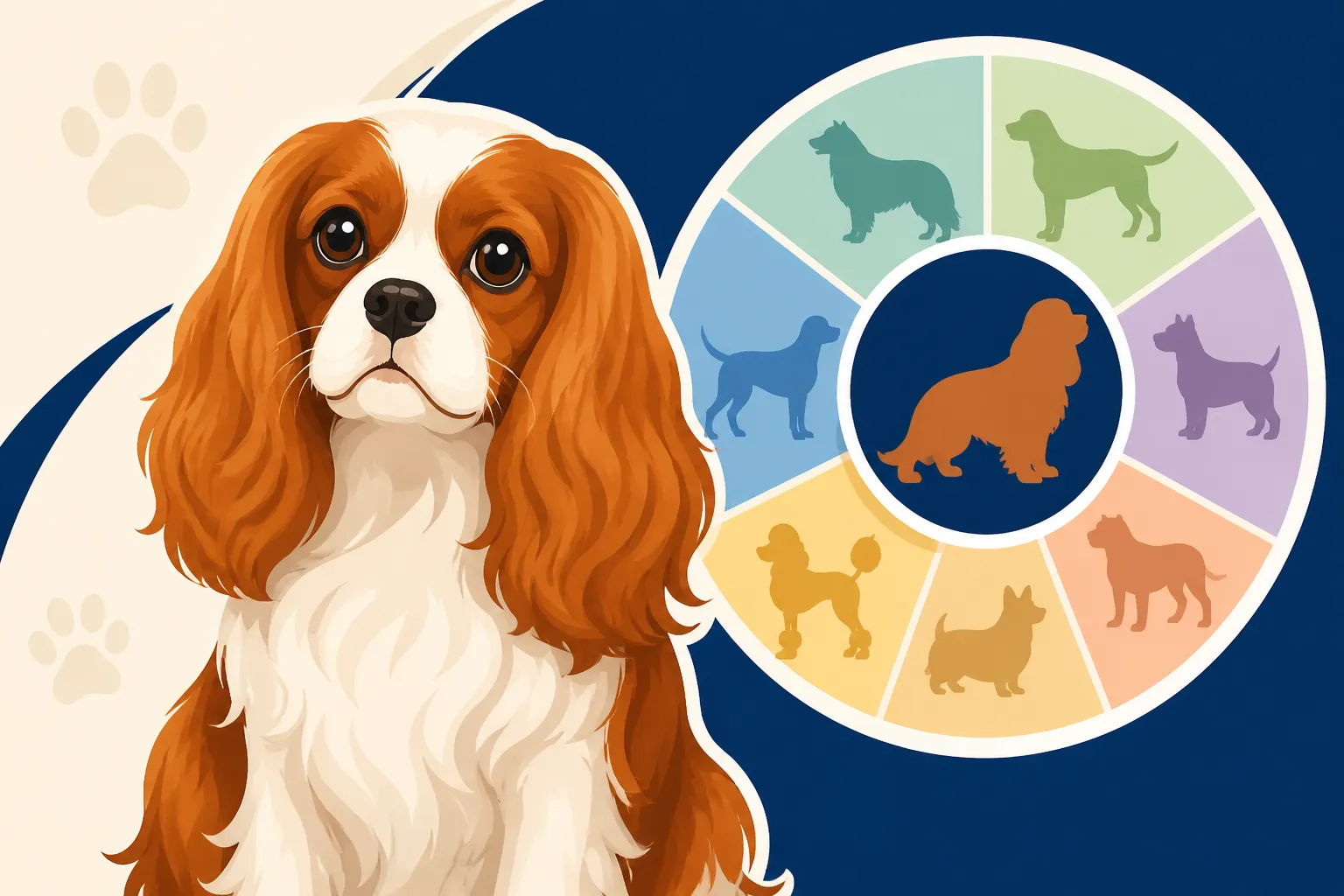
Which AKC Group the Cavalier Belongs To
It can be surprisingly confusing to figure out where your beloved Cavalier King Charles Spaniel fits into the grand scheme of dog breeds, especially when you start looking at official classifications like those from the American Kennel Club. Many new owners, and even some seasoned ones, might wonder if their little companion, with its spaniel heritage, is truly considered a "toy" dog, or if there's more to its classification. This guide will dive deep into the AKC's system, explaining exactly which group the Cavalier belongs to and what that classification truly means for understanding their unique traits and needs as cherished family members.
Understanding the American Kennel Club (AKC) and Its Groups
The American Kennel Club (AKC) isn't just a fancy organization that puts on dog shows; it's a prominent registry for purebred dogs in the United States, dedicated to advancing the sport of purebred dogs and preserving their health and welfare. Think of it as the ultimate authority for breed standards, responsible breeding practices, and celebrating the incredible diversity of canine companions.
What is the AKC and Why Do Breed Groups Matter?
The AKC plays a vital role in defining what makes a breed unique. They maintain breed standards, which are essentially detailed blueprints describing the ideal characteristics, temperament, and appearance of each recognized breed. This isn't just about looks; it helps ensure consistency and preserves the traits that make a breed special. But why divide them into groups? Well, these groups are more than just organizational neatness. They categorize breeds based on their original purpose, shared characteristics, and historical roles.
Understanding which group your dog belongs to can offer incredible insights into their natural instincts, physical capabilities, and even common behavioral patterns. For example, a dog in the Herding Group will naturally have a strong urge to gather things, while a Terrier will often possess a tenacious, independent spirit. Knowing this helps owners anticipate needs, tailor training, and truly appreciate the genetic blueprint of their canine friend. It helps you understand the why behind many of their quirks and charms.
The Different AKC Breed Groups: A Quick Overview
The AKC currently recognizes over 200 breeds, divided into several distinct groups. Each group lumps together dogs with similar histories, temperaments, and functions. This classification helps paint a broad picture of what to expect from a dog in that category.
Let's briefly touch on some of the main groups:
- Sporting Group: Dogs bred to assist hunters by finding and retrieving game, often characterized by their active nature and friendly disposition (e.g., Golden Retrievers, Labrador Retrievers).
- Hound Group: Diverse group with a common ancestral trait of being used for hunting, either by scent (Beagles) or by sight (Greyhounds). They often have incredible noses and can be quite independent.
- Working Group: Powerful, robust dogs historically used for tasks like guarding property, pulling sleds, and performing rescues (e.g., Boxers, Great Danes, Siberian Huskies). They often require significant training and exercise.
- Terrier Group: Energetic and feisty dogs originally bred to hunt vermin. They are known for their spirited personalities, intelligence, and sometimes stubborn nature (e.g., Jack Russell Terriers, Scottish Terriers).
- Toy Group: Small companion dogs bred primarily for companionship. These breeds are typically affectionate, thrive on human interaction, and are well-suited for indoor living (e.g., Chihuahuas, Poodles (Toy)).
- Non-Sporting Group: A varied group of dogs that don't fit neatly into the other categories. They often have diverse appearances and origins, but many are excellent companions (e.g., Bulldogs, Poodles (Standard)).
- Herding Group: Dogs bred to gather, herd, and protect livestock. They are intelligent, highly trainable, and have strong herding instincts (e.g., German Shepherds, Border Collies).
Each group offers a window into a dog's heritage, and knowing this can deepen your bond and understanding.
The Cavalier King Charles Spaniel's Place in the AKC Toy Group
Now, let's talk about our beloved Cavaliers! Despite their "spaniel" name, which often conjures images of larger, more active sporting dogs, the Cavalier King Charles Spaniel is firmly placed within the AKC Toy Group. This might surprise some, given their history, but it makes perfect sense when you delve into their origins and typical characteristics.
Why the Toy Group? Tracing the Cavalier's Roots
The classification as a "Toy" dog isn't arbitrary; it's a direct reflection of the Cavalier's long and distinguished history. These aren't dogs that were ever meant to flush birds from dense cover or pull carts through the snow. Instead, their purpose was far more refined: to be cherished companions.
Their ancestry can be traced back to the little The Court Spaniels the Cavalier Descends From that graced the laps of European royalty and nobility for centuries. Think of King Charles II, for whom the breed is named; he was rarely seen without several of these small, affectionate dogs at his heels, even allegedly taking them into Parliament! These dogs were bred for comfort, companionship, and as living hot water bottles on cold nights. They lived indoors, slept in royal beds, and their primary job was to bring joy and solace to their human counterparts.
Their diminutive size, gentle nature, and overwhelming desire to be close to their people perfectly align with the core definition of a toy breed. While the modern Cavalier King Charles Spaniel looks distinctly different from its earlier "King Charles Spaniel" cousins (which are a separate breed with a pushed-in face, as detailed in Why Cavalier and King Charles Spaniel Mean Two Dogs), its role as a beloved companion has never changed.
Common Traits of Toy Group Dogs
When we talk about "Toy Group" dogs, a clear picture emerges, and the Cavalier fits this description beautifully. These dogs are generally:
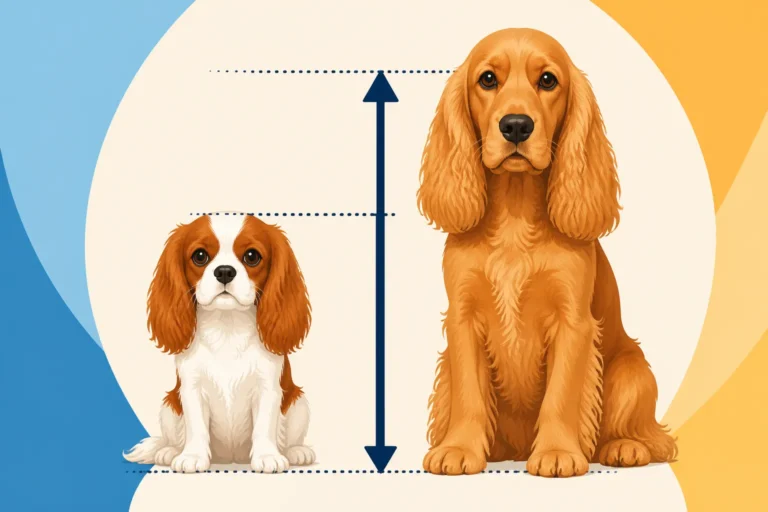
- Small in Stature: By definition, toy breeds are compact. Cavaliers typically stand between 12-13 inches at the shoulder and weigh between 13-18 pounds, putting them squarely in the small dog category, as outlined in The AKC Standard for the Cavalier King Charles Spaniel and What an Adult Cavalier Should Weigh. This makes them ideal for apartment living or homes with limited space.
- Companion-Focused: This is perhaps the most defining characteristic. Toy breeds thrive on human interaction and form incredibly strong bonds with their families. They are bred to be lap warmers and constant shadows. Cavaliers are famously known as "Velcro dogs" precisely because of this profound need to be near their people.
- Affectionate and Gentle: Most toy breeds possess a sweet and loving disposition, making them wonderful pets for individuals, couples, and families. The Cavalier's Cavalier Temperament and the Sporting Spaniel Beneath It is legendary for its sweetness and eager-to-please nature.
- Often Suited for Indoor Living: Their size and moderate exercise needs mean they are usually perfectly content with indoor activities and shorter walks, though they certainly enjoy playtime outdoors. This makes them adaptable to various living situations, including urban environments.
- Can Be Delicate: While Cavaliers are often considered more robust than some ultra-tiny toy breeds, their small size does mean they can be more prone to certain injuries, and care must be taken, especially with children or larger pets around.
These traits collectively demonstrate why the Cavalier King Charles Spaniel is a quintessential member of the Toy Group.
What Being a "Toy" Means for Cavalier Ownership
Understanding that your Cavalier is a toy breed goes beyond a mere label; it has tangible implications for their care, training, and overall integration into your life. It shapes the daily decisions you make for them.
Lifestyle Implications of a Toy Breed
Owning a toy breed like a Cavalier comes with specific lifestyle considerations that differ from, say, owning a Labrador or a Border Collie.
- Living Environment: Their compact size makes them superb apartment dwellers. A small home with a fenced yard is a bonus, but not a necessity, as long as they get adequate outdoor stimulation. Whether a Cavalier suits an apartment is a common question, and the answer is a resounding yes! They don't need acres to roam; what they need most is you.
- Exercise Needs: While they love a good walk and a romp in the park, Cavaliers generally have moderate exercise requirements. Two shorter walks a day, combined with indoor play, often suffice. You won't typically need to train them for marathons or advanced agility, although many enjoy Scent Work as a Low-Impact Cavalier Sport.
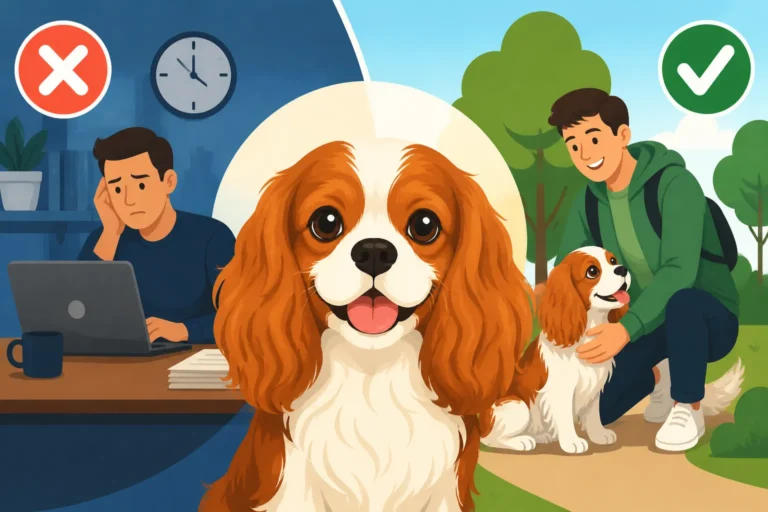
- Social Needs: As companion dogs, Cavaliers thrive on attention and being part of the family action. They are prone to Living With a Cavalier That Panics When Alone if not properly habituated to solitude. This means they're not typically suited for households where they'll be left alone for long hours every day. They crave companionship and will often follow you from room to room.
- Supervision: Due to their smaller size, extra caution is needed. They can be easily overlooked or stepped on, especially when young. It's also important to manage interactions with larger, boisterous dogs who might not realize how delicate a Cavalier can be. Investing in a good, secure harness rather than just a collar can also be beneficial, especially for their sensitive neck area.
Health Considerations and the Toy Group
Unfortunately, being a toy breed can sometimes come with a predisposition to certain health issues, and Cavaliers are no exception. Knowing these general tendencies can help you be a more informed owner.
- Dental Health: Many small breeds, including Cavaliers, have crowded jaws. This can lead to increased plaque and tartar buildup, making them more susceptible to Cavalier Dental Disease in a Crowded Jaw. Regular brushing and professional dental cleanings are crucial. You can find specialized small-breed dental chews on sites like Chewy designed to fit their smaller mouths.
- Joint Issues: Patellar luxation, or "loose kneecaps," is another common concern across many toy breeds. Cavaliers can develop this condition, as explored in Loose Kneecaps in a Thirteen-Pound Cavalier. While not every Cavalier will have this, it's something to be aware of and discussed with your vet during routine check-ups.
- Tracheal Issues: Some toy breeds can be prone to tracheal collapse. While Cavaliers generally have a longer muzzle than some brachycephalic (short-nosed) breeds, this is still a consideration. Using a harness helps reduce pressure on their delicate throats.
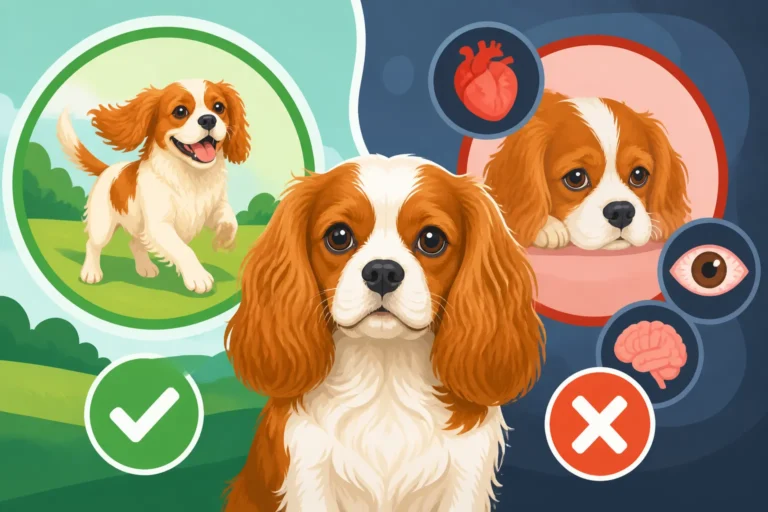
It's crucial to remember that while these are common toy breed issues, Cavaliers have their own specific breed-related health concerns, particularly mitral valve disease and syringomyelia. However, understanding their classification within the Toy Group gives us a broader framework for preventative care.
Training and Temperament in a Toy Package
The Cavalier's place in the Toy Group profoundly influences their trainability and temperament. These are dogs bred for pleasing their humans, not for hard work.
- Eager to Please: Cavaliers are generally intelligent and eager to please, making them quite responsive to positive reinforcement training methods. Training a Cavalier With Praise Rather Than Pressure works wonders with these sensitive souls. They respond well to gentle guidance and delicious treats.
- Sensitivity: As companion animals, they are often quite sensitive to their owner's emotions and vocal tones. Harsh corrections or loud voices can easily shut down a Cavalier and damage their trust. Patience and consistency are key.
- Strong Bond: Their deep bond with humans makes them excellent candidates for therapy work and tasks that require close cooperation. However, this same bond can make them vulnerable to separation anxiety if not managed proactively from puppyhood.
- Moderate Energy: While playful, they don't typically have the boundless energy of a working or sporting dog. This means training sessions should be kept short and fun, focusing on engagement rather than endless repetitions. You might find a variety of suitable training treats and interactive toys on Chewy to keep their minds stimulated without over-exerting them.
Beyond the Classification: The Cavalier's Unique Blend
While the AKC Toy Group classification accurately reflects many aspects of the Cavalier King Charles Spaniel, it's also important to acknowledge the unique blend of traits that make them stand out, even within their own group. They are, after all, "spaniels."
The Spaniel Instincts Still Present
Despite being classified as a toy breed, the Cavalier hasn't completely shed its spaniel heritage. Those instincts, though perhaps softened over centuries of companionship, are still there.
- Scent Drive: Don't let their dainty appearance fool you. Cavaliers have a respectable nose! They love to sniff and explore, often following interesting scents with surprising focus. This means they benefit from engaging their noses, perhaps with scent games or a sniffy walk in the park. The Spaniel Instincts Left in a Cavalier are evident in their love for a good sniff.
- Soft Mouth: Like many spaniels, Cavaliers tend to have a "soft mouth," meaning they can carry objects gently without crushing them. This makes them good at retrieving toys, though they weren't historically retrieving game like a Labrador would. They enjoy a good game of fetch in the living room.
- Biddability: Spaniels were originally bred to work with humans, and this cooperative spirit carries over to the Cavalier. They generally want to please and are quite biddable, which aids in training. They might not be flushing pheasants, but they're happy to "find" your dropped sock.
Why the Cavalier is More Than Just a "Toy"
It's easy to dismiss a "toy" dog as fragile or merely ornamental. But the Cavalier King Charles Spaniel defies this stereotype in many ways. They are remarkably resilient and adaptable.
- Robustness: Compared to some other tiny toy breeds, Cavaliers are often described as more robust. They are playful and enjoy outdoor activities, sometimes with surprising enthusiasm. They're not just delicate lap ornaments; they can be enthusiastic hiking companions for shorter, gentler trails.
- Adaptability: Their balanced temperament allows them to adapt to a wide range of family dynamics and living situations. They can be equally happy cuddling on the sofa or exploring a dog-friendly beach, as long as they are with their people.
- Genuine Joy in Activity: While not needing intense exercise, a healthy Cavalier genuinely enjoys walks, chasing squirrels (often with questionable success, as described in A Cavalier That Chases Squirrels Off Leash), and playing with toys. They aren't content to simply sit around all day; they thrive on engagement and activity suited to their size and physical capabilities. You'll find a fantastic array of interactive toys for small breeds, perfect for enriching a Cavalier's day, on Chewy.
So, while the Cavalier is unequivocally a member of the AKC Toy Group, it's a "toy" with a rich history and a personality that brings much more to the table than just being a small lapdog. They embody the best of both worlds: the loving companionship of a toy breed combined with the cheerful, engaging spirit of a spaniel.
Here's a quick comparison of general Toy Group traits versus specific Cavalier traits:
| Trait Category | General AKC Toy Group Description | Cavalier King Charles Spaniel Specifics |
|---|---|---|
| Size | Small, compact, typically under 15 pounds. | 12-13 inches tall, 13-18 pounds. |
| Primary Purpose | Companionship, lapdogs, household pets. | Historically bred for companionship, especially with royalty. |
| Temperament | Affectionate, eager to please, sensitive, thrives on human interaction. | Exceptionally sweet, gentle, loving, often called "Velcro dogs." |
| Energy Level | Typically moderate to low, suited for indoor living. | Moderate, enjoys walks and play but also loves lounging. |
| Health Tendencies | Dental issues, patellar luxation, sometimes tracheal concerns. | Prone to dental disease, patellar luxation, also MVD and Syringomyelia. |
| Instincts | Minimal working instincts, focused on human bond. | Retains some spaniel scent drive and biddability, loves soft retrieve. |
| Adaptability | Generally adaptable to various living situations, good for apartments. | Highly adaptable to families, singles, apartments, or houses, thrives on company. |
Disclaimer
This article is for general informational purposes only and does not constitute professional advice. Laws, prices and regulations vary by location and change over time. Consult a qualified professional for guidance on your specific situation.