Whether Cavalier Ancestors Really Sat in Parliament
It’s one of those charming anecdotes you hear about our beloved Cavalier King Charles Spaniels: the idea that their ancestors were so cherished by King Charles II, they were allowed to roam freely even into the hallowed halls of Parliament! This isn't just a cute story; it reflects a genuine historical devotion that shaped this breed, and we're going to dive into the truth behind this delightful claim and what it means for the Cavaliers we share our lives with today.
The Royal Indulgence: Charles II and His Beloved Spaniels
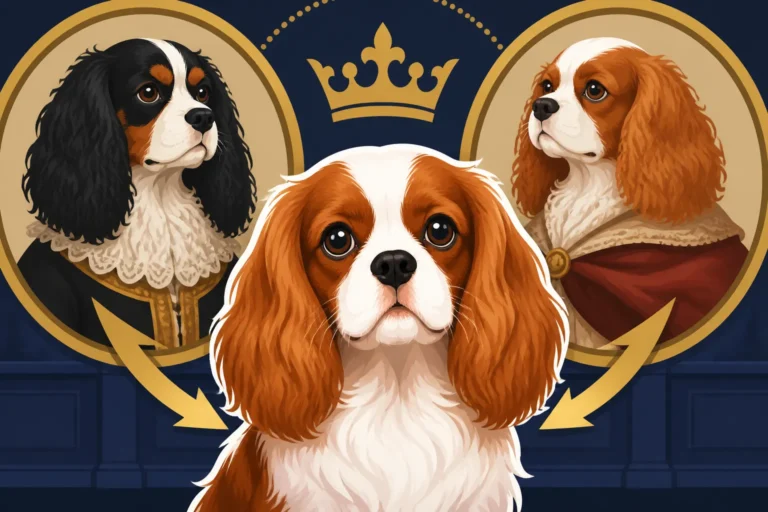
King Charles II, often dubbed the "Merry Monarch," was legendary for his unwavering affection for his small spaniels. These dogs weren't just pets; they were an integral part of his life, constantly at his side. Their presence wasn't merely tolerated; it was celebrated and, some would say, indulged to an extraordinary degree. This deep connection between monarch and dog laid the foundation for many of the stories we still tell about Cavaliers.
A King's Constant Companionship: Tales from the Royal Court
Imagine the opulent, bustling court of 17th-century England. Now, picture King Charles II, not just surrounded by advisors and courtiers, but also by a small retinue of his beloved spaniels. Historical accounts consistently paint a picture of these dogs being omnipresent. They accompanied him everywhere: to meetings, on walks, during meals, and even, it is said, into his private chambers. These were not dogs relegated to a kennel; they were intimate members of his household. The King himself was known to be so absorbed with his dogs that he would often spend more time playing with them than attending to affairs of state. This wasn't necessarily a point of criticism from his contemporaries, as it was a reflection of the relaxed and pleasure-loving atmosphere he cultivated in his court after years of austere Puritan rule. If you've ever owned a Cavalier, you know their incredible ability to weave themselves into every aspect of your life, making it utterly understandable that a king would find them irresistible. Why Charles II Kept Cavalier Ancestors in His Bedchamber gives even more insight into this close bond.
Court Etiquette and Canine Privileges: How Much Freedom Did They Have?
In an era when court life was strictly hierarchical, the spaniels of King Charles II enjoyed an almost unparalleled level of privilege. Unlike many other breeds or even other pets of the time, these dogs faced few restrictions. They were treated with a remarkable degree of affection and given liberties that would astonish many today. This wasn't just a passive acceptance; the King actively promoted their freedom. He ensured they were well-fed, cared for, and, most importantly, always near him. This royal decree of freedom extended to virtually every corner of the palace and beyond. They were truly the darlings of the court, reflecting the monarch's own genial and somewhat informal disposition. It certainly wasn't unheard of for other nobles and ladies of the court to have their own dogs, but none held the same esteemed position or enjoyed the same unrestricted access as those belonging to the King himself. This legacy of being utterly spoiled and adored is something we still see in our Cavaliers today; they genuinely believe they are royalty!
Fact or Fanciful Tale? The Parliamentary Presence
So, did these pampered pooches really have a "seat" in Parliament? The short answer is yes, they were certainly present in the halls where laws were made, but perhaps not in the formal, vote-casting capacity some might imagine. The legend is a charming embellishment of a very real, very unique historical situation.
The Famous Edict: Did a Law Protect Their Access?
One of the most persistent aspects of this legend is the idea of a royal edict or law specifically protecting the spaniels' right to enter any public place, including Parliament. While it’s a delightful thought that our Cavaliers might have an ancient, legally enshrined right to follow us everywhere, there's no verifiable official decree or law from Charles II's reign that explicitly grants his spaniels entry to Parliament or any other public building. This notion likely stems from the custom rather than a written law. The King's personal preference and royal authority were, in many ways, law unto themselves. If the King wished his dogs to be present, no one would dare gainsay him. Their presence was a reflection of his will and his absolute power, effectively making their access a de facto right, even if it wasn't penned into a formal statute. This informal "edict" speaks volumes about the monarch's love for his pets.
Decoding the Legend: What "Sitting in Parliament" Really Meant
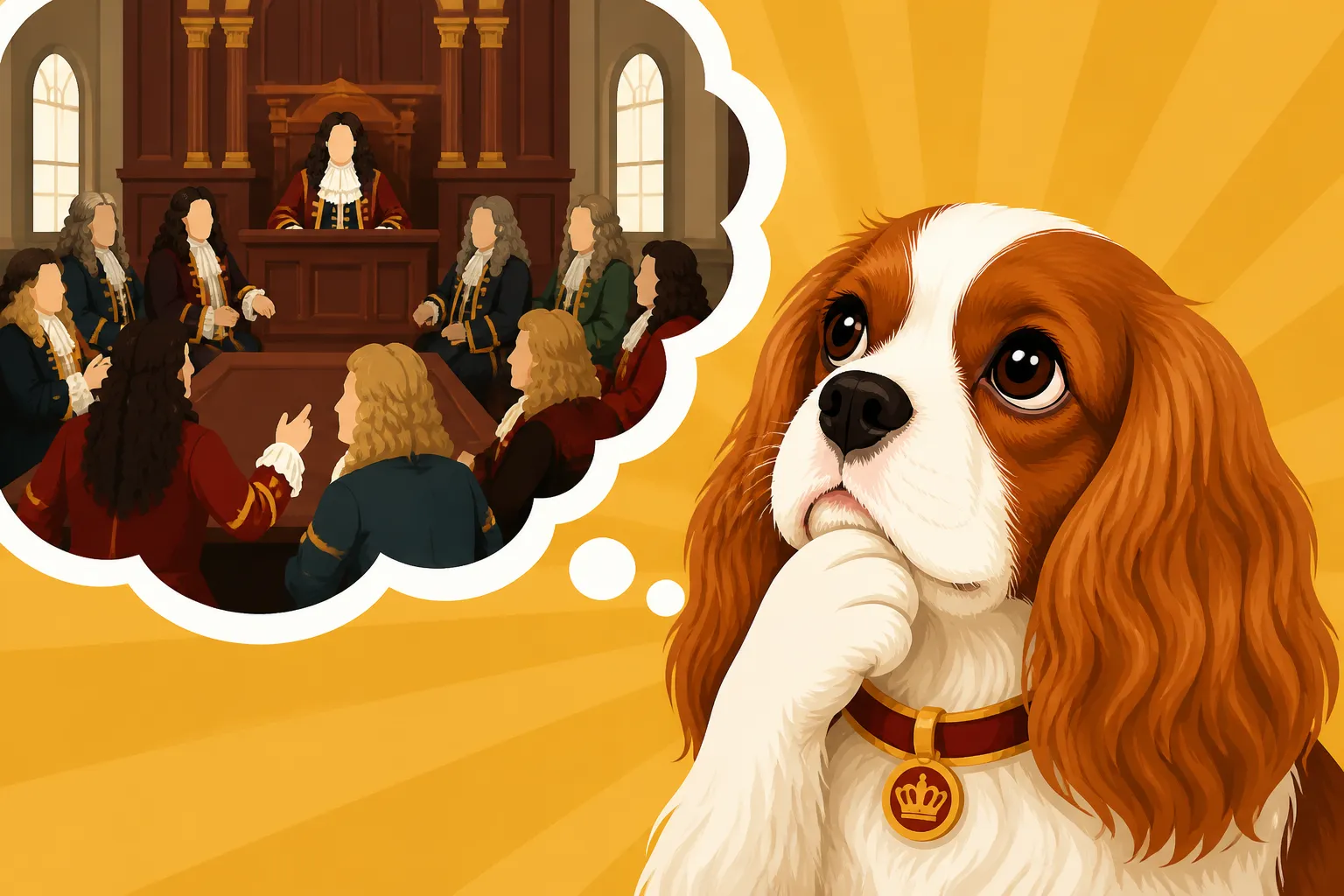
When we hear that Cavalier ancestors "sat in Parliament," it's not meant to imply they had a voting right or a designated cushioned bench. Rather, it refers to their constant, unhindered presence alongside the King even during serious state affairs. Imagine the King presiding over a session, perhaps with a spaniel curled at his feet, or nestled on his lap, or even wandering among the legislators. It would have been an unusual sight, certainly, but a reflection of the King’s character and his refusal to be parted from his beloved companions.
Consider a scene like this:
| Aspect of Court Life | Formal Protocol | Canine Reality |
|---|---|---|
| Parliamentary Sessions | Solemn debate, legal proceedings | Spaniels wandering, napping by the King's feet |
| Royal Dinners | Strict etiquette, elaborate dishes | Dogs under the table, perhaps sharing scraps |
| Public Appearances | Grand processions, formal greetings | King holding a dog, or one following closely |
| Private Chambers | Reserved for monarch and close staff | Dogs freely entering and exiting, sleeping near the King |
This table illustrates that while strict protocols existed, the King’s personal spaniels were often exceptions to the rule, a testament to his deep affection. The historical records, while not explicit about specific parliamentary sessions, do frequently mention their constant attendance at the King’s side in all manner of settings. So, yes, the spirit of the legend is very true: these dogs were so beloved that even the most important political gatherings couldn't exclude them. This constant companionship is a trait that resonates deeply in modern Cavaliers, who still prefer to be glued to their human's side. Why Cavaliers Are Called Velcro Dogs really captures this enduring trait.
An Enduring Legacy: The Cavalier's Royal Heritage Today
The enduring affection of King Charles II for his spaniels isn't just a historical footnote; it's woven into the very fabric of the Cavalier King Charles Spaniel breed. It informs their temperament, their desire for companionship, and the way we, as owners, perceive and cherish them today.
The "Merry Monarch's Dog" in Modern Times
The nickname "Merry Monarch's Dog" isn't just a quaint historical term; it perfectly encapsulates the joyful, affectionate, and utterly devoted nature of the Cavalier. This breed was, and remains, bred for companionship above all else. They thrive on human interaction and genuinely believe their place is right beside you, reflecting centuries of selective breeding for that very trait. Whether you're working from home, watching a movie, or even just moving from one room to another, your Cavalier will likely be your shadow. This constant presence, this almost inherent expectation of being included, is a direct inheritance from their royal ancestors who knew no boundaries when it came to their beloved king.
This deep-seated need for connection makes them incredible family pets, often described as gentle, adaptable, and eager to please. Their history as pampered court dogs means they tend to be tolerant and easygoing, rarely showing aggression, and always ready for a snuggle. If you're looking for a dog that truly sees itself as a member of your inner circle, you can trace that back to Charles II's court. When you buy them a plush bed or a special treat from a place like Chewy, you're just continuing a long tradition of pampering. The Court Spaniels the Cavalier Descends From offers more background on this lineage.
Nurturing a Royal Temperament in Your Home
Given their regal history and innate desire for companionship, nurturing a Cavalier's temperament today means understanding and respecting these deep-seated traits. They are dogs that flourish with attention, consistent positive reinforcement, and a prominent place within the family unit.
- Companionship is Key: Cavaliers genuinely struggle with being left alone for extended periods. This is not naughtiness; it's a profound instinct. If you work long hours, consider a dog walker or doggy daycare, or even a pet sitter if your Cavalier is on medication, which you can easily arrange with pet care products from Chewy. Hours a Cavalier Can Cope With Alone provides more detailed advice on this topic.
- Gentle Training: Their sensitive nature, inherited from generations of being beloved companions rather than working dogs, means they respond best to kindness and positive methods. Harsh corrections can easily break their spirit. Training a Cavalier With Praise Rather Than Pressure is the way to go.
- Inclusion in Family Life: A Cavalier isn't content to be an outdoor dog or one relegated to a single room. They want to be where the action is, curled up on the sofa with you, following you from room to room, and generally participating in everything.
- Managing Their Affection: While their "velcro" nature is endearing, it's also important to gently teach them independence from a young age to prevent severe separation anxiety. Building up their tolerance for short periods of alone time can be very beneficial.
The stories of Charles II's spaniels sitting in Parliament might be more charming legend than strict historical fact, but they capture the undeniable truth of the Cavalier's ancestry: a breed profoundly shaped by royal love and an enduring desire to be at the heart of their human's world. Understanding this history helps us appreciate why our Cavaliers are the affectionate, devoted companions they are today, and how best to give them the happy, inclusive lives they deserve. Cavalier Temperament and the Sporting Spaniel Beneath It delves further into these characteristics.
Disclaimer
This article is for general informational purposes only and does not constitute professional advice. Laws, prices and regulations vary by location and change over time. Consult a qualified professional for guidance on your specific situation.