Why Cavalier Ancestors Lost Their Muzzles
If you've ever admired a Cavalier King Charles Spaniel and then stumbled upon an old painting featuring one of their ancestors, you might have noticed a striking difference: the length of their muzzle. It's not just your imagination; the sweet, expressive face of today's Cavalier didn't always look this way, and its journey through history is a fascinating tale of changing preferences and deliberate breeding. This guide will explore the compelling reasons behind why Cavalier ancestors lost their muzzles and what that legacy means for the breed today.
The Regal Origins: When Cavalier Ancestors Had Longer Noses
Long before they were known as Cavalier King Charles Spaniels, these charming dogs were simply "toy spaniels," beloved companions of European royalty and nobility. They were cherished for their affectionate nature and portability, often found warming laps or tucked into sleeves, but their appearance was quite different from what we recognize today.
Life as a Royal Companion
Imagine the bustling courts of 16th and 17th century Europe. These early spaniels, ancestors to our modern Cavaliers, were constant fixtures, depicted in countless tapestries and portraits alongside kings and queens. They were more than just pretty faces; they were lively, intelligent little dogs, perfect for keeping laps warm on chilly days and offering comfort in an often rigid world. Their presence was a status symbol, a sign of refinement and wealth. They weren't just decorative; they were active participants in court life, sometimes even accompanying their owners on light hunting excursions for small birds, a testament to their spaniel heritage.
The Look of the Early Cavalier Ancestors
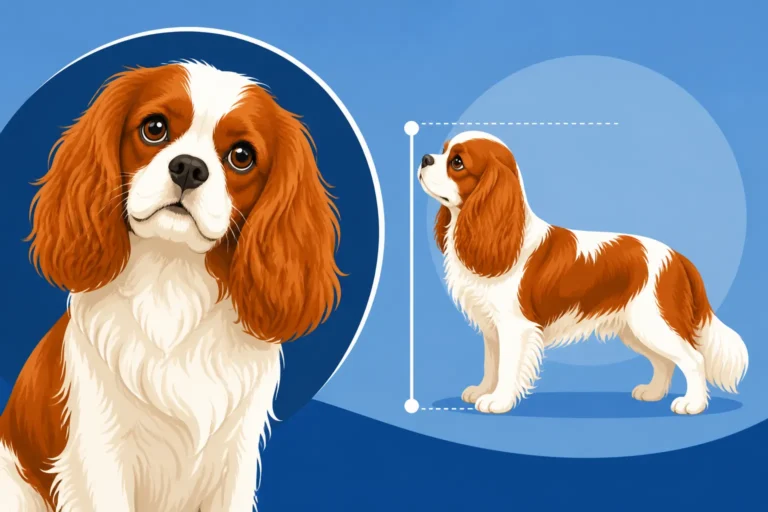
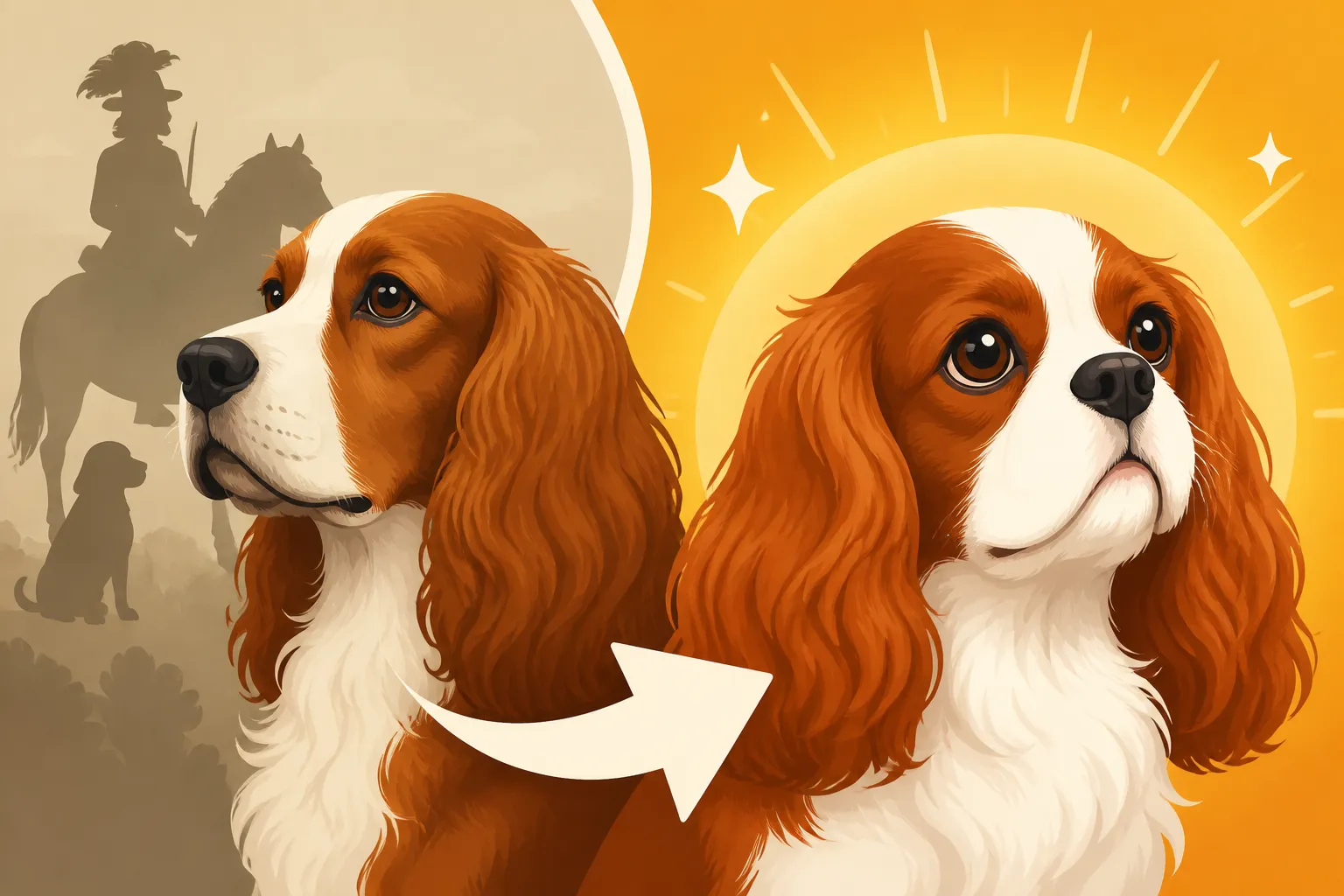
When we gaze upon portraits from this era, like those featuring King Charles II and his beloved spaniels, a key difference immediately stands out: their muzzles. These dogs possessed noticeably longer muzzles compared to the relatively flat faces we associate with the breed today. Their skulls were typically flatter on top, and their eyes, while still dark and expressive, didn't protrude as much. They had a more "natural" dog-like face, resembling miniature versions of the sporting spaniels from which they descended. This longer muzzle wasn't just aesthetic; it was functional, a trait passed down from their working ancestors, allowing for better scenting ability and more efficient breathing. These were truly The Court Spaniels the Cavalier Descends From.
The Shifting Sands of Fashion: The Lure of the Short Face
The story of the Cavalier's changing muzzle is intrinsically tied to the fickle nature of fashion and the advent of selective breeding. As centuries passed, new aesthetics emerged, radically transforming the appearance of many beloved breeds.
The Influence of Eastern Breeds and Fashion
The 18th and 19th centuries brought an increasing fascination with breeds from the Far East, particularly those with distinct brachycephalic, or "short-nosed," features. Pugs and Japanese Chins, with their pushed-in faces, prominent eyes, and domed skulls, began to arrive in Europe and quickly captured the hearts of the elite. These breeds were considered exotic and fashionable, symbolizing a certain oriental mystique. As their popularity soared, so did the desire to replicate these "cute" and distinctive features in other toy breeds, including the European spaniels. It was a conscious shift in what was considered desirable and beautiful in a companion dog.
Selective Breeding for a Shorter Face
This newfound aesthetic had a profound impact on the English toy spaniels. Breeders, eager to meet the demands of the market and stay current with trends, began to selectively breed for dogs with increasingly shorter muzzles, more domed skulls, and larger, rounder eyes. It wasn't a natural evolutionary process, but a deliberate human intervention, driven by the desire for a specific look. Bit by bit, generation after generation, dogs with flatter faces were chosen for breeding, while those retaining the longer, older type were increasingly overlooked. This is how The Pug Crosses That Shortened the Cavalier's Face became prevalent, dramatically altering the breed's head shape over time. This intensive selection for a shortened face had a lasting effect, physically molding the dogs to fit the prevailing beauty standards of the era.
The King Charles Spaniel Divergence
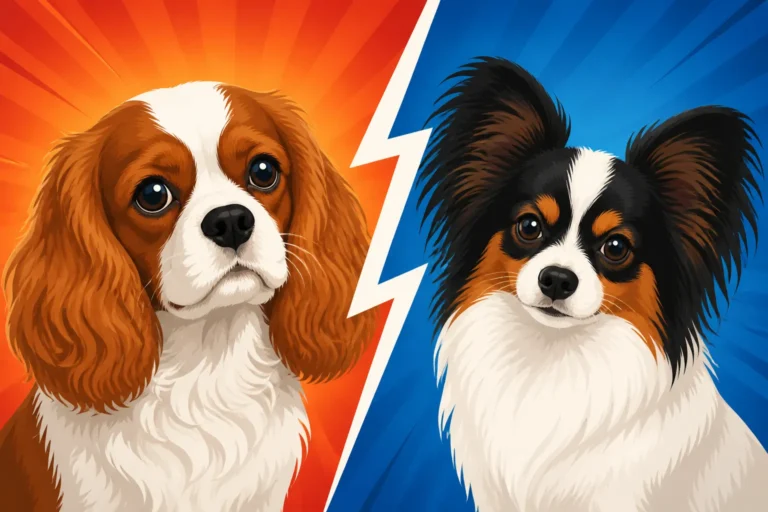
By the mid-19th century, the transformation was largely complete. The original, longer-nosed toy spaniel had all but vanished, replaced by a new, distinct type: the King Charles Spaniel (known as the English Toy Spaniel in the United States). This "new type" was undeniably brachycephalic, with a very flat face, a dramatically domed skull, and often an undershot jaw. It was a striking departure from its ancestors, a testament to the power of human-directed breeding. This period saw a clear divergence, explaining Why Cavalier and King Charles Spaniel Mean Two Dogs today, as these two breeds, while sharing a common ancestry, now represent distinctly different ideals of the toy spaniel. The "old type" was almost lost to history, existing primarily in paintings and the memories of a few dedicated enthusiasts. This shift in appearance wasn't without consequence, as we'll touch on later, but at the time, the short-faced look reigned supreme.
Roswell Eldridge and the Quest to Bring Back the Old Type
Just when it seemed the original, longer-nosed toy spaniel might be lost forever, an American enthusiast stepped forward with a mission: to revive the classic look depicted in the paintings of old. This pivotal moment marked the true beginning of the modern Cavalier King Charles Spaniel breed.
The Quest for the Bygone Spaniel
In the 1920s, a man named Roswell Eldridge, an American, visited the famous Crufts dog show in England. He was struck by the absence of the longer-nosed spaniels he'd seen in historical art. Dissatisfied with the prevailing short-nosed King Charles Spaniel, he offered a generous cash prize for any breeder who could produce "the old type" of spaniel, as depicted in the paintings of King Charles II's era – a dog with a longer muzzle, flatter skull, and no exaggerated features. This offer, initially met with skepticism, lit a spark among a small group of breeders. Who Roswell Eldridge Was to the Cavalier is truly central to the breed's modern history. He essentially put out a call for dogs that had been marginalized for over a century, dogs that still carried the genetic blueprint of the original court spaniels, even if they weren't show ring darlings.
Re-establishing the Cavalier Standard
Inspired by Eldridge's challenge, a dedicated group of breeders began searching for dogs that still possessed the characteristics of the "old type." They scoured kennels and family lines, seeking out individuals that had somehow escaped the intensive breeding for the very short muzzle. It was a painstaking process of identification and selection, essentially recreating a breed that had been pushed to the brink of extinction by changing fads. These efforts eventually led to the formation of the first breed club in 1928, dedicated to preserving and developing the "Cavalier King Charles Spaniel," a name specifically chosen to differentiate them from the established King Charles Spaniel. The breed standard was written to reflect Eldridge's vision, emphasizing a moderate muzzle, a flat skull between the ears, and a gentle, soft expression without any signs of exaggeration. The crucial role of The 1926 Advertisement That Revived the Cavalier cannot be overstated, as it spurred the search that brought this beloved breed back from the brink of obscurity.
The Enduring Legacy of the Cavalier's Muzzle
The historical journey of the Cavalier's muzzle, from moderate length to extreme shortness and back to a moderate ideal, has left a significant legacy, one that continues to shape the breed's health and the responsibilities of its owners and breeders today.
The Ongoing Debate: Form vs. Function
While the modern Cavalier's muzzle is a vast improvement over the extremely flat face of the 19th-century King Charles Spaniel, the breed still carries some genetic predispositions related to its head structure. Even with a longer muzzle than its King Charles cousin, the Cavalier is still considered a brachycephalic breed to some degree, meaning it has a relatively broad, short skull. This characteristic, though less extreme than in Pugs or Bulldogs, can still influence breathing and overall comfort. For instance, some Cavaliers can still experience issues related to crowded teeth in their shorter jaws, or have tear staining due to shallow eye sockets and tear duct issues. It highlights the ongoing tension between adhering to a breed standard that prioritizes certain aesthetics and ensuring the long-term health and well-being of the dogs. Understanding Whether a Cavalier Is a Brachycephalic Breed is important for owners to anticipate potential health considerations.
Responsible Breeding for a Healthier Future
Today, responsible Cavalier breeders are acutely aware of the breed's unique history and the health challenges that can arise from skull and muzzle conformation. While aiming for the beautiful, gentle expression that defines the Cavalier, they also prioritize health and functionality. This involves carefully selecting breeding dogs with good conformation, sound breathing, and healthy skeletal structures. Many breeders actively participate in health screening programs, including cardiac evaluations and MRI scans for Syringomyelia, a neurological condition that can be exacerbated by skull shape, specifically Why a Cavalier Skull Is Too Small for Its Brain. The goal is to produce Cavaliers that not only meet the breed standard but also live long, healthy, and comfortable lives. This commitment is vital for Whether the Cavalier Can Be Bred Back to Health and for safeguarding the breed's future.
Supporting Your Cavalier's Breathing and Comfort
For Cavalier owners, understanding the breed's unique head structure translates into proactive care. While most Cavaliers with well-bred, moderate muzzles live perfectly normal lives, being mindful of their breathing, especially during exercise or in warm weather, is always wise. Using a harness rather than a collar can prevent unnecessary pressure on the trachea. Keeping their weight healthy is also crucial, as extra pounds can put strain on their respiratory and cardiovascular systems. Regular dental care is also important for their sometimes crowded jaws, and you can find a wide array of dental chews and brushes at online retailers like Chewy. Additionally, ensuring they have access to fresh water and a comfortable, cool resting spot, perhaps even a cooling mat (many options available from Chewy), helps them regulate their temperature effectively. Choosing appropriate feeding bowls, like those designed for flat-faced breeds, can also make mealtime more comfortable, and Chewy often stocks these specialized items. By being informed and proactive, we can ensure our beloved Cavaliers enjoy the best possible quality of life, honoring their rich history while looking toward a healthier future.
| Period/Influence | Muzzle Length | Skull Shape | Notable Features/Impacts |
|---|---|---|---|
| Pre-19th Century | Moderate to Long | Flatter | Functional for scenting, elegant, royal companions. |
| 19th Century "New Type" | Very Short/Flat Face | Domed | Pug-like features, became known as King Charles Spaniel. |
| Early 20th Century Revival | Moderate | Flatter (ideal) | Effort to restore "old type," led by Roswell Eldridge. |
| Modern Cavalier KC Spaniel | Moderate | Slightly Domed | Balanced expression, focus on health alongside beauty. |
Disclaimer
This article is for general informational purposes only and does not constitute professional advice. Laws, prices and regulations vary by location and change over time. Consult a qualified professional for guidance on your specific situation.