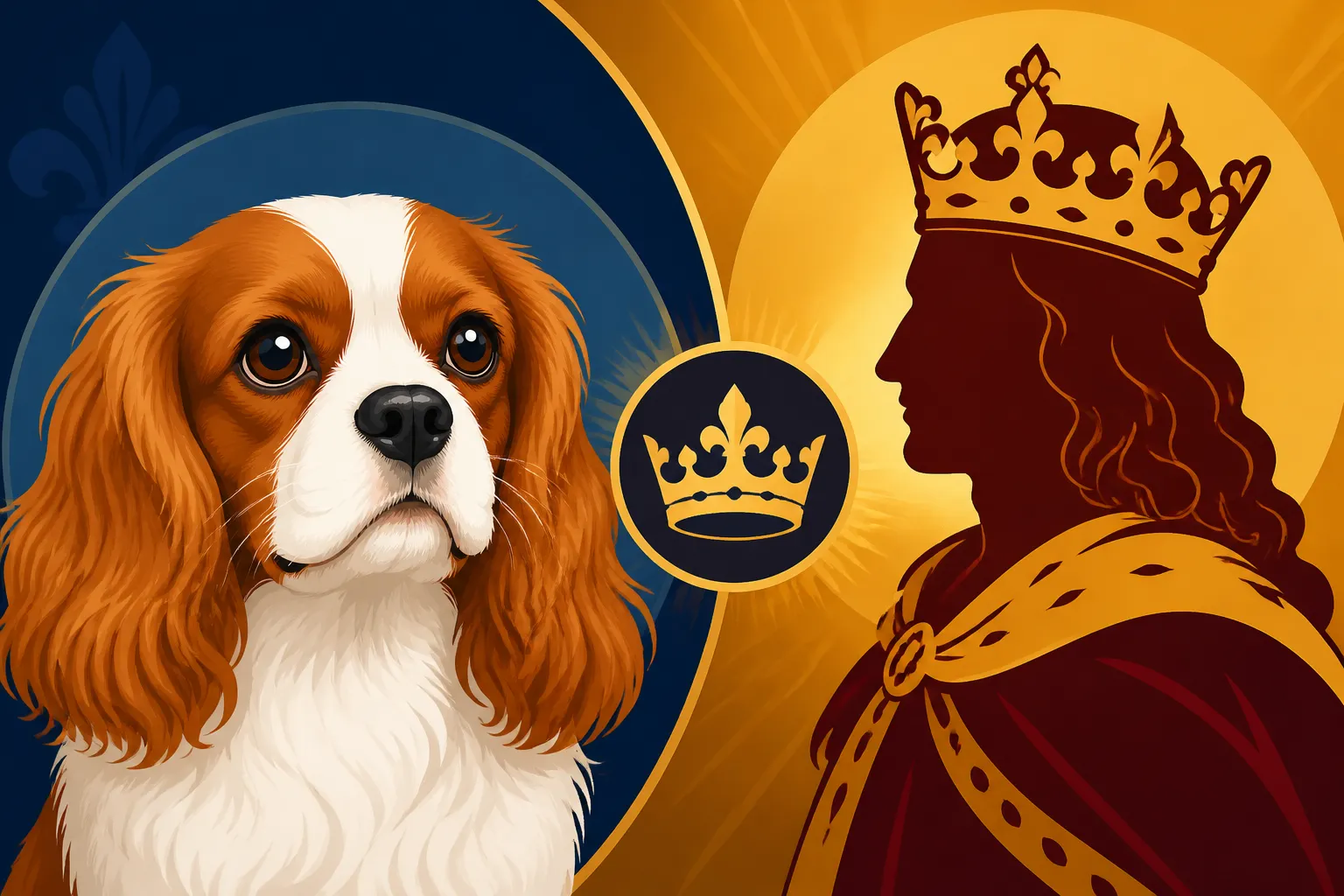
Which King the Cavalier Is Named After
Many new Cavalier King Charles Spaniel owners, and even those who've loved the breed for years, often wonder about the regal name their beloved companion carries. It's a name that evokes images of bygone eras and royal courts, but precisely which king gifted his title to this charming toy spaniel isn't always clear. This guide will delve deep into the historical tapestry, unraveling the story behind the Cavalier's majestic moniker and exploring the fascinating lineage that led to the breed we adore today.
The Royal Patron: King Charles II of Great Britain
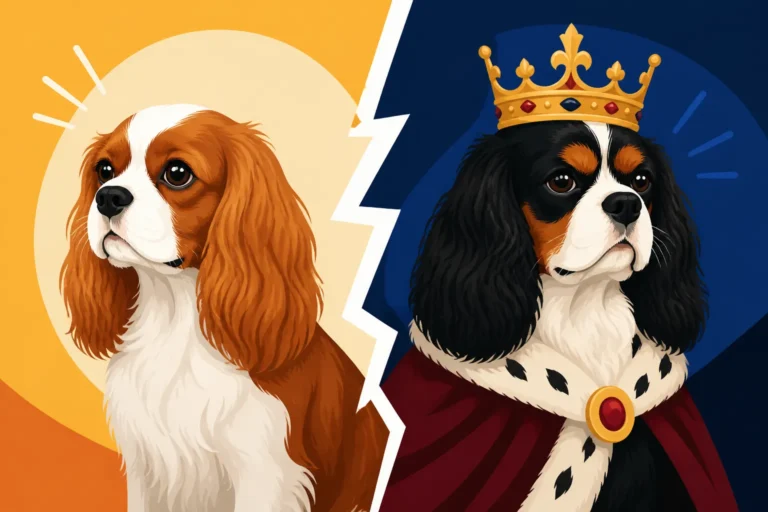
The most direct answer to which king the Cavalier King Charles Spaniel is named after is King Charles II of Great Britain. His affection for these little spaniels was legendary and deeply intertwined with the breed's early history and prominence. He was rarely seen without several of these charming dogs trotting at his heels, even reportedly taking them with him everywhere, including official state functions.
Imagine the bustling royal court of 17th-century England. Among the lords and ladies in their elaborate attire, you'd find small, silky-coated spaniels weaving through the crowd, often cradled in the arms of the monarch himself. These dogs were more than just pets; they were constant companions, providing comfort and loyalty in an age of political intrigue and social upheaval. King Charles II's passion for his spaniels was so well-known that he reportedly issued a decree stating that King Charles Spaniels should be allowed in any public place, including the Houses of Parliament. While the authenticity of this particular decree is often debated among historians and dog enthusiasts, the anecdote perfectly illustrates the depth of his devotion to these canine companions. This unwavering favoritism cemented the "King Charles" name into the public consciousness, forever linking these elegant little dogs with the British monarchy. Their presence was a constant, almost a signature of his reign.
A King's Deep Affection for His Spaniels
King Charles II's love for his spaniels wasn't just a fleeting fancy; it was a profound attachment. He owned numerous dogs, and they were always by his side, whether he was dining, traveling, or conducting affairs of state. These spaniels were particularly prized for their gentle nature, their eager desire to please, and their convenient size, making them ideal lapdogs and confidantes. They provided a soft, warm presence that offered solace and an escape from the pressures of ruling.
His personal secretary, Samuel Pepys, famously noted in his diary how the King would often be found "playing with his dog" rather than attending to matters of state, much to the exasperation of his ministers. This speaks volumes about the priority these dogs held in his life. It wasn't just a hobby; it was an integral part of his daily existence. These dogs were likely the direct ancestors of what we now call the Cavalier King Charles Spaniel – small, affectionate, long-eared toy spaniels with expressive eyes and a devoted temperament. They were bred for companionship, a role they excelled at then, just as their descendants do today. The rich history of these dogs at court truly explains How a King's Name Ended Up on the Cavalier.
From Court Spaniel to Cavalier Distinction
While King Charles II established the "King Charles Spaniel" as a breed type, the story doesn't end there. Over the centuries, particularly after the Glorious Revolution and the decline of the Stuart monarchy, breeding trends began to shift. The original type of spaniel favored by Charles II, with its flatter skull and longer muzzle, gradually gave way to a newer fashion. This new style was influenced by breeds imported from Asia, such as the Pug and the Japanese Chin, leading to dogs with much shorter noses, domed skulls, and pronounced stop (the indentation between the eyes).
This newer, shorter-faced version became known as the King Charles Spaniel (which is today's English Toy Spaniel in the United States). By the late 19th and early 20th centuries, the original "old type" spaniel, so beloved by Charles II, was exceedingly rare, almost to the point of extinction. Enthusiasts, cherishing the historical image of the royal spaniels, sought to revive the breed to its former glory. This is where the "Cavalier" part of the name becomes crucial, distinguishing it from its later, shorter-faced cousin.
The Rise of the "Old Type" and Roswell Eldridge's Quest
The true revival of the original King Charles-era spaniel began in earnest in the 1920s, largely thanks to an American enthusiast named Roswell Eldridge. Eldridge was captivated by the paintings of the old masters, which often depicted dogs strikingly similar to the spaniels of King Charles II's court. He noticed that these dogs had longer noses and flatter heads than the contemporary King Charles Spaniels being shown at the time.
Determined to bring back this classic look, Eldridge offered prize money at Crufts Dog Show for five consecutive years (from 1926 to 1930) for "the best dog or bitch of the 'old type' King Charles Spaniel, as shown in the pictures of Charles II's time, with a long face, no stop, flat skull, and the spot in the middle of the skull." This specific challenge reignited interest in finding and breeding dogs that matched the historical descriptions. Breeders, with a keen eye for history and a desire to preserve the heritage, began to selectively breed for these characteristics, tracing lineages back to dogs that still carried the original traits. This effort was a pivotal moment in the breed's history, highlighting the deep desire to preserve the historical look, as detailed in The Old Type of Cavalier Eldridge Wanted Back.
The challenge Eldridge set forth was revolutionary. Before him, the focus had largely shifted towards the very short-nosed variety. His prize money incentivized breeders to look beyond the prevailing fashion and actively seek out and preserve those dogs that still resembled the companions of Charles II. This wasn't just about winning a prize; it was about reclaiming a piece of canine history. The few dogs that truly fit Eldridge's description became the foundational stock for the modern Cavalier King Charles Spaniel. Many of the essential supplies for a new Cavalier owner, from grooming tools to high-quality food, can be found readily on platforms like Chewy, helping owners care for these historically significant dogs.
"Cavalier": A Nod to Royal Loyalty and History
The addition of "Cavalier" to the breed's name wasn't just a descriptive detail; it was a deliberate historical reference. The term "Cavalier" during the English Civil War (1642–1651) referred to the Royalist supporters of King Charles I and, by extension, his son King Charles II. These Cavaliers were known for their distinctive fashion (long hair, plumed hats) and their unwavering loyalty to the monarchy, even in the face of immense adversity.
By naming the revived breed the "Cavalier King Charles Spaniel," breeders were not only distinguishing it from the shorter-faced King Charles Spaniel but also paying homage to the historical context of its origins. It evoked the image of the loyal companions that stayed by the side of the Royal family, particularly during their exile and restoration. This name carries with it a sense of noble heritage and steadfast devotion, characteristics that are still very much a part of the Cavalier temperament today. They are, after all, famously known as "Velcro dogs" who thrive on human companionship, a trait that surely comes from centuries of being a royal lapdog. To understand more about this, one might look into The Court Spaniels the Cavalier Descends From.
Distinguishing Two Royal Breeds
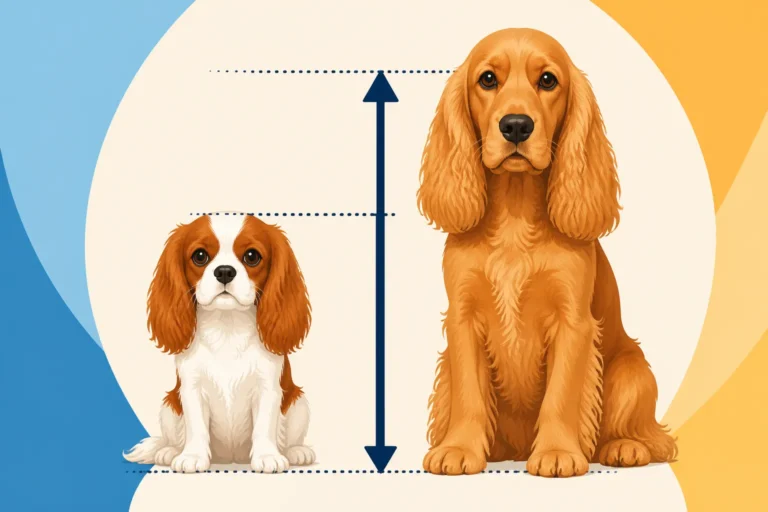
It's a common point of confusion for many: the King Charles Spaniel and the Cavalier King Charles Spaniel are, in fact, two distinct breeds, despite their shared ancestry and royal connection. The primary difference lies in their head structure, a direct result of divergent breeding priorities over time.
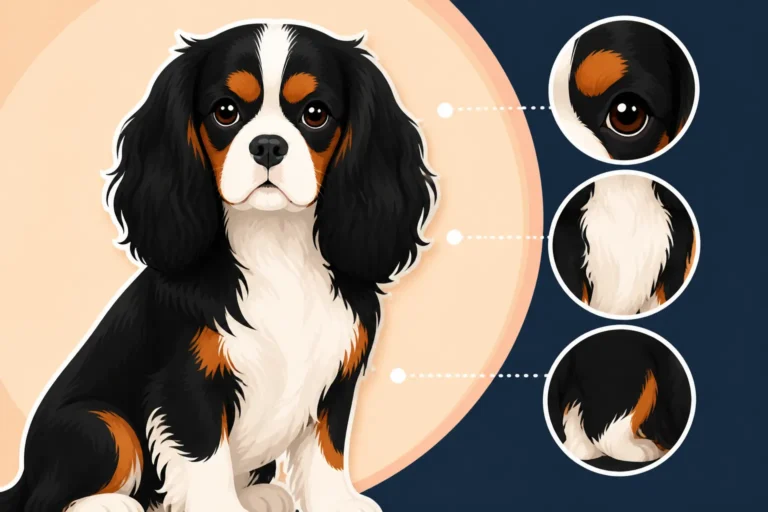
The King Charles Spaniel (often called the English Toy Spaniel in America) is the breed that developed with the shorter, "dish-faced" muzzle, domed head, and large, round eyes, a look that gained popularity in the Victorian era. The Cavalier King Charles Spaniel, on the other hand, is the result of the conscious effort to recreate the "old type" with a flatter skull and a more moderately proportioned muzzle, echoing the dogs seen in 17th-century portraits. This distinction is vital for understanding the breed's history and its physical characteristics, as explored further in Why Cavalier and King Charles Spaniel Mean Two Dogs.
| Feature | Cavalier King Charles Spaniel | King Charles Spaniel (English Toy Spaniel) |
|---|---|---|
| Muzzle Length | Moderate length | Very short, "dish-faced" |
| Skull Shape | Relatively flat | Domed |
| Stop | Moderate | Pronounced |
| Eye Placement | Set well apart, not bulging | Larger, rounder, sometimes prominent |
| Overall Size | Slightly larger (13-18 lbs) | Smaller (8-14 lbs) |
| Origin Goal | Revival of 17th-century type | Victorian-era evolution |
This table clearly illustrates the key physical differences, which stem from centuries of selective breeding and a concerted effort to bring back the original look. When considering a dog, it's important to know which of these delightful spaniels you're truly seeking, especially if you're looking for one from a reputable source that performs proper health screenings, as discussed in Buying a Cavalier From a Health-Testing Breeder.
The Legacy of the Name in Modern Cavaliers
Today, the name "Cavalier King Charles Spaniel" is a testament to both its royal heritage and the dedicated efforts of breeders to preserve its historical form. Every time we call our Cavalier by its full name, we invoke a history spanning centuries, a story of royal companionship, changing fashions, and a passionate revival. These dogs continue to embody the traits that endeared them to King Charles II: gentle dispositions, boundless affection, and an unwavering desire to be near their human companions.
Their cheerful, outgoing nature makes them wonderful family pets, often described as eager to please and adaptable to various living situations. Whether curled up on a couch or enjoying a leisurely stroll in the park, the Cavalier remains a loyal "Cavalier" in spirit, a true companion deserving of its regal name. Their intelligence, while perhaps not always put to use in affairs of state, is certainly evident in their ability to charm and connect with their families. To continue learning about the characteristics that make this breed so special, you can explore topics like Cavalier Temperament and the Sporting Spaniel Beneath It. Understanding their historical context also helps appreciate why, for many, Whether a Cavalier Is the Right Dog for You is an easy question to answer with a resounding yes. Regular grooming, with products often available from retailers like Chewy, helps keep their beautiful coats fit for royalty.
For anyone looking to bring one of these wonderful dogs into their lives, it's essential to understand the full scope of their care, including health considerations that are common within the breed, something we frequently discuss on our blog, such as Mitral Valve Disease in the Cavalier King Charles Spaniel. Knowing the breed's history and its specific needs helps foster a deeper bond and ensure a healthy, happy life for these living pieces of history.
Disclaimer
This article is for general informational purposes only and does not constitute professional advice. Laws, prices and regulations vary by location and change over time. Consult a qualified professional for guidance on your specific situation.