Building From Thirty Seconds With a Cavalier
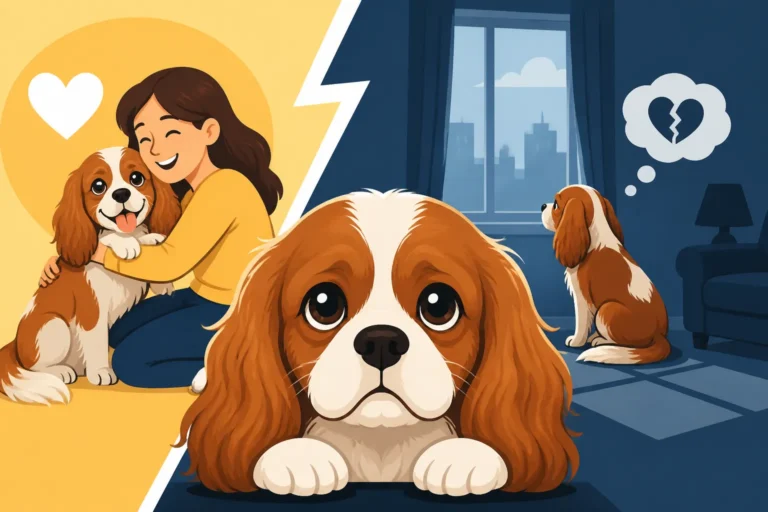
There's a unique bond you share with your Cavalier King Charles Spaniel, isn't there? They're often called "Velcro dogs" for a reason, sticking by your side through thick and thin. But this intense loyalty can lead to a real challenge: the distress they feel when you have to leave them alone, even for a short trip to the grocery store. It's heartbreaking to see your sweet companion anxious, and it can leave you feeling guilty and frustrated. This guide is here to help you gently build your Cavalier's confidence, starting with just thirty seconds of alone time, so they can learn to cope when you step away.
The Heart of the Matter: Why Your Cavalier Clings
Cavalier King Charles Spaniels are renowned for their affectionate nature and their absolute devotion to their human companions. This isn't just a cute quirk; it's deeply ingrained in their history and temperament. Understanding this fundamental aspect of their being is the first step toward helping them cope with solitude.
Bred for Companionship, Not Solitude
Historically, Cavaliers were bred to be constant companions to royalty and nobility, often found warming laps or nestled in beds. They were never intended to be working dogs left alone in kennels or fields for long stretches. This legacy means they come pre-programmed with a profound need for human connection and proximity. When you bring a Cavalier into your home, you're welcoming a dog whose very essence is tied to being with you.
Their deep-seated need for interaction means they thrive on company. They want to be involved in whatever you're doing, whether it's cooking dinner, watching television, or simply moving from one room to another. This is why many Cavalier owners describe their dogs as "shadows" or "four-legged extensions" of themselves. This profound attachment, while endearing, makes the concept of being left alone inherently difficult for them. It's a fundamental conflict between their natural inclination and the demands of modern human life. You see them following you from room to room, never quite letting you out of their sight, and it’s a beautiful testament to their love, but it also means alone time is a real challenge. For more on this, you might find Why a Cavalier Follows You Room to Room helpful.
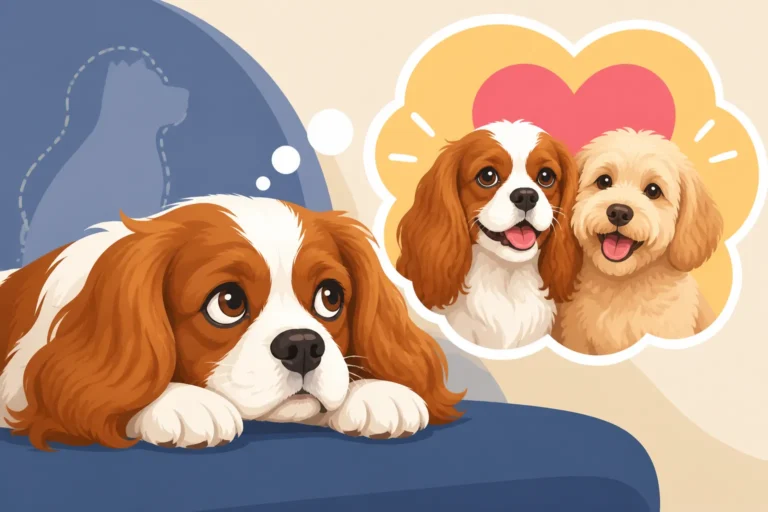
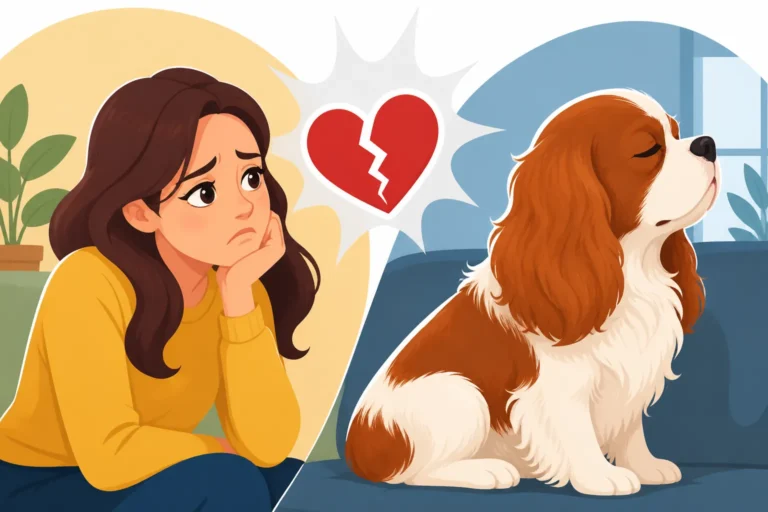
It’s easy to feel a pang of guilt every time you walk out the door, knowing your sweet Cavalier might be pining for you. This isn't a reflection of poor training on your part, but rather a testament to the strength of their bond and their inherent design. Many other breeds might be content to snooze through the day, but a Cavalier often experiences a deeper sense of loss or anxiety when their human is out of sight. They genuinely miss you, and it's a feeling they don't always know how to process calmly.
Decoding the Language of Distress
When a Cavalier is struggling with alone time, they rarely hide it. Their distress manifests in various ways, ranging from obvious acts of panic to more subtle, underlying signs. It's crucial for us, as their caretakers, to learn to distinguish these signals, not as naughty behavior, but as cries for help.
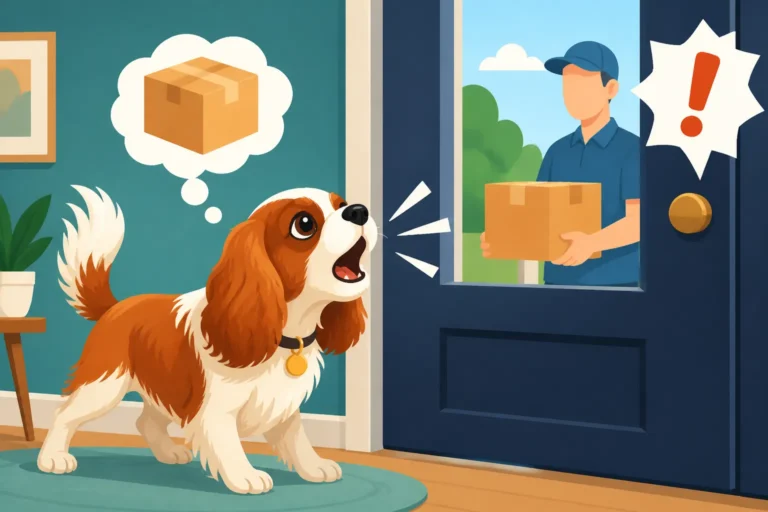
The overt signs are often the most recognized: incessant barking or howling that might upset neighbors, destructive chewing that targets doorways, window sills, or furniture, and house-soiling accidents even in a perfectly potty-trained dog. These aren't acts of defiance; they are desperate attempts to self-soothe or communicate their overwhelming anxiety. Your Cavalier isn't "getting revenge" for being left; they are genuinely terrified or profoundly uncomfortable. It's heartbreaking to come home to a shredded cushion, but in that moment, your dog wasn't intentionally misbehaving; they were trying to cope with an unbearable situation.
Beyond the obvious, there are more subtle indicators that your Cavalier is struggling. These might include pacing frantically, excessive panting even when not warm, drooling more than usual, or refusing to eat a high-value treat or puzzle toy you left for them. Some Cavaliers might engage in repetitive behaviors like licking their paws or grooming themselves excessively. Others may become withdrawn, simply lying by the door, refusing to move until your return. Spotting these quieter signs of stress is just as important as noticing the more dramatic outbursts. They all point to a dog who hasn't yet learned that your departure is temporary and safe. Being able to recognize these often overlooked clues is key to understanding your dog's internal state. You can learn more about specific behaviors in Signs a Cavalier Is Distressed When Alone.
Setting the Stage: Preparing for Successful Alone Time
Before you even attempt to leave your Cavalier for thirty seconds, there are foundational steps you can take to create an environment of security and predictability. These steps lay the groundwork for building confidence and transforming alone time from a source of panic into a period of calm rest.
Crafting a Sanctuary: The Importance of a Safe Space
Every Cavalier needs a designated safe space, a personal den where they can feel secure and relax. For some, this might be a crate, for others, a dog pen, or simply a cozy dog bed tucked away in a quiet corner of a room. The key is to make this space overwhelmingly positive and inviting, long before you ever ask your Cavalier to stay in it alone. It should never, ever be used for punishment.
To build positive associations, feed your Cavalier their meals in this den. Offer high-value, long-lasting chews or puzzle toys only when they are in their safe space. Praise them gently and give them soft pets when they choose to rest there, even if you are present in the room. You want them to view this spot as their personal retreat, a place of comfort and delicious things. Adding familiar scents, like an unwashed blanket that smells of you, can also be incredibly soothing. Some owners find that placing a diffused calming pheromone product near the den or playing soft classical music can enhance the sense of peace. The goal is for your Cavalier to willingly go to their den, associating it with good things and relaxation, not with being abandoned. If your Cavalier tends to panic in a crate, exploring different approaches to positive crate training might be beneficial. Check out Crate Training a Cavalier That Panics for more ideas.
Imagine your Cavalier happily snoozing in their chosen spot, surrounded by their favorite smells and toys. This image is what you're striving for. When they are comfortable and content in their den with you home, they are much more likely to maintain that composure when you briefly step away. Consistency is paramount; always make their den a source of comfort and never a place of fear or frustration. It’s about creating a positive mental image for them associated with that specific location, a place they can truly call their own.
Mastering the Art of the Calm Departure and Return
One of the biggest mistakes we, as loving owners, often make is inadvertently fueling our dog's anxiety around our departures. Our human desire to say a heartfelt goodbye, or to shower them with affection upon return, can actually heighten their emotional state, making alone time even harder. The secret lies in making both ends of the separation as unremarkable as possible.
The "boring exit" strategy is simple but requires discipline. Avoid prolonged goodbyes, dramatic pronouncements like "Mommy's going now, be a good boy!", or excessive affection just before you leave. Instead, make your departure cues (grabbing keys, putting on your coat, picking up your bag) utterly mundane. You can achieve this by practicing these actions randomly throughout the day when you have no intention of leaving. Walk to the door, pick up your keys, put them back down. Put on your coat, take it off. This desensitizes your Cavalier to these triggers, so they don't immediately associate them with impending abandonment. When it's time to actually leave, simply do so calmly, with minimal fanfare. Your calm demeanor will communicate that there's nothing to be anxious about. Discover more tips on this in Departure Routines That Calm a Cavalier.
Similarly, your return should be equally low-key. Resist the urge to rush in, shower your Cavalier with excited greetings, or reinforce any frantic behavior they might display. Instead, walk in calmly, put your things down, and ignore your dog for a few minutes until they have settled. Once they are calm (four feet on the floor, quiet, no jumping), then you can offer a quiet greeting and some gentle affection. This teaches them that your return isn't a big, exciting event to be anticipated with frantic energy, but rather a normal, calm part of their day. This steady approach helps to manage their emotional state and reduces the roller-coaster of anxiety that can be triggered by overly enthusiastic greetings or goodbyes.
The Thirty-Second Principle: Tiny Steps, Big Gains
This is where the real work begins, and it's all about tiny, manageable steps. The "thirty-second principle" isn't an exaggeration; it's a foundational strategy to build your Cavalier's confidence in increments so small that they hardly even notice they're doing something new and challenging.
The Power of Micro-Exits
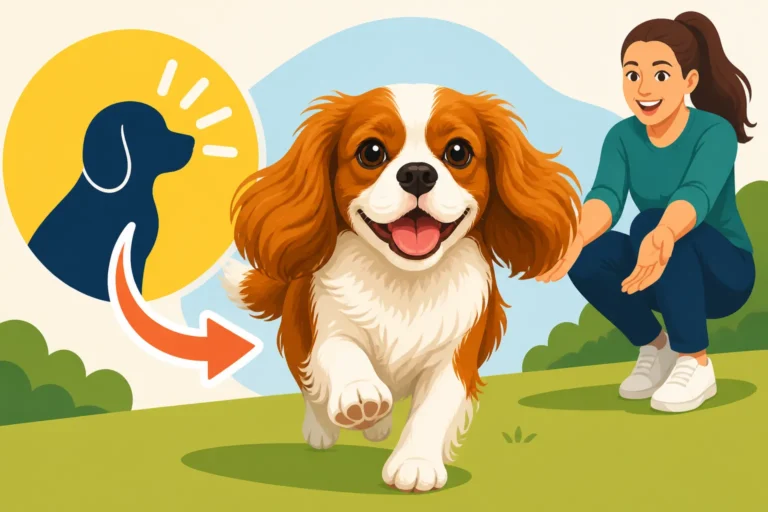
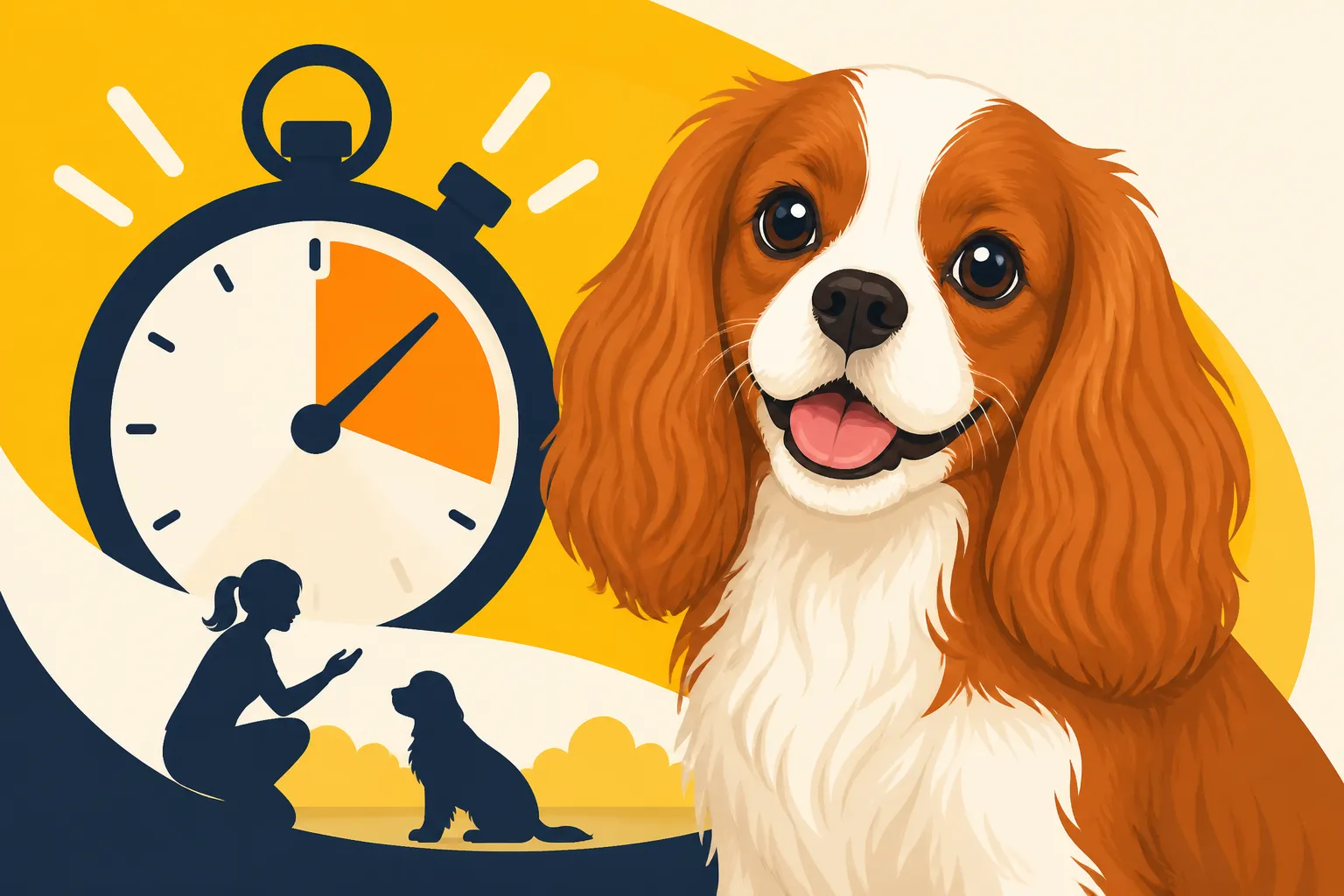
For a Cavalier struggling with alone time, even a minute can feel like an eternity. That's why we start with what feels almost laughably short: literally thirty seconds or less. The critical component of this training is that you must return before your Cavalier shows any signs of distress. This means you're creating a successful, positive experience every single time. You're proving to them, over and over, that you always come back, and that their anxiety is unnecessary.
Here’s how it works: first, ensure your Cavalier is in their safe space, perhaps with a favorite chew toy. Then, calmly gather your keys, open the door, step outside, and close the door behind you. Set a timer, or count in your head, for exactly thirty seconds. Before that timer goes off, and critically, before you hear any barking, whining, or frantic scratching, re-enter the house. Act as if nothing significant has happened, maintaining your calm demeanor. You might initially ignore them for a minute, then offer a quiet "good boy" or "good girl." The key is precision and speed. If you hear even a whimper, you've waited too long, and you need to shorten the duration next time.
These micro-exits are powerful because they chip away at the ingrained fear of abandonment. Imagine your Cavalier thinking, "She left! Oh no! Wait, she's back already? That was quick! Nothing bad happened." Each successful, short departure reinforces this positive outcome. Don't be tempted to stretch the time if your Cavalier seems fine after 30 seconds; stick to the plan. You're not just leaving; you're actively training them that your absence is temporary and safe. Examples of these incredibly short departures include taking out the trash, stepping onto the porch to check the mail, or just walking out of sight into another room for a brief moment.
Incrementing Time with Sensitivity
Once your Cavalier is consistently calm and quiet during the thirty-second departures, and you've completed many successful repetitions (perhaps 5-10 times over a few days), you can begin to very gradually increase the duration. This isn't about jumping from 30 seconds to an hour; it's about meticulous, tiny steps forward.
A typical progression might look like this: 30 seconds, then 45 seconds, then 1 minute, then 2 minutes, 5 minutes, 10 minutes, and so on. Notice the incremental increases are often small, especially in the beginning. The rule of thumb remains: always return before your Cavalier shows distress. If you try 5 minutes and you hear barking, the next session you go back to 2 or 3 minutes, or even less. This isn't a failure; it's simply gathering more information about your Cavalier's current comfort level and adjusting the training accordingly. It's much better to take two steps forward and one step back than to push too fast and cause a major setback. This sensitive approach builds true confidence. Remember, you are working on Building a Cavalier's Tolerance for Being Left.
It's also beneficial to vary the lengths of your absences once your Cavalier is comfortable with slightly longer durations. Don't always go for 5 minutes, then 10, then 15. Sometimes do 5 minutes, then 2 minutes, then 8 minutes, then back to 3 minutes. This prevents your Cavalier from creating a predictable pattern and reduces the anxiety that might build if they start to anticipate a longer absence every time. This variability helps them generalize the idea that you always come back, regardless of how long you're gone. It’s a process that demands immense patience, but the payoff—a calm, confident Cavalier who can comfortably enjoy their alone time—is immeasurable.
Advanced Strategies and Support for Lasting Independence
As you gradually extend your Cavalier's alone time, you might encounter new challenges or simply want to optimize their experience. Incorporating strategic tools, knowing when to seek professional help, and understanding the power of community can make a significant difference in achieving lasting independence for your furry friend.
Strategic Enrichment and Remote Monitoring
Once your Cavalier is comfortable with shorter absences, it's time to layer in some strategic enrichment. This means providing engaging activities that keep their minds occupied and associate alone time with positive, self-directed play or chewing. Puzzle toys, like a Kong stuffed with peanut butter or a delicious spread and then frozen, can provide a good 15-30 minutes of focused activity. Long-lasting chews, such as bully sticks or dental chews, can also be excellent distractions. Many of these items are readily available on Amazon and can be a game-changer for keeping your Cavalier happily engaged while you’re out.
Crucially, these special enrichment items should ideally be offered only when you are leaving, so they become a positive cue for your departure. Your Cavalier will start to associate your leaving with getting a super exciting, high-value treat, shifting their emotional response from anxiety to anticipation. Alongside enrichment, a pet camera, also widely available on Amazon, becomes an invaluable tool. It allows you to monitor your Cavalier's behavior in real-time, offering true insight into their comfort levels. You can see if they are actually calm, or if they are just silent because they've exhausted themselves from panicking. This feedback is essential for knowing if you're progressing at the right pace or if you need to backtrack. Filming your Cavalier while you are out can provide objective evidence of their state, which can be particularly helpful if you later decide to seek professional guidance. Filming a Cavalier While You Are Out delves deeper into this.
Being able to visually confirm your Cavalier is settled and happily working on a puzzle can provide immense peace of mind. It takes the guesswork out of training and empowers you to make informed decisions about lengthening their alone time. If you notice signs of distress, you can make a note of the exact duration and adjust your next training session accordingly, reinforcing the positive return before panic sets in.
When Professional Guidance Becomes Essential
While the thirty-second principle and gradual desensitization are highly effective, there are instances where your Cavalier's anxiety might be too severe for you to manage alone. If your dog is exhibiting extreme destructive behavior, causing self-harm (like chewing paws until they bleed), experiencing persistent house-soiling, or vocalizing non-stop for extended periods despite your consistent training efforts, it's a clear signal that professional intervention is needed. This is not a sign of failure on your part, but rather an acknowledgment that sometimes, our beloved companions need specialized support.
In such cases, consulting a certified professional dog trainer who specializes in separation anxiety is highly recommended. These experts have the knowledge and experience to assess the nuances of your Cavalier's anxiety and develop a tailored, comprehensive behavior modification plan. For very severe cases, a veterinary behaviorist might be necessary. These are veterinarians with advanced training in animal behavior, who can diagnose underlying medical conditions that might contribute to anxiety and prescribe medication as a supportive tool. It’s important to understand that medication for separation anxiety is rarely a standalone solution; it works best in conjunction with a robust behavior modification program, helping to take the edge off the anxiety so your Cavalier can actually learn to cope. Information on this specific topic can be found in Medication for Cavalier Separation Anxiety.
Many calming supplements are also available, which some owners find helpful for mild to moderate anxiety. Brands that offer products containing ingredients like L-Theanine or Zylkene can be discussed with your vet. However, always consult with your veterinarian before introducing any new supplement or medication to ensure it's appropriate for your Cavalier's specific health profile. A professional can help you navigate these options and ensure you're providing the most effective and safe support for your anxious companion.
Community, Patience, and Realistic Expectations
Building alone time tolerance in a Cavalier is a marathon, not a sprint. This journey demands immense patience, consistency, and a realistic understanding of what your Cavalier might eventually achieve. It’s crucial to remember that a Cavalier, by nature, is not likely to become a dog that happily spends eight or ten hours alone every day. Their deep need for companionship often means they thrive best in households where someone is home most of the time, or where alternative arrangements are consistently in place for longer absences.
Connecting with other Cavalier owners, either through local breed clubs or online communities, can provide a wonderful network of support and shared experiences. You'll find solidarity in knowing you're not alone in these challenges and gain valuable tips from those who have navigated similar paths. Many online dog training platforms, such as BAXTER & Bella, also offer structured programs and resources that can guide you through the process of building alone time confidence. These platforms often provide step-by-step videos and exercises that complement the principles discussed here, giving you a structured framework to follow.
| Duration Increment | Goal | Key Strategy | Potential Challenges |
|---|---|---|---|
| 30 Seconds | Calm, no distress | Return before any vocalization or panic | Owner patience, precise timing |
| 1-5 Minutes | Brief, quiet relaxation | Mix durations, offer high-value chew | Extending too fast, missing subtle cues |
| 5-15 Minutes | Settled, possibly napping | Introduce simple puzzle toys | Dog becomes aware of pattern |
| 15-30 Minutes | Comfortable, self-entertaining | Use pet camera, vary departure cues | Plateauing, increasing distraction |
| 30-60 Minutes | Relaxed, accepting absence | Incorporate longer-lasting enrichment | Anxiety starts to build around the hour mark |
Ultimately, managing your Cavalier's alone time anxiety requires a holistic approach. This might mean embracing flexible work arrangements, hiring a trusted dog walker, or utilizing pet sitters for longer absences. Accepting that your Cavalier might have limitations in this area, and planning accordingly, is an act of deep love and responsible pet ownership. Understanding Hours a Cavalier Can Cope With Alone can help set appropriate expectations. By celebrating every small victory and remaining committed to their emotional well-being, you can help your Cavalier live a happier, more confident life, even when you're not right by their side. Keep an eye out for What a Cavalier Does When Left Too Long to understand common behaviors.
Disclaimer
This article is for general informational purposes only and does not constitute professional advice. Laws, prices and regulations vary by location and change over time. Consult a qualified professional for guidance on your specific situation.