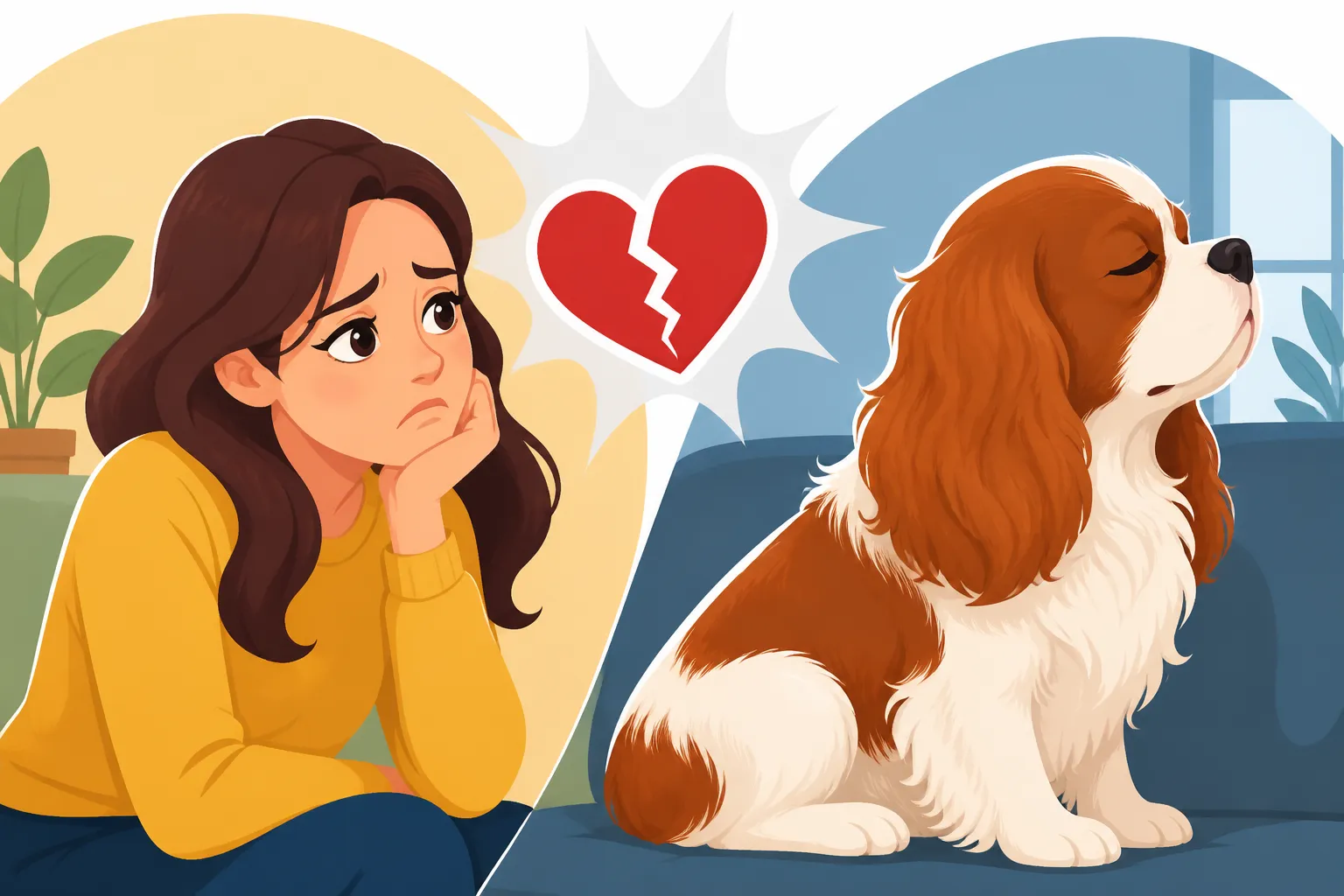
The Month a Cavalier Starts Ignoring You
It’s a scenario many Cavalier King Charles Spaniel owners know all too well: your sweet, compliant puppy, who once hung on your every word, suddenly seems to have developed selective hearing. You call their name, and they give you a look that clearly says, "Who, me? Are you talking to me?" This guide is all about understanding when this seemingly rebellious phase typically kicks in for our beloved Cavaliers, why it happens, and, most importantly, how we can navigate it with grace, patience, and continued progress.
When Does This "Ignoring" Phase Typically Hit?
If you're noticing your Cavalier, who was once a perfect little shadow, suddenly seeming to wander off mentally or physically, you’re likely experiencing the joys (and minor frustrations!) of canine adolescence. This "ignoring" phase doesn't strike at a specific calendar date for every single Cavalier, but it generally begins around six to seven months of age and can last well into their second year, sometimes even closer to two and a half years old for some individuals. It's not a sudden switch, but more of a gradual unfolding, like watching a teenager slowly assert their independence.
The Teenage Cavalier Brain
Think of your Cavalier as entering their teenage years. Just like human teenagers, their brains are undergoing significant development. The world, which was once a smaller, more predictable place centered entirely around you, suddenly expands. New smells, sights, and sounds become incredibly intriguing, often far more interesting than your voice. They're developing a stronger sense of self and their place within their environment, which naturally means they're not always going to prioritize your requests above everything else. This isn't personal, even though it can certainly feel that way when your once-eager puppy appears to blow you off entirely. It’s a normal, albeit challenging, part of growing up.
Not Rebellion, But Development
It's crucial to understand that this period of "ignoring" isn't a deliberate act of defiance or rebellion from your Cavalier. They aren't trying to be naughty or disrespectful. Instead, it's a testament to their brain developing, their confidence growing, and their world expanding. They're learning to make their own decisions, sometimes in conflict with what you'd prefer. This is a critical time for them to explore, learn, and solidify their understanding of boundaries and consequences, which is why your consistent and gentle guidance is more important now than ever. Many owners worry that their once solid training has gone out the window, but in reality, it's just being tested. You might notice they're still quite good indoors, but as soon as you step outside, it's like their ears stop working. This often boils down to the sheer volume of new and exciting sensory input competing with your voice. The Cavalier Adolescent Months dives deeper into what to expect during this period.
Why Your Cavalier Suddenly Seems to Forget Everything
It truly can feel like your Cavalier has completely erased all their puppy training from their memory banks. One day they're coming when called, sitting on command, and walking nicely on a leash, and the next they're sniffing a blade of grass with intense concentration, completely oblivious to your existence. This isn't usually a sign that you did something wrong with their early training; it's a complex interplay of physiological and psychological changes.
Hormonal Shifts and New Priorities
As Cavaliers mature, their bodies undergo significant hormonal changes. For unspayed females, their first heat cycle can bring about profound shifts in behavior, often around this six-to-eight-month mark. For males, rising testosterone levels can make them more interested in sniffing out potential mates, marking territory, and generally being more assertive. These internal changes can make external distractions, like the scent of another dog or a rustling bush, incredibly compelling. Their priorities shift from "what does my human want?" to "what exciting thing can I explore next?" This is why a previously reliable recall might suddenly become unreliable, especially in busy outdoor environments.
Testing Boundaries and Independence
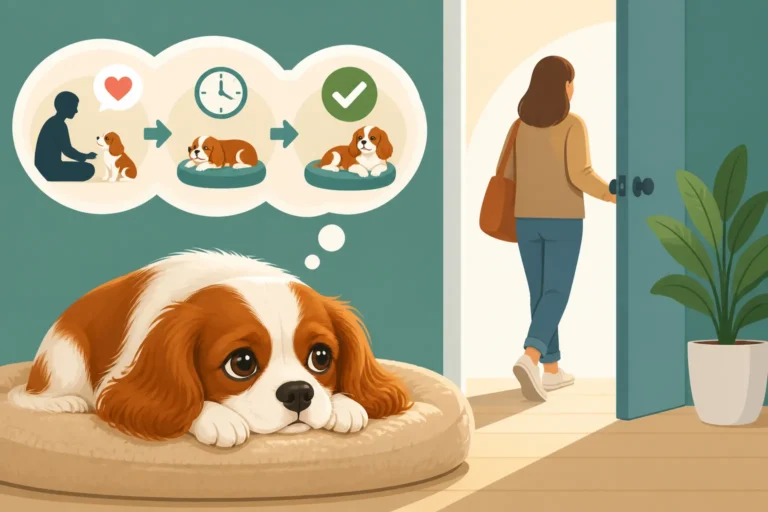
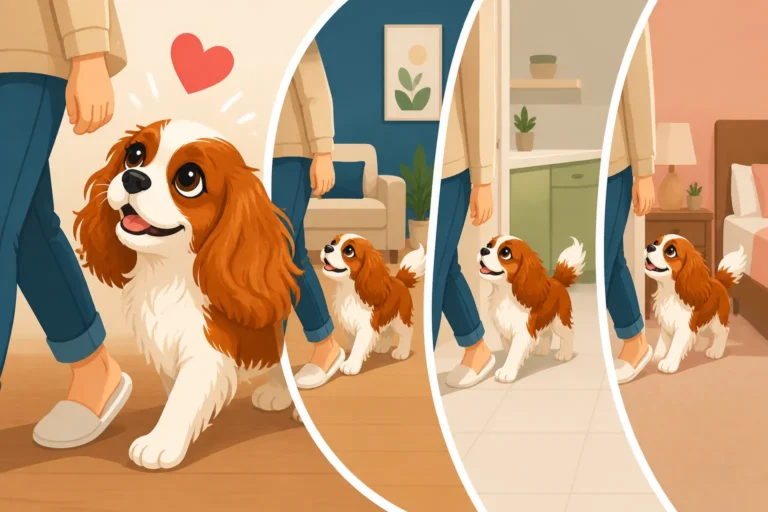
Just like human teenagers, adolescent Cavaliers start to test the boundaries you've set. They want to see what they can get away with, how far they can push, and what happens if they don't respond immediately. This isn't malicious; it's part of their learning process. They're trying to figure out the rules of the world and their place within it. If they find that ignoring your "come" command results in them getting to sniff something interesting for longer, they'll be more likely to repeat that behavior. This is where your consistency becomes paramount. Every time they 'get away' with ignoring a command, that behavior is reinforced. This phase is also when their independence blossoms. While Cavaliers are known for being "Velcro dogs" and wanting to be close to their humans, adolescence is a time when they start to feel more confident exploring slightly further afield. They might not follow you from room to room quite as religiously, or they might be more willing to hang out in a different part of the house. Whether a Cavalier Grows Out of Being Clingy explores this aspect of their personality.
Environmental Distractions Become Overwhelming
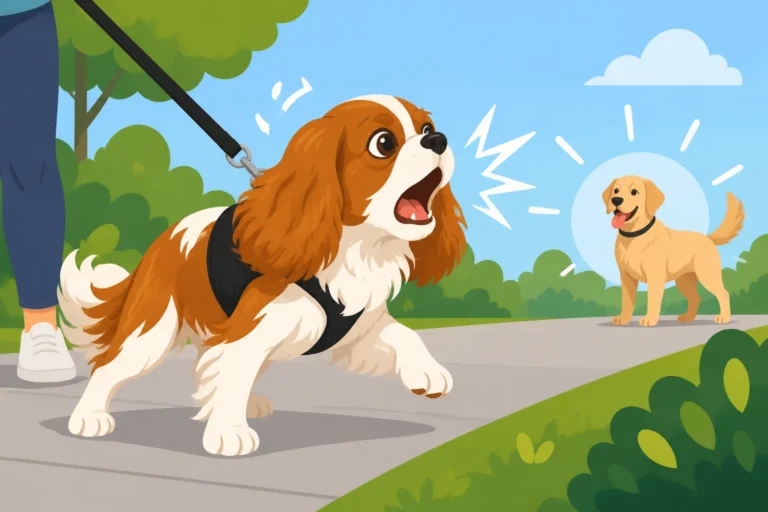
What might seem like a calm walk in the park to us is a sensory explosion for a young Cavalier. Every rustle of leaves, every distant bark, every scent trail tells a story. During puppyhood, their world was smaller, and they were still learning to process all this information. As adolescents, they're more confident, more driven to explore, and more capable of tuning into these environmental cues. Your voice simply becomes one sound among many, and often, not the most interesting one. This is particularly true for their recall. A squirrel darting across the path or another dog playing can completely override any previous training. This isn't a sign of naughtiness, but rather their developing brain struggling to prioritize between a deeply ingrained instinct (like chasing prey) and a learned command. You might find that Why a Cavalier Stops Listening Outdoors is particularly relevant during this time.
Strategies for Navigating the Cavalier Adolescent Phase
Navigating your Cavalier's adolescent phase requires a blend of patience, consistency, and a little bit of strategic thinking. It's about adjusting your expectations and your training methods to suit their developmental stage. The goal isn't to punish them for being a teenager, but to guide them through it so they emerge as well-adjusted, responsive adult dogs.
Re-Engaging Their Attention with High-Value Rewards
During this phase, standard kibble or a quick "good dog!" might not cut it, especially when faced with compelling distractions. You need to up your reward game! Think about what your Cavalier truly values. Is it tiny pieces of cooked chicken, cheese, hot dogs, or a really squeaky toy? Whatever it is, save these "jackpot" rewards for when you need to really get their attention or reinforce a critical behavior like recall in a challenging environment.
When you call your Cavalier and they look at you, even for a split second amidst all the excitement, that's your moment to reward them heavily. Make coming back to you the most exciting and rewarding thing that can happen. Practice in increasingly distracting environments. Start in your quiet living room, then move to the backyard, then a quiet park, gradually increasing the distractions as they succeed. Consider using an interactive treat dispenser from a brand like Amazon that can fling treats for added engagement during training. For more on positive reinforcement, see Reward-Based Training With a Cavalier.
Short, Frequent Training Sessions
The adolescent Cavalier brain isn't built for long, drawn-out training sessions. Their attention spans can be surprisingly short, especially when competing with the urge to explore. Instead of one twenty-minute session, aim for three to five five-minute sessions throughout the day. These brief bursts of focused work are far more effective.
Keep them fun, positive, and end on a high note before your Cavalier gets bored or frustrated. Work on one or two commands at a time, and make sure you're getting successful responses most of the time. If they're struggling, make the task easier or reduce distractions. This approach helps maintain their enthusiasm for training and prevents them from getting "burned out" or developing negative associations with learning. Five-Minute Training Sessions With a Cavalier offers more ideas for keeping sessions effective.
Managing Their Environment for Success
Prevention is often the best strategy during adolescence. You want to set your Cavalier up for success, not for failure. This means managing their environment so they don't get too many opportunities to practice ignoring you.
- Leash Up: Outdoors, especially in unfenced areas, a long line or a secure leash is your best friend. Even if they had a perfect recall as a puppy, the risks are too high during this independent phase. Long Line Practice for a Cavalier can help you get started. A well-fitting harness, rather than a collar, is also crucial for preventing strain on their neck if they pull or dart suddenly. There are many comfortable options available on Amazon designed for small breeds.
- Secure Yard: If you have a yard, ensure it's truly escape-proof. A determined adolescent Cavalier might find new weaknesses in your fence that they never noticed as a puppy.
- Supervised Play: When playing with other dogs, choose environments where you can easily intervene if your Cavalier gets overstimulated or starts ignoring you.
- Mental Stimulation: Provide plenty of appropriate mental stimulation to tire their brains. Puzzle toys, snuffle mats, and engaging chew toys can help channel their energy and focus. A structured online training program, like those offered by BAXTER & Bella, can also provide a great framework for ongoing mental engagement and skill-building that is tailored to different developmental stages.
Patience, Consistency, and Understanding
This phase will test your patience. There will be days when you feel like you've made no progress, or even gone backward. This is normal! Every dog goes through it, and your Cavalier isn't trying to be difficult. They're simply growing up.
- Consistency is Key: Everyone in the household needs to be on the same page regarding rules and commands. If one person lets them get away with something, it undermines everyone else's efforts.
- Be a Calm Leader: Avoid getting angry or frustrated. Your Cavalier will respond much better to a calm, confident leader than to someone who is yelling or stressed. Keep your voice light and encouraging.
- Celebrate Small Wins: Did they respond to their name in a slightly distracting environment? Treat! Did they pause for a second before sniffing something? Treat! Acknowledge every effort they make towards compliance.
- Don't Give Up: This isn't a permanent change in their personality, but a temporary phase. With consistent, positive reinforcement and understanding, your Cavalier will mature into a wonderful, responsive adult dog. Remember, adolescence is a bridge, not a destination.
| Aspect of Behavior | Puppyhood (2-6 months) | Adolescence (7-18+ months) |
|---|---|---|
| Response to Commands | Eager, quick, focused on owner | Selective, easily distracted, "selective hearing" |
| Independence Level | Highly reliant on owner, "Velcro" | Increased curiosity, explores further, tests boundaries |
| Distraction Tolerance | Low to moderate, owner often primary focus | High, environmental stimuli override owner's cues |
| Energy Levels | Bursts of puppy energy, frequent naps | Sustained higher energy, sometimes restless |
| Motivation | Food, praise, simple play | High-value treats, intense play, environmental exploration |
| Training Focus | Basic obedience, socialization | Reinforcing basics, proofing in distractions, advanced skills |
Remember, your Cavalier still loves you deeply, even if they're not always showing it in the most obvious ways during this adolescent period. Keep working with them, keep loving them, and you'll emerge on the other side with an even stronger bond and a wonderfully trained companion.
Disclaimer
This article is for general informational purposes only and does not constitute professional advice. Laws, prices and regulations vary by location and change over time. Consult a qualified professional for guidance on your specific situation.