Whether a Cavalier Puppy’s Color Changes
One common question that pops up in the hearts and minds of new Cavalier King Charles Spaniel puppy parents is whether their beloved little fluffball's coat color will stay the same as they grow. It’s completely understandable to wonder, especially when you’ve fallen in love with a specific shade or pattern, and this guide is here to shed light on exactly what to expect as your Cavalier puppy transitions into adulthood.
The Four Official Cavalier Colors – And Why They Matter
When we talk about a Cavalier's color, we're really talking about a set of genetic instructions present from the moment of conception. These aren't colors that fundamentally change in their base genetic code once a puppy is born. Instead, what you observe is often the maturation and development of that inherent color as the puppy grows, its coat thickens, and its adult feathering comes in. Understanding these primary genetic colors is the first step in appreciating how your puppy's coat will evolve.
Blenheim: The Chestnut and White Classic
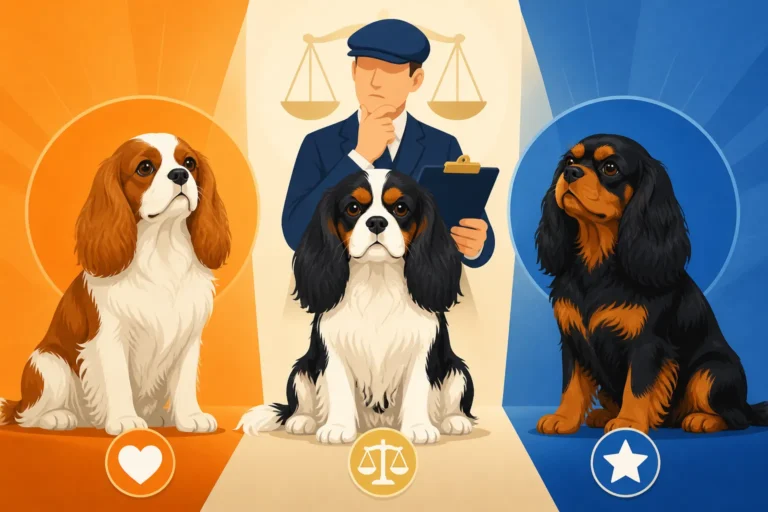
The Blenheim Cavalier is perhaps the most iconic and widely recognized color pattern, a beautiful blend of pearly white and rich chestnut markings. These markings typically appear on the head, ears, and back, with the rest of the body being a clean, pure white. A hallmark of the Blenheim is the "lozenge" or "Blenheim spot" – a distinct chestnut mark often found on the top of the head, between the ears. This spot is highly prized in the breed standard and is said to be the thumbprint of the Duchess of Marlborough.
When a Blenheim puppy is born, those chestnut markings might appear a little softer, almost a diluted reddish-brown, and the white can sometimes seem slightly off-white. As they mature, typically over the first year, those chestnut patches usually deepen in color, becoming richer and more vibrant. The lozenge, if present, often becomes more pronounced and clearly defined. The white areas, too, usually become a crisp, bright white. You might also notice the chestnut feathering on their ears, legs, and tail becoming more luxuriant and saturated with color. For more on this, you might enjoy reading The Blenheim Cavalier and Its Lozenge.
Tricolor: Black, White, and Tan Sophistication
The Tricolor Cavalier presents a striking appearance with its well-defined black and white patches, accented by distinct tan markings. Imagine a primarily black dog with white on its chest, legs, and muzzle, and then those gorgeous tan "points" above the eyes, on the cheeks, inside the ears, and sometimes around the tail base. It’s a sophisticated and elegant combination that really stands out.
Much like Blenheims, Tricolor puppies often start with colors that seem a bit muted. The black might not be as deep and glossy, and the tan points can be quite faint, sometimes almost blending into the white or black. As the puppy grows, the black sections will typically intensify into a deep, shiny black. More dramatically, the tan points tend to emerge more vibrantly, becoming richer and clearer, especially the spots over the eyes, giving them that classic expressive look. The white areas also tend to brighten. Their developing feathering will also show off the beautiful contrast of these three colors.
Ruby: The Solid Red Jewel
A Ruby Cavalier is a single, solid color – a rich, vibrant red all over, with no white markings at all. This color can range from a lighter, golden red to a deep, lustrous auburn. Rubies have a distinct warmth and glow that makes them incredibly appealing. It’s a less common color than Blenheim or Tricolor, but utterly stunning when seen.
Ruby puppies are probably where owners notice the most significant perceived change in color. Many Ruby puppies are born a relatively light, almost faded red or a sandy fawn. It's quite common for new owners to worry if their little "red" puppy will stay that way. Rest assured, as they mature, these puppies almost always deepen into that beautiful, solid ruby shade. This darkening usually happens gradually over the first six to twelve months, resulting in a much richer and often darker red coat. You might even observe variations in shade across their body as their adult coat comes in, with some areas like their ears or back becoming particularly deep in hue. For more on this, check out How Rare a Ruby Cavalier Is.
Black and Tan: Elegant and Distinctive
The Black and Tan Cavalier shares the elegant tan points with the Tricolor but without the white patches. They have a solid, glossy black body, accented by bright tan markings above the eyes, on the cheeks, inside the ears, on the chest, and on the legs. It's a very striking and aristocratic look, often described as having a dignified air.
Similar to Tricolors, Black and Tan puppies often have tan points that are less defined and perhaps a bit duller at birth. The black might also appear softer. As they mature, the black coat will develop its characteristic deep, shiny luster, and the tan points will become much more prominent, rich, and clearly delineated. The contrast between the intense black and the warm tan is what makes this color so captivating, and this contrast becomes much more apparent as the puppy coat gives way to the adult one. Their developing feathering also highlights these distinct color zones.
Understanding How Pigmentation Develops in Cavalier Puppies
It’s easy to look at a tiny, fluffy puppy and then see a sleek, adult Cavalier and think a dramatic color change has occurred. While the appearance certainly evolves, the underlying genetic color typically does not. It’s more about the maturation of the coat and the expression of the existing pigment.
Puppy Coat vs. Adult Coat: The "Fading" or "Darkening" Illusion
Every Cavalier puppy is born with a soft, fine "puppy coat" – it's like their baby fuzz. This coat is often lighter in color, less dense, and doesn't have the same texture or sheen as an adult coat. Think of it like a human baby's hair; it's often much lighter and finer than their adult hair will be. As your Cavalier puppy grows, typically between 3 to 12 months, this puppy coat is gradually replaced by the denser, silkier, and often richer-colored "adult coat."
This transition is what creates the illusion of color change. For Rubies, the adult coat often comes in significantly darker and more saturated than their puppy fluff. For Blenheims and Tricolors, the adult coat tends to make their markings more distinct and vibrant, with clearer white areas. The feathering, which is minimal or non-existent in young puppies, also develops during this period, adding to the overall richness and depth of their coloring. You might notice your puppy shedding a bit more than usual during this phase as the new coat pushes out the old.
The Role of Genetics in Color Expression
A Cavalier's coat color is determined by a complex interplay of genes inherited from its parents. These genes dictate not just the base colors (black, red) but also how these colors are distributed (solid, parti-color) and how intensely the pigment is expressed. For example, the genes that make a dog black are dominant over those that make it red. The genes for white spotting (which creates the Blenheim and Tricolor patterns) are also at play.
Once these genes are inherited, they don't change. What does change is how those genes are expressed as the dog matures. Pigment cells continue to produce melanin (the pigment responsible for hair color) throughout the hair growth cycle. In puppies, these cells might not be working at full capacity, or the hair shafts themselves are finer and transmit less pigment. As they mature, the pigment production becomes more robust, and the hair structure becomes stronger, leading to deeper, richer colors and a more pronounced pattern. So, while your puppy might appear to be "changing color," it's more accurate to say their genetic color is fully developing and expressing itself. This is why a reputable breeder can usually tell you Predicting Cavalier Colors From the Parents.
Minor Variations: Sunlight, Diet, and Grooming
While genetics set the stage, environmental factors can play a supporting role in how vibrant or dull your Cavalier's coat appears. These factors don't change the underlying genetic color, but they can certainly influence its visual presentation.
Prolonged exposure to sunlight, for instance, can act like bleach on a dog's coat, just as it does on human hair. A beautiful black coat on a Tricolor or Black and Tan Cavalier might develop reddish or rusty tones if they spend a lot of time outdoors in bright sun. Similarly, the chestnut patches on a Blenheim or the solid red of a Ruby can become lighter or more faded. This is superficial and usually resolves as new hair grows in or with less sun exposure.
Diet also plays a crucial role. A high-quality diet rich in essential fatty acids, vitamins, and minerals supports healthy skin and a vibrant coat. If a Cavalier isn't getting adequate nutrition, their coat can become dull, brittle, and its colors might appear less intense. Conversely, a well-fed Cavalier on a balanced diet, perhaps with supplements from places like Chewy, will typically have a glossy, healthy coat that showcases its true colors beautifully. Ensuring good nutrition is a cornerstone of Cavalier care generally.
Finally, grooming habits can significantly impact the perceived color. A clean, well-brushed coat reflects light better and looks more vibrant than a dirty, matted one. Regular brushing stimulates the skin, distributes natural oils, and removes dead hair, all of which contribute to a healthier, more lustrous appearance. For example, if a Blenheim's white patches are constantly getting dirty or stained, they might appear yellowish or dingy, not truly white. Regular baths with appropriate shampoos, often available on Chewy, and consistent brushing, as detailed in Brushing a Cavalier's Feathering Three Times a Week, can make all the difference.
Specific Color Changes You Might Observe (and Why)
Let's dive into some more specific examples of what you might see as your Cavalier puppy matures, breaking it down by color type. These aren't true genetic shifts but rather natural developments that enhance their inherent beauty.
Blenheims: The Lozenge and Feathering Development
For Blenheim Cavaliers, the most anticipated "change" is often the development and definition of their distinctive markings. A Blenheim puppy's chestnut patches might initially be a soft, somewhat muted red. As they grow, these areas typically deepen into a richer, more vibrant chestnut hue. This is especially true for the celebrated lozenge on their forehead. Many puppies are born with a faint lozenge, or it might even seem absent, but as the puppy coat is replaced, this unique mark often becomes much clearer and more pronounced. It's a delightful surprise for many owners to watch it emerge.
Additionally, Blenheims develop luxuriant feathering on their ears, legs, and tail. In a puppy, this feathering is sparse. As it grows in, it will take on the characteristic chestnut color where appropriate, adding depth and elegance to their overall look. The contrast between the rich chestnut and the pure white areas of their adult coat becomes much sharper and more eye-catching. Proper care, including regular brushing and occasional bathing with a gentle shampoo (you can find great options on Chewy), helps keep these colors bright and distinct.
Tricolors and Black and Tans: Tan Point Development
For both Tricolor and Black and Tan Cavaliers, the most noticeable development will be in their tan points. When these puppies are very young, their tan markings—above the eyes, on the cheeks, and on the legs—can be quite pale, sometimes even a creamy white. This often leads new owners to question if their dog is truly a Tricolor or Black and Tan. However, this is a very normal part of their development.
As the puppy matures, these tan points will typically intensify significantly, transforming into a rich, warm tan. The tan "eyebrows" become much more defined, giving them that wonderful, expressive face that Cavaliers are known for. The black areas of their coat will also usually deepen, becoming a glossy, deep black that provides a beautiful contrast to the developing tan. This transition happens gradually over the first few months, with the adult coat bringing out the full potential of these vibrant markings. To keep their black coat lustrous and prevent sun fading, consider a good quality diet and ensure they have shaded areas if they spend a lot of time outdoors. Regular grooming with appropriate brushes, such as those recommended for silky coats, found on Chewy, can also enhance their natural sheen.
Rubies: From Pale Red to Deep Auburn
Ruby Cavaliers are perhaps the most dramatic in terms of visible color progression. Many Ruby puppies are born a relatively light, sometimes almost sandy or golden red. This can be quite surprising if you were expecting a deep, rich ruby color from day one. However, patience is key here! It's very common for these lighter shades to deepen considerably as the puppy grows into its adult coat.
You'll often observe this transformation starting around 3-6 months of age, with the coat gradually becoming richer and more saturated, moving towards a true ruby or even a deep auburn hue. The change can be quite striking, with the adult coat possessing a warmth and depth that wasn't present in the puppy fluff. Occasionally, a Ruby puppy might have a few stray white hairs on its chest or toes. While a true Ruby should be solid red with no white, minor flecks can occur. If the white is significant, it could technically classify them as a Blenheim (if it’s chestnut and white) or an incorrect color for the standard. However, minor white hairs often fade or become less noticeable as the rich red deepens. For maintaining that beautiful ruby glow, a diet rich in omega fatty acids is excellent, and many such specialized foods or supplements can be found on Chewy. This kind of care supports Cavalier coat health.
When a "Color Change" Might Signal Something Else
While most perceived color changes in a Cavalier puppy are natural developmental processes, there are rare instances where a change in coat appearance could indicate something else. It's important to differentiate between natural maturation and potential issues.
Unexpected White Markings Appearing
True, unexpected white markings appearing on an adult Cavalier's coat where there were none before can sometimes be a subtle signal. For instance, sometimes white hairs can grow in at the site of an injury or scar. This isn't a change in the dog's overall genetic color, but rather a localized phenomenon where the hair follicles have been damaged and are no longer producing pigment.
In rarer cases, conditions like vitiligo can cause patches of white hair to appear as pigment cells are destroyed. This is usually more noticeable on the skin and nose first. If you notice significant, unexplainable new white patches, especially if they are growing or are accompanied by other skin changes, it's always best to consult your veterinarian. This kind of change is distinctly different from the natural brightening of white areas on a Blenheim or Tricolor as they mature.
Coat Fading or Dullness Beyond Natural Sunlight
As mentioned earlier, prolonged sun exposure can lighten a coat. However, if your Cavalier's coat begins to fade or look dull and lifeless without excessive sun exposure, or if it loses its luster despite good grooming, it could be a sign of an underlying issue.
Nutritional deficiencies are a common culprit. A diet lacking essential fatty acids (like Omega-3 and Omega-6), specific vitamins, or proteins can lead to a dry, brittle, and dull coat that doesn't reflect light well, making the colors appear faded. Thyroid issues or other hormonal imbalances can also manifest as changes in coat quality, including thinning hair, dryness, or a general lack of vibrancy. Parasites, both internal and external, can also affect coat health. If you notice a persistent dullness or fading in your Cavalier's coat, along with other symptoms like lethargy, itching, or changes in appetite, a trip to the vet for a check-up and possibly some bloodwork is a good idea. They can help rule out any medical conditions and advise on dietary adjustments or supplements. This is why Whether Diet Slows a Cavalier's Heart Disease (or other health issues) is a related concern, as nutrition impacts overall health, including coat quality.
Grooming's Impact on Perceived Color
The way you groom your Cavalier can drastically affect how their color is perceived. A matted, dirty coat will invariably look duller and less vibrant than a clean, well-maintained one, regardless of its genetic color. Dirt, dust, and environmental pollutants can cling to the silky Cavalier coat, obscuring its true hue. For instance, a Blenheim's pristine white can easily become stained or yellowish if not regularly cleaned, making it appear as if the color has "changed."
Proper and consistent grooming is paramount for showcasing your Cavalier's beautiful coat colors. This includes:
- Regular Brushing: At least three times a week, ideally daily, using appropriate brushes and combs to remove loose hair, prevent mats, and distribute natural oils. This stimulates circulation and brings out the coat's natural sheen. The Combs That Reach Cavalier Feathering is a good resource.
- Bathing: As needed, typically every 3-6 weeks, using a dog-specific shampoo and conditioner. Over-bathing can strip natural oils, but too little can leave the coat dull.
- Drying: Thoroughly drying the coat after a bath helps prevent skin issues and ensures the feathering lies correctly, enhancing the coat's appearance. Check out Cavalier Bathing and Drying a Single Coat for tips.
By adhering to a consistent grooming routine, you ensure that your Cavalier’s inherent coat color is always displayed at its best, vibrant and lustrous.
Here’s a quick overview of how Cavalier puppy colors typically evolve:
| Cavalier Color | Typical Puppy Appearance | Adult Appearance | Common Observations |
|---|---|---|---|
| Blenheim | Muted chestnut, softer white | Richer chestnut, crisp white | Chestnut patches deepen, lozenge becomes more defined, feathering grows in |
| Tricolor | Faint tan points, softer black | Vibrant tan points, deep glossy black | Tan points intensify, black becomes richer, white areas brighten, feathering develops |
| Ruby | Light red, sometimes sandy | Deep ruby to auburn, solid red | Significant darkening and saturation of red color, occasional white flecks may recede |
| Black and Tan | Muted tan points, softer black | Rich tan points, deep glossy black | Tan points become prominent, black becomes lustrous, strong contrast develops |
Disclaimer
This article is for general informational purposes only and does not constitute professional advice. Laws, prices and regulations vary by location and change over time. Consult a qualified professional for guidance on your specific situation.