The Age a Cavalier Reaches Full Size
Bringing home a tiny Cavalier King Charles Spaniel puppy is an absolute joy, but it also sparks a lot of questions. One of the most common worries for new owners is understanding their puppy's growth journey. You watch them transform from a small, wobbly bundle of fluff into a more substantial little dog, and it’s natural to wonder, "When will they finally stop growing?" This comprehensive guide will walk you through the typical growth stages of a Cavalier, helping you understand when they reach their full physical and emotional maturity, and what to expect along the way.
The First Growth Spurt: Puppyhood to Adolescence
Cavaliers, like most toy breeds, experience their most dramatic growth spurts during their early months. This period is a whirlwind of rapid changes in both size and development, often making it feel like they're growing right before your eyes! Keeping a close eye on their development during this stage is crucial for laying the foundation for a healthy adult life.
Rapid Physical Development in the First Few Months
From the moment you bring your Cavalier puppy home, typically around eight to ten weeks old, they are in a phase of incredible growth. In these initial weeks, you'll observe them gaining weight almost daily, their little legs elongating, and their bodies stretching out. Many puppies will carry a bit of "puppy fat" during this time, which is normal as they consume nutrient-dense puppy food to fuel their development. This isn't just about getting bigger; it's about developing strong bones, healthy organs, and the beginnings of their adult musculature.
During this rapid growth, their body proportions might seem a bit whimsical. You might notice your Cavalier puppy has unexpectedly long, gangly legs that seem a little too big for their body, or a head that looks slightly disproportionate. This awkward, endearing stage is perfectly normal and a sign that their skeleton is expanding quickly. It's a phase of rapid construction, and their body needs time to catch up and fill out. To support this intense development, providing a high-quality puppy food is paramount. Look for formulas specifically designed for small breeds, as these will have the right balance of calories and nutrients. Many excellent options are available from trusted retailers like Chewy or can be found through fresh food services like Ollie.
While it’s tempting to let a playful puppy run and jump to their heart's content, caution is advised during this rapid growth phase. Their developing joints and bones are still soft and vulnerable to injury from excessive impact. High-impact activities like jumping off furniture or prolonged, strenuous running should be limited. Instead, focus on shorter, frequent play sessions and gentle walks to allow their bodies to strengthen without undue stress. This mindful approach helps prevent potential orthopedic issues down the line, ensuring their tiny frame matures into a robust adult.
When the Cavalier's Height and Length Stabilize
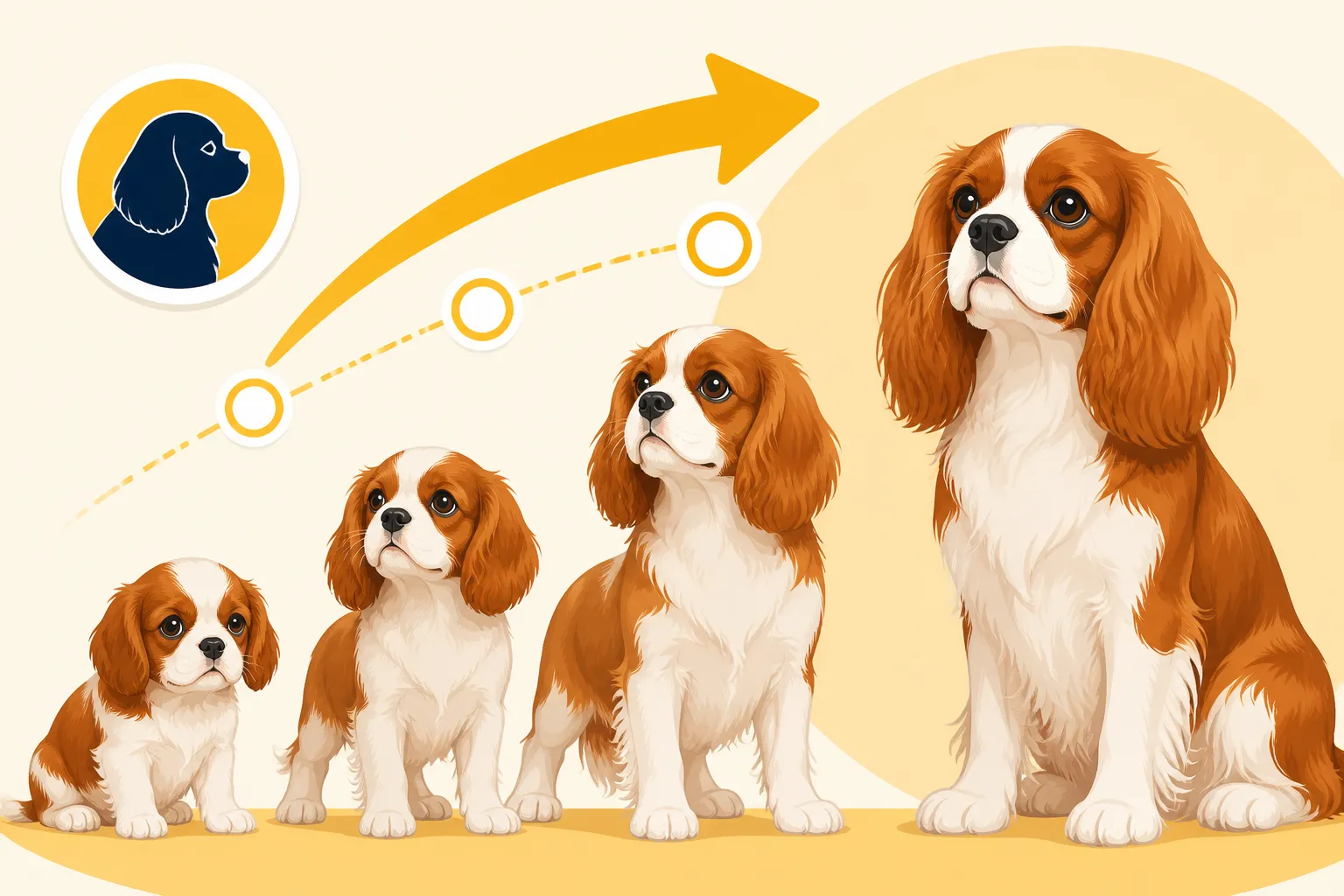
The most noticeable phase of upward and outward growth in terms of height and length typically starts to slow down significantly as your Cavalier approaches their first birthday. Most Cavaliers will reach their near-adult height and length somewhere between 8 to 12 months of age. It's not usually an abrupt stop, but rather a gradual tapering where the daily or weekly changes become less noticeable. At this point, you'll likely feel like your puppy is no longer "stretching" upwards.
Even though they've reached their maximum height, it's important to remember that they are far from "done" growing in all aspects. A 10-month-old Cavalier might stand at its full adult height, but still look quite lean, perhaps even a bit gangly, with a less developed chest and thinner feathering than a mature adult. Think of it like a human teenager who has hit their growth spurt but still needs to fill out and mature into their adult body. Their frame is established, but their body mass is still catching up.
This period is often when owners start to transition their Cavaliers from puppy food to adult formulas, provided their veterinarian agrees they've completed the most intense phase of skeletal growth. Adult food provides a different nutritional profile, typically with slightly fewer calories, which helps prevent unwanted weight gain as their energy needs shift. It's always a good idea to consult your vet on the best timing for this transition, as every dog is an individual.
It's also worth noting that individual Cavalier lines can show slight variations in their growth patterns. Some might mature a little faster, hitting their full height closer to eight or nine months, while others might take a bit longer, closer to a year. However, the general window for reaching skeletal maturity remains consistent, giving owners a good benchmark to track their pup's development. Consistency in care and nutrition is key to ensuring they develop into healthy, well-proportioned adults.
Filling Out: The Adolescent and Young Adult Months
Once your Cavalier has largely settled into their adult height and length, their growth journey isn't over. The next significant phase involves filling out, gaining muscle, deepening their chest, and developing their characteristic luxurious coat. This period often extends beyond their first birthday and is frequently mistaken for continued "growth" when it's actually about maturation and refinement into their adult physique.
Reaching Mature Weight and Body Condition
While the vertical and horizontal expansion mostly ceases, your Cavalier will continue to gain weight and develop muscle mass. This "filling out" process typically occurs between 12 and 18 months of age. During this time, the lean, leggy adolescent starts to become more solid and robust, with a noticeably deeper chest and broader shoulders. The breed standard generally calls for Cavaliers to weigh between 13 to 18 pounds, and this is the window when most will settle into their mature weight. It's crucial during this phase to monitor their weight closely, as Cavaliers are prone to Cavalier Weight Gain and What It Costs the Heart. Overfeeding can easily lead to excess body fat rather than healthy muscle development.
To ensure your Cavalier reaches a healthy mature weight, regular assessment of their body condition is vital. You should be able to easily feel their ribs with gentle pressure, see a distinct waist when viewed from above, and notice an abdominal tuck when viewed from the side. If their ribs are difficult to feel, or you can't discern a waist, they might be carrying too much weight. This is the perfect time to ensure they're on a high-quality adult dog food appropriate for their activity level. Resources like Chewy offer a vast selection of small-breed adult formulas, or for more tailored options, services like Ollie provide portion-controlled fresh meals. Monitoring their food intake, including treats, becomes even more important now. For precise portion control, a simple kitchen scale (readily available on Amazon) can be incredibly helpful for weighing out kibble, ensuring they receive exactly the right amount for their size and metabolism.
It’s a common scenario for owners to be surprised by the transformation. That seemingly "skinny" 10-month-old pup, who looked all legs and ears, often blossoms into a beautifully proportioned, sturdy adult by 18 months without having grown an inch taller. This is the magic of maturation, where their body refines itself. This period also often coincides with a decrease in the frantic puppy energy, meaning their caloric needs might slightly reduce, reinforcing the need for careful feeding and continued appropriate exercise.
Coat and Facial Maturity
Beyond their skeletal and muscular development, a Cavalier’s aesthetic features also mature significantly during this young adult phase. One of the most prominent changes is the development of their luxurious coat. The soft, sometimes sparse, puppy coat gradually gives way to the silky, flowing adult coat, with the full feathering on their ears, chest, legs, and tail taking quite a while to grow in. It's not uncommon for a Cavalier's coat to continue improving in length, density, and silkiness until they are two or even three years old. This means that a one-year-old Cavalier, while physically mature, might still look a bit "bare" compared to a fully feathered adult.
Along with their coat, subtle but distinct changes occur in their facial structure. While their skull shape is largely set by the time they are a year old, their muzzle can become slightly more refined, and their overall facial expression often deepens, taking on that sweet, melting, truly expressive "Cavalier look." Their eyes, which might have seemed a little rounder in puppyhood, settle into the desired large, dark, and soft expression, often framed by the growing feathering on their ears. These changes are subtle, but they contribute significantly to the mature beauty of the breed.
This period of coat maturation also brings with it new grooming responsibilities. The soft puppy fluff that was relatively easy to maintain is replaced by longer, silkier adult hair that is more prone to tangles and mats, especially behind the ears, in the armpits, and on the feathering of the legs and tail. Regular Brushing a Cavalier's Feathering Three Times a Week becomes not just advisable, but essential to keep their coat healthy, free of knots, and looking its best. Special detangling sprays and a good quality pin brush, easily found on Amazon or Chewy, can be invaluable tools during these grooming sessions.
Furthermore, a Cavalier's coloring can also deepen or become richer as they mature. For Blenheims, the chestnut markings might become more vibrant, and the white more brilliant. Tricolors can see their black and tan points intensify. Even Ruby and Black and Tan Cavaliers often exhibit a richer hue to their coats as they fully mature. It’s a rewarding experience to watch these beautiful dogs develop into their full glory, both in form and coat.
Beyond Physical Growth: Emotional and Mental Maturity
While physical maturity is generally achieved by 1.5 to 2 years of age, a Cavalier's journey to full adulthood encompasses much more than just their body. Their emotional and mental development is a slower, often more nuanced process that can extend well beyond the point where they've reached their full size. Understanding this timeline is key to setting realistic expectations and providing consistent guidance.
The Cavalier's Mental Development Timeline
Just like humans, dogs go through an adolescent phase, and for Cavaliers, this typically begins around six months of age and can last until they are about 1.5 to 2 years old. During this period, you might find your previously well-behaved puppy suddenly "forgets" their training, pushes boundaries, or becomes a bit more independent and exploratory. This isn't a sign of naughtiness or a lack of intelligence; it's a completely normal part of their brain maturing. Their hormones are fluctuating, and their cognitive abilities are still developing, leading to periods of both brilliance and bewildering stubbornness. This phase is often affectionately referred to as The Cavalier Adolescent Months.
Patience, consistency, and a continued commitment to positive reinforcement training are paramount during this "teenage" phase. What might feel like deliberate disobedience is often just a young dog processing new information, testing limits, or simply being overwhelmed by a stimulus. Scolding or harsh corrections can be counterproductive, potentially damaging your bond and making them fearful. Instead, focus on reinforcing good behaviors, revisiting basic commands, and keeping training sessions short, fun, and engaging. Remember, their attention spans can still be somewhat fleeting.
Moreover, continued socialization is just as important now as it was in puppyhood. While your Cavalier might be physically larger, their understanding of the world is still expanding. Exposing them to new people, places, sounds, and other calm, vaccinated dogs helps them develop confidence and good manners. A well-socialized adolescent is more likely to become a confident, adaptable adult. This might involve enrolling in advanced obedience classes, visiting dog-friendly cafes, or simply taking walks in different environments.
When a Cavalier is Truly "Adult" in Behavior
True emotional and mental maturity in a Cavalier King Charles Spaniel often arrives closer to their second or even third birthday. By this point, their personality has generally settled, their training is more reliable, and they exhibit a calmer, more predictable demeanor. They become less impulsive, better at self-regulation, and more attuned to your cues and routines. This is when you truly see the full extent of the gentle, affectionate, and biddable temperament that Cavaliers are so famous for.
In a truly mature Cavalier, you'll notice a significant decrease in typical puppy and adolescent behaviors. For instance, they'll likely be less prone to A Cavalier That Jumps at Visitors, greeting guests more calmly. Their recall will be more solid, even in distracting environments, and they'll be much more settled and comfortable with routines. If you've worked on building their confidence, they will also be more content to handle periods of being left alone, understanding that you will return, though it’s important to remember Hours a Cavalier Can Cope With Alone are still limited for this companion-loving breed.
This doesn't mean they lose their playful spirit entirely; Cavaliers retain a joyful, puppy-like enthusiasm well into their senior years. However, this playfulness becomes more balanced with an innate calm and a deep desire to be near their human companions. They are just as happy to engage in a vigorous game of fetch in the yard as they are to curl up on your lap for a long, peaceful cuddle. Their bond with you will also deepen considerably during this time, as they truly understand their role within the family and the security of your presence.
Watching your Cavalier transition from a boisterous adolescent to a serene, well-adjusted adult is incredibly rewarding. It’s a testament to the patience, consistent training, and loving environment you provide. This full emotional maturity is often when their gentle nature truly shines, making them the ultimate companion animal.
Factors Influencing a Cavalier's Size
While we've discussed a general timeline for growth and maturation, it's important to understand that not every Cavalier will fit neatly into an identical mold. Several key factors can significantly influence their ultimate size, conformation, and even the pace at which they develop.
Genetics and Parental Influence
Without a doubt, genetics play the most significant role in determining your Cavalier's adult size. The size and build of their parents, and indeed their wider lineage, offer the best clues as to how big your puppy might become. If both sire and dam are on the smaller end of the breed standard (13-18 pounds), it's highly probable their offspring will also mature into smaller adults. Conversely, puppies from larger parents are likely to fall into the higher end of the weight range. This genetic blueprint dictates not just their potential height and weight, but also their bone structure, coat type, and overall conformation.
A reputable breeder will be transparent about the size of their breeding dogs and can often show you other adult relatives of your puppy, giving you a visual reference for potential adult size. This is one of many reasons why Buying a Cavalier From a Health-Testing Breeder is so critical; they understand the importance of genetic predispositions not just for health, but also for conformation and size predictability. They should be able to provide information on the typical size of adults from their lines, helping you anticipate your pup's final dimensions.
It's also worth remembering that even within a single litter, there can be slight variations. There might be a "runt" or a larger puppy, but generally, they will all mature within the expected range for their genetic background. Occasionally, a puppy might grow a bit larger or smaller than both parents, demonstrating the complex interplay of genes across generations. However, the overall genetic predisposition for a Cavalier's characteristic small, sturdy build is a strong determinant.
Nutrition and Health Considerations
Beyond genetics, proper nutrition from the earliest stages of life is paramount for a Cavalier to reach its full, healthy potential. Feeding a high-quality, complete, and balanced diet specifically formulated for small breed puppies ensures they receive all the necessary vitamins, minerals, and calories to support their rapid growth. Brands available from Chewy or specialized fresh food providers like Ollie can offer excellent options. Undernutrition or a poor-quality diet during critical growth periods can potentially stunt growth, leading to a smaller adult size and potentially other health issues.
Conversely, overfeeding, especially with excessive treats or human food, can lead to unhealthy weight gain. While a little puppy fat is normal, too much can put undue stress on developing joints and lead to an overweight adult. This isn't healthy growth, and it can predispose them to joint problems and exacerbate conditions like heart disease later in life. It’s a delicate balance to ensure they get enough to grow without becoming chunky. Regularly weighing your puppy and monitoring their body condition helps ensure they're on the right track.
Furthermore, a Cavalier's health status during puppyhood can impact their growth. Illnesses, significant parasitic burdens (like severe worm infestations), or chronic conditions can divert crucial energy and nutrients away from growth, potentially affecting their final size. This underscores the importance of regular veterinary check-ups, prompt treatment for any ailments, and maintaining a robust Vaccinating a Cavalier Puppy schedule. A healthy puppy is a puppy that can grow optimally. If you ever have concerns about your Cavalier's growth rate, always consult your veterinarian, who can assess their individual development and offer tailored advice.
Growth Milestones for Your Cavalier
To give you a clearer picture, here's a general overview of the Cavalier King Charles Spaniel's growth milestones. Remember, these are averages, and individual Cavaliers may vary slightly.
| Age Range | Physical Development | Behavioral Development | Key Care Considerations |
|---|---|---|---|
| 8 Weeks – 6 Months | Rapid height and length growth; "puppy fat" present | High energy, eager to learn, intense socialization needs | Puppy food, gentle exercise, basic training, Vaccinating a Cavalier Puppy |
| 6 Months – 12 Months | Reaches near full height/length; starts to lose gangliness | Adolescence, testing boundaries, bursts of energy, The Cavalier Adolescent Months | Transition to adult food (if appropriate), continued training, Long Line Practice for a Cavalier |
| 12 Months – 18 Months | Filling out, gaining muscle; deepening chest; coat developing | More settled but still playful; solidifying behaviors | Adult food, weight management, advanced training, Brushing a Cavalier's Feathering Three Times a Week |
| 18 Months – 2+ Years | Full physical maturity; coat fully developed, refined features | Emotional maturity, stable temperament, less impulsive | Ongoing health checks, consistent routine, thorough grooming, Training a Cavalier With Praise Rather Than Pressure |
It’s truly a wonderful journey watching your Cavalier King Charles Spaniel grow from a tiny, playful puppy into a fully mature, devoted companion. While their physical growth largely concludes by 1.5 to 2 years, their emotional and mental development takes a little longer, cementing their place as a cherished member of your family. By understanding these stages and providing consistent care, nutrition, and love, you’ll help them flourish into the magnificent adults they are meant to be.
Disclaimer
This article is for general informational purposes only and does not constitute professional advice. Laws, prices and regulations vary by location and change over time. Consult a qualified professional for guidance on your specific situation.