A Cavalier Puppy That Will Not Eat
Bringing home a Cavalier King Charles Spaniel puppy is a joyous occasion, filled with tiny snuggles and boundless energy. But when your little fluffball suddenly turns their nose up at mealtime, it can send a wave of panic through even the most experienced dog owner. This guide is here to walk you through the many reasons why your Cavalier puppy might not be eating, and what you can do to get them happily munching again, addressing both simple fixes and when it's time to call the vet.
Understanding Why Your Cavalier Puppy Might Be Refusing Food
It's natural to immediately jump to the worst-case scenario when your puppy isn't eating. However, there are many reasons, both medical and behavioral, why a Cavalier puppy might go off their food. Pinpointing the cause is the first step toward a solution.
Common Medical Causes for Appetite Loss
Puppies, especially small breeds like Cavaliers, can hide discomfort surprisingly well. A loss of appetite is often one of the first and most obvious signs that something isn't quite right.
One of the most frequent culprits is an upset stomach. This could be anything from a mild tummy ache after eating something they shouldn't have (a stray crumb from the floor, a nibble of a plant) to something more serious like a parasitic infection. Puppies are curious, and they explore the world with their mouths, making them prone to ingesting things that can irritate their digestive system. Keep a close eye on their stools; any diarrhea or blood immediately elevates the concern. Sometimes, even just the stress of a new home can cause a temporary stomach upset.
Dental discomfort is another huge factor for puppies. Just like human babies, Cavalier puppies go through a teething phase, usually between three and six months of age. Their tiny puppy teeth fall out, and their adult teeth push through, which can be quite painful. Imagine having sore gums and trying to chew hard kibble! They might prefer softer foods or even just refuse to eat altogether if the pain is too much. You might also notice them chewing on inappropriate items more vigorously as they try to relieve the discomfort. This is a common reason for a sudden change in eating habits. What a Teething Cavalier Can Safely Gnaw can offer some relief during this time.
Less common but more serious medical issues can also manifest as appetite loss, such as infections, organ problems, or even certain viruses. If your puppy is not just refusing food but also lethargic, vomiting, has diarrhea, or seems generally unwell, these are red flags that warrant immediate veterinary attention. Puppies can dehydrate quickly, and their small bodies are vulnerable. Even a minor ailment can escalate rapidly if not addressed promptly.
Behavioral and Environmental Factors Affecting Appetite
Sometimes, your Cavalier puppy is perfectly healthy, but their environment or routine is causing them to skip meals. These factors are often easier to identify and rectify.
Stress is a significant appetite suppressor for puppies. Moving to a new home is a huge change, even if it's a loving one. New sights, sounds, smells, and a new family can be overwhelming. A puppy might be too anxious or overstimulated to eat properly for the first few days or even a week. Similarly, changes in the household routine, visitors, or even loud noises can make them feel insecure enough to ignore their food. Cavaliers are sensitive little souls, and a chaotic environment can certainly affect their willingness to eat.
Picky eating habits can also develop early, especially if a puppy has been offered a wide variety of foods or too many treats. If your Cavalier puppy learns that holding out might get them something tastier, they'll often try it! This is particularly true if you've been supplementing their kibble with table scraps or richer foods. They quickly learn to wait for the good stuff. Consistency is key here. The Ration a Cavalier Puppy Needs at Each Age is critical, and treats should be factored into their daily calorie intake.
Lastly, sometimes a puppy is simply not hungry because they've filled up on other things. This could be too many training treats throughout the day, raiding another pet's food bowl, or finding edible treasures in the garden. Even drinking too much water right before mealtime can make a puppy feel full. Always consider everything your puppy has consumed, no matter how small, before panicking about their skipped meal.
Immediate Steps When Your Puppy Won't Eat
When your Cavalier puppy isn't eating, your mind probably races with worry. It's crucial to distinguish between a mild, temporary refusal and a situation that requires immediate veterinary intervention. Knowing what to look for can help you decide how to proceed.
Assessing the Urgency: When to Call the Vet
The first thing you need to do is observe your puppy beyond just their food bowl. Is this an isolated incident of skipping a meal, or are there other concerning symptoms?
- Look at their energy levels: Is your Cavalier puppy still playful, active, and curious? Or are they lethargic, quiet, and less responsive than usual? A puppy that is energetic but simply not eating might be picky, while a lethargic puppy needs quick attention.
- Check for vomiting or diarrhea: Any instances of vomiting (especially multiple times) or severe diarrhea can quickly lead to dehydration in small puppies. If you see blood in the stool or vomit, or if they are straining excessively, call your vet immediately.
- Examine their gums: Gently lift your puppy's lip. Healthy gums should be moist and pink. If they are pale, white, or sticky, it can indicate dehydration or another serious issue. Press on their gums with your finger; the color should return within two seconds. If it takes longer, they could be dehydrated.
- Puppy age: Very young puppies (under 12 weeks) are more fragile. A prolonged refusal to eat in a very young puppy is always more urgent than in an older, more established one.
If your Cavalier puppy shows any of these additional symptoms, or if they haven't eaten for more than 12-24 hours (less for very young puppies), please don't hesitate. Call your veterinarian. It’s always better to be safe than sorry, and early intervention can make a huge difference, especially with small breeds. A Cavalier puppy that vomits bile in the morning could indicate an empty stomach or other issues, while Pancreatitis in a Cavalier is a more serious concern.
First Aid at Home for Finicky Eaters
If your puppy seems otherwise well, but is just not interested in their regular food, there are a few things you can try at home to tempt them.
- Offer bland, easy-to-digest food: Sometimes, a temporary switch to something gentle on the stomach can help. Plain boiled chicken (shredded, with no skin or bones) or plain white rice, or a combination of both, are often recommended. You can also try a small amount of plain pumpkin puree (not pie filling) to help settle their tummy. These are not complete meals long-term, but they can be a good bridge to encourage eating.
- Warm up their food: The aroma of food is often enhanced when it's slightly warm. Try adding a little warm water to their kibble or warming wet food in the microwave for a few seconds (make sure it's not too hot!). This can make it more appealing to a reluctant eater.
- Make it a comfortable experience: Ensure your puppy has a quiet, calm place to eat, away from distractions or other pets. Sometimes, a busy household can be too much for a sensitive Cavalier puppy at mealtime. Use a shallow bowl, especially if they have a flat face, which is comfortable for them.
- Avoid hovering: While it’s tempting to stand over them, anxiously watching every bite, this can actually make a puppy more stressed. Put the food down, give them 10-15 minutes, and if they don't eat, pick it up until the next scheduled meal. This teaches them that food is available at certain times, not on demand, and can help prevent picky eating habits.
Remember, the goal here is to gently encourage them to eat something, not to force them. If these home remedies don't work or if your puppy's condition worsens, that vet call is essential.
Tips for Encouraging a Finicky Eater
Once you’ve ruled out immediate medical emergencies, it's time to put on your detective hat and try to make mealtime more appealing for your sweet Cavalier puppy. A little creativity and consistency can go a long way.
Making Food More Appetizing
Sometimes, the simplest changes to how food is presented can make all the difference for a puppy refusing their meals.
The first thing to consider is the actual food itself. Is it fresh? Has it been sitting out for too long? Puppies have sensitive noses, and stale food isn't going to cut it. Try adding a splash of warm water or a low-sodium chicken or beef broth to their regular kibble. This not only softens it, making it easier for teething puppies to eat, but also releases more of the appealing scent, which can entice them. For a particularly fussy eater, a spoonful of canned puppy food mixed with their kibble can work wonders. Some pet food companies like Ollie offer fresh, human-grade food options that can be incredibly palatable for a puppy, and you can often find a wide selection of high-quality kibble and wet food options on platforms like Chewy or Amazon, allowing you to compare ingredients and reviews.
Consider the texture, too. While many Cavalier puppies thrive on dry kibble, some prefer a softer consistency, especially during teething. You could try mashing wet food or even blending their dry kibble with water into a gruel. Just be mindful not to make sudden, drastic changes to their diet, as this can cause stomach upset. Any new food introduction should be gradual, mixing small amounts with their old food over several days.
Mealtime Routine and Environment
Just like children, puppies thrive on routine and a predictable environment, especially when it comes to food. Inconsistency can make a puppy feel insecure or confused about when and what they should eat.
Establish a consistent feeding schedule. For a growing Cavalier puppy, two to three meals a day is typical, depending on their age. Meals a Day for a Cavalier Puppy Under Six Months is a good guide. Avoid free-feeding, where food is left out all day. This not only encourages picky eating but can also lead to weight gain if your Cavalier grazes too much. Instead, put the food down for 15-20 minutes. If they don't eat, pick it up until the next scheduled meal. This teaches them that mealtime is a specific window, and if they miss it, they have to wait. They learn quickly!
The feeding environment is also crucial. Ensure your puppy eats in a quiet, safe space where they won't be disturbed by other pets, children, or household activity. A busy kitchen can be too distracting or overwhelming. If you have multiple pets, feed them separately to prevent competition or intimidation. Use a bowl that is comfortable for your Cavalier's delicate face and drop ears, perhaps a snood to keep their ears out of the food. Avoid metal bowls if your puppy is sensitive to the clanging noise, opting for ceramic or plastic instead.
Avoiding Overfeeding Treats
It's so easy to spoil a cute Cavalier puppy with treats, especially when you're working on training! However, too many treats can be a major reason your puppy isn't hungry for their actual meals.
Think of treats as mini-meals. If your puppy is constantly snacking throughout the day, their stomach will be full when mealtime rolls around. Be honest with yourself about how many treats you're truly giving, including those from family members, visitors, and even what they might find on their own. Those small bits add up quickly for a tiny Cavalier.
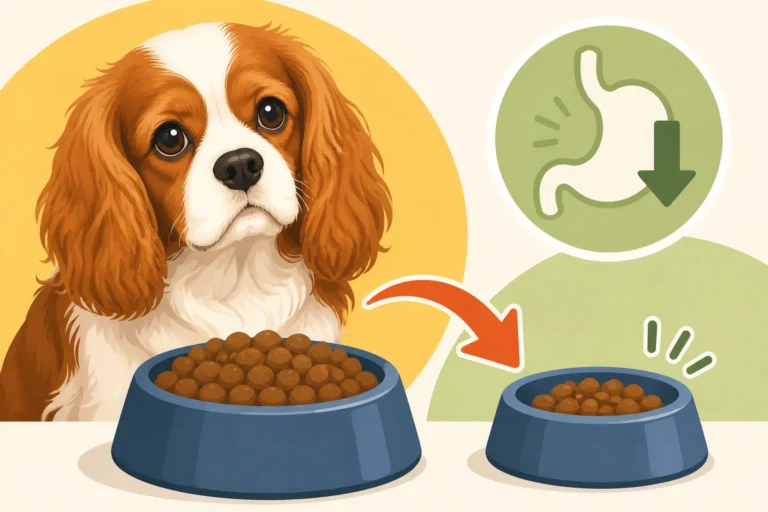
Factor treats into their daily calorie allowance. This means if you give a lot of treats for training, you might need to slightly reduce the amount of kibble at mealtime. Opt for small, low-calorie training treats. You can even use a portion of their regular kibble as training rewards, especially if they are particularly food-motivated. This ensures they're still getting the nutrition from their complete and balanced puppy food, rather than empty calories from too many processed treats. The goal is to make their main meals the most satisfying and reliable source of food, not just an afterthought.
Long-Term Strategies for Healthy Eating Habits
Cultivating good eating habits from puppyhood is one of the best things you can do for your Cavalier's lifelong health. It's about consistency, appropriate nutrition, and mindful monitoring.
Establishing a Consistent Feeding Schedule
The foundation of good eating habits is a solid routine. Just like humans, dogs thrive on predictability, and knowing when their next meal is coming helps regulate their metabolism and appetite.
For a Cavalier puppy, feeding two to three times a day is usually ideal. For instance, an early morning meal, a midday meal, and an evening meal. This isn't just about hunger; it also aids in digestion and helps with toilet training, as puppies often need to relieve themselves shortly after eating. Sticking to roughly the same times each day, even on weekends, reinforces this schedule. Avoid the temptation to leave food out all day (free-feeding). While it might seem convenient, it doesn't teach your puppy that food is a finite resource. They learn that they can graze whenever, which can lead to pickiness or overeating. Instead, present their meal, give them 15-20 minutes, and then pick up anything left. They will quickly learn to eat when the food is available. Meals a Day for a Cavalier Puppy Under Six Months offers detailed guidance.
This consistency helps prevent your puppy from becoming overly fussy, as they understand that if they don't eat now, they'll have to wait until the next meal. It also allows you to better monitor their intake and spot any changes in appetite or eating behavior more readily. A consistent schedule also helps with house training, making it easier to predict when they'll need a potty break.
Choosing the Right Food for Your Cavalier
Selecting the right food for your Cavalier puppy is paramount for their growth and development. Not all puppy foods are created equal, and what works for a large breed might not be appropriate for a small, delicate Cavalier.
Look for a high-quality puppy food specifically formulated for small breeds. These foods usually have smaller kibble sizes, which are easier for a Cavalier's tiny mouth and jaw to chew, especially as their teeth are developing. Small Breed Kibble Sizes for a Cavalier is important. The nutritional balance is also crucial; small breed puppy foods are typically higher in calories and nutrients to support their rapid growth, but not so dense that they overwhelm their small digestive systems. Always choose a food that lists a high-quality animal protein (like chicken, lamb, or fish) as the first ingredient. Avoid foods with excessive fillers, artificial colors, or by-products.
Read labels carefully and consult with your veterinarian for recommendations. They can help you navigate the myriad of options and advise on a food that meets your Cavalier's specific needs and any potential health considerations. Some reputable brands offer excellent puppy formulations that you can find at pet supply stores or online through retailers like Chewy. If you're unsure about ingredients or want to compare nutritional content, online resources and customer reviews on platforms like Amazon can be helpful, but always prioritize vet advice. Remember that while variety might seem appealing, it's generally best to stick to one high-quality food that your puppy thrives on, making changes only when necessary and always gradually.
Monitoring Weight and Growth
Even with a consistent eating schedule and high-quality food, it's vital to monitor your Cavalier puppy's weight and overall growth. This helps ensure they're thriving and not just maintaining.
Regular vet check-ups are essential for this. Your vet will weigh your puppy at each visit and track their growth curve. They can tell you if your Cavalier is growing at an appropriate rate or if they are underweight or overweight. It's easy to misjudge a puppy's weight, especially with their adorable puppy fluff. However, an underweight puppy might not be getting enough nutrients, which can impact bone and muscle development, while an overweight puppy can face health issues like joint strain or even put unnecessary stress on their developing heart.
Between vet visits, you can also keep an eye on their body condition at home. You should be able to feel your Cavalier's ribs easily under a thin layer of fat, and they should have a discernible waist when viewed from above. Their coat should be shiny, and their eyes bright and clear. If your puppy seems small for their age, or if they appear too thin despite eating well, it's worth discussing with your vet. Sometimes, even with adequate food, a puppy might have an underlying issue affecting nutrient absorption. Conversely, if they're gaining weight too rapidly, you may need to adjust their portion sizes, which is something your vet can guide you on. What an Adult Cavalier Should Weigh helps you understand the target.
Socializing Around Food and Preventing Resource Guarding
Mealtime isn't just about nutrition; it's also an opportunity to reinforce positive behavior and prevent potential issues like resource guarding. Cavaliers are generally sweet, but any dog can develop protective behaviors around food if not properly socialized.
From a young age, make mealtime a positive experience where your puppy views your presence as a good thing, not a threat. While they are eating, occasionally walk by their bowl and drop an extra special treat into it (like a tiny piece of cooked chicken). This teaches them that a human approaching their food means more good things, not that their food will be taken away. Avoid reaching into their bowl or teasing them while they eat. You want them to feel completely secure with their food.
In a multi-pet household, always feed your Cavalier puppy in their own designated space, away from other animals. This prevents any competition or stress that could lead to guarding behavior. If you notice any stiffness, growling, or snapping when you or another pet approaches their food, seek professional guidance from a positive reinforcement trainer. Addressing resource guarding early on is much easier than trying to correct it later. By making mealtime a calm, predictable, and positive experience, you're helping your Cavalier puppy develop a healthy relationship with food and reinforce their trust in you.
| Symptom | Potential Cause | Action to Take |
|---|---|---|
| Skips one meal, otherwise active | Picky eater, stress, full from treats | Offer bland food, warm food, stick to schedule, limit treats. Observe. |
| Refusing food for >12-24 hours | General illness, pain, stress | Call vet for advice. Monitor for other symptoms. |
| Lethargy, vomiting, diarrhea | Infection, serious illness, dehydration | Call vet immediately. Do not wait. |
| Sore mouth, difficulty chewing | Teething, dental issues | Offer soft food, teething toys. Consult vet if pain persists or seems severe. |
| Hiding, shivering, excessive panting | Anxiety, fear, pain | Create quiet eating space. Consult vet if anxiety is extreme or persistent. |
| Eating other things (plants, litter) | Curiosity, stomach upset, parasites | Remove access to inappropriate items. Call vet if signs of illness. |
| No other symptoms, just not interested | Picky eater, not hungry | Stick to strict feeding schedule, remove uneaten food after 15 mins. No table scraps. |
Disclaimer
This article is for general informational purposes only and does not constitute professional advice. Laws, prices and regulations vary by location and change over time. Consult a qualified professional for guidance on your specific situation.