Feeding a Senior Cavalier Less Food
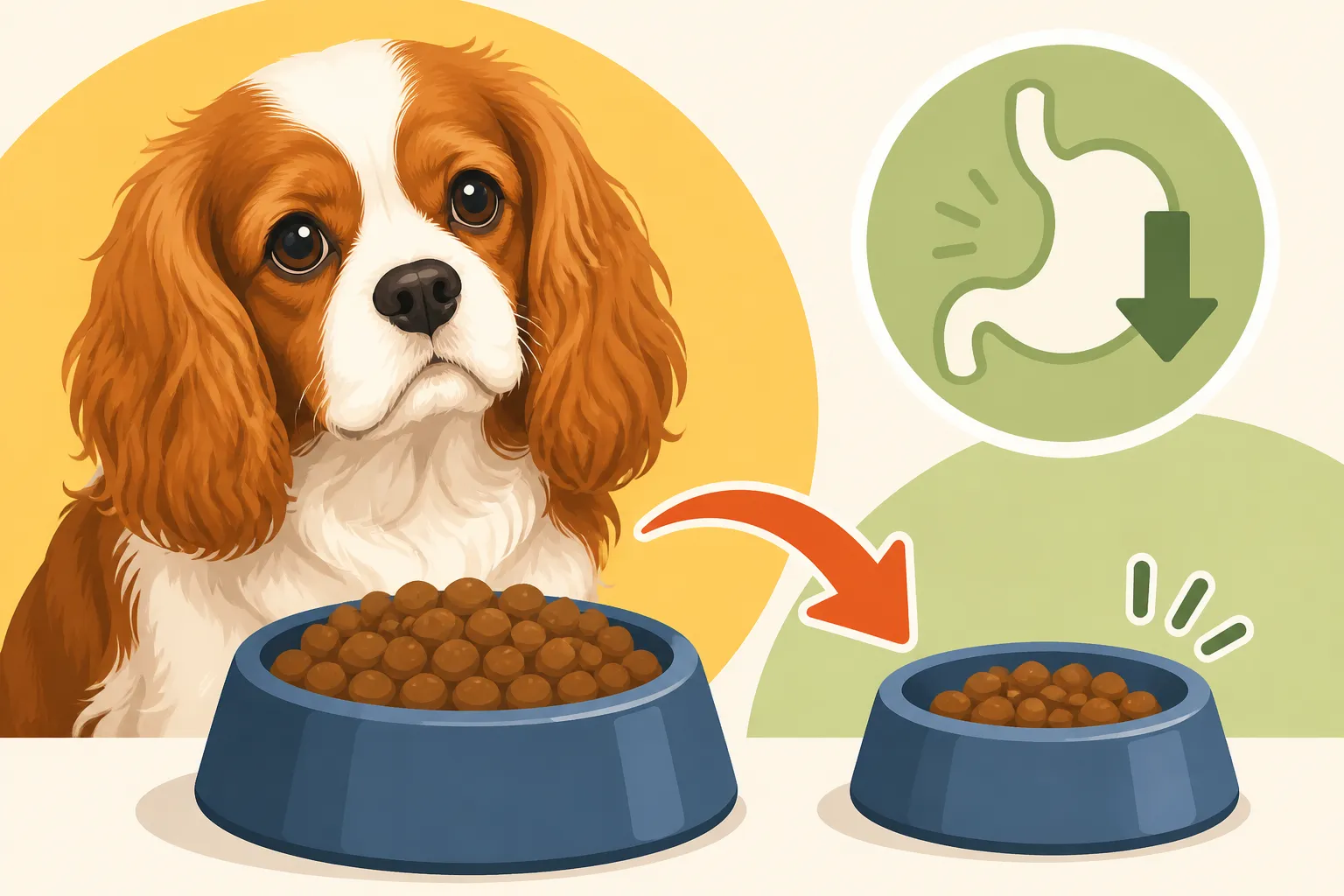
It’s a natural instinct to think that as our beloved Cavalier King Charles Spaniel gets older and slows down, they simply need less food. We see them napping more, playing less, and perhaps even struggling to get up, and the immediate thought is to cut back on their meals to prevent weight gain. But this seemingly logical approach can actually do more harm than good for a senior Cavalier, leading to muscle loss and hindering their ability to thrive in their golden years. This guide will help you understand the true nutritional needs of your aging Cavalier and how to adjust their diet appropriately.
The Common Misconception: Why "Less Food" Isn't Always Right for Senior Cavaliers
When our Cavaliers enter their senior years, usually around 7-8 years old, we start noticing changes. Their once boundless energy might give way to longer naps, and those enthusiastic zoomies become more infrequent. It's easy to assume this reduction in activity automatically means a drastic drop in calorie requirements. However, the science of senior dog nutrition is far more complex than a simple "eat less" directive.
Understanding the Aging Metabolism in Cavaliers
While it's true that a less active dog burns fewer calories, the aging process itself isn't just about slowing down physically. A senior Cavalier's metabolism changes, but not always in the way we expect. They might be burning fewer calories through exercise, but their body could be working harder to maintain vital functions, repair cells, and even fight off age-related inflammation. Crucially, older dogs often begin to lose muscle mass, a condition known as sarcopenia, even if their overall body weight remains stable or even increases due to fat gain. If we simply reduce their food without considering the quality of the calories, we risk accelerating this muscle loss. Muscle is metabolically active tissue, and losing it can further decrease their resting metabolic rate, creating a vicious cycle. What they truly need is often nutrient-dense food with appropriate levels of high-quality protein to support muscle maintenance, not just less of their old adult formula.
The Dangers of Underfeeding Your Older Cavalier
Cutting back too aggressively on your senior Cavalier's food can have serious consequences. Beyond the aforementioned muscle wasting, which can lead to weakness, reduced mobility, and a higher risk of injury, underfeeding can compromise their immune system. Older dogs are already more susceptible to illness, and a lack of essential nutrients can weaken their defenses further. Imagine your sweet Cavalier, already facing potential challenges like Mitral Valve Disease in the Cavalier King Charles Spaniel or joint stiffness, trying to fend off a cold or recover from a minor ailment on an inadequate diet. Their energy levels will plummet, making them even more lethargic and potentially less interested in food altogether. Furthermore, specific health conditions common in older Cavaliers, such as Cavalier Hip Dysplasia and Early Arthritis, may actually benefit from certain dietary components, which could be lacking if their overall intake is too low. It's a delicate balance, and simply reducing portion sizes without proper guidance can inadvertently lead to malnourishment, even if they appear to be maintaining their weight.
How to Accurately Assess and Adjust Your Senior Cavalier's Diet
Before making any changes to your senior Cavalier's diet, it's crucial to have a clear understanding of their current physical state and how their body is really utilizing nutrients. Guesswork can be detrimental, especially when dealing with the delicate health of an aging dog.
Body Condition Scoring and Regular Weight Monitoring
One of the best tools you have as an owner is regular body condition scoring (BCS) and consistent weight monitoring. This goes beyond just stepping on a scale. A body condition score assesses the amount of fat cover over your Cavalier's ribs, spine, and waist, giving a more accurate picture than weight alone. You want to be able to easily feel, but not see, their ribs. Their waist should be noticeable when viewed from above, and there should be a tuck-up in their abdomen when viewed from the side. What an Overweight Cavalier Weighs can often be surprising, as a few extra pounds on a small Cavalier can significantly impact their health. Regularly checking their weight, ideally once a month at home or during vet visits, helps you track trends. A simple kitchen scale, easily found on Amazon, can be a game-changer for accurately portioning meals and ensuring you're not just estimating. If you notice a sudden drop in weight, especially alongside a decreased appetite, it's always a red flag that warrants a vet visit, as it could indicate an underlying health issue.
Here's a simplified guide to Body Condition Scoring:
| Score | Description | What You Feel/See |
|---|---|---|
| 1 | Emaciated | Ribs, spine, pelvic bones easily visible from a distance. No discernible body fat. Severe abdominal tuck. |
| 2 | Very Thin | Ribs, spine, pelvic bones easily visible. No palpable fat. Obvious abdominal tuck. |
| 3 | Ideal | Ribs easily palpable without excess fat covering. Waist easily noted when viewed from above. Abdominal tuck evident. |
| 4 | Overweight | Ribs palpable with slight excess fat cover. Waist discernible but not prominent. Slight abdominal tuck. |
| 5 | Obese | Ribs difficult to feel under heavy fat cover. No waist. Abdomen distended. Heavy fat deposits over back and tail base. |
Most veterinarians aim for a BCS of 3 on a 5-point scale, or 4-5 on a 9-point scale.
Calculating and Adapting Calorie Needs Safely
The key to adjusting your senior Cavalier's diet is to work closely with your veterinarian. They can help you calculate their specific calorie needs based on their current weight, ideal weight, activity level, and any existing health conditions. It's rarely about just reducing food; it's about optimizing their intake. For instance, a Cavalier with early heart disease might need a specific diet, while one with advanced arthritis might benefit from different caloric and nutrient profiles. If your vet determines your Cavalier is indeed overweight, the goal isn't starvation. It’s about a gradual, controlled weight loss, often achieved by swapping out high-calorie treats for healthier options or adjusting their regular food portion slightly. Remember, Slimming a Cavalier Without Cutting Meals drastically is the healthier and safer approach, often focusing on increased lean protein and fiber, rather than just reducing overall volume. Sudden, drastic reductions in food can signal to their body to hold onto fat stores, making weight loss harder and potentially causing muscle loss instead.
Tailoring Nutrition for Specific Senior Cavalier Health Challenges
Aging often brings new health considerations, and for Cavaliers, certain conditions are more prevalent. Their diet can play a pivotal role in managing these challenges, helping them maintain a better quality of life.
Dietary Considerations for Heart Disease and Joint Issues
Many senior Cavaliers will eventually face heart challenges, most commonly Mitral Valve Disease in the Cavalier King Charles Spaniel. When managing heart disease, especially as it progresses, dietary adjustments become crucial. A low-sodium diet is often recommended to help reduce fluid retention and ease the burden on the heart. This means being incredibly vigilant about table scraps, high-salt treats, and even some commercial dog foods that might have higher sodium levels than you'd expect. For specialized diets, many owners find a wide selection of senior-specific or prescription cardiac foods on platforms like Chewy, making it easy to compare ingredients and formulations advised by their vet. Whether Diet Slows a Cavalier's Heart Disease is a frequent question, and while diet isn't a cure, it can certainly support medical management.
Similarly, joint issues like arthritis are almost inevitable in older Cavaliers. Diet can provide significant support here too. Foods rich in omega-3 fatty acids (like fish oil) can help reduce inflammation, which is key for comfortable movement. Glucosamine and chondroitin are common supplements added to senior dog foods or given separately to support cartilage health. For owners whose Cavaliers are struggling with discomfort, discussing Diets Aimed at an Old Cavalier's Knees with your vet can open up options for specialized formulas that are fortified with these beneficial ingredients. While these additions won't cure arthritis, they can often improve mobility and comfort, allowing your Cavalier to enjoy their walks and playtime a little more.
Addressing Dental Problems and Appetite Changes
As Cavaliers age, dental disease becomes increasingly common. Crowded teeth in their small mouths can lead to plaque and tartar buildup, pain, and even tooth loss. This can make eating dry kibble incredibly uncomfortable or even impossible. An older Cavalier that suddenly becomes picky might not be fussy; they might be in pain. If your vet suspects dental issues, a professional dental cleaning and any necessary extractions are vital for their comfort and overall health. In the interim, or for Cavaliers with ongoing dental sensitivities, switching to a softer food, such as canned food, rehydrated kibble, or even a fresh food option, can make a huge difference.
Some senior Cavaliers also experience a decrease in appetite or pickiness for other reasons, from changes in their sense of smell to underlying medical conditions. This is where palatability becomes key. For those looking into fresh, human-grade food options, a service like Ollie can provide pre-portioned meals tailored to your Cavalier's specific needs, which can be incredibly helpful for managing weight or addressing picky eating in older dogs. Offering smaller, more frequent meals can also stimulate appetite. An Old Cavalier That Struggles With Dry Kibble might thrive on a mixed diet, combining wet and dry food to get the best of both worlds. Monitoring their actual food intake is essential; if they consistently leave food, it’s time for a vet check-up.
Choosing the Right Food and Feeding Practices for Your Senior Cavalier
Navigating the world of senior dog food can feel overwhelming with so many options. The goal is to provide balanced nutrition that supports their specific needs without leading to unnecessary weight gain or nutrient deficiencies.
Selecting High-Quality Senior-Specific Diets
When choosing a food for your senior Cavalier, look for formulas specifically designed for senior dogs. These diets are typically formulated with slightly lower calorie counts to account for decreased activity but maintain or even increase protein levels to combat muscle loss. The protein should be high-quality and easily digestible. Fiber content is often adjusted to support healthy digestion, which can slow down in older dogs. Many senior diets also include joint-supporting ingredients like glucosamine and chondroitin, and sometimes L-carnitine to help metabolize fat and maintain lean muscle. It’s also important to check the sodium levels, particularly if your Cavalier has a heart murmur; aim for lower sodium options as a preventive measure or if advised by your vet. While specialized prescription diets are often necessary for serious conditions, many excellent over-the-counter senior dog foods are available from reputable brands on platforms like Chewy or your local pet store. Remember, what works for one Cavalier might not be perfect for another, so be open to trying a few options under vet guidance.
Practical Feeding Tips for an Aging Cavalier
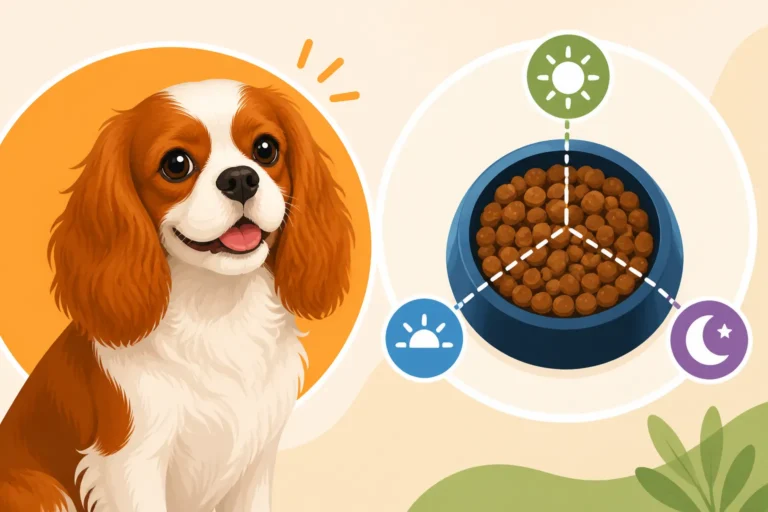
Beyond the food itself, how you feed your senior Cavalier can greatly impact their comfort and enjoyment. Consider elevating their food and water bowls. For an older dog with arthritis in their neck or back, bending down to floor level can be painful. Elevated feeders can make meal times much more comfortable. Consistency in feeding schedule is also important, typically two meals a day, ensuring they don't go too long between meals. Hydration is vital; ensure fresh water is always available, and consider adding a little warm water to dry kibble to make it more appealing and help with hydration, especially if your Cavalier is taking diuretics for heart conditions.
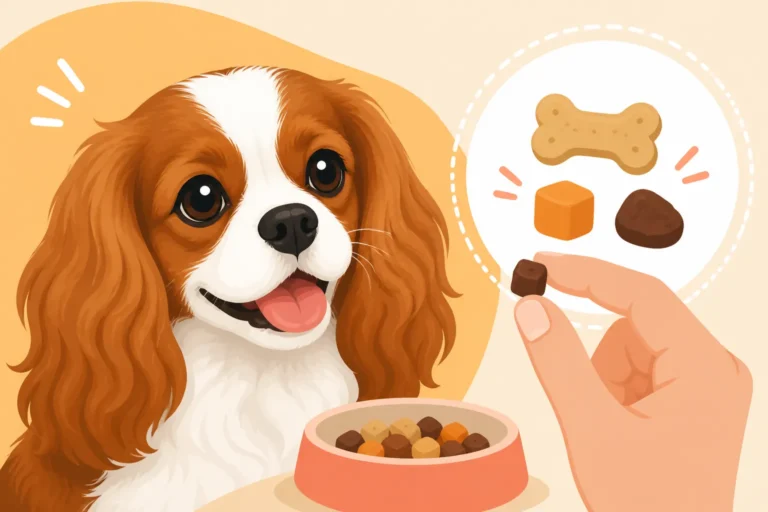
Keep a close eye on their intake and appetite. Are they finishing their meals? Are they still enthusiastic about food, or are they hesitant? Any significant change in appetite should be discussed with your vet, as it can be an early indicator of a health problem. When offering treats, choose wisely. Opt for low-calorie, healthy options, especially if you're trying to manage their weight or if they are on a prescription diet where Prescription Diet Costs for a Cavalier Heart Patient can be significant, making every calorie count. Remember, Feeding and Grooming a Cavalier Past Ten requires a holistic approach, where diet, exercise, and veterinary care work hand-in-hand to support their well-being.
Disclaimer
This article is for general informational purposes only and does not constitute professional advice. Laws, prices and regulations vary by location and change over time. Consult a qualified professional for guidance on your specific situation.