Water Additives Against Brushing for a Cavalier
Oh, the daily dental dilemma! If you're a Cavalier parent, you know the struggle: trying to keep those tiny teeth sparkling clean without turning it into a wrestling match, only to wonder if there's an easier way. We've all been there, peering into our sweet Cavalier's mouth, seeing a little more tartar than we'd like, and feeling that pang of guilt. This guide is going to walk you through the real talk about dental water additives versus the tried-and-true method of brushing, helping you understand what truly works best for your beloved companion's oral health.
The Unavoidable Truth: Why Cavalier Dental Health is So Challenging (and Important)
Let's face it, Cavaliers are notorious for their dental issues. It's not a reflection on you as an owner; it's simply a breed predisposition that we have to work with. Understanding why it's such a challenge is the first step toward finding effective solutions.
Cavalier Teeth Crowded in a Short Jaw
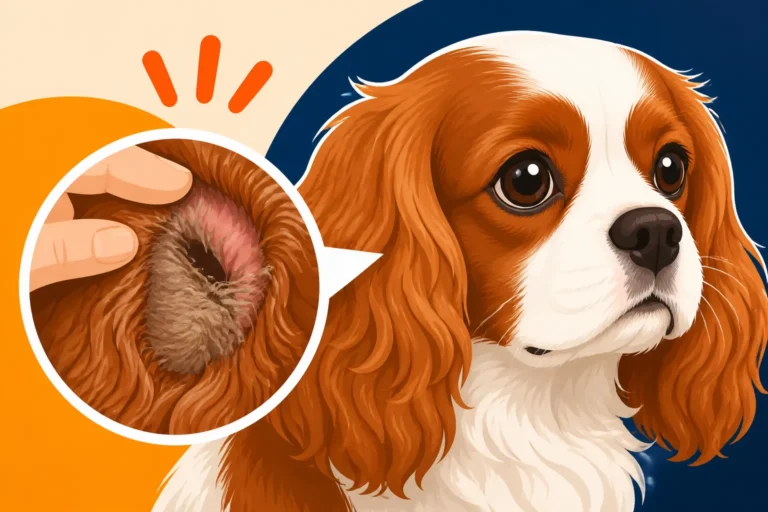
One of the primary reasons Cavaliers often struggle with dental health is their unique oral anatomy. Our darling little Cavaliers have a relatively short muzzle, but they still pack a full set of teeth into that compact space. This often leads to Cavalier Teeth Crowded in a Short Jaw, where teeth are rotated, misaligned, or simply too close together. When teeth are crowded, there are more nooks and crannies for food particles and bacteria to hide, making it incredibly difficult for your Cavalier's tongue or even crunchy kibble to naturally clean the surfaces. It also means that brushing effectively requires even more diligence and precision, as bristles need to reach every tight spot. This crowding creates an ideal environment for plaque and tartar to build up rapidly, much faster than in breeds with more spacious mouths.
The Consequences of Neglected Dental Care
Ignoring dental health in your Cavalier isn't just about bad breath, though that's certainly an unpleasant side effect. Neglected dental care can lead to painful gum disease, tooth decay, and ultimately, tooth loss. Imagine living with a constant toothache or sore gums; that's what many dogs experience without proper dental hygiene. Beyond the mouth, there's a serious systemic risk. The bacteria from severe dental infections can enter your Cavalier's bloodstream and travel to vital organs, potentially affecting their heart, kidneys, and liver. We often discuss Whether Dental Disease Reaches a Cavalier's Heart, and the answer, unfortunately, is yes, it can. This is particularly concerning for Cavaliers, who are already prone to heart issues like Mitral Valve Disease. Therefore, maintaining good oral hygiene isn't just about comfort; it's a critical component of their overall health and longevity.
The Frustration of Daily Brushing
You've tried, haven't you? Armed with a tiny toothbrush and dog-friendly toothpaste, you approach your Cavalier with the best intentions, only for them to treat it like a medieval torture device. Getting a Cavalier to tolerate, let alone enjoy, daily tooth brushing can be an uphill battle. They might squirm, duck their head, try to lick all the toothpaste off, or simply close their mouth and refuse to cooperate. It's incredibly frustrating when you know how important it is but can't seem to make it work consistently. Life gets busy, and even the most dedicated owners can find daily brushing a chore that sometimes gets skipped, leading to that familiar worry about plaque building up again. This is precisely why many owners start looking for easier alternatives, hoping to find something that requires less daily contention.
Understanding Dental Water Additives for Cavaliers
Given the challenges of manual brushing, it's no wonder that dental water additives have become increasingly popular. They promise an effortless way to improve your dog's oral hygiene, but it's important to understand how they work and what their realistic limitations are.
How Water Additives Claim to Work
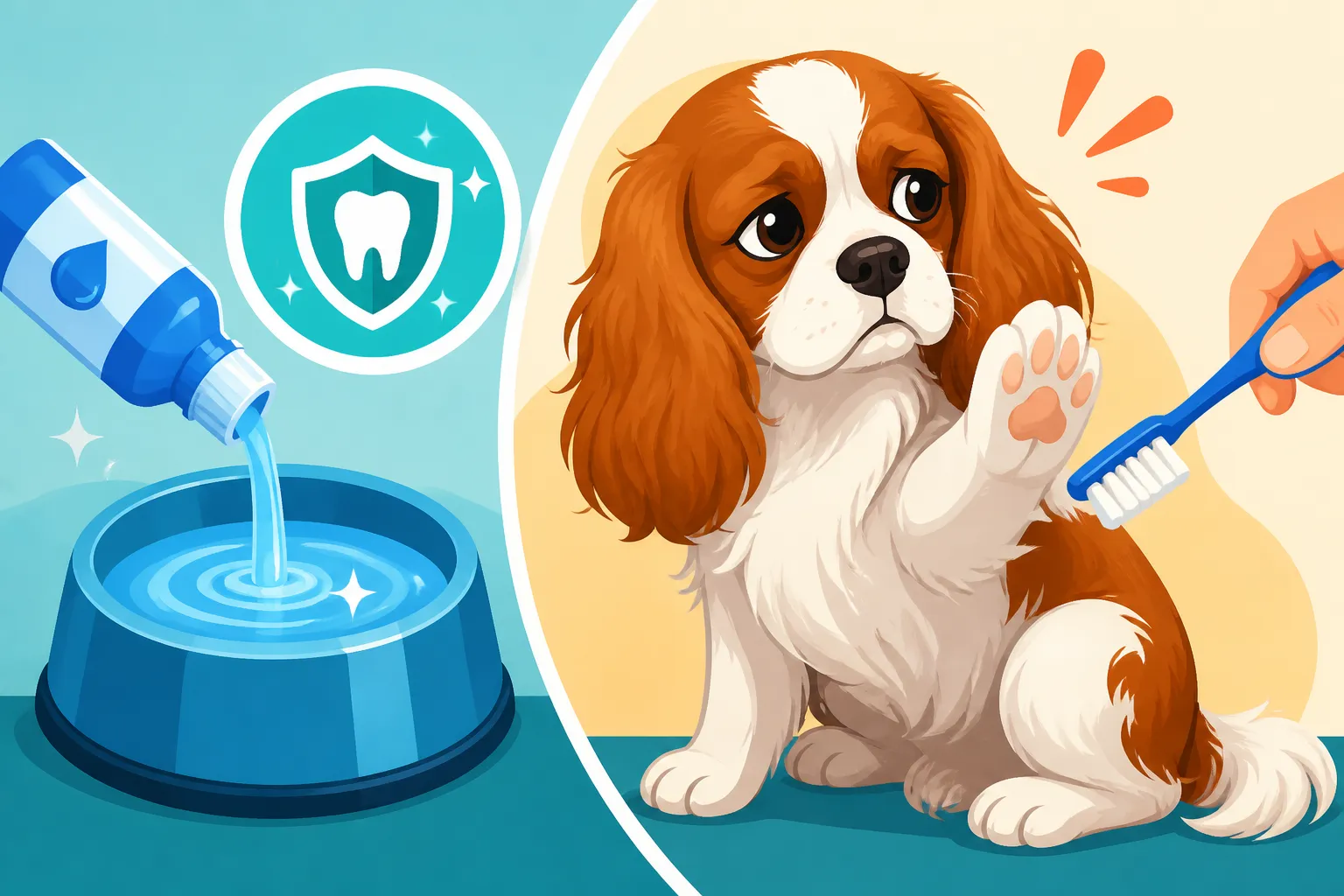
Dental water additives are typically liquids that you simply add to your Cavalier's drinking water, following the manufacturer's instructions for dosage. The idea is that as your dog drinks throughout the day, the active ingredients in the additive will circulate through their mouth, helping to reduce bacteria, freshen breath, and inhibit the formation of plaque and tartar. It sounds almost too good to be true, doesn't it? The convenience factor is certainly appealing – no wrestling, no special techniques, just a simple pour into the water bowl. These additives often contain various ingredients designed to target different aspects of oral health, aiming to break down existing plaque or prevent new buildup.
Types of Dental Water Additives
Not all water additives are created equal, and understanding the main types can help you make a more informed decision for your Cavalier.
- Chlorhexidine-based additives: Chlorhexidine is a potent antiseptic that kills bacteria in the mouth. It's often used in veterinary dental rinses and is very effective at reducing bacterial load, which helps with bad breath and gingivitis. However, some dogs might find the taste unpalatable, and long-term use can sometimes lead to staining of the teeth, although this is less common with dilute water additives than with direct rinses.
- Zinc-based additives: Zinc works by inhibiting bacterial growth and neutralizing volatile sulfur compounds, which are responsible for bad breath. It can also help to break down plaque and reduce inflammation of the gums. Zinc is generally well-tolerated and odorless, making it a good option for picky drinkers.
- Enzyme-based additives: These additives contain enzymes (like glucose oxidase and lactoperoxidase) that mimic the natural enzymes in saliva, helping to break down plaque and kill harmful bacteria. They create a natural "brushing" effect at a microscopic level. These are often tasteless and colorless, making them easy to introduce without your Cavalier even noticing.
- Herbal or natural additives: Some products feature natural ingredients like green tea extract, peppermint oil, or other plant-based compounds that claim to have antibacterial or breath-freshening properties. Their effectiveness can vary widely, and it's always wise to check for scientific backing for such claims.
When looking for options, you'll find a wide range available through online retailers like Chewy and Amazon, each touting slightly different formulations and benefits.
Pros and Cons for Your Cavalier
Let's weigh the advantages and disadvantages of using dental water additives for your Cavalier.
Pros:
- Ease of Use: This is by far the biggest benefit. Just add it to the water bowl, and your job is done for the day. This eliminates the daily struggle of brushing and makes consistent dental care much more achievable for many busy or frustrated owners.
- Improved Breath: Most additives are quite effective at reducing the bacteria that cause bad breath, offering a noticeable improvement in your Cavalier's "kisses."
- Some Plaque/Tartar Reduction: While not as powerful as mechanical removal, many additives can help to slow down plaque accumulation and soften existing tartar, making future professional cleanings potentially easier or less frequent.
- Cost-Effective (in some cases): Compared to frequent professional dental cleanings under anesthesia, water additives are a relatively inexpensive ongoing preventative measure. However, they don't replace these cleanings entirely.
Cons:
- Limited Effectiveness Against Established Tartar: Water additives are primarily preventative. They are generally not powerful enough to remove significant, hardened tartar that has already built up on your Cavalier's teeth. Think of them as more of a maintenance tool, not a cure for existing problems.
- Doesn't Clean Under the Gumline: The most damaging plaque and tartar accumulate below the gumline, where they cause gingivitis and periodontal disease. Water additives, by their nature, cannot reach this crucial area effectively. This is a significant limitation when considering comprehensive dental health.
- Palatability Issues: Some Cavaliers might object to the taste or smell of certain additives, leading them to drink less water or even refuse it entirely. If your Cavalier isn't drinking enough water, this could lead to dehydration, which is a far more serious concern than their dental health in the short term. Always monitor water intake closely when introducing a new additive.
- No Mechanical Abrasion: Brushing provides a physical scrubbing action that water additives simply cannot replicate. This mechanical abrasion is crucial for dislodging sticky plaque from tooth surfaces.
- False Sense of Security: Relying solely on water additives might give owners a false sense of security, leading them to neglect other vital aspects of dental care, such as regular veterinary check-ups and professional cleanings.
The Gold Standard: Why Brushing Remains King for Cavaliers
Despite the convenience of water additives, veterinary dental professionals overwhelmingly agree: nothing beats manual tooth brushing for preventing plaque and tartar buildup.
The Mechanism of Mechanical Cleaning
Brushing your Cavalier's teeth physically removes plaque before it has a chance to harden into tartar. Think of it like scrubbing a pot: simply soaking it (like a water additive) might loosen some grime, but you still need a brush to truly clean it. The bristles of a dog toothbrush physically dislodge food particles and plaque from the tooth surface, especially along the gumline where dental disease often begins. This mechanical action is crucial because plaque is a sticky biofilm that adheres firmly to the teeth. No amount of rinsing or chemical action can quite match the physical removal achieved by brushing. When you brush, you're not just cleaning the visible surfaces; you're also massaging the gums, which can improve circulation and reduce inflammation. For a breed like the Cavalier with Cavalier Dental Disease in a Crowded Jaw, getting those bristles into every tight space is paramount.
Tips for Successful Cavalier Tooth Brushing
Okay, so brushing is best, but how do we make it less of a battle? Here are some tips to turn that chore into a more manageable (and maybe even enjoyable) routine:
- Start Early: If you have a puppy, begin introducing them to tooth brushing as soon as possible. Even gentle rubbing of their gums with your finger will help them get used to having their mouth handled. The younger you start, the easier it will be to establish a routine.
- Make it Positive: Always associate brushing with positive experiences. Use lots of praise, gentle strokes, and highly motivating treats (like a dollop of their favorite peanut butter on the brush after the cleaning, or even a specialized dental treat from Chewy). Keep sessions short and sweet, especially at the beginning.
- Use Dog-Specific Products: Never use human toothpaste, as it contains fluoride and xylitol, which are toxic to dogs. Opt for enzymatic dog toothpaste, which comes in flavors your Cavalier might enjoy, like poultry or beef.
- Choose the Right Tools: A finger brush might be less intimidating than a traditional toothbrush initially. Eventually, a small, soft-bristled brush designed for small dogs is ideal. The size of your Cavalier's mouth means you'll need something compact to reach those back molars.
- Focus on the Outside Surfaces: The most critical area to brush is the outside surface of the teeth, especially the upper canines and molars, where plaque tends to accumulate fastest. Don't worry too much about the inside surfaces; your Cavalier's tongue does a decent job there.
- Be Patient and Gradual: If your Cavalier resists, don't force it. Try just a few teeth, then praise and stop. Gradually increase the number of teeth and duration over several days or weeks. Consistency, even in short bursts, is key. Many owners find that setting a goal for Brushing a Cavalier's Teeth Without a Struggle makes the process less stressful.
- Routine: Dogs thrive on routine. Try to brush at the same time each day – perhaps right after their last meal, when their energy is a bit lower, or as part of their evening cuddle time.
When Brushing Isn't Enough (or Possible)
Even with the best intentions and techniques, daily brushing isn't always 100% effective or consistently achievable for every Cavalier owner. Sometimes, despite your best efforts, plaque and tartar still build up. This is particularly true for older Cavaliers or those with severe dental crowding. This is where professional veterinary dental cleanings become essential.
Professional cleanings, performed under anesthesia, allow your veterinarian to thoroughly clean all tooth surfaces, including below the gumline, and to identify and address any underlying issues like periodontal pockets, loose teeth, or infections. This is also where discussions about The Age a Cavalier Needs Its First Dental and Extractions in an Older Cavalier become relevant. Your vet can also assess for any signs of Whether a Cavalier With a Murmur Can Be Sedated, which is a common concern for Cavalier owners considering anesthesia. While water additives can supplement your efforts, they absolutely do not replace the need for these comprehensive professional interventions.
Making the Best Choice for Your Cavalier: A Balanced Approach
So, what's the verdict? Water additives or brushing? The truth is, it's not necessarily an either/or situation. A multi-pronged approach often yields the best results for our Cavaliers.
Combining Approaches for Optimal Health
For most Cavaliers, the ideal scenario involves a combination of strategies. Think of it as layers of protection for their pearly whites:
- Daily Brushing (Primary): This should always be your first line of defense. Even if you can only manage a minute or two, focusing on the most plaque-prone areas, it makes a huge difference. Every little bit of mechanical cleaning helps.
- Dental Water Additive (Supportive): Incorporate a vet-approved dental water additive into your Cavalier's daily routine. This provides continuous, passive support by reducing bacteria and freshening breath, helping to slow down plaque accumulation between brushings and professional cleanings. It's an excellent way to add an extra layer of protection, especially for those hard-to-reach spots.
- Dental Chews/Treats (Supplemental): Look for dental chews and treats that have been scientifically proven to reduce plaque and tartar. Brands like Greenies or other VOHC (Veterinary Oral Health Council) approved products can be beneficial. Just be mindful of the calorie count, as Cavaliers can gain weight easily. You can often find these easily on Chewy or Amazon.
- Regular Veterinary Dental Check-ups and Professional Cleanings: This is non-negotiable. Your vet will assess your Cavalier's oral health at their annual check-up and recommend professional cleanings as needed. These cleanings address the issues that at-home care simply cannot. Remember to ask about What a Cavalier Cardiology Referral Costs if your Cavalier has a murmur, as this might be part of the pre-anesthesia workup.
By combining these methods, you're giving your Cavalier the most comprehensive dental care possible, significantly reducing their risk of serious dental disease and its associated health complications.
What to Look for in a Water Additive (and Where to Find It)
If you decide to incorporate a dental water additive, here's what to keep in mind:
- Veterinary Oral Health Council (VOHC) Seal: Look for products that carry the VOHC seal of acceptance. This means the product has met standards for effectiveness in reducing plaque and/or tartar. This seal is your best indicator that a product actually does what it claims.
- Active Ingredients: Understand the active ingredients and choose one that aligns with your Cavalier's needs and preferences. If your dog is prone to bad breath, a chlorhexidine or zinc-based additive might be effective. If they are very sensitive to taste, an enzymatic option might be better.
- Taste and Acceptance: Start with a small amount or a trial size if possible. Monitor your Cavalier's water intake carefully to ensure they are still drinking enough. If they stop drinking, try a different brand or type. You can find a vast selection of VOHC-approved water additives from reputable pet supply retailers like Chewy and Amazon, making it easy to compare and try different options.
- Ease of Dispensing: Most come with a measuring cap, but consider how easily you can add it to your dog's water.
- No Added Flavors/Sweeteners: Avoid additives with artificial colors, flavors, or sweeteners that could be harmful or unnecessary.
Consulting Your Vet for a Tailored Plan
Ultimately, the best dental care plan for your Cavalier is a personalized one, developed in consultation with your veterinarian. They know your dog's individual health history, temperament, and existing dental condition. Your vet can:
- Assess current dental health: They can evaluate the degree of plaque and tartar buildup, check for gingivitis, and look for any painful or damaged teeth during a routine physical exam.
- Recommend specific products: Based on their assessment, they can suggest particular toothpastes, brushes, water additives, or dental chews that would be most beneficial for your Cavalier.
- Advise on professional cleanings: They will tell you when a professional dental cleaning under anesthesia is necessary and what to expect, especially important if your Cavalier has other health concerns like heart murmurs. They can discuss the timing of Anesthesia for a Cavalier With Heart Disease and any pre-screening needed.
- Help with technique: Your vet or vet technician can give you hands-on tips for brushing your Cavalier's teeth more effectively and with less stress.
Don't hesitate to bring up your dental struggles with your vet. They are there to help you find realistic and effective solutions that work for both you and your beloved Cavalier, ensuring their smile stays bright and healthy for years to come.
Disclaimer
This article is for general informational purposes only and does not constitute professional advice. Laws, prices and regulations vary by location and change over time. Consult a qualified professional for guidance on your specific situation.