Ear Cleaner Worth Using on a Cavalier
Oh, the beloved Cavalier ears! They are absolutely gorgeous, framing their sweet faces and adding to their undeniable charm. But any Cavalier parent knows that those beautiful, long, floppy ears are also a constant source of worry and, often, frustration. Recurrent ear infections can be a real headache, not to mention painful for our furry friends, and knowing how to keep them clean without causing further irritation feels like a never-ending quest. This guide is here to walk you through everything you need to know about choosing and using an ear cleaner that truly works for your Cavalier, helping you keep those lovely lugs healthy and happy.
Why Cavalier Ears Need Special Attention
Let's face it, those adorable drop ears are a double-edged sword when it comes to hygiene. Unlike dogs with pricked ears that allow for plenty of air circulation, a Cavalier's ear canal is often a warm, dark, and humid haven for all sorts of opportunistic nasties. Understanding why their ears are so prone to issues is the first step in effective care.
The Anatomy of a Cavalier's Drop Ears
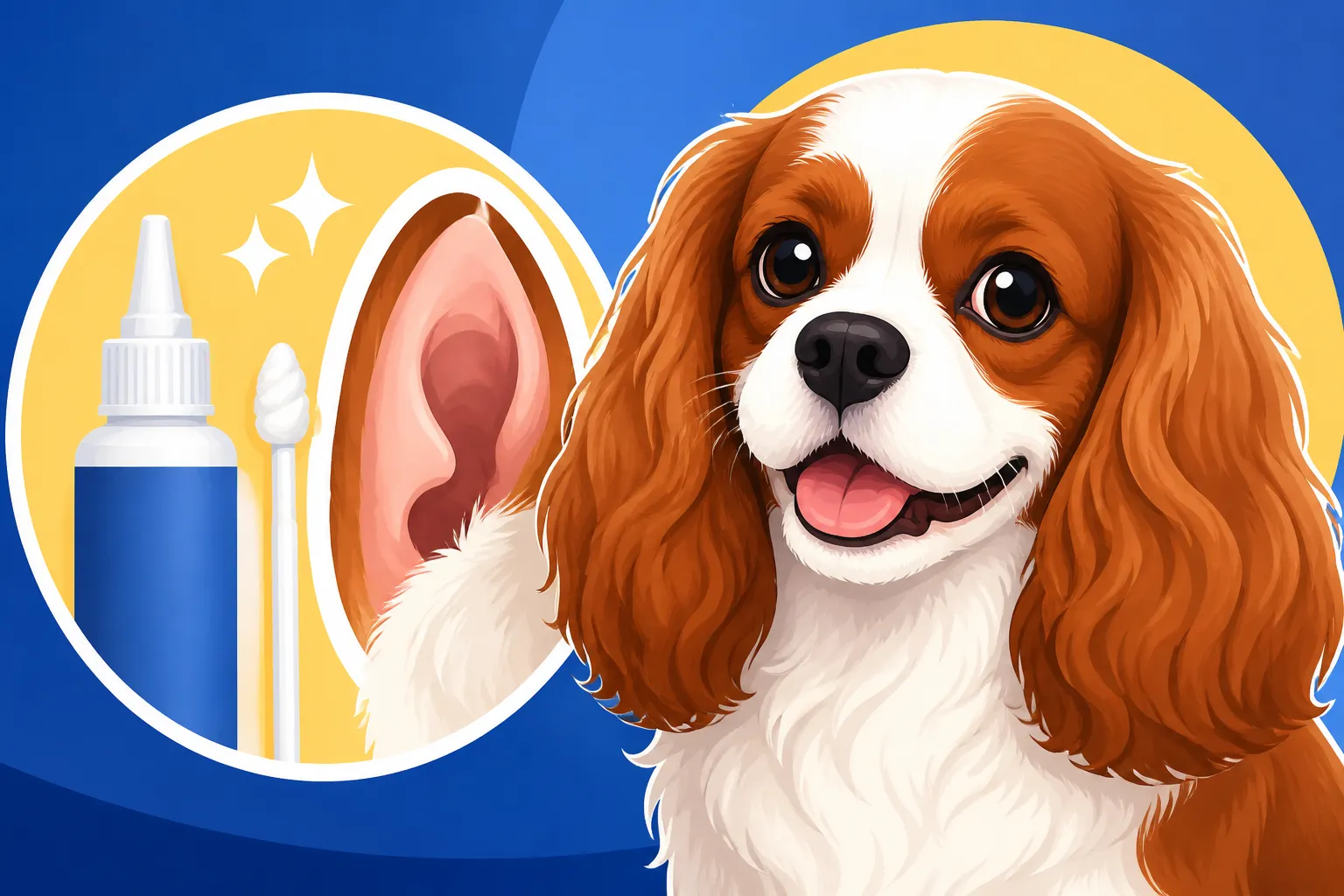
A Cavalier King Charles Spaniel has long, heavy ear flaps, often adorned with luxurious feathering, that hang close to their head. This creates a seal over the ear canal, trapping moisture, heat, and debris inside. Imagine wearing earmuffs all the time – that's essentially what your Cavalier's ears are doing! The ear canal itself is L-shaped, making it difficult for natural debris and wax to escape on its own. This unique anatomy, while contributing to their charming appearance, sets the stage for potential problems if not managed proactively. You can learn more about Why a Cavalier's Drop Ears Trap Infection.
Common Ear Problems in Cavaliers
Because of their ear structure, Cavaliers are notoriously susceptible to ear issues. The most common culprits are bacterial and yeast infections. You might notice a strong, sometimes sweet or pungent, odor coming from the ear, excessive scratching, head shaking, or a reddish, inflamed appearance inside the ear flap. Wax buildup is also a frequent problem; some Cavaliers produce a lot of waxy discharge, which can quickly become impacted in that L-shaped canal. Beyond infections, some Cavaliers can suffer from allergies that manifest as itchy, irritated ears, making them even more prone to secondary infections. It's a vicious cycle that many of us Cavalier owners know all too well. When you observe The Smell That Means a Cavalier Ear Infection, it's often already quite advanced.
The Risks of Neglecting Cavalier Ear Health
Ignoring ear issues in your Cavalier can lead to a cascade of painful and costly problems. Chronic, untreated infections can cause thickening of the ear canal lining, making future infections even harder to clear. In severe cases, it can lead to aural hematomas (blood blisters on the ear flap from vigorous head shaking), ruptured eardrums, or even permanent hearing loss. Imagine the constant discomfort for your dog! Beyond the physical pain, the emotional toll of recurring infections can make your Cavalier anxious about having their ears touched, turning routine cleaning into a stressful ordeal for both of you. It's truly vital to address these problems head-on and consistently, which includes knowing how to keep Chronic Ear Disease and Cavalier Hearing Loss at bay.
Understanding Different Types of Ear Cleaners
Walking down the pet aisle or browsing online, you'll find a bewildering array of ear cleaners, all promising miraculous results. But not all cleaners are created equal, and what works for one dog might not be suitable for your Cavalier, especially if they have sensitive ears or a specific type of recurring issue. Let's break down the main categories.
Saline-Based and pH-Balanced Cleaners
These are often the gentlest options, perfect for routine maintenance on healthy ears or for Cavaliers with minor wax accumulation who aren't prone to infections. Saline solutions simply help to flush out loose debris and excess wax without introducing harsh chemicals. pH-balanced formulas are designed to match the natural pH of a dog's ear canal, which helps maintain a healthy environment and discourages the overgrowth of yeast and bacteria. They don't typically contain strong antimicrobial agents, so they aren't the best choice if your Cavalier is already battling an active infection. Think of these as a preventative rinse rather than a treatment.
Antiseptic and Drying Agents
If your Cavalier is prone to moisture-related issues, or experiences mild, recurring infections (especially yeast infections, which absolutely thrive in damp environments), then cleaners with antiseptic and drying agents are often recommended. Ingredients like boric acid, salicylic acid, acetic acid (vinegar-like), and sometimes chlorhexidine, work to dry out the ear canal and kill off yeast and bacteria. Boric acid is a mild antiseptic, salicylic acid helps to break down dead skin cells and debris, and chlorhexidine is a powerful broad-spectrum antimicrobial. These are excellent for maintaining a drier, less hospitable environment for pathogens, particularly after swimming or humid weather. However, if your Cavalier's ears are very inflamed or painful, these might sting a little, so always introduce them gently. Many vets will recommend a drying agent, particularly for Cavaliers prone to Yeast Under a Cavalier's Ear Flap.
Wax-Dissolving Formulas
Some Cavaliers, bless their waxy little hearts, produce a significant amount of earwax. This can quickly build up, creating blockages and becoming a breeding ground for bacteria. For these cases, you'll want an ear cleaner specifically formulated to dissolve wax. Ingredients like docusate sodium or carbamide peroxide are often found in these types of cleaners. They work by breaking down the waxy plugs, making them easier to flush out. These can be incredibly effective, but they are generally not meant for daily use. Instead, they're used periodically when you notice significant wax buildup. Always follow the product instructions carefully, as they might require a longer dwell time in the ear before flushing.
What to Look For in a Quality Cavalier Ear Cleaner
Choosing the right ear cleaner isn't just about grabbing the first bottle you see. It's about finding a product that is effective for your Cavalier's specific needs while being gentle enough not to cause further irritation. A good ear cleaner should be a supportive tool in your regular Cavalier Ear Care Under a Heavy Drop Ear routine.
Gentle, Non-Irritating Ingredients
This is paramount, especially for a breed known for sensitive skin and ears. Avoid cleaners that contain alcohol, as it can be incredibly drying and irritating, especially if the ear canal is already inflamed. Likewise, strong perfumes or artificial dyes can trigger allergic reactions or worsen existing irritation. Look for formulas that clearly state they are "gentle," "alcohol-free," or "non-stinging." Natural ingredients like aloe vera or witch hazel can be soothing, but always ensure they are part of a professionally formulated product designed for canine ears, not just something from your medicine cabinet. The goal is to clean, not to cause discomfort.
pH-Balanced Formulations
Maintaining the natural pH of your Cavalier's ear canal is crucial for ear health. A healthy canine ear has a slightly acidic pH. When this balance is disrupted (for example, by harsh cleaners or recurrent infections), it can create an environment where yeast and bacteria can flourish. Therefore, selecting a cleaner that is specifically formulated to be pH-balanced helps support the ear's natural defenses and can be very beneficial in preventing recurring issues. This is a subtle but incredibly important detail to look for on the product label.
Vet-Recommended Brands and Where to Find Them
When in doubt, always consult your veterinarian. They can examine your Cavalier's ears, diagnose any underlying issues, and recommend a specific type of cleaner or even a prescription-strength solution if needed. Many vets stock and recommend trusted brands that they know are safe and effective. If you're looking for over-the-counter options, reputable brands like Zymox, Virbac Epi-Otic, or TrizULTRA + Keto are often vet-approved. You can typically find these products at your vet's office, specialty pet supply stores, or online retailers. Websites like Chewy and Amazon offer a wide selection, often with customer reviews that can give you insights, though remember every dog is different. Just be sure to read ingredient lists carefully and ensure the product is indeed formulated for dogs. Ollie, a brand known for fresh pet food, doesn't typically offer ear cleaners, so when considering non-food items, stick to the specialized pet supply avenues.
Step-by-Step Guide to Cleaning Your Cavalier's Ears
Now that you know what to look for, let's talk about how to do it. Cleaning your Cavalier's ears should be a calm, positive experience, not a wrestling match. Starting young, with lots of praise and treats, can make a huge difference. Regular Daily Ear Checks on a Cavalier are the foundation of this routine.
Gathering Your Supplies
Before you even think about touching your Cavalier's ear, gather everything you need. This will help you stay calm and efficient, which in turn helps your dog relax. You'll need:
- The chosen ear cleaner: Make sure it's at room temperature; cold liquid in the ear can be startling.
- Cotton balls or gauze squares: Avoid cotton swabs (Q-tips) for deep cleaning, as they can push debris further into the ear canal and potentially damage the eardrum. We absolutely want to avoid Why Cotton Swabs Ruin a Cavalier's Ear.
- Plenty of treats: High-value treats are a must for positive reinforcement!
- A towel: To catch any drips and for comforting your dog.
- Maybe an extra set of hands: Especially if your Cavalier is new to ear cleaning.
The Cleaning Process
- Find a quiet, comfortable spot: Sit on the floor with your Cavalier, perhaps between your legs, or have them lie down. Make it a positive, calm environment.
- Lift the ear flap: Gently hold your Cavalier's ear flap up to expose the entrance to the ear canal.
- Apply the cleaner: Following the product instructions, squirt the recommended amount of ear cleaner directly into the ear canal until it's comfortably full. Don't be shy – you need enough liquid to really flush things out.
- Massage the base of the ear: This is the crucial step! Gently but firmly massage the base of your Cavalier's ear, right at the joint, for about 20-30 seconds. You should hear a squishy sound, which indicates the cleaner is working its way down into the L-shaped canal and breaking up wax and debris.
- Allow your Cavalier to shake their head: After massaging, stand back and let your dog shake their head. This helps dislodge loosened debris and brings it up to the surface. It can be a little messy, which is why the towel is handy!
- Wipe the outer ear: Use a cotton ball or gauze square to gently wipe away any visible cleaner, wax, and debris from the outer ear flap and the very entrance of the ear canal. Don't go poking deep into the canal with the cotton ball.
- Reward generously: Praise your Cavalier profusely and give them those high-value treats! You want them to associate ear cleaning with good things.
- Repeat on the other ear: Once one ear is done, move on to the other.
For more detailed guidance, consider this article on Cleaning a Cavalier's Ear the Right Way. Remember, consistency is key, and regular cleaning, say every week or two, depending on your Cavalier's needs and activity level, can prevent many problems. You may want to increase frequency after baths or swims, ensuring you are Drying a Cavalier's Ears After a Bath properly.
When to Seek Veterinary Advice
Even with the best at-home care, there are times when you absolutely need to involve your veterinarian. If you notice any of the following signs, it's time to make an appointment:
- Intense redness or swelling: This suggests significant inflammation or infection.
- Strong, foul odor: A persistent, unpleasant smell is a clear sign of infection.
- Excessive discharge: Any green, yellow, or thick black discharge is abnormal.
- Pain or sensitivity: If your Cavalier yelps, growls, or pulls away aggressively when you try to touch their ear, they are likely in pain.
- Head tilt or loss of balance: These could indicate a more serious inner ear infection.
- No improvement after a few days of cleaning: If mild symptoms don't resolve quickly with your chosen cleaner, a vet visit is warranted.
A vet can properly diagnose the type of infection (bacterial, yeast, or both) and prescribe targeted medication, which might include antibiotic or antifungal ear drops, or oral medications. Early intervention can prevent a mild problem from escalating into a severe, chronic condition. When you need to assess How Often to Check a Cavalier's Ears, these warning signs should be your guide.
Remember, healthy ears are a cornerstone of your Cavalier's overall well-being. By understanding their unique needs, choosing the right products, and committing to a consistent cleaning routine, you can help your sweet companion live a more comfortable and happy life, free from the woes of painful ear infections.
| Ear Cleaner Type | Key Ingredients | Best For | Not Recommended For | Frequency |
|---|---|---|---|---|
| Saline/pH-Balanced | Saline, distilled water, gentle buffers | Routine maintenance, flushing, sensitive ears | Active infections, heavy wax buildup | Weekly or bi-weekly |
| Antiseptic/Drying | Boric acid, salicylic acid, acetic acid, chlorhexidine | Preventing yeast/bacterial infections, moist ears, post-swimming | Deeply inflamed or painful ears (can sting), as a sole treatment for severe infections | 1-2 times a week, or as needed |
| Wax-Dissolving | Docusate sodium, carbamide peroxide | Stubborn wax plugs, excessive wax production | Daily use, very inflamed ears, ruptured eardrums | Periodically, when wax buildup is present |
Disclaimer
This article is for general informational purposes only and does not constitute professional advice. Laws, prices and regulations vary by location and change over time. Consult a qualified professional for guidance on your specific situation.