Yeast Under a Cavalier’s Ear Flap
There’s almost nothing more frustrating for a Cavalier owner than that persistent, unmistakable yeasty smell wafting from their sweet pup’s ears. It’s a battle many of us know all too well – you clean, you treat, and just when you think you’ve won, it creeps back. This guide is here to walk you through exactly why your Cavalier is so prone to yeast infections under those beautiful, floppy ear flaps, how to spot the signs, and most importantly, how to get rid of it for good and keep it from returning.
Understanding Why Cavaliers Are Prone to Ear Yeast
If you own a Cavalier King Charles Spaniel, you've probably encountered ear issues at some point. It feels like they're just magnets for gunk and irritation, and there's a very good reason for that: their unique anatomy. It’s not your fault, or theirs; it’s just how they’re built.
The Anatomy of a Cavalier's Ear
Cavaliers are blessed with those luxurious, long, pendulous drop ears, often covered in beautiful feathering. While undeniably adorable, this physical trait is also their Achilles' heel when it comes to ear health. Unlike dogs with erect ears, which allow for plenty of air circulation, a Cavalier's ears hang down, effectively sealing off the ear canal from the outside world. This creates a miniature greenhouse effect – a warm, dark, and often moist environment that is absolutely ideal for yeast and bacteria to thrive.
Think about it: in a closed-off, humid space, things tend to get a bit funky, right? The same principle applies to your Cavalier's ears. The lack of proper airflow means moisture can get trapped, whether from a bath, a romp in dewy grass, or just the natural humidity in the air. This dampness, combined with the warmth of their body, becomes a perfect breeding ground. On top of that, many Cavaliers also have a fair amount of hair growing inside their ear canals, which further obstructs air circulation and can trap debris and moisture. This combination makes them particularly susceptible to Why a Cavalier's Drop Ears Trap Infection.
Common Causes of Yeast Overgrowth
The primary culprit behind that distinct "corn chip" smell and itchy ears is typically a type of yeast called Malassezia pachydermatis. This yeast is actually a normal resident on your dog's skin and in their ears. The problem isn't the presence of Malassezia itself, but rather an overgrowth of it. Under normal, healthy conditions, the natural flora in your Cavalier's ear keeps everything in balance. But when that delicate balance is disrupted, Malassezia seizes the opportunity to multiply, leading to an infection.
Often, this overgrowth is triggered by an underlying issue, and allergies are a huge one for Cavaliers. Environmental allergies (like pollen, dust mites) or food allergies can cause inflammation and irritation in the skin, including the lining of the ear canal. This inflammation alters the microenvironment of the ear, making it even more hospitable for yeast to proliferate. Imagine having perpetually itchy, inflamed skin; it compromises the natural defenses. Beyond allergies, things like swimming, baths where water gets trapped, or even just high humidity can introduce and retain excessive moisture, tipping the scales in favor of yeast. Sometimes, a bacterial infection might weaken the ear's defenses, allowing yeast to take hold as a secondary issue. Even foreign bodies like grass awns or tiny insects, though less common with yeast, can cause irritation that precedes an overgrowth. It's a complex interplay, and identifying the root cause is crucial for long-term relief.
Recognizing the Signs of Yeast Under the Ear Flap
Spotting a yeast infection early can save your Cavalier a lot of discomfort and prevent the infection from becoming a bigger, more stubborn problem. It's not always just a simple shake of the head; there are often very specific visual cues and, unfortunately, a smell that's hard to ignore.
Visual Cues and Distinctive Smells
The most obvious visual sign of a yeast infection under a Cavalier's ear flap and within the canal is a tell-tale reddish-brown or dark, waxy discharge. This isn't just regular ear wax; it's often greasy in texture and can be quite copious. You might also notice the skin inside the ear looking red and inflamed, perhaps even thickened or leathery in chronic cases. Sometimes, you'll see tiny black specks, which might make you worry about ear mites, but with yeast, it's usually more about the waxy buildup. If you gently lift your Cavalier's ear flap, you might see this residue clinging to the skin, even before it reaches the deeper canal.
Then there's the smell. Oh, that smell! Many owners describe it as a strong, sweet, "yeasty" odor, often likened to corn chips, old bread, or even pungent cheese. Once you've smelled it, you'll recognize it instantly. It's not a subtle aroma, and it can become quite pervasive, filling a room if the infection is severe. This distinctive smell is one of the clearest indicators that Malassezia yeast is flourishing. When you notice The Smell That Means a Cavalier Ear Infection, it's a strong signal that it's time to investigate further and likely consult your vet.
Behavioral Indicators of Discomfort
Beyond the visual and olfactory clues, your Cavalier will often give you plenty of behavioral hints that their ears are bothering them. The most common sign is intense, persistent scratching. You might see them pawing at their ears with their hind legs, sometimes rubbing their heads along furniture or the carpet to try and get relief. Head shaking is another huge giveaway, and it can be quite violent, causing their floppy ears to slap against their head with a startling sound. If you try to touch or clean their ears, they might become very sensitive, yelping, pulling away, or even snapping – which is totally out of character for our sweet-natured Cavaliers and shows just how much pain they're in.
In more severe or chronic cases, you might observe a persistent head tilt, where they hold one ear noticeably lower than the other. This indicates ongoing discomfort or even a feeling of imbalance. They might become restless, unable to settle, or generally a bit grumpy because of the constant irritation. Sometimes, these behavioral changes can be subtle and easily mistaken for other issues. It's important to remember that these signs of discomfort are their way of communicating pain, and shouldn't be ignored. In rare cases, severe neck pain from conditions like syringomyelia can also cause head shaking and scratching, leading some owners to wonder if they're dealing with Telling Syringomyelia From a Cavalier Ear Infection rather than a simple ear infection.
Effective Treatment Strategies for Cavalier Ear Yeast
When you suspect a yeast infection, the first step is always to get a proper diagnosis. Guessing games won't help your Cavalier, and using the wrong treatment can actually make things worse. A trip to the vet is essential to get on the right track.
Veterinary Diagnosis and Initial Steps
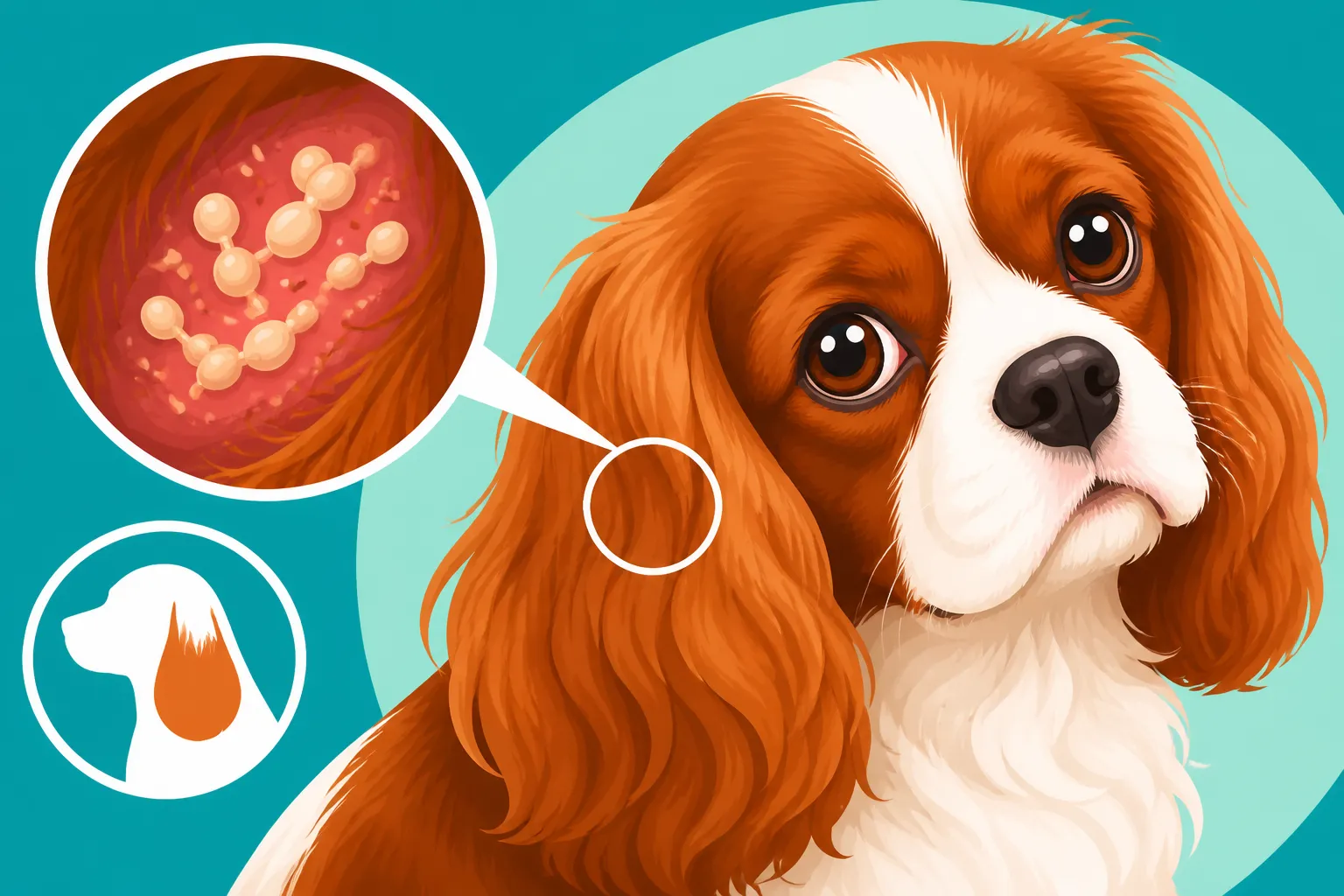
It might feel like just another vet bill, but a professional diagnosis is crucial for effectively treating ear yeast. Your veterinarian will use an otoscope to look deep into your Cavalier's ear canal, checking for inflammation, discharge, and to ensure the eardrum is intact. This is incredibly important because if the eardrum is ruptured, certain ear cleaners or medications can cause serious harm. The gold standard for diagnosing yeast (and differentiating it from bacterial infections or mites) is cytology. This involves taking a swab of the discharge from the ear, rolling it onto a glass slide, staining it, and examining it under a microscope. Yeast cells have a very distinctive peanut or footprint shape, making them easy to identify.
Once yeast is confirmed, your vet will prescribe an appropriate course of treatment. This almost always involves prescription ear cleaners with specific drying agents and antifungal properties, along with medicated ear drops or ointments. These topical medications contain antifungal agents like miconazole or clotrimazole, often combined with an antibiotic (if bacteria are also present) and a steroid to reduce inflammation and discomfort. In very severe or chronic cases, especially if topical treatments aren't penetrating deep enough or the ear is extremely swollen, your vet might prescribe oral antifungal medications. It’s a multi-pronged approach to tackle the infection head-on and bring relief to your pup.
At-Home Care and Ongoing Management
Following your vet's instructions for at-home care is absolutely critical for success. This isn't a "do it for a few days until it looks better" situation; you need to be consistent and diligent to fully clear the infection and prevent recurrence. Your vet will likely provide a specific ear cleaner. To apply it, fill the ear canal with the solution, gently massage the base of the ear for about 30 seconds to distribute the cleaner, and then let your Cavalier shake their head (which they'll probably do enthusiastically!). After they shake, use a clean cotton ball or gauze to gently wipe away any visible debris from the outer ear flap and the entrance to the canal. Remember the golden rule: never use cotton swabs deep inside the ear canal, as this can push debris further in and potentially damage the eardrum. For a detailed guide on the process, check out Cleaning a Cavalier's Ear the Right Way.
Consistency is key here. If your vet prescribes cleaning twice a day and then drops, stick to that schedule. Missing doses or stopping early can lead to the infection flaring right back up. Beyond medication, simple habits can help. Consider using a dog snood, especially during mealtimes or when your Cavalier is outside, to keep those long ears out of food, water, and damp grass. This is why many owners swear by Snoods That Keep Cavalier Ears Out of Dinner. If allergies are a suspected underlying cause, discussing potential dietary changes with your vet might be helpful. Switching to a limited ingredient diet or a hydrolyzed protein diet could sometimes reduce the inflammatory response that fuels yeast growth. Be patient, as these dietary changes can take several weeks to show results.
Preventing Recurrent Yeast Infections
The goal isn't just to treat the current yeast infection, but to break the cycle and prevent those frustrating recurrences. This requires a proactive approach, integrating regular hygiene with an understanding of your Cavalier's specific health needs.
Regular Grooming and Hygiene Practices
Proactive ear care is your best defense against recurrent yeast infections. Make it a habit to perform Daily Ear Checks on a Cavalier. Just a quick lift of the ear flap, a sniff, and a visual inspection can catch early signs before they escalate. If you notice any redness, discharge, or that familiar yeasty smell, you can address it immediately. For many Cavaliers, a weekly preventative ear cleaning with a vet-approved, drying ear cleaner is incredibly beneficial. This helps remove any accumulating wax or moisture before yeast has a chance to take hold. Your vet can recommend a suitable over-the-counter cleaner for this purpose.
Another important step is managing the hair around and inside the ear. While you should never pluck hair from deep within the ear canal yourself (this can cause micro-traumas and lead to infections), a professional groomer can carefully trim any excess hair around the opening of the ear canal. This slight reduction in hair can significantly improve airflow and reduce moisture retention. After baths or swimming, always take the time to thoroughly dry your Cavalier's ears. Use a soft towel to dab the outer ear, and consider using a low-setting hairdryer (held at a safe distance) to gently dry the inner ear flap and entrance to the canal. This simple step can make a huge difference in preventing a moist environment. For a full rundown on comprehensive ear care, you might find Cavalier Ear Care Under a Heavy Drop Ear to be a helpful resource. Remember, while some ear wax is normal, excessive amounts need attention, and knowing Whether Ear Wax in a Cavalier Is Normal is key to understanding when to act.
Addressing Underlying Allergies and Health Issues
As we discussed, yeast infections are often a symptom of an underlying problem, particularly allergies. If your Cavalier suffers from environmental allergies, working with your vet to manage them long-term is crucial. This might involve allergy medications, immunotherapy (allergy shots), or even specific shampoos and wipes. For suspected food allergies, a strict elimination diet under veterinary guidance can help identify trigger ingredients. By reducing the overall inflammatory burden on your dog's body, you create a less hospitable environment for yeast.
Maintaining a healthy, balanced diet is also fundamental to supporting your Cavalier's immune system and skin barrier. Discussing appropriate nutrition with your vet can help ensure your dog is getting all the necessary nutrients to keep their skin and ears healthy. Regular veterinary check-ups are also vital to catch any systemic health issues that could predispose your Cavalier to infections. For example, conditions like Cavalier Dental Disease in a Crowded Jaw can sometimes indirectly impact overall health and immune function. If your Cavalier has chronic, recurring ear problems, it's worth considering pet insurance, like Healthy Paws, which can help cover the costs of ongoing diagnostics, medications, and specialist visits. While they may not cover pre-existing conditions if the murmur appears before you get coverage, getting a policy when your Cavalier is young and healthy can be a lifesaver for managing chronic conditions later on, and understanding What a Cavalier Policy Costs Monthly is part of being a responsible owner. Ultimately, prevention is a holistic effort, addressing both external hygiene and internal health.
Here's a quick reference table to help distinguish between yeast and common bacterial ear infections:
| Feature | Yeast Ear Infection (Malassezia) | Bacterial Ear Infection |
|---|---|---|
| Odor | Sweet, yeasty, "corn chip" smell | Often pungent, foul, sometimes cheesy |
| Discharge | Dark brown, waxy, greasy | Yellow, green, purulent (pus-like), sometimes bloody |
| Color of Ear | Red, inflamed, sometimes thickened skin | Red, very swollen, sometimes raw |
| Itchiness | Often intense, constant scratching | Can be intense, painful to touch |
| Common Cause | Allergies, moisture, disruption of balance | Often secondary to yeast, foreign body, or injury |
| Microscopy | Peanut or footprint-shaped cells | Rods or cocci (round or rod-shaped bacteria) |
This table is a general guide; only a veterinary diagnosis can confirm the exact type of infection your Cavalier is facing.
Disclaimer
The information provided in this guide is for general educational purposes only and should not be considered a substitute for professional veterinary advice. Always consult with a qualified veterinarian for any health concerns or before making any decisions related to your Cavalier's medical care.