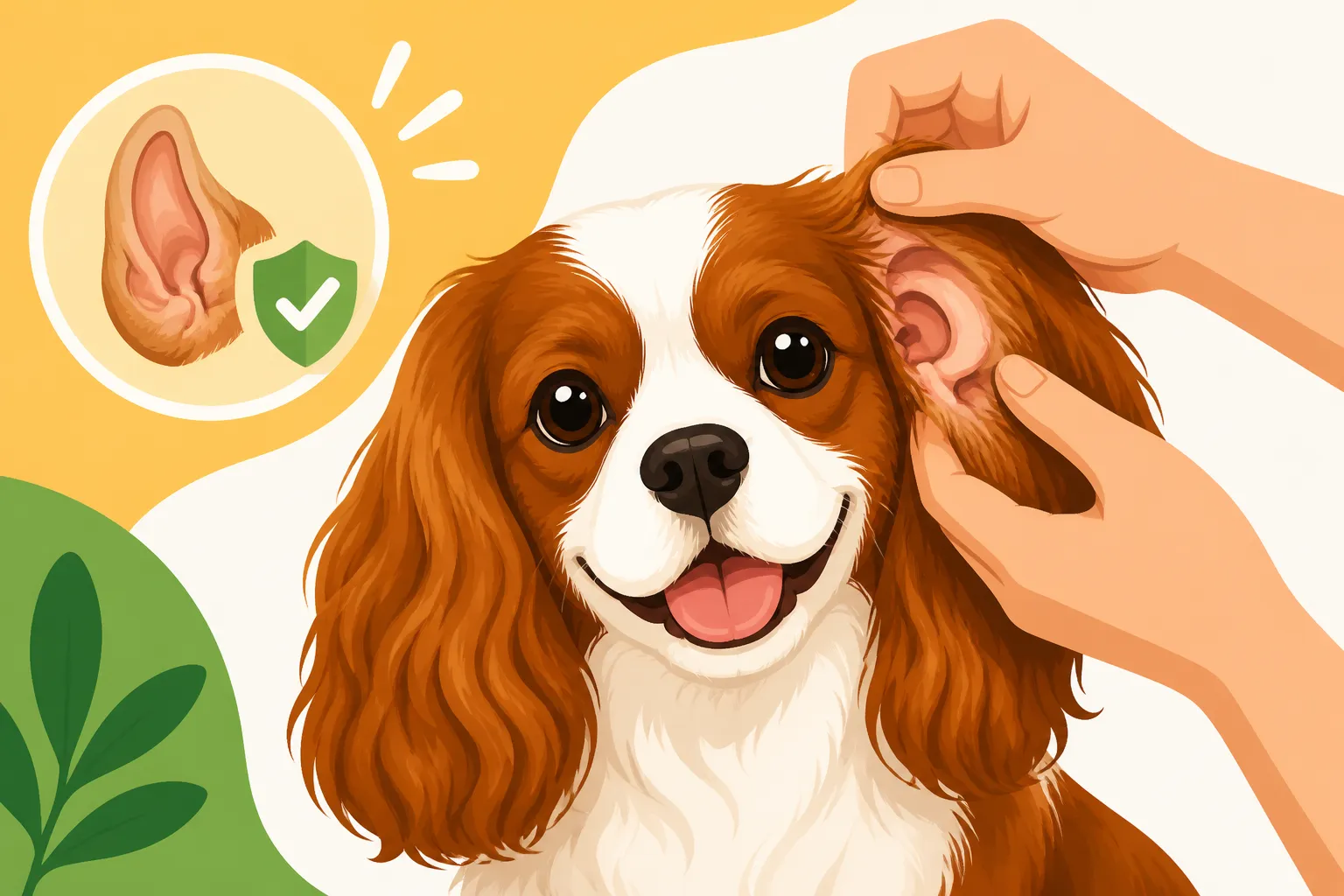
Daily Ear Checks on a Cavalier
If you've ever owned a Cavalier King Charles Spaniel, you know those gorgeous, silky drop ears are both a blessing and a bit of a curse. They frame that sweet face perfectly, but they also create a warm, dark, often moist environment that's just begging for trouble. Catching an ear issue early can save your beloved companion a lot of discomfort and you a significant vet bill, which is why a simple daily ear check is such a vital part of your routine.
Why Cavalier Ears Are Uniquely Vulnerable
Our Cavaliers are simply stunning, aren't they? Those long, feathery ears are iconic, part of their charm. But what makes them so beautiful also makes them prone to a particular set of challenges when it comes to ear health. It's not just about aesthetics; their very anatomy can be a setup for recurring issues that can be incredibly frustrating for both you and your dog.
The Anatomy of a Drop Ear
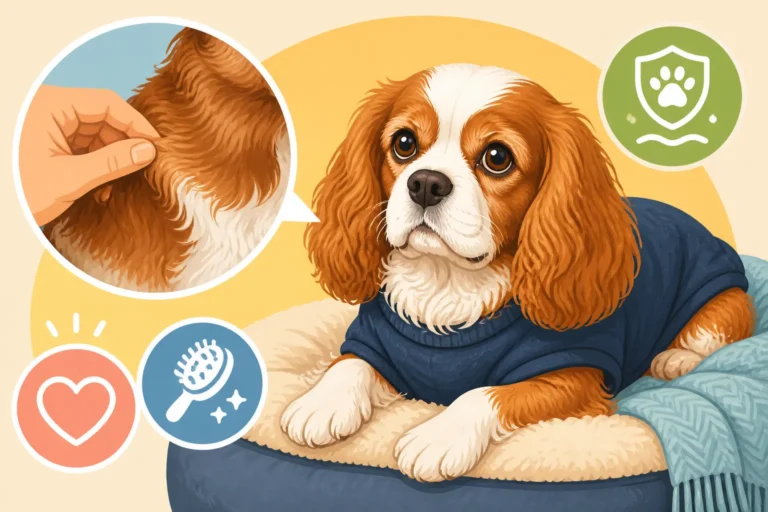
Imagine living under a permanent, heavy blanket – that's essentially what our Cavaliers' ear canals experience. Unlike breeds with upright ears where air can circulate freely, the Cavalier's long, heavy ear flaps hang down, effectively sealing off the ear canal. This creates a warm, moist, and poorly ventilated environment that's absolutely perfect for the growth of bacteria and yeast. It's like a tiny greenhouse for all the microscopic nasties that love to set up shop and cause irritation. This anatomical feature alone is why we as Cavalier owners often feel like we're constantly on alert for ear problems. It's not a flaw in their care; it's a predisposition rooted in their breed standard.
Breed-Specific Predispositions to Ear Problems
Beyond the drop ear itself, Cavaliers can face other issues that make them even more susceptible. Some individuals are simply prone to producing more wax, which then gets trapped by the ear flap, creating a waxy plug. Others might have narrower ear canals, making it harder for debris and wax to naturally migrate out. And then there are allergies. Oh, the allergies! Many Cavaliers suffer from environmental or food allergies, and one of the most common ways these manifest is through itchy, inflamed ears. If your Cavalier is constantly scratching at their ears, rubbing their head along the furniture, or shaking their head, it's not always just a minor itch; it could be an allergic reaction setting off a cascade of inflammation that leads directly to infection. It’s a common and very disheartening cycle for many owners. It's crucial to understand these underlying factors because they influence how diligent you need to be with routine checks and preventative care. For more information, you can read about Cavalier Ear Infections and Why They Recur.
What a Healthy Cavalier Ear Looks Like
Before you can spot a problem, you really need to know what "normal" looks and smells like for your Cavalier. Just like humans, there can be subtle variations between dogs. What might be a slightly darker ear flap for one Cavalier is perfectly healthy, while for another, it could be a sign of trouble. Establishing this baseline is the first and most crucial step in effective daily ear checks.
The Clean and Calm Ear Canal
When you gently lift your Cavalier's ear flap and peek inside, a healthy ear canal should look pretty clean and calm. The skin lining the canal should be a pale pink color – think of the inside of your own arm – and smooth. There might be a very light, thin layer of pale yellow or reddish-brown wax, which is completely normal and even beneficial, as it helps trap dust and foreign particles. Crucially, there should be no redness, swelling, or visible discharge. The hair inside the canal should be minimal and clean. You should also be able to gently touch the ear without your Cavalier flinching, pulling away, or showing any signs of discomfort. It's a non-issue for them.
A Neutral or Slightly Yeasty Scent
Let's talk about smell, because it's often the very first indicator of a developing issue. A healthy Cavalier ear should have a very neutral scent. You might detect a faint, earthy, almost mushroomy smell, which is often described as a "normal dog smell" or a very mild yeasty scent. This is usually due to the natural microflora present on the skin. However, this is where the line between normal and problematic can get blurry. The key is "mild" and "faint." If that scent becomes stronger, more pungent, or distinctly sweet and sickly, like old bread or fermented fruit, it's a huge red flag that something is off. Many owners describe a full-blown yeast infection as smelling like corn chips or Fritos, and once you smell it, you don't forget it. Trust your nose!
The Red Flags: What to Look For During Checks
When you do your daily ear check, you're essentially performing a quick detective job. You're looking for any departure from that "normal" baseline we just discussed. These red flags can appear subtly at first, which is why consistency in checking is so incredibly important. Don't wait until your Cavalier is screaming in pain; aim to catch these signs when they're just starting to brew.
Visual Cues of Trouble
The visual inspection is your first line of defense. Start by gently lifting each ear flap fully to expose the inner ear and canal opening. Look for any changes in skin color – is it redder than usual? Inflamed? Are there any visible sores, scabs, or crusts? Take note of any discharge. Is it clear and watery, or thick and waxy? What color is it? Yellow, dark brown, or even black? Any unusual amount of hair loss around the ear opening could also be a sign of constant scratching. Swelling, either of the ear flap itself or inside the canal, is another major warning sign. Sometimes, the ear flap can even feel thicker or warmer to the touch than the surrounding skin.
Odor, Discharge, and Behavioral Changes
Beyond what you see, what you smell and how your Cavalier is acting are equally important. As mentioned, a strong, unpleasant odor – often like yeast (foul, sweet, bready) or bacteria (stinky, pus-like) – is a strong indicator of infection. Any increase in ear wax, especially if it's darker, thicker, or more crumbly than usual, can be a sign.
More importantly, pay close attention to your Cavalier's behavior. Are they shaking their head more than usual? Pawing at their ears? Rubbing their head on the carpet, furniture, or your leg? Do they seem sensitive or yelp when you try to touch their ear? Sometimes, they might even tilt their head to one side constantly, or you might notice them scratching their chest or neck, which can be referred pain from an ear problem. A less obvious but critical sign can be if they seem generally uncomfortable, withdrawn, or unwilling to play. These subtle shifts in behavior can often be the first real clue that something is amiss, even before any visual signs are obvious. If you suspect ear pain, it's essential to differentiate it from other conditions like Syringomyelia Against Ear Pain in a Cavalier.
Here's a quick comparison table to help you discern what you're seeing and smelling:
| Feature | Healthy Cavalier Ear | Unhealthy Cavalier Ear |
|---|---|---|
| Appearance | Pale pink skin, minimal light wax, clean | Redness, swelling, dark/excessive wax, crusts, sores, discharge |
| Discharge | Absent or very minimal, light yellowish-brown wax | Yellow, dark brown, black, pus-like, watery, green discharge |
| Odor | Neutral or faint, slightly earthy/yeasty | Strong, foul, sweet, musty, "corn chip" (yeast), pungent (bacteria) |
| Temperature | Cool to touch, same as surrounding skin | Noticeably warm or hot to touch |
| Behavior | No signs of discomfort, happy to have ears touched | Head shaking, pawing at ears, rubbing head, sensitivity to touch, yelping, head tilt, reluctance to play |
| Hair Growth | Clean, minimal hair inside canal | Matted hair around ear opening, hair loss from scratching |
How to Perform a Daily Ear Check
Integrating a quick ear check into your daily routine doesn't have to be a big production. In fact, keeping it low-key and positive will make your Cavalier far more cooperative. The goal is consistency, not perfection, and to make it a pleasant experience for both of you.
Making it a Positive Experience
The best time for an ear check is often when your Cavalier is already relaxed, perhaps during a cuddle session on the sofa, after a walk, or even during a grooming brush. Approach it gently, speaking in a calm, soothing voice. You can pair it with a small, high-value treat to create a positive association. Lift one ear flap at a time, praise them for their cooperation, and offer the treat. Make it quick, maybe just 10-15 seconds per ear. If they seem uncomfortable, don't force it. Try again later or shorten the duration. The key is to build trust and routine. Never make it a wrestling match, as this will only create negative associations and make future checks harder. Consistent positive reinforcement, even if it's just a "Good boy/girl!" and a gentle scratch, will go a long way.
Step-by-Step Inspection Process
Here’s a simple, step-by-step guide to your daily ear inspection:
- Gather Your Supplies (Optional): While you don't need anything for a daily check, having a flashlight (like your phone's) handy can help you peer into the canal, and a few small, tasty treats will make your Cavalier happy. You might find a good selection of high-value treats on platforms like Chewy or Amazon.
- Find a Quiet Moment: When your Cavalier is calm and relaxed, perhaps curled up next to you.
- Gentle Approach: Speak softly, pet them, and let them know everything's okay. Offer a treat right away to set a positive tone.
- Lift the Ear Flap: Gently take hold of one ear flap and lift it fully, pulling it slightly back so you can see into the opening of the ear canal.
- Observe the Outer Ear and Flap: Look at the skin on the inner side of the ear flap. Is it smooth and pale pink, or is it red, swollen, or crusty? Check for any scratches or scabs from them pawing at it.
- Inspect the Ear Canal Opening: Look inside the visible part of the ear canal. Note the color of the skin, the amount and color of any wax. Is there any discharge? Does it look clean, or is there debris?
- Smell Test: Bring your nose close to the ear canal opening. Does it smell neutral, or is there a strong, unpleasant odor?
- Palpate Gently: Lightly feel around the base of the ear. Does your Cavalier react sensitively? Does it feel warm or swollen?
- Repeat for the Other Ear: Follow the same steps for the second ear.
- Praise and Reward: Always end with praise, cuddles, and another treat, reinforcing that this was a good experience.
Remember, this is an inspection, not a deep cleaning. You're simply looking and smelling for signs. If you find anything concerning, that's when you might consider a deeper clean with appropriate ear cleaner, or more likely, a call to your vet. Don't go poking around with cotton swabs into the canal itself, as this can push debris further in and damage the delicate ear drum. You can learn more about proper cleaning in Cleaning a Cavalier's Ear the Right Way.
When to Call the Vet
Knowing when to perform a daily check is important, but knowing when your findings warrant a professional opinion is even more critical. It’s easy to dismiss a little head shake or a slight smell, thinking it will go away on its own. However, with Cavalier ears, minor issues can escalate rapidly into painful, full-blown infections if left untreated.
Clear Signs That Require Veterinary Attention
If you notice any of the "red flags" discussed earlier – persistent head shaking, constant ear scratching, redness, swelling, discharge (especially if it’s yellow, green, or black), a strong foul odor, or pain when touching the ear – it’s time to call your veterinarian. These are clear indications that something is wrong and likely requires medical intervention. Don't try to self-diagnose or treat with home remedies, as you could worsen the problem or mask symptoms that are important for an accurate diagnosis. A simple ear infection can often be resolved quickly with the right medication, but if it's left to fester, it can lead to more severe issues, including chronic pain, hearing loss, and even neurological problems. Sometimes, ear issues can be related to broader health concerns, so a vet visit is always the best course of action.
Understanding When an Issue is Beyond Home Care
It’s tempting to grab an over-the-counter ear cleaner and try to fix things yourself, but without knowing the cause of the problem, you could be doing more harm than good. For instance, if the eardrum is ruptured, certain ear cleaners can cause further damage and even lead to deafness. If the problem is a deep-seated yeast infection, a mild antiseptic flush might not be enough. If the issue stems from allergies, simply cleaning the ears won't address the underlying cause. Your vet can use an otoscope to look deep into the ear canal, check the eardrum, take samples of any discharge to identify bacteria or yeast under a microscope, and then prescribe the most effective treatment. This might involve prescription ear drops, oral antibiotics or antifungals, or even anti-inflammatory medications to address pain and swelling. They can also discuss whether your Cavalier might benefit from a hypoallergenic diet or allergy medication if allergies are suspected as the root cause. This comprehensive approach is something you can't achieve with at-home care alone, and it ensures your Cavalier gets the targeted treatment they truly need. Remember, early intervention is key to preventing discomfort and more serious conditions, and it can significantly reduce the overall cost of treatment.
Preventative Measures Beyond Daily Checks
While daily ear checks are your frontline defense, a truly holistic approach to Cavalier ear health involves several other preventative measures. These steps work in tandem with your inspections to reduce the likelihood of issues arising in the first place, ensuring your sweet companion stays happy and comfortable.
Regular Cleaning and Grooming Practices
Beyond just looking, regular gentle cleaning can remove excess wax and debris before it becomes a problem. Your vet can recommend a good, vet-approved ear cleaning solution. When cleaning, apply the solution, massage the base of the ear, and then use a soft cotton ball or gauze to wipe away loosened debris from the visible parts of the ear. Never insert anything into the ear canal itself. For many Cavaliers, cleaning once a week or every two weeks is sufficient, but your vet might suggest a different frequency based on your dog's individual needs.
Grooming also plays a role. While you never want to shave the ear leather, keeping the hair around the ear canal opening neatly trimmed can help with air circulation. If your Cavalier has very thick feathering on their ears that tends to trap moisture, your professional groomer can sometimes thin it out slightly, but always discuss this with them first to ensure it aligns with breed standards and doesn't expose the ear to further problems. Remember, the goal is to keep the ear clean and dry, so after baths or swimming, always make sure your Cavalier’s ears are thoroughly but gently dried. You might even find ear drying solutions specifically designed for this purpose, available at pet supply stores or online marketplaces like Chewy.
Diet and Lifestyle Adjustments
What your Cavalier eats can significantly impact their skin and coat health, including their ears. Many ear infections are secondary to underlying allergies, and diet can play a huge part. If your Cavalier experiences recurrent ear issues, talk to your vet about a potential food trial with a limited ingredient or hydrolyzed protein diet. Brands like Ollie often offer tailored nutrition plans that might reduce inflammatory responses. Avoiding common allergens and providing a high-quality, balanced diet rich in omega fatty acids can support healthy skin and a robust immune system. You can explore how diet impacts their health further by looking into Whether Diet Slows a Cavalier's Heart Disease or What a Cavalier Eats in a Month.
Additionally, managing exposure to environmental allergens (like pollen or dust mites) can help. Consider using a snood during mealtimes or outdoor play, especially in wet or muddy conditions. This simple fabric tube slips over their head and keeps their long ear feathering out of their food bowl, preventing it from getting wet, sticky, or contaminated with food particles that can then be introduced into the ear canal. You can find many stylish and functional snoods on Amazon. Reducing overall stress and ensuring your Cavalier has a comfortable, clean living environment also contributes to their general well-being, which in turn supports a healthier immune system capable of fighting off potential infections.
Maintaining Long-Term Ear Health
Taking a proactive approach to your Cavalier’s ear health isn't just about avoiding vet visits; it's about ensuring their comfort and quality of life for years to come. Ear pain can be incredibly debilitating and can affect their mood, their willingness to play, and even their sleep. By staying vigilant, you become their best advocate.
The Benefits of Consistency
The beauty of a daily ear check isn't in its complexity, but in its consistency. It takes mere seconds, but those few moments provide you with invaluable insight into your Cavalier's health. You'll quickly become attuned to their "normal," making it much easier to spot the slightest deviation. This vigilance allows for early intervention, which means quicker resolution of problems, less discomfort for your dog, and often, less costly treatments. It's much easier to clear up a mild infection at its onset than to battle a chronic, deep-seated one that has had weeks or months to establish itself. Think of it as preventative maintenance for a part of their body that's inherently prone to issues. Consistent checks also build a positive routine between you and your Cavalier, strengthening your bond and making them more comfortable with handling, which is beneficial for all aspects of their care. This routine vigilance is also important when considering their overall health, as discussed in Caring for a Cavalier Past Nine.
Partnering with Your Veterinarian
While you are the first line of defense, your veterinarian is your indispensable partner in maintaining your Cavalier's ear health. Don't hesitate to reach out if you have concerns, even if they seem minor. Your vet can offer personalized advice, suggest the best cleaning products for your specific dog, and provide professional deep cleaning if necessary. Regular check-ups are also an opportunity for your vet to give your Cavalier's ears a thorough examination. They have the tools and expertise to see deeper into the ear canal than you can, identifying issues that might not be visible to the naked eye. If your Cavalier has a history of recurrent ear infections, your vet might recommend specific diagnostic tests to uncover underlying causes, such as allergy testing or even imaging if severe chronic issues are suspected. Establishing a strong, trusting relationship with your vet ensures that you have expert guidance and support every step of the way in managing your Cavalier's unique ear care needs. They can help you understand subtle nuances, such as whether Yeast Under a Cavalier's Ear Flap is a recurring problem or an isolated incident.
Disclaimer
This article is for general informational purposes only and does not constitute professional advice. Laws, prices and regulations vary by location and change over time. Consult a qualified professional for guidance on your specific situation.