How Often to Check a Cavalier’s Ears
If you're a Cavalier King Charles Spaniel parent, you've probably already noticed those beautiful, long, silky ears. They're undeniably charming, framing that sweet, expressive face we all adore. But those gorgeous ears are also a bit of a double-edged sword, bringing with them a higher propensity for ear problems that can cause real discomfort for our furry friends. Knowing how often to check your Cavalier's ears isn't just about good grooming; it's a critical part of their health, preventing minor irritations from escalating into painful, chronic infections. This guide will walk you through establishing a consistent ear-checking routine, what exactly you should be looking (and smelling!) for, and proactive steps to keep those lovely ears healthy and happy.
The Unique Challenges of Cavalier Ears
Cavalier King Charles Spaniels are renowned for many things: their affectionate nature, their "Velcro dog" tendencies, and, of course, their luxurious coats and distinctive drop ears. While these floppy ears contribute greatly to their endearing appearance, they also create a unique environment that, unfortunately, makes them magnets for a variety of ear issues. It's a frustration many Cavalier owners share, wondering why their sweet dog seems to constantly battle ear woes, even with diligent care.
Understanding the Cavalier's Ear Anatomy
Let's dive into what makes those Cavalier ears so special—and so prone to trouble. Unlike breeds with upright, open ears like German Shepherds or Chihuahuas, Cavaliers sport what are called "drop ears" or "pendulous ears." These ears hang down, covering the ear canal completely. On top of that, they are typically heavily feathered, which adds to their beauty but also their challenge.
Think about what happens underneath that soft, dense curtain of fur and skin. The ear canal is enclosed, restricting airflow significantly. This lack of ventilation means moisture, warmth, and humidity get trapped inside. It's like a tiny, warm, damp greenhouse, the perfect breeding ground for all sorts of microorganisms that love such conditions. Furthermore, the ear canal itself in dogs, including Cavaliers, isn't a straight shot like ours; it has a distinctive "L" shape. This bend makes it even harder for debris, wax, or foreign bodies to exit naturally, and it also makes proper cleaning a bit trickier. This combination of a closed, moist environment and an intricate canal structure sets the stage for potential problems.
Why Ear Infections Are So Common in Cavaliers
Given the anatomical setup, it's probably no surprise that ear infections are a frequent complaint among Cavalier owners. Cavalier Ear Infections and Why They Recur is a common search term for a reason! That warm, moist, poorly ventilated environment we just discussed is an open invitation for yeast and bacteria to proliferate. These microorganisms are naturally present in a dog's ear in small numbers, but when conditions are right, they can overgrow, leading to infection.
Yeast infections often present with a distinct, sweet, sometimes bread-like or cheesy odor, along with reddish-brown discharge. Bacterial infections can be even more potent in smell and produce yellowish or green pus. Beyond these, ear mites, though less common in well-cared-for adult dogs, can also infest the ears, especially in puppies, causing intense itchiness and a dark, crumbly discharge resembling coffee grounds.
What many owners don't realize is that ear infections can also be a secondary symptom of a more systemic issue, particularly allergies. Food sensitivities or environmental allergies (like pollen, dust mites, or certain grasses) often manifest as skin inflammation and itchiness, and the ears are a prime target. When a Cavalier is experiencing an allergic flare-up, the skin lining their ear canal can become inflamed, itchy, and produce more wax, creating an even more hospitable environment for those opportunistic yeast and bacteria to take hold. This makes treating the underlying allergy crucial to breaking the cycle of recurrent ear infections.
How Often Should You Really Check Your Cavalier's Ears?
Establishing a consistent ear-checking routine is not just a suggestion; it's a necessity for Cavalier owners. Because these dogs are so predisposed to ear issues, a proactive approach is always better than a reactive one. The good news is that "checking" doesn't always mean a full-on deep dive; it can be integrated seamlessly into your daily interactions with your beloved companion.
Daily Visual Inspections: Your First Line of Defense
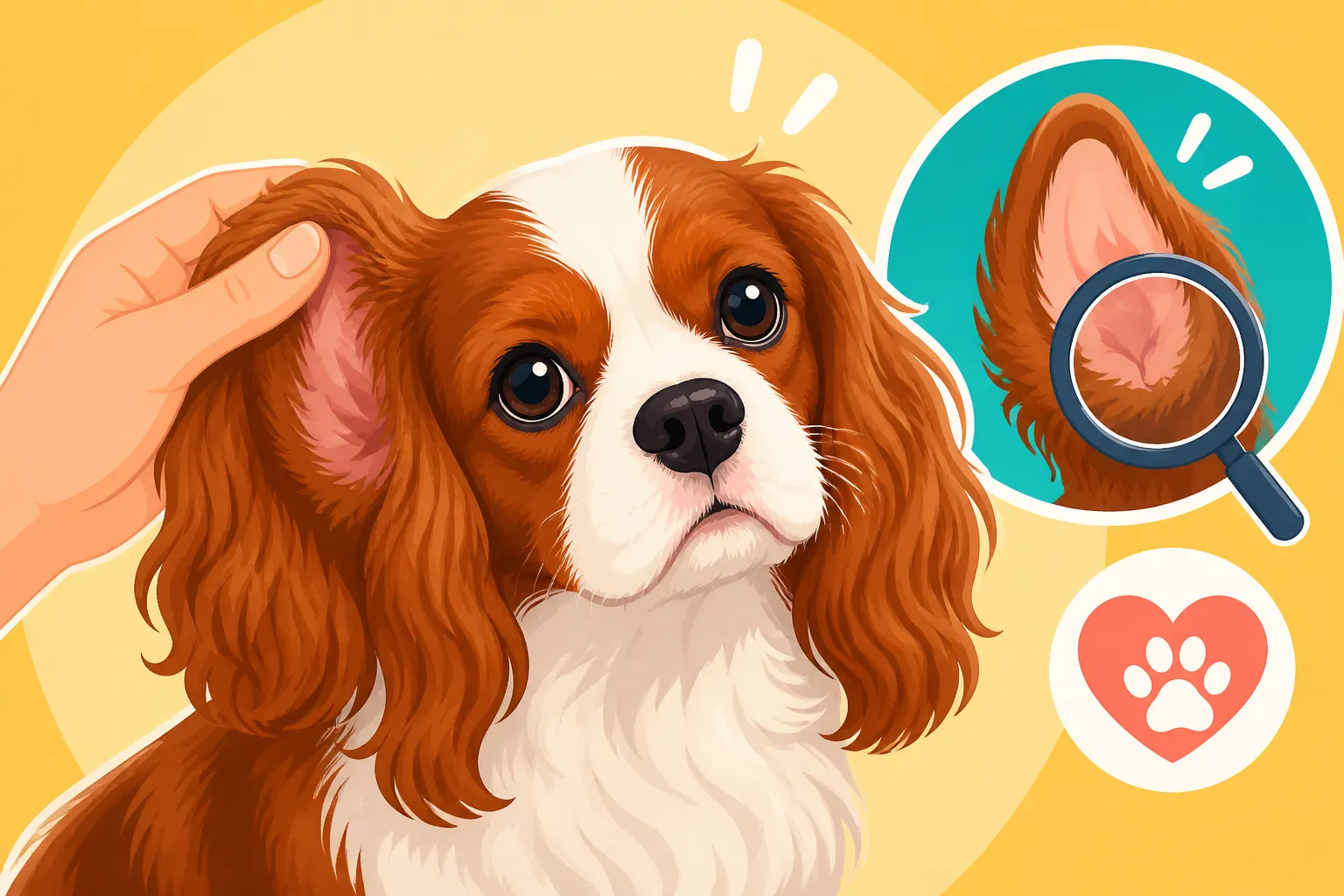
For most Cavaliers, a quick, daily visual inspection is your best first line of defense. This doesn't need to be a formal examination. It can be as simple as gently lifting their ear flaps when you're petting them, cuddling on the sofa, or giving them a morning scratch. Turn this into a pleasant experience for your dog from puppyhood by offering a small, tasty treat while you do it. This routine makes it a positive interaction and less of a chore.
What are you looking for during these brief checks? You're essentially scanning for anything obviously "off" at the opening of the ear canal. Look for any redness or inflammation on the visible skin. Is there any discharge at the entrance of the canal, and if so, what color is it? Healthy ears should be clean, a pale pink color, and free from excessive wax or discharge. You should also gently feel the base of their ears. Does it feel unusually warm? Is there any swelling that wasn't there yesterday? Your hands are incredibly sensitive tools, and they can detect subtle changes in temperature or texture that your eyes might miss initially. If you notice your dog shaking their head more than usual, even without a visible issue, it's a cue to pay closer attention. Daily Ear Checks on a Cavalier can truly save you a lot of headache later on.
Weekly Thorough Examinations: Getting Into the Nitty-Gritty
While daily quick checks are crucial for catching immediate problems, a more thorough examination should be performed at least once a week. This is where you really get into the nitty-gritty of your Cavalier's ear health.
Find a quiet, well-lit space where your dog is comfortable, perhaps lying on your lap or on a grooming table. Gently lift one ear flap all the way up and back, exposing the entrance to the ear canal. Look closely at the skin lining the canal. Is it still a healthy pale pink? Or does it look red, swollen, or irritated? Are there any small scabs or crusts? Now, take a sniff. Yes, you heard me right, a gentle sniff is important! Healthy ears should have a very faint, almost neutral smell. If you detect any strong odors—especially a yeasty, sweet, or foul smell—that's a big red flag indicating potential trouble. The Smell That Means a Cavalier Ear Infection is usually quite distinct.
At this point, you're not trying to clean deep inside the ear canal. Leave that to the vet. Your focus is on the visible parts. If you see some superficial debris or a small amount of dark, waxy discharge, you can use a cotton ball or a soft gauze pad lightly moistened with a veterinarian-approved ear cleaner to gently wipe the outer ear flap and the visible folds just inside the canal entrance. Never use cotton swabs (Q-tips) beyond the very outer visible parts of the ear, as they can push debris further into the L-shaped canal, potentially causing impaction or even damaging the eardrum. For effective and safe ear cleaning solutions, you can often find a good selection of Ear Cleaner Worth Using on a Cavalier on reputable pet supply sites like Chewy or Amazon. Remember, the goal of cleaning is to remove excess debris and keep the ear environment healthy, not to probe or irrigate deep into the canal unless specifically instructed by your vet. For a more detailed guide on the process, refer to Cleaning a Cavalier's Ear the Right Way.
Adjusting Your Routine for Individual Needs
While daily visual checks and weekly thorough examinations are good general guidelines, your Cavalier's individual needs might require adjustments. Just like us, every dog is unique, and some are simply more prone to ear issues than others.
Consider your dog's age and health history. A young puppy who hasn't fully developed their immune system or an older Cavalier with existing health conditions might need more frequent monitoring. If your Cavalier has a history of recurrent ear infections, for instance, your vet might recommend checking and possibly cleaning their ears more often, perhaps twice a week, or even daily during allergy season. Environmental factors also play a huge role. If your Cavalier loves to swim, or if you live in a humid climate, moisture trapped in those ears becomes an even greater concern. After any bath or swim, it's absolutely crucial to dry their ears thoroughly. Drying a Cavalier's Ears After a Bath is a vital step to prevent that "wet greenhouse" effect we discussed earlier.
It's about finding a rhythm that works for both you and your dog, always erring on the side of caution. If you notice any changes, no matter how subtle, increase the frequency of your checks until you understand what's going on.
What to Look and Listen For: Spotting Trouble Early
Being proactive means knowing what to look for. It's not enough to simply glance at your Cavalier's ears; you need to understand the tell-tale signs that indicate a problem is brewing. These signs can be visual, olfactory (smell), or behavioral, and catching them early can save your dog from significant pain and discomfort, and you from potentially higher vet bills.
Key Visual Warning Signs
When you're doing your daily or weekly ear checks, keep a keen eye out for the following visual cues:
- Redness or Inflammation: The skin lining the ear flap and visible parts of the ear canal should be a healthy, pale pink. If it appears red, angry, or inflamed, it's a sign of irritation or infection.
- Discharge: Healthy ears should have minimal, light brown wax. Any other type of discharge is concerning.
- Dark, waxy, or crumbly discharge: This can indicate a yeast infection or, less commonly in adult dogs, ear mites.
- Yellowish or greenish pus: This is a strong indicator of a bacterial infection.
- Bloody discharge: This is serious and needs immediate veterinary attention, as it could mean trauma or a severe infection.
- Strong Odor: As mentioned earlier, a healthy ear has very little smell. If you detect a pungent, sweet, yeasty, or foul odor, it's almost certainly a sign of infection. The Smell That Means a Cavalier Ear Infection is one of the most reliable indicators of trouble brewing inside those floppy ears.
- Crusts, Scabs, or Hair Loss: Look for any crusty build-up around the ear canal opening, scabs on the inner ear flap, or even thinning hair around the ear base. These can be signs of intense scratching, allergic reactions, or secondary skin infections.
- Swelling: Any visible swelling of the ear flap or around the ear canal itself is a red flag. This can sometimes indicate an aural hematoma (a blood blister) from excessive head shaking or scratching, or a deep infection.
Behavioral Cues Your Cavalier Is Uncomfortable
Our Cavaliers are masters of subtle communication, and they'll often tell us something is wrong with their behavior long before we see a clear visual sign. Pay close attention to these behavioral changes:
- Excessive Head Shaking or Tilting: This is perhaps one of the most obvious signs that something is bothering your Cavalier's ears. A normal dog might shake their head occasionally, but if it becomes frequent, vigorous, or persistent, it's a strong indicator of irritation. A Cavalier That Shakes Its Head Constantly is almost certainly trying to dislodge something or alleviate discomfort.
- Paw Scratching at the Ear: If your Cavalier is constantly pawing at one or both ears, digging at them with their back paws, or rubbing their face along the carpet or furniture, they're attempting to relieve an itch or pain.
- Sensitivity or Pain When Touched: Watch your dog's reaction when you gently touch their ears. Do they flinch, pull away, whine, or even snap? This increased sensitivity is a clear sign of pain or discomfort.
- Rubbing Ears on Furniture/Carpet: Similar to scratching, rubbing their head along surfaces is another way they try to alleviate an itch or irritation.
- Whining, Lethargy, or Loss of Appetite: In more severe cases, or if the infection is particularly painful, your Cavalier might show more generalized signs of illness, such as being withdrawn, less playful, whining, or even refusing to eat their regular meals.
When to Seek Veterinary Help
Knowing when to call the vet is crucial. While daily checks and gentle cleaning are part of routine care, you should always consult your veterinarian if you notice any of the following:
- Persistent symptoms: If redness, discharge, or odor continues for more than a day or two, despite your gentle cleaning efforts.
- Worsening condition: If any of the signs you observed seem to be getting worse, not better.
- Pain or swelling: If your dog shows clear signs of pain when their ear is touched, or if there's any visible swelling.
- Systemic signs: If your Cavalier also seems unwell, is lethargic, or has a fever.
- Unknown cause: If you're unsure what's causing the issue, it's always best to get a professional diagnosis.
Delaying veterinary care for ear infections can lead to more severe problems, including deeper infections, damage to the eardrum, chronic ear disease, and even hearing loss. Early intervention is key to a quick and successful recovery.
Here's a handy checklist to help you decide:
| Sign / Symptom | Healthy Ear | Cause for Concern | Action |
|---|---|---|---|
| Appearance | Pale pink, minimal light brown wax | Redness, swelling, excessive dark wax, colored discharge | Vet visit needed |
| Smell | Faint, neutral | Strong, sweet, yeasty, or foul odor | Vet visit needed |
| Discharge | None or trace of light brown wax | Dark waxy, yellowish, greenish, or bloody discharge | Vet visit needed |
| Behavior | No scratching, head shaking | Frequent head shaking, pawing, rubbing, yelping when touched | Monitor closely; if persistent, vet visit needed |
| Pain/Sensitivity | Tolerates ear handling | Flitches, cries, or resists ear examination | Immediate vet visit needed |
| General Health | Energetic, good appetite | Lethargy, loss of appetite, changes in mood | Vet visit needed |
Proactive Care: Beyond the Check-Up
Ear checks are absolutely foundational, but they're just one piece of the puzzle when it comes to maintaining optimal ear health for your Cavalier. Truly proactive care involves a multi-faceted approach that considers diet, grooming, and the right products, all aimed at creating an environment where those pesky ear problems are less likely to take hold. It's about taking that extra step to ensure those lovely, floppy ears stay as healthy as possible.
The Role of Diet and Allergies in Ear Health
It might sound strange, but what goes into your Cavalier's belly can have a profound impact on the health of their ears. One of the most common underlying causes of recurrent ear infections in Cavaliers is allergies. Just like in people, allergies in dogs can be triggered by environmental factors (pollen, dust mites, mold) or by ingredients in their food. When a dog has allergies, their immune system overreacts, leading to inflammation and itchiness. This often manifests on the skin, and the ears are a particularly vulnerable area, becoming red, itchy, and prone to secondary infections. Whether Cavalier Ear Infections Are Allergic is a question many owners ponder, and the answer is often a resounding yes.
If your Cavalier is battling chronic ear issues, it's worth discussing with your vet whether a dietary change could help. They might suggest a prescription hypoallergenic diet or an elimination diet to identify potential food sensitivities. Many specialized diets are available that focus on limited ingredients or hydrolyzed proteins to reduce allergic reactions. High-quality dog food brands and tailored nutrition services, like those offered by Ollie, can be excellent resources for finding suitable options that cater to sensitive dogs. You can also explore options on Chewy for a wide range of sensitive stomach or allergy-friendly foods. Addressing the root cause of allergies through diet can dramatically reduce the frequency and severity of ear infections, making your Cavalier much more comfortable.
Grooming Practices to Support Ear Health
The luxurious feathering on a Cavalier's ears is a hallmark of the breed, but it also demands specific grooming attention to prevent problems. While you don't want to shave those beautiful locks, keeping the hair around and inside the ear opening tidy is crucial.
- Tidying Ear Feathering: Regular brushing of the ear feathering helps prevent mats, which can further impede airflow and trap moisture. When you're brushing your Cavalier's coat Brushing a Cavalier's Feathering Three Times a Week, make sure to give extra attention to the ears. If the hair directly around the ear canal opening becomes excessively long and dense, it can be carefully trimmed by a professional groomer or your vet to allow for better ventilation. However, be cautious about trimming too much hair from the inside of the ear canal unless specifically advised, as the hair can actually help collect debris. Your groomer can provide guidance on this balance, which is a key part of Cavalier Ear Care Under a Heavy Drop Ear.
- The Power of Snoods: For Cavaliers, snoods are not just a fashion statement; they're a practical tool! These fabric tubes fit over your dog's head, holding their long ears up and out of their food and water bowls. This prevents the ears from getting wet, soiled, and potentially contaminated with food particles, all of which contribute to an unhealthy ear environment. You can easily find various styles of Snoods That Keep Cavalier Ears Out of Dinner on Amazon, perfect for meal times.
- Bathing and Drying Techniques: When bathing your Cavalier, always protect their ears from getting water inside the canal. You can gently place large cotton balls just inside the ear opening (making sure not to push them deep down) to act as a barrier. After the bath, remove the cotton balls immediately and ensure the ears are thoroughly dried. Use a towel to absorb as much moisture as possible, gently squeezing the ear leather, and you can even use a low-setting, cool hairdryer, held at a safe distance, to ensure all moisture is gone, especially under those heavy ear flaps. As mentioned, Drying a Cavalier's Ears After a Bath is a critical step.
Essential Products for Cavalier Ear Maintenance
Having the right tools on hand makes your ear care routine much more effective and less stressful for both you and your Cavalier.
- Veterinarian-Approved Ear Cleaner: This is your primary product for routine cleaning. Always choose a cleaner specifically formulated for dogs, preferably one recommended by your vet. These cleaners typically have a pH balanced for canine ears and often contain drying agents to help prevent moisture buildup. You can find excellent options, many of which are considered Ear Cleaner Worth Using on a Cavalier, on pet supply websites like Chewy.
- Soft Cotton Balls or Pads: These are indispensable for wiping the visible parts of the ear. Avoid harsh materials.
- Gauze Pads or Pet Wipes: Similar to cotton balls, these are great for gently wiping away debris from the outer ear and folds. Ensure any wipes are alcohol-free and specifically designed for pets.
- Good Lighting: A headlamp or a well-lit room will make it much easier to see clearly into the ear, helping you spot subtle changes.
By integrating these proactive measures into your Cavalier's care regimen, you're not just reacting to problems; you're actively preventing them. This comprehensive approach to ear health will help ensure your Cavalier enjoys a comfortable, happy life with those beautiful, healthy ears.
Disclaimer
This article is for general informational purposes only and does not constitute professional advice. Laws, prices and regulations vary by location and change over time. Consult a qualified professional for guidance on your specific situation.