What a Healthy Cavalier Ear Looks Like
Oh, those gorgeous, velvety Cavalier ears! They’re one of the breed’s most endearing features, perfectly framing their sweet faces. But as any Cavalier parent knows, beneath that lovely cascade of fur lies a potential hotspot for irritation and infection. It's easy to get overwhelmed trying to figure out if your dog's ear is truly healthy, especially with all that long feathering hiding things. This guide is dedicated to helping you recognize the signs of a perfectly healthy Cavalier ear, so you can spot any deviation quickly and keep your beloved companion comfortable.
The Picture of a Pristine Cavalier Ear: What "Normal" Really Means
When you have a dog breed famous for ear issues, knowing what a truly healthy ear looks, feels, and even smells like is your first line of defense. It's not just about looking at the ear; it's about a complete sensory check.
External Appearance: Beyond the Feathering
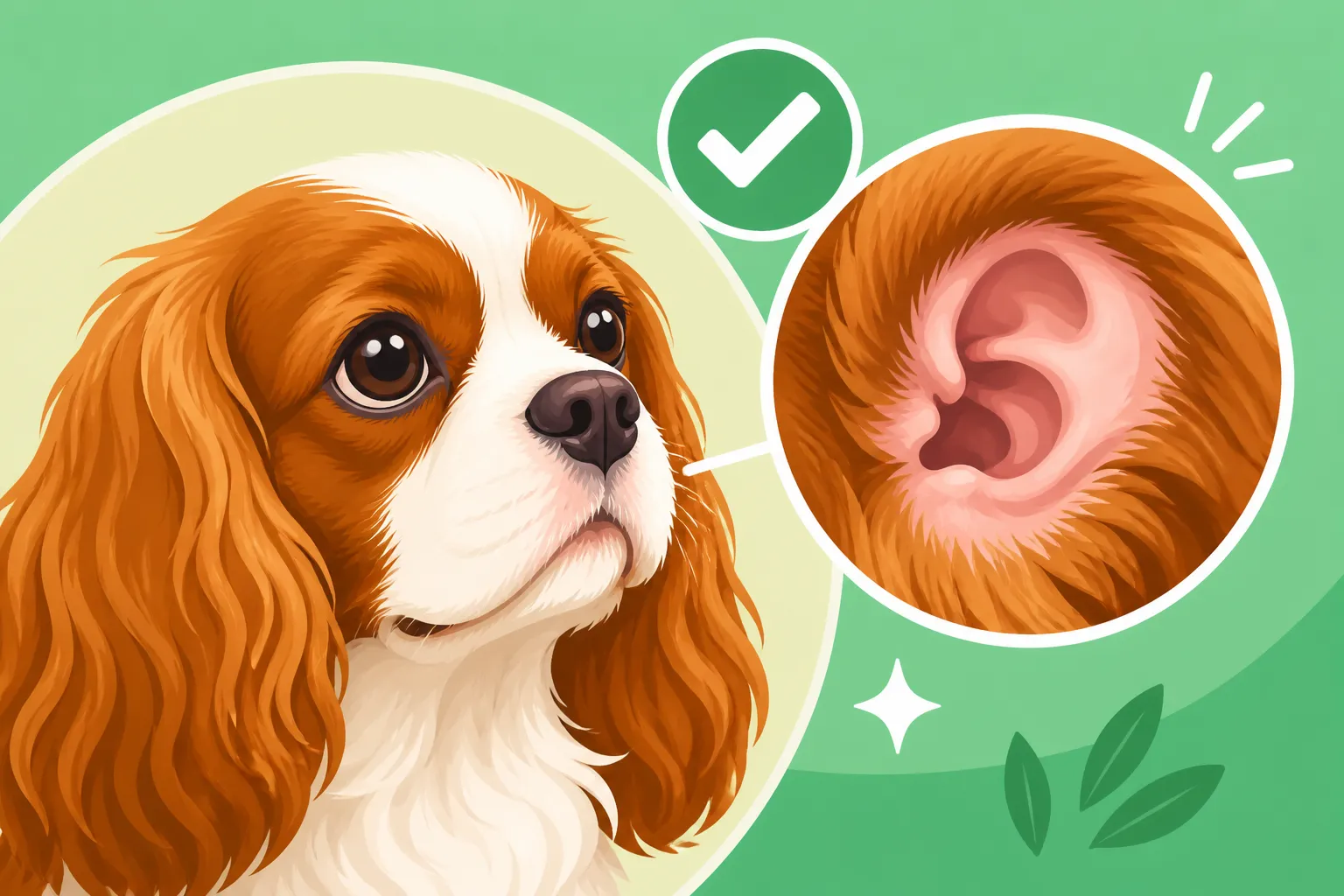
First impressions count, even for ears! A healthy Cavalier ear, from the outside, should be free of any obvious discharge or crust. The skin on the ear flap itself, called the pinna, should be smooth and intact, without any scabs, scratches, or bites. You shouldn't see any hair loss on the ear flap or any discoloration of the skin beneath the fur. The ear leather should feel pliable and soft, not thickened or hot to the touch. It should sit naturally against the head, symmetrical with the other ear. Any signs of swelling, either on the flap or at the base of the ear where it meets the skull, are immediate red flags.
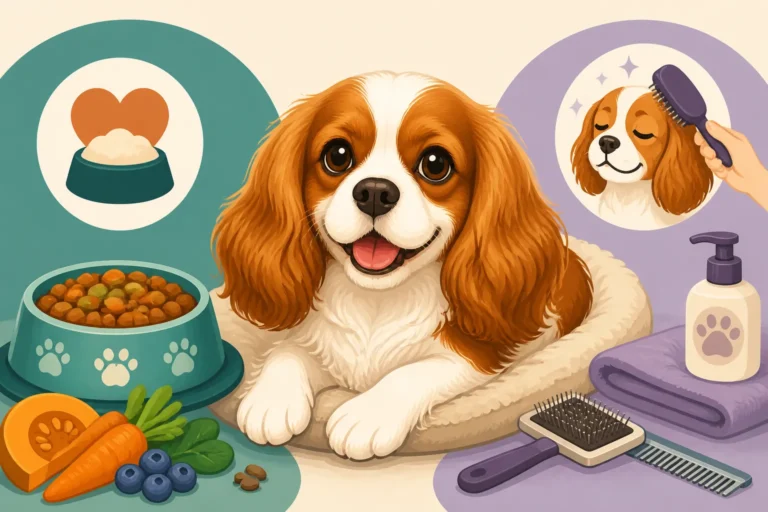
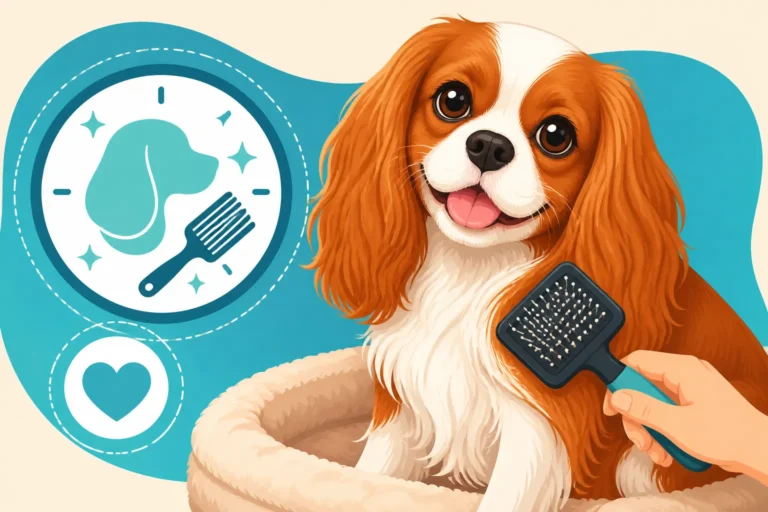
Beneath the long, flowing feathering that Cavaliers are famous for, the skin should be a light, healthy pink color, similar to the skin on their belly or inside their mouth. It shouldn't be angry red, purplish, or unusually pale. The hair itself should be clean, soft, and tangle-free. Mats around the ear canal entrance or behind the ear flap can trap moisture and debris, creating a breeding ground for problems. This is why regular grooming and brushing, especially in these areas, is crucial. You might find great detangling sprays and combs for this on sites like Chewy or Amazon.
Internal Canal: A Clear Path to Health
This is where many owners hesitate, but looking inside the ear canal is vital. Gently lift your Cavalier's ear flap. The opening of the ear canal should be clear and wide, not swollen or narrowed. You should see a clean, light pink lining, much like the inside of your own mouth. There might be a very small amount of light brown or yellowish waxy discharge – this is completely normal and healthy, a natural part of the ear's self-cleaning process. This wax should not be excessive, dark, or have a strong odor.
A healthy ear canal shouldn't contain any visible foreign objects like grass seeds, which can be a real problem for dogs with long, floppy ears that sweep the ground. The skin lining the canal should be smooth and free of pustules, pimples, or scaly patches. It also shouldn't be greasy or excessively moist. When you peer inside, you want to see a clear, open path without any noticeable blockages or redness deep within. This quick visual check takes mere seconds but gives you invaluable information about your dog's ear health.
The Smell and Feel of Normal Ears
Believe it or not, healthy Cavalier ears actually have a very faint, neutral smell. Some might describe it as slightly "yeasty" in a mild, natural way, but it should never be strong, pungent, sweet, or foul. If you notice a distinct odor that makes you wrinkle your nose, that's usually one of the earliest signs of an impending ear infection. It's often compared to old socks or a very strong, unpleasant sweetness. Trust your nose on this one; it's an excellent detector for ear issues.
When you gently handle your Cavalier's ears, they should feel cool to the touch, not hot or inflamed. Your dog should also not react negatively to having their ears touched, lifted, or gently manipulated. They might lean into your touch if they enjoy it, or simply tolerate it calmly. Any flinching, pulling away, whining, or sudden head shaking when you touch their ears is a strong indicator of pain or discomfort. It means something is definitely bothering them, even if you can't visually see it yet. This sensitivity is often one of the first clues you'll get that something is brewing, even before you notice The Smell That Means a Cavalier Ear Infection.
Why Cavalier Ears Are So Susceptible to Problems
Understanding the unique features of a Cavalier's ear anatomy and lifestyle helps explain why they often end up with ear trouble. It’s not a failing on your part; it's often the luck of the draw for this beloved breed.
The Anatomy: Floppy Ears and Narrow Canals
The most obvious factor is their glorious, long, floppy ears. Unlike dogs with pricked ears that allow for excellent air circulation, a Cavalier's ears hang down, effectively sealing off the ear canal. This creates a warm, moist environment – the perfect breeding ground for bacteria and yeast. When moisture gets trapped inside, whether from bathing, swimming, or even just humidity in the air, it struggles to evaporate. This constant dampness softens the delicate skin lining the ear canal, making it more vulnerable to infection. It’s a bit like living in a rainforest down there for bacteria!
Beyond the external flap, the internal structure of a Cavalier's ear canal can also be a contributing factor. Many Cavaliers have ear canals that are narrower or more winding than some other breeds. This tight, convoluted space makes it difficult for air to circulate and for natural debris or minor infections to clear out on their own. It also means that when an infection does take hold, topical medications might struggle to reach all affected areas, making treatment more challenging and recurrence more likely. This combination of floppy ears and a potentially tight canal is a recipe for Recurrent Ear Infections in a Cavalier.
Feathering and Lifestyle Factors
That beautiful, silky feathering isn't just a beauty asset; it's also a potential liability for ear health. The long hair around the ear canal opening and on the ear flap itself can trap even more moisture, dirt, and debris. Pollen, dust, and even tiny bugs can get caught in the dense fur, slowly working their way into the ear canal. If this feathering isn't regularly brushed and kept free of mats, it exacerbates the issue by further blocking air circulation and creating pockets where moisture and grime can accumulate.
Furthermore, Cavaliers are often quite active, enjoying walks in parks, sniffing around in bushes, and sometimes even a splash in a puddle. All these activities expose their low-hanging ears to various environmental elements. Grass seeds, plant awns, and other foreign bodies can easily become lodged in the ear canal, causing immense irritation and often leading to severe infections. Even something as simple as a windy day can blow dust and allergens into their ears, triggering an inflammatory response that predisposes them to secondary infections. It's a constant battle against gravity and nature for those lovely ears!
Daily Checks and Smart Care: Your Best Defense
Being proactive is the absolute best way to prevent ear issues in your Cavalier. Incorporating ear checks into your daily routine and establishing good hygiene habits can make a world of difference.
The Power of Routine Ear Checks
Making ear checks a part of your daily cuddle or grooming routine is simple and incredibly effective. Just a few seconds can tell you a lot. Gently lift each ear flap, sniff the opening, and quickly glance inside. Look for any redness, swelling, discharge, or any unpleasant odor. Feel the base of the ear for warmth. If your Cavalier typically loves ear rubs but suddenly flinches or pulls away, pay close attention. How Often to Check a Cavalier's Ears really can't be stressed enough – daily is ideal, but every other day is a good minimum.
This routine not only helps you catch problems early but also gets your Cavalier accustomed to having their ears handled. This makes future cleaning or veterinary examinations much less stressful for both of you. Positive reinforcement, like a small treat after a quick ear check, can turn it into a pleasant experience rather than a dreaded chore. Remember, catching an infection when it's just starting as a mild irritation is far easier and less costly to treat than dealing with a full-blown, painful condition. Early intervention can prevent minor issues from becoming debilitating problems like Glue Ear in a Cavalier and How It Is Found.
Proper Cleaning Techniques and Tools
Regular, gentle cleaning is paramount, but how you clean is just as important as how often. Never use cotton swabs (Q-tips) deep inside the ear canal, as these can push debris further down, compact wax, and even damage the delicate eardrum. Instead, use a veterinarian-approved ear cleaning solution designed for dogs. You can find excellent options on online pet supply retailers like Chewy or Amazon. Apply the cleaner directly into the ear canal, filling it up. Then, gently massage the base of your Cavalier's ear for about 30 seconds. You'll likely hear a squishing sound as the cleaner loosens debris.
After massaging, allow your Cavalier to shake their head – this helps to dislodge and bring up the gunk. Finally, use a soft cotton ball or a clean cloth wrapped around your finger to gently wipe away any visible discharge or debris from the outer ear canal opening and the inside of the ear flap. Never force anything into the ear. Cleaning a Cavalier's Ear the Right Way is about being thorough yet gentle. The goal is to clean, not to irritate. After baths or swimming, always ensure their ears are thoroughly dried. Drying a Cavalier's Ears After a Bath is a non-negotiable step to prevent moisture trapping.
Preventative Measures and Lifestyle Adjustments
Beyond routine checks and cleaning, there are several preventative measures you can take. If your Cavalier loves to swim, consider applying a few drops of an ear-drying solution after they exit the water to help prevent infections. During mealtimes, especially with wet food, consider using a snood – a soft fabric tube that slips over your Cavalier’s head to keep their long ears out of their food and water bowls. This prevents food particles and moisture from clinging to their feathering and wicking into their ears. Snoods That Keep Cavalier Ears Out of Dinner are truly a game-changer for many Cavalier owners!
Regular grooming is also a crucial preventative step. Keep the feathering around the ear canal opening trimmed short enough to allow air circulation but not so short that it irritates the skin. If your Cavalier suffers from allergies, whether environmental or food-related, addressing these underlying conditions with your vet can significantly reduce ear inflammation and subsequent infections. Allergies are a very common cause of Yeast Under a Cavalier's Ear Flap and recurrent issues.
Red Flags: When to Worry About Your Cavalier's Ears
Even with the best preventative care, Cavaliers can still develop ear problems. Knowing the early warning signs that an ear isn't healthy is critical for prompt veterinary attention.
Early Warning Signs of Trouble
The first indicators of an unhealthy ear are often subtle. You might notice your Cavalier shaking their head more frequently than usual, or perhaps pawing at one ear. They might tilt their head to one side more often, or rub their ear along the carpet or furniture. Subtle changes in behavior, like being a bit more withdrawn or irritable, can also be a sign of discomfort, as ear infections can be quite painful. When you perform your daily checks, you might detect a slight increase in redness inside the ear flap, or a faint, unusual odor that wasn't there before.
Increased sensitivity when you touch their ears is another significant sign. If they usually tolerate ear handling but now flinch or pull away, something is causing them pain. Also, look closely at their ear discharge. While a small amount of light wax is normal, any increase in volume, a change in color (to dark brown, black, yellow, or green), or a change in consistency (more watery, pasty, or pus-like) warrants concern. Even if there's no strong smell yet, a change in discharge is a clear sign that the ear's delicate ecosystem is out of balance. This might be the first clue before you see full-blown symptoms of Cavalier Ear Infections and Why They Recur.
When to Call the Vet: Don't Delay
If you notice any of the red flags mentioned, it's time to contact your veterinarian. Don't try to self-diagnose or treat with home remedies, as this can often make the problem worse or mask underlying issues. A vet visit is essential for proper diagnosis and treatment. They can examine the ear canal thoroughly using an otoscope, identify the specific type of infection (bacterial, yeast, or mixed), and check for foreign bodies or other structural problems. They can also take a swab of the discharge for cytology, which allows them to see exactly what microorganisms are present and choose the most effective medication.
Delaying treatment can lead to more severe and chronic conditions, including deep-seated infections that are much harder to clear, or even permanent damage to the eardrum or inner ear. Chronic ear infections can also lead to a condition where the ear canal itself thickens and narrows, making future infections almost inevitable. In some cases, severe infections can cause painful hematomas (blood blisters) on the ear flap from excessive head shaking. Your vet can provide appropriate ear drops, oral medications, or even discuss advanced diagnostics if the problem is recurrent or severe.
| Feature | Healthy Cavalier Ear | Unhealthy Cavalier Ear |
|---|---|---|
| External Pinna | Smooth, soft, intact skin, light pink beneath fur. | Red, scabby, thickened, hot, painful to touch, hair loss. |
| Ear Canal Opening | Clear, wide, light pink lining. | Swollen, narrowed, angry red, pustules. |
| Discharge | Minimal, light yellow/brown wax, neutral odor. | Excessive, dark brown/black, yellow/green pus-like; foul/sweet odor. |
| Smell | Neutral, very faint. | Strong, pungent, yeasty, sweet, or foul. |
| Temperature | Cool to touch. | Warm or hot. |
| Behavior | Tolerates handling, no head shaking/pawing. | Head shaking, pawing, rubbing, painful on touch, irritable. |
| Feathering | Clean, dry, tangle-free around canal. | Matted, dirty, moist feathering near canal. |
Disclaimer
This article is for general informational purposes only and does not constitute professional advice. Laws, prices and regulations vary by location and change over time. Consult a qualified professional for guidance on your specific situation.