A Cavalier That Shakes Its Head Constantly
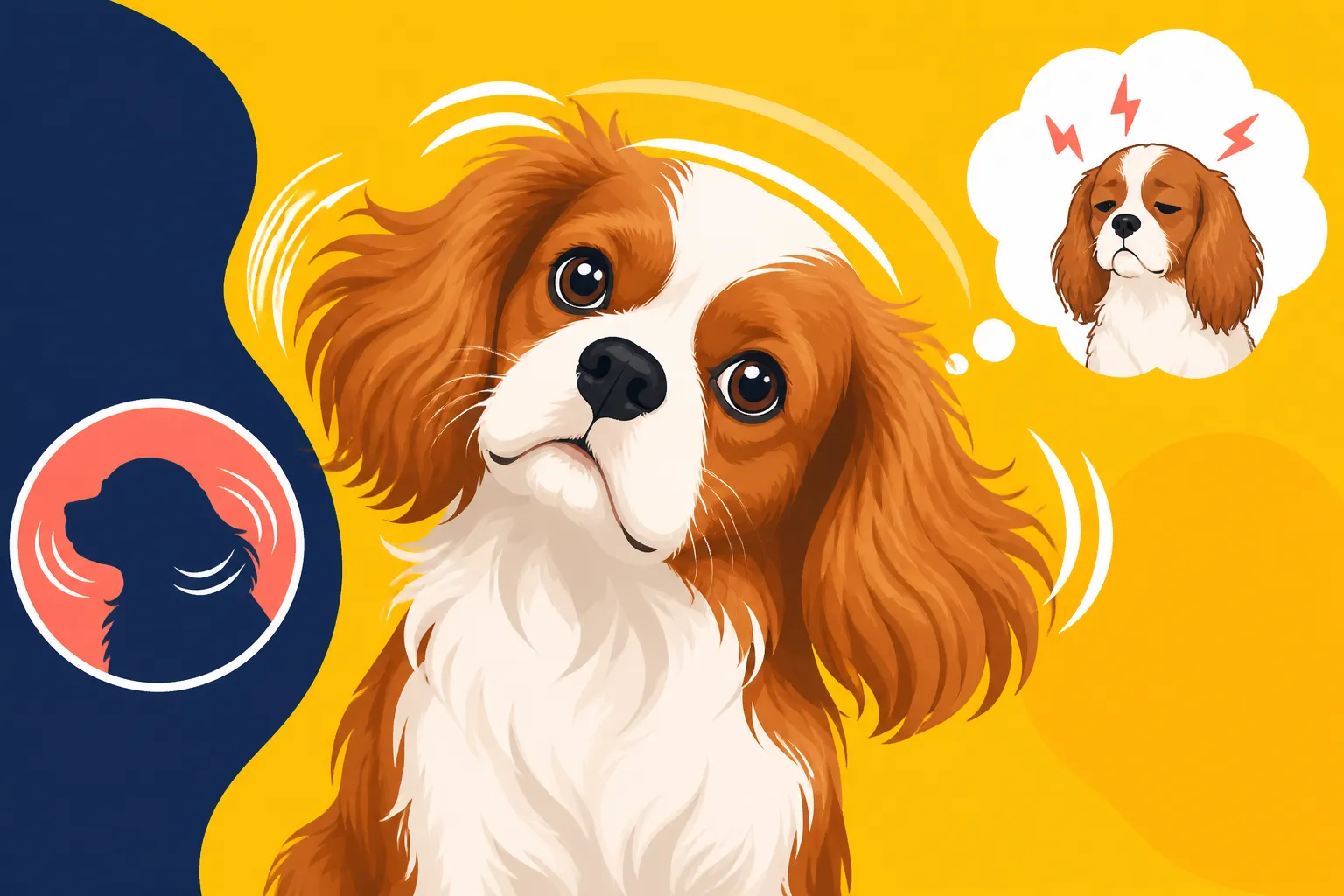
It's incredibly unsettling when your sweet Cavalier King Charles Spaniel starts shaking its head constantly. One moment they're curled up peacefully, and the next, they're violently flapping their ears, scratching frantically, or rubbing their head against the furniture. This sudden change in behavior can make any devoted Cavalier parent anxious, wondering what pain or irritation their beloved companion is experiencing. This guide is here to walk you through the common reasons behind constant head shaking, what you can do at home, and when it’s absolutely crucial to get veterinary help to bring relief to your furry friend.
The Alarming Signs: Why Your Cavalier Is Shaking Its Head
A Cavalier that shakes its head incessantly isn't doing it for fun; it's a clear signal that something is amiss. Their sensitive ears and adorable, floppy conformation, while characteristic of the breed, can also make them particularly susceptible to certain issues. Understanding the underlying causes is the first step toward getting your Cavalier comfortable again.
The All-Too-Common Culprit: Ear Infections
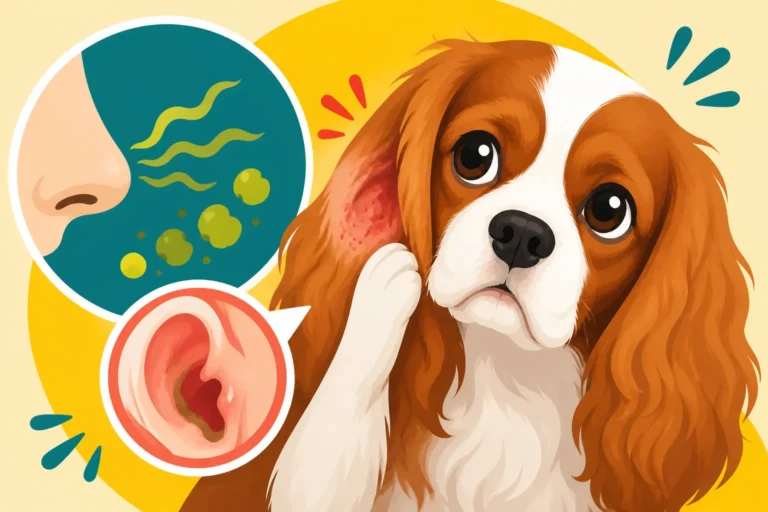
When a Cavalier's head shaking becomes persistent, an ear infection is often the very first thing that comes to mind for most owners, and for good reason. Their beautiful, long drop ears, while charming, create a warm, moist, and poorly ventilated environment perfect for bacteria and yeast to thrive. It’s like a tiny, cozy greenhouse for microscopic organisms, making Cavaliers prone to these uncomfortable ailments.
You might notice more than just the shaking. Your Cavalier might also be pawing at their ears, rubbing them on the carpet, or crying out when you gently touch their ear flap. There could be a noticeable foul odor emanating from the ear canal – a smell that often screams "infection!" – or you might see discharge ranging from waxy and brown to yellowish and pus-like. The inner flap of the ear might appear red, inflamed, or even swollen. Sometimes, the shaking is so vigorous it can cause tiny blood vessels in the ear flap to rupture, leading to a hematoma, which looks like a swollen, fluid-filled pocket on the ear. This is painful and needs immediate attention. If you've ever dealt with a dog ear infection before, you know how quickly they can escalate and how much discomfort they cause. This breed, in particular, seems to have a recurring battle with them. If you suspect an infection, don't delay in seeking veterinary care, as untreated infections can lead to more serious problems, even affecting hearing over time. You can learn more about how these infections tend to recur in this breed by reading Cavalier Ear Infections and Why They Recur.
Beyond Infection: Allergies and Irritants
While infections are primary suspects, they often have a root cause, and allergies are a huge one for many Cavaliers. Just like people can get itchy skin or runny noses from allergies, dogs can develop skin inflammation and ear irritation. For Cavaliers, the ears are a common target for allergic reactions, often presenting as redness, itchiness, and yes, head shaking.
These allergies can be environmental, meaning your Cavalier is reacting to pollen, dust mites, or certain grasses they encounter on walks. Or, they might be food-related, a reaction to specific proteins or ingredients in their diet. When an allergy flares up, the skin lining the ear canal becomes inflamed and itchy, leading to that tell-tale head shaking. Sometimes, allergies can lead to secondary yeast or bacterial infections because the irritated skin provides an easy entry point. Beyond the ears, you might notice other signs like licking paws, generalized itchiness, or skin rashes elsewhere on their body. A true deep dive into what might be causing these sensitivities can involve diet trials or even working with a veterinary dermatologist. Products for sensitive skin or hypoallergenic treats can sometimes be found easily on platforms like Chewy or Amazon, but always consult your vet before making major changes. It's often a complex puzzle to solve, but finding the right combination of management and medication can bring immense relief. For more on this, check out Skin Allergies in a Cavalier.
Less Obvious, More Serious: Foreign Bodies, Polyps, and Neurological Issues
Sometimes, the cause of persistent head shaking isn't as straightforward as an infection or allergy. There are other, less common but potentially more serious culprits that need to be considered.
One possibility is a foreign body lodged deep within the ear canal. Imagine a tiny grass seed, a tick, or even a small piece of debris that has worked its way down into the ear. These can cause intense irritation and pain, leading to relentless head shaking as your Cavalier desperately tries to dislodge it. Because the ear canal often makes a sharp turn, these objects can be nearly impossible for an owner to see or remove safely without pushing them in further. Any attempt to remove something yourself could cause more damage or push the object deeper, making a trip to the vet essential.
Another less common, but significant, cause can be ear polyps or tumors. These abnormal growths, while often benign, can grow inside the ear canal, causing irritation, blockages, and secondary infections, all of which trigger head shaking. They can be hard to spot without an otoscope, a specialized tool used by veterinarians.
Finally, we must consider neurological issues. While less common for just head shaking, certain conditions, particularly those affecting the brain or nerves, can manifest with head movements. Cavaliers are predisposed to certain neurological conditions like Syringomyelia (SM) and Chiari-like Malformation (CM), which affect the brain and spinal cord. While classic signs include phantom scratching or yelping when touched on the neck, in some cases, pain or abnormal sensations can lead to unusual head movements, head tilting, or discomfort that might be misinterpreted as ear irritation. This can be particularly confusing because the symptoms can overlap. If a vet rules out ear infections and allergies, and the head shaking persists or is accompanied by other neurological signs, a referral to a veterinary neurologist for imaging like an MRI might be necessary. This is a big concern for the breed, and it’s important to understand the distinctions, which you can read about in Telling Syringomyelia From a Cavalier Ear Infection and Syringomyelia and Chiari Malformation in Cavaliers.
Your First Steps: What to Do When Head Shaking Starts
When your Cavalier begins shaking their head, it's natural to feel a rush of concern. Knowing how to react calmly and effectively can make a big difference in how quickly your dog gets relief and how successful your vet's diagnosis will be.
Initial Home Check-Ups and Observations
Before you rush to the vet, a quick but careful home check can provide valuable information. First, gently lift your Cavalier's ear flap and take a good look inside. What do you see? Is there redness, swelling, or discharge? Does it smell yeasty or foul? Compare it to the other ear – is there a difference? Sometimes, you might even spot a foreign object, though it's important not to try and remove it yourself if it's deep or your dog is resistant.
Next, try to gently palpate around the base of the ear and along the neck. Does your Cavalier react with pain or discomfort? Do they yelp or pull away? This could indicate deep ear pain or even neck issues. Make a mental note (or better yet, a written one!) of all these observations. How long has the head shaking been going on? Is it constant or intermittent? Does it happen more after walks, after eating, or after swimming? Are there other symptoms, like rubbing, pawing, or a decreased appetite? All this information will be incredibly helpful to your veterinarian. Remember, while you're observing, resist the urge to vigorously clean the ear with cotton swabs or push anything into the canal. A gentle wipe of the outer ear with a clean cloth might be okay, but anything more could complicate the diagnostic process.
When to Head Straight to the Vet
While some mild, occasional head shaking might be benign, there are clear signs that warrant an immediate trip to the vet. If your Cavalier is shaking their head so violently that they're losing balance, crying out in pain, or developing a noticeable swelling on the ear flap (an aural hematoma), don't wait. These are urgent situations. An aural hematoma, for example, is extremely painful and often requires surgical intervention to drain and repair.
You should also seek prompt veterinary attention if the head shaking is accompanied by other concerning symptoms such as lethargy, loss of appetite, a significant change in behavior (like unusual aggression or withdrawal, which could indicate pain, as seen in A Cavalier That Yelps When Touched on the Neck), or if you notice any discharge that is green, yellow, or foul-smelling. If you have already tried over-the-counter ear cleaners or remedies without success, or if the problem has been ongoing for more than a day or two, it’s definitely time for a professional diagnosis. Waiting too long can allow an infection to become chronic, harder to treat, and potentially lead to permanent damage or hearing loss, which is a real concern in this breed Chronic Ear Disease and Cavalier Hearing Loss.
Preparing for a Thorough Veterinary Examination
When you head to the vet, come prepared. The more information you can provide, the easier it will be for them to pinpoint the problem. Bring your notes on symptoms, when they started, what you've observed, and any medications or home remedies you may have tried.
Your vet will likely start with a thorough physical examination, paying close attention to both ears. They will use an otoscope to look deep into the ear canal, checking for inflammation, discharge, foreign bodies, or growths. They might take a swab of any discharge for microscopic examination to identify bacteria, yeast, or ear mites. This simple test is crucial for determining the correct course of treatment, as different types of infections require different medications. In some cases, if the ear canal is too swollen or painful to properly examine, your vet might recommend sedation or even a deeper cleaning under anesthesia to get a clear view. Don't be surprised if they also check your Cavalier's teeth, skin, and lymph nodes, as many conditions can be interconnected. They might also discuss dietary changes or allergy testing if allergies are suspected. Being an informed and prepared owner helps your vet provide the best possible care for your Cavalier.
Here’s a quick overview of common causes and their signs:
| Cause | Common Symptoms | Typical Treatment |
|---|---|---|
| Bacterial Ear Infection | Redness, swelling, thick yellow/green discharge, foul odor, pain, head shaking | Antibiotic ear drops/oral antibiotics, ear cleaning |
| Yeast Ear Infection | Itchiness, waxy brown discharge, sweet/musty odor, redness, head shaking | Antifungal ear drops/oral medication, ear cleaning |
| Ear Mites | Intense itchiness, dark crumbly "coffee grounds" discharge, head shaking | Antiparasitic ear drops/topical treatments |
| Allergies | Red, itchy ears (often both), general skin itchiness, paw licking, head shaking | Identifying/avoiding allergen, antihistamines, steroids, specialized diet |
| Foreign Body | Sudden, severe head shaking (often one-sided), pawing at ear, pain, discharge | Sedation/anesthesia for removal |
| Aural Hematoma | Swollen, fluid-filled ear flap, severe pain, head shaking | Surgical drainage and repair |
Long-Term Strategies for Preventing Recurrence
Dealing with a Cavalier who constantly shakes their head is stressful for everyone involved. The good news is that many of the common causes, especially ear infections and allergies, can be managed and often prevented with proactive, consistent care.
Establishing a Robust Ear Care Routine
Given that Cavaliers are so prone to ear issues due to their charming drop ears, establishing a regular ear care routine is not just a good idea – it's essential. Think of it as preventative maintenance for their ear health. This typically involves checking their ears daily, especially after swimming or bathing, and cleaning them regularly with a vet-approved ear cleaner.
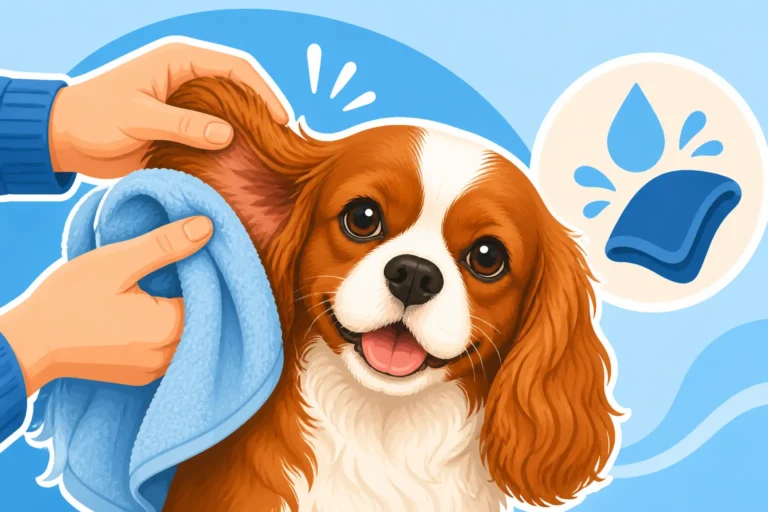
How often is "regularly"? It depends on your individual Cavalier, but for many, a gentle cleaning once a week or every two weeks can help prevent buildup of wax and debris that bacteria and yeast love to feed on. When cleaning, remember to use a solution specifically designed for dogs, like those you can find on Chewy or Amazon, and follow your vet's instructions. You want to gently massage the base of the ear to help loosen debris, then allow your Cavalier to shake their head to expel the cleaner and gunk. Finish by wiping the outer ear with a soft cotton ball or gauze. Never use cotton swabs inside the ear canal, as this can push debris deeper or damage delicate structures. Drying the ears thoroughly after baths or swims is also critical; a soft towel or even a low-setting hairdryer (held at a safe distance) can help. You can dive deeper into the proper technique by reading Cleaning a Cavalier's Ear the Right Way and Daily Ear Checks on a Cavalier. Some owners even use snoods during meal times to keep those long ears out of food and water, preventing them from getting dirty and wet, which is covered in Snoods That Keep Cavalier Ears Out of Dinner.
Dietary and Environmental Management for Allergies
If allergies are a significant contributor to your Cavalier's head shaking, then managing their diet and environment becomes paramount. For suspected food allergies, your vet might recommend an elimination diet trial. This involves feeding a novel protein or hydrolyzed protein diet (a food where the proteins are broken down so the immune system doesn't recognize them as allergens) for several weeks, then slowly reintroducing ingredients to see what triggers a reaction. This can be a long process, but it's often the most effective way to identify dietary culprits. Brands like Ollie offer fresh food options which some owners find beneficial for managing allergies, as the ingredients are typically less processed and clearer.
Environmental allergies, on the other hand, require a different approach. This might involve frequent bathing with hypoallergenic shampoos, wiping down paws and coats after outdoor excursions to remove pollen, using air purifiers in your home, and regularly washing your Cavalier's bedding. In some cases, your vet might prescribe medications, such as antihistamines, steroids, or newer targeted allergy drugs, to manage the immune response and reduce inflammation. Controlling both diet and environment helps to minimize flare-ups and keep those itchy ears (and the resulting head shaking) at bay.
Regular Health Checks and Proactive Measures
Beyond daily and weekly care, regular veterinary check-ups are your best defense against recurrent head shaking and other health issues. Your vet can perform thorough ear examinations, catch potential problems early, and recommend preventative measures tailored to your Cavalier's specific needs.
During these visits, discuss any changes in behavior, diet, or environment. If your Cavalier has a history of ear infections, your vet might suggest specific medicated ear cleansers or even discuss long-term maintenance strategies. Sometimes, simply having access to the right ear drops, like those covered in Getting Drops Into a Cavalier's Ear Canal, at the first sign of trouble can nip an infection in the bud before it escalates. They can also advise on any unusual symptoms that might point to more complex issues, like those that could indicate conditions such as Syringomyelia. Staying proactive and maintaining open communication with your vet is crucial for keeping your Cavalier happy, healthy, and free from constant head shaking. Early intervention is always better than trying to treat a chronic or advanced problem.
Disclaimer
This article is for general informational purposes only and does not constitute professional advice. Laws, prices and regulations vary by location and change over time. Consult a qualified professional for guidance on your specific situation.