A Cavalier That Yelps When Touched on the Neck
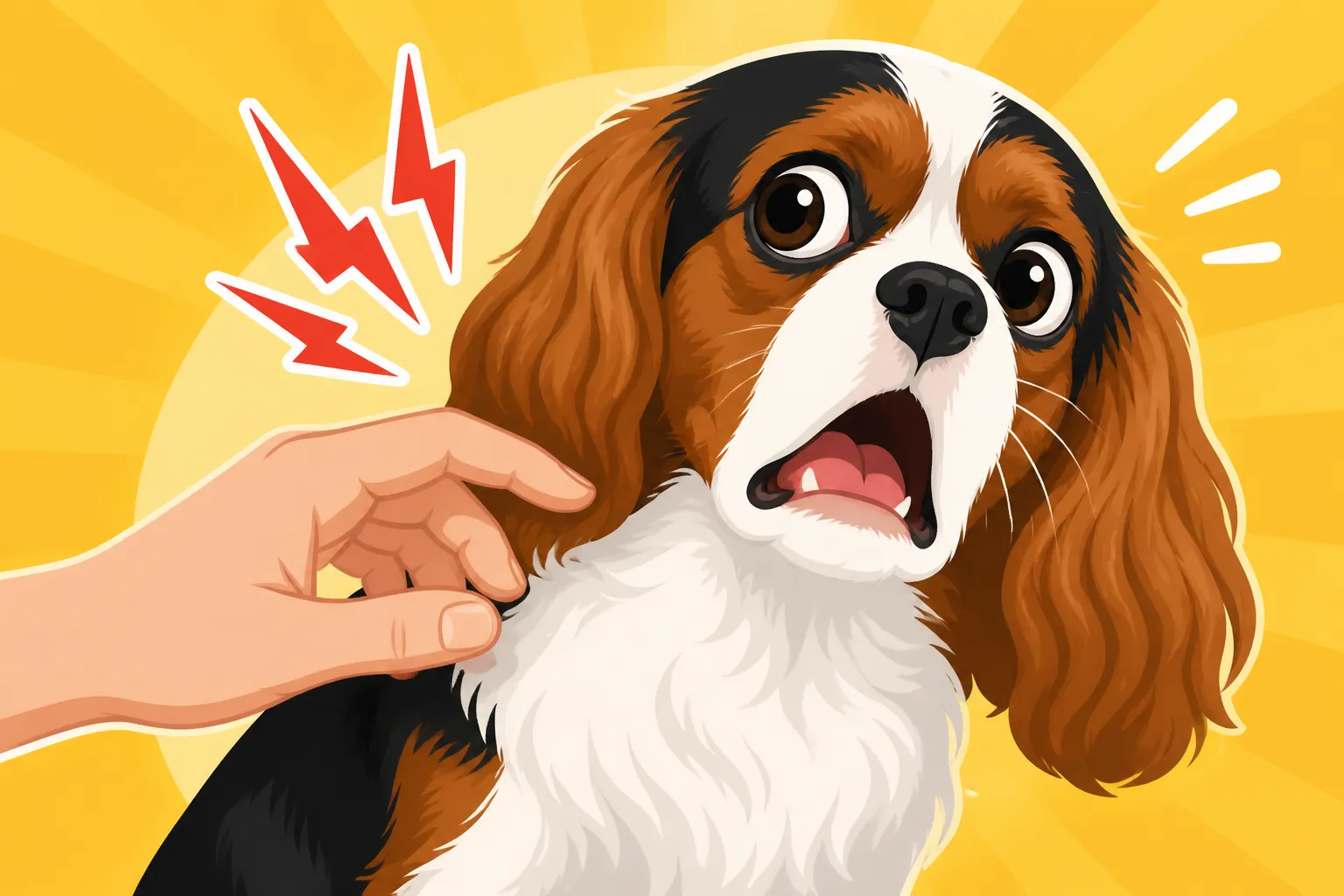
Hearing your beloved Cavalier yelp when you simply touch their neck is one of the most heartbreaking and alarming experiences a dog owner can face. It's a clear signal that something is deeply wrong, and the immediate worry about what could be causing such pain is overwhelming. This guide will walk you through the common causes of neck pain in Cavaliers, what immediate steps you should take, and how to work with your veterinarian for diagnosis and long-term management to ensure your furry friend's comfort and well-being.
Understanding the Potential Causes of Neck Pain in Cavaliers
When a Cavalier yelps from a neck touch, it's usually a definitive sign of pain. Cavaliers, sadly, are predisposed to certain conditions that manifest as neck discomfort. It's not always a simple pulled muscle; often, it can be something more complex and breed-specific. Pinpointing the exact cause is crucial for effective treatment, and understanding the possibilities can help you advocate for your dog at the vet.
Syringomyelia (SM): The Elephant in the Room
For Cavalier King Charles Spaniels, the first and most common concern that springs to mind when neck pain is mentioned is Syringomyelia (SM). This condition is a neurological nightmare for many Cavaliers, and it's caused by their skull being too small for their brain, specifically the cerebellum. This crowding at the back of the skull (known as Chiari-like Malformation or CM) obstructs the flow of cerebrospinal fluid (CSF). Over time, or sometimes very quickly, this disrupted flow can lead to fluid-filled cavities, called syrinxes, forming within the spinal cord itself, most commonly in the neck region.
Imagine having a constant, searing headache combined with nerve pain that radiates from your neck down your spine – that’s a glimpse into what SM can feel like for a Cavalier. The yelping when touched on the neck isn't just a reflex; it's an intense reaction to pressure on these sensitive syrinxes or surrounding nerve tissue. Some Cavaliers might show more subtle signs first, like Phantom Scratching in a Cavalier or reluctance to jump, but a sudden yelp from neck contact often signifies significant discomfort. The pain can range from mild tingling to excruciating, and it can be constant or intermittent. Even a gentle stroke can trigger an intense pain response, leaving you feeling helpless and heartbroken. This is why it's such a critical condition to consider immediately when you observe neck pain in your Cavalier. Syringomyelia and Chiari Malformation in Cavaliers is a deep dive into this complex issue.
Chiari-like Malformation (CM) Without Syringomyelia
It's important to understand that Chiari-like Malformation (CM) can cause pain all on its own, even if your Cavalier hasn't developed full-blown Syringomyelia, or if the syrinxes are very small and not yet causing severe nerve impingement. CM refers to the structural abnormality where the back part of the brain (cerebellum) is pushed through the opening at the base of the skull (foramen magnum). This crowding can lead to brain stem compression and alterations in CSF flow.
Even without a syrinx, this compression can cause headaches and significant sensitivity in the neck and head region. Think of it as constant pressure or a dull ache. The yelp from a neck touch in a Cavalier with CM but no SM might be due to this underlying structural compression, rather than direct syrinx pain. It’s a common misconception that CM is only a problem if SM is present. The truth is, What Chiari Malformation Does to a Cavalier Skull can lead to chronic discomfort, head pressing, or a reluctance to have their head or neck handled, even if the neurological signs of SM aren't yet apparent. This can be particularly frustrating because while an MRI might confirm CM, it might not show large syrinxes, leaving owners to wonder why their dog is still in pain.
Other Musculoskeletal Issues
While CM and SM are paramount concerns for Cavaliers, we can't overlook other musculoskeletal problems that can cause neck pain in any dog, including our beloved Cavaliers. These can sometimes mimic or even coexist with neurological issues.
One common culprit is intervertebral disc disease (IVDD). Like humans, dogs have discs between their vertebrae that act as shock absorbers. If one of these discs ruptures or bulges in the neck area, it can press on the spinal cord or nerves, causing intense pain, muscle spasms, and sensitivity. A Cavalier with IVDD might yelp from neck pressure, hold their head low, or be reluctant to move their neck. Soft tissue injuries, such as muscle strains or sprains from enthusiastic play, a sudden twist, or even an awkward landing, can also cause acute neck pain. These might be less severe than disc issues but still incredibly painful.
Lastly, arthritis can affect the cervical (neck) vertebrae, especially in older Cavaliers. Just like joint pain in other parts of the body, arthritic changes in the neck can lead to stiffness, reduced range of motion, and chronic discomfort. A gentle touch might exacerbate existing inflammation and elicit a yelp. Even though Cavaliers are small, they can still experience the wear and tear of age, and sometimes, neck pain is simply a symptom of growing older. It's crucial not to dismiss any neck pain, regardless of age, and always seek veterinary advice, as treating these conditions early can significantly improve your Cavalier's quality of life.
What to Do When Your Cavalier Shows Neck Pain
Discovering your Cavalier is in pain, especially around their neck, is terrifying. Your immediate reaction might be to pick them up, cuddle them, or thoroughly examine the area. However, it's vital to respond in a way that prioritizes their safety and minimizes further injury. This situation calls for calm, swift action and professional veterinary intervention.
Immediate Steps and Veterinary Consultation
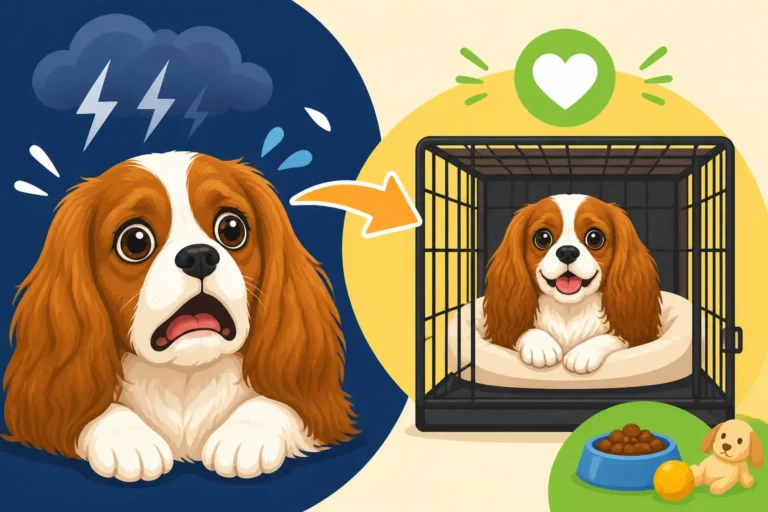
The absolute first thing you must do when your Cavalier yelps from neck pain is to minimize their movement. Resist the urge to pick them up quickly, as this could worsen a potential spinal injury. If they are on the floor, gently encourage them to lie down in a safe, quiet spot. Confine them to a small, contained area, like a crate, if they normally tolerate it. The goal is strict rest. This means no jumping, no running, no stairs – even if they seem to improve slightly. You can use a baby gate to prevent them from accessing stairs or jumping onto furniture.
Once they are settled, contact your veterinarian immediately. Do not wait to see if it "gets better." Neck pain, particularly in a Cavalier, is a serious symptom that warrants urgent professional attention. When you speak to your vet, describe precisely what happened: how the yelp occurred, what kind of touch provoked it, and any other symptoms you've observed (e.g., reluctance to move, altered gait, A Cavalier That Refuses Stairs, changes in appetite or mood). Be prepared to take your Cavalier to the clinic as soon as possible. Even if you suspect SM, your vet needs to rule out other causes and initiate appropriate pain management.
Diagnostic Procedures
When you arrive at the vet, they will likely start with a thorough physical and neurological examination. This will involve observing your Cavalier's gait, reflexes, and proprioception (awareness of limb position), as well as carefully palpating their neck and spine. They'll be looking for signs of pain, muscle spasms, or neurological deficits.
For neck pain, basic X-rays might be taken to rule out obvious issues like severe disc space narrowing, fractures, or gross arthritis. However, it's important to understand that X-rays do not show soft tissues like spinal cords, nerves, or syrinxes. Therefore, if a neurological problem like SM or IVDD is suspected, your vet will likely recommend a referral to a veterinary neurologist for an MRI (Magnetic Resonance Imaging). An MRI is the gold standard for diagnosing these conditions, as it provides detailed images of the brain, spinal cord, and surrounding structures. What a Cavalier MRI Scan Costs and Shows and Whether a Cavalier MRI Needs Anesthesia are important considerations for this procedure. It will clearly show if there's Chiari-like Malformation, syrinxes, or disc compression. This diagnostic clarity is essential for developing an effective treatment plan, moving beyond just guessing what might be causing your Cavalier's distress.
Managing Pain and Discomfort at Home (Under Vet Guidance)
While waiting for diagnostic results or starting a treatment plan, managing your Cavalier's pain and discomfort at home is paramount, but only under the strict guidance of your veterinarian. Never administer human pain medications to your dog, as many are toxic. Your vet will prescribe appropriate pain relief, which might include anti-inflammatory drugs (NSAIDs), muscle relaxants, or neuropathic pain medications like Gabapentin for a Cavalier With Neck Pain. It's vital to follow the dosage instructions precisely.
Beyond medication, practical changes at home can make a significant difference. Continue with strict rest to prevent further injury. Consider using a harness instead of a collar for walks, even gentle potty breaks, as a collar can put direct pressure on the neck. Many excellent harnesses are available on platforms like Amazon, designed to distribute pressure across the chest and shoulders, away from the sensitive neck area. Create a quiet, calm environment where your Cavalier can relax without being disturbed. Limit exciting interactions with other pets or children. Provide easy access to food and water without requiring them to stoop excessively; raised bowls can be helpful. Keep everything they need close by to minimize movement. Remember, the goal is to keep them as comfortable and still as possible while their body has a chance to begin healing or while awaiting a definitive diagnosis. Pain Relief for a Cavalier With Syringomyelia dives deeper into specific medication options.
Long-Term Management and Lifestyle Adjustments
Once a diagnosis is confirmed, the journey shifts from acute crisis management to long-term care. Depending on the cause of your Cavalier's neck pain, this might involve a combination of ongoing medication, physical therapy, and significant adjustments to their daily life. The goal is always to maximize their comfort and quality of life.
Medication and Therapies
For conditions like Syringomyelia or chronic IVDD, medication often becomes a long-term fixture. Neuropathic pain medications, like gabapentin, are frequently used to manage nerve pain, which can be constant and debilitating. Anti-inflammatory drugs might also be prescribed, sometimes on an as-needed basis or as part of a daily regimen, to reduce swelling and discomfort. Your vet might also discuss drugs that aim to reduce cerebrospinal fluid production, which can sometimes alleviate pressure in SM cases. It’s crucial to understand that these medications often manage symptoms rather than cure the underlying condition, so consistent administration is key.
Beyond pharmaceuticals, various therapies can significantly improve your Cavalier's comfort. Physical therapy, tailored by a certified canine rehabilitation specialist, can help strengthen supporting muscles, improve range of motion, and reduce stiffness. This might include gentle exercises, massage, and stretching. Hydrotherapy (underwater treadmill or swimming) can be particularly beneficial as it allows for movement without putting stress on painful joints or the spine. Acupuncture is another complementary therapy that some owners find provides relief for chronic pain. Discuss all these options with your vet or neurologist to create a comprehensive pain management plan for your Cavalier.
Environmental Modifications
Making your home environment more accessible and comfortable for a Cavalier with neck pain is a crucial part of long-term management. These modifications can prevent further injury and reduce daily strain.
- No Jumping: This is perhaps the most important rule. Prevent your Cavalier from jumping onto and off furniture, beds, or in and out of cars. Use ramps or steps to assist them. Ramps, readily available on Amazon, can be a lifesaver for getting into the car or onto the sofa safely.
- Raised Bowls: Bending the neck down to eat or drink from floor-level bowls can be painful for a dog with neck issues. Raised food and water bowls can make meal times much more comfortable by allowing them to eat in a more natural, upright posture.
- Supportive Bedding: Invest in an orthopedic dog bed that provides good support and cushioning. A memory foam bed can relieve pressure points and offer a comfortable resting place, especially important for long periods of rest.
- Non-Slip Surfaces: Slippery floors can cause dogs to splay out, putting strain on their spine and neck. Lay down rugs or runners, or use non-slip socks/booties, particularly in areas where your Cavalier frequently walks.
- Harness vs. Collar: As mentioned earlier, always use a harness for walks, eliminating any pressure on the neck. Harnesses Instead of Collars for a Cavalier is essential for preventing exacerbation of pain.
These modifications, while seemingly small, contribute significantly to your Cavalier's overall well-being and pain management, allowing them to navigate their home safely and comfortably.
Training and Handling Considerations
A Cavalier experiencing chronic neck pain might develop behavioral changes. They may become more irritable, withdrawn, or even snappy if touched in a sensitive area. This isn't aggression; it's a pain response. Therefore, your approach to handling and training needs to be adjusted with extreme care and empathy.
Always approach your Cavalier gently, speaking in a soft, reassuring voice. Avoid sudden movements, especially around their head and neck. When you need to pick them up (only if absolutely necessary and in a way that fully supports their body, never just by the armpits), do so slowly and carefully, supporting their chest and hindquarters. Teach family members, especially children, how to interact gently and respectfully with your Cavalier, emphasizing no rough play or unannounced touches to the neck.
Positive reinforcement training, which you might already be familiar with, becomes even more critical. If you're looking for guidance, resources like BAXTER & Bella offer online puppy training programs that emphasize gentle, reward-based methods. This philosophy is ideal for a dog with pain, as it builds confidence and a strong bond without relying on physical corrections that could cause discomfort or fear. You might need to adjust training commands or physical interactions to accommodate their limitations. For instance, instead of asking for a "down" if it's painful, you might teach a "stand" or a gentle "sit." The goal is to communicate clearly, reinforce desired behaviors with treats and praise, and ensure all interactions are positive and pain-free. Whether Syringomyelia Changes a Cavalier's Temperament is an important read to understand these potential shifts.
Understanding Cavalier-Specific Predispositions
The Cavalier King Charles Spaniel, for all its charm and affectionate nature, carries a heavy genetic burden when it comes to certain health conditions. Understanding these predispositions is key to proactively managing their health and recognizing symptoms early. When it comes to neck pain, this knowledge becomes even more critical.
Why Cavaliers Are Prone to Neck Issues
Cavaliers are unfortunately victims of their own breed standard, which historically favored a more domed skull and a flatter face. While modern breeding aims for a slightly longer muzzle and a less domed head, the underlying genetic predisposition for Chiari-like Malformation (CM) remains widespread. As discussed, CM occurs when the skull is disproportionately small for the brain, causing the cerebellum to be pushed into the foramen magnum – the opening at the base of the skull. This crowding often leads to Syringomyelia (SM), the formation of fluid-filled cavities within the spinal cord, predominantly in the neck.
This anatomical quirk is the primary reason why Cavaliers are so uniquely prone to neck pain compared to many other breeds. The delicate nerve tissue in the spinal cord is constantly under pressure or being impinged by these syrinxes, leading to chronic, often severe, pain. It's a structural problem that affects a staggering number of Cavaliers, making them inherently vulnerable to the kind of yelp-inducing neck pain we've been discussing. The breed's specific conformation and genetic lineage make them prime candidates for these complex neurological issues. Why a Cavalier Skull Is Too Small for Its Brain offers more insight into this anatomical challenge.
Importance of Early Detection
Because Cavaliers are so predisposed to conditions like CM and SM, recognizing the early signs of neck pain or discomfort is incredibly important. Early detection doesn't just mean getting a diagnosis sooner; it means potentially intervening with medical management before the condition becomes debilitating, or before syrinxes grow very large and cause irreversible neurological damage.
Subtle signs like reluctance to jump, hesitation to go up or down stairs, carrying their head in an unusual way, A Cavalier That Sleeps With Its Head Raised, changes in their desire for play, or a sudden sensitivity to touch around the head or neck should never be ignored. Even The Age Cavalier Syringomyelia Signs Begin can vary, so vigilance at any age is necessary. If you notice any of these, especially in conjunction with an occasional yelp, it’s a red flag. Prompt veterinary consultation, including potentially seeking a neurological evaluation, can make a world of difference. Catching these issues early often means better management of pain, and a better quality of life for your Cavalier for longer. Don't dismiss minor symptoms as "just being a dog" – with Cavaliers, they could be the first whisper of a serious underlying condition.
Breeder Responsibilities
When considering a Cavalier King Charles Spaniel puppy, understanding the health challenges of the breed, particularly regarding CM and SM, brings breeder responsibility into sharp focus. Ethical, reputable breeders are acutely aware of these breed-specific health concerns and take proactive steps to reduce the incidence in their lines.
This includes rigorous health testing of breeding dogs. For CM and SM, this means MRI screening of prospective parents to assess the severity of Chiari-like Malformation and the presence of syrinxes. Reputable breeders adhere to breeding protocols that recommend certain ages for screening and guidelines for pairing dogs based on their MRI results. While no breeder can guarantee a puppy will never develop SM (it's a complex, polygenic condition), responsible practices significantly reduce the risk.
A breeder committed to the health of the breed will be transparent about their dogs' health clearances, including MRI results, and will be able to discuss the lineage and health history of their puppies' parents and grandparents. They understand that breeding responsibly isn't just about good looks; it's about striving for healthier future generations. They are an invaluable resource for understanding these complex conditions. While The Cavalier MVD Breeding Protocol specifically addresses Mitral Valve Disease, the principle of rigorous health testing and selective breeding applies equally to neurological conditions like SM, underpinning the commitment of responsible breeders to the long-term well-being of the Cavalier King Charles Spaniel.
Disclaimer
This article is for general informational purposes only and does not constitute professional advice. Laws, prices and regulations vary by location and change over time. Consult a qualified professional for guidance on your specific situation.