Whether Sudden Aggression in a Cavalier Is Pain
A sudden growl, a snap when you reach for a familiar spot, or a new reluctance to be handled – these are heartbreaking moments for any Cavalier owner. Our sweet, affectionate Cavaliers are known for their gentle nature, which makes any abrupt shift towards aggression incredibly alarming. When your beloved companion, usually so eager for cuddles, starts exhibiting such behavior, it's natural to immediately wonder if they're in pain, and often, that gut feeling is absolutely right. This guide will explore why sudden aggression might manifest in your Cavalier, how to investigate potential pain, and what steps you can take to help them feel comfortable and safe again.
Understanding the Shift: Why a Sweet Cavalier Changes
It’s a deeply unsettling experience when the dog you know and love suddenly acts out. One minute they're your shadow, the next, a simple touch near their tail or an attempt to pick them up results in a low growl or even a snap. This isn't just "bad behavior" in a Cavalier; it's a cry for help, a sign that something fundamental has shifted. Cavaliers are inherently eager to please and cherish closeness, so a departure from this can almost always be traced back to a physical or emotional discomfort, with pain being a very common culprit. They don't have words to tell us they hurt, so they use the only language available to them: body language, which can unfortunately escalate to aggression when ignored or misunderstood.
The Subtle Language of Cavalier Pain
Cavaliers are stoic little souls by nature, and they often try to hide their discomfort. This can make identifying pain incredibly challenging for us, their human companions. You might not see obvious limping or yelping. Instead, you might notice subtle changes in their daily routine or demeanor. Perhaps they're sleeping in a different position, reluctant to jump on the sofa where they once loved to snooze, or they might avoid certain interactions. A common sign is a Cavalier that flinches or A Cavalier That Yelps When Picked Up. They might also become less enthusiastic about walks or play, or you might observe a shift in their appetite or grooming habits. They might lick a particular area excessively, or their posture could seem stiff or hunched. Sometimes, the only clue is a general grumpiness or a shorter fuse than usual. It's crucial to be an attentive observer of these small, quiet warnings before they escalate to more overt aggressive displays.
Common Pain Points in Cavaliers
Our Cavaliers, as delightful as they are, are prone to certain health conditions that can certainly cause pain and lead to behavioral changes. Mitral Valve Disease, for example, can cause a persistent cough that might be uncomfortable, or lead to difficulty breathing which can make them anxious and snappy if handled. However, more directly pain-inducing conditions often involve their joints, spine, or head. Cavalier Knees, Hips and Joint Problems are not uncommon, with luxating patellas (loose kneecaps) or hip dysplasia causing chronic discomfort that can flare up. Arthritis, especially in older Cavaliers, is another frequent cause.
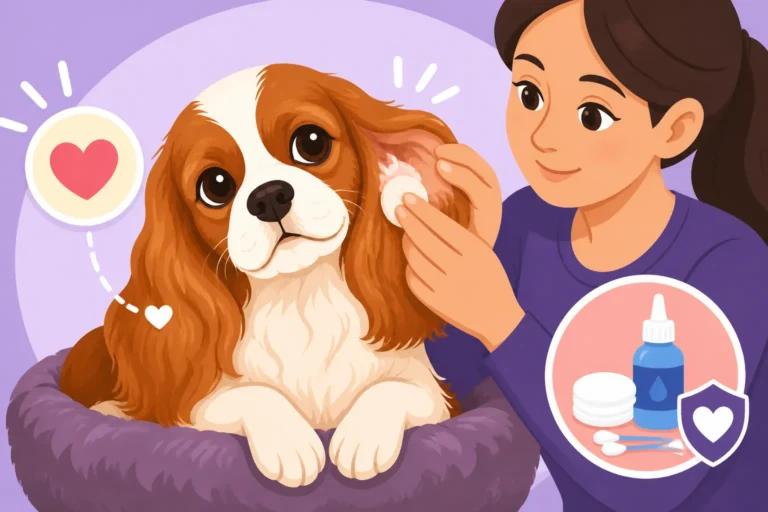
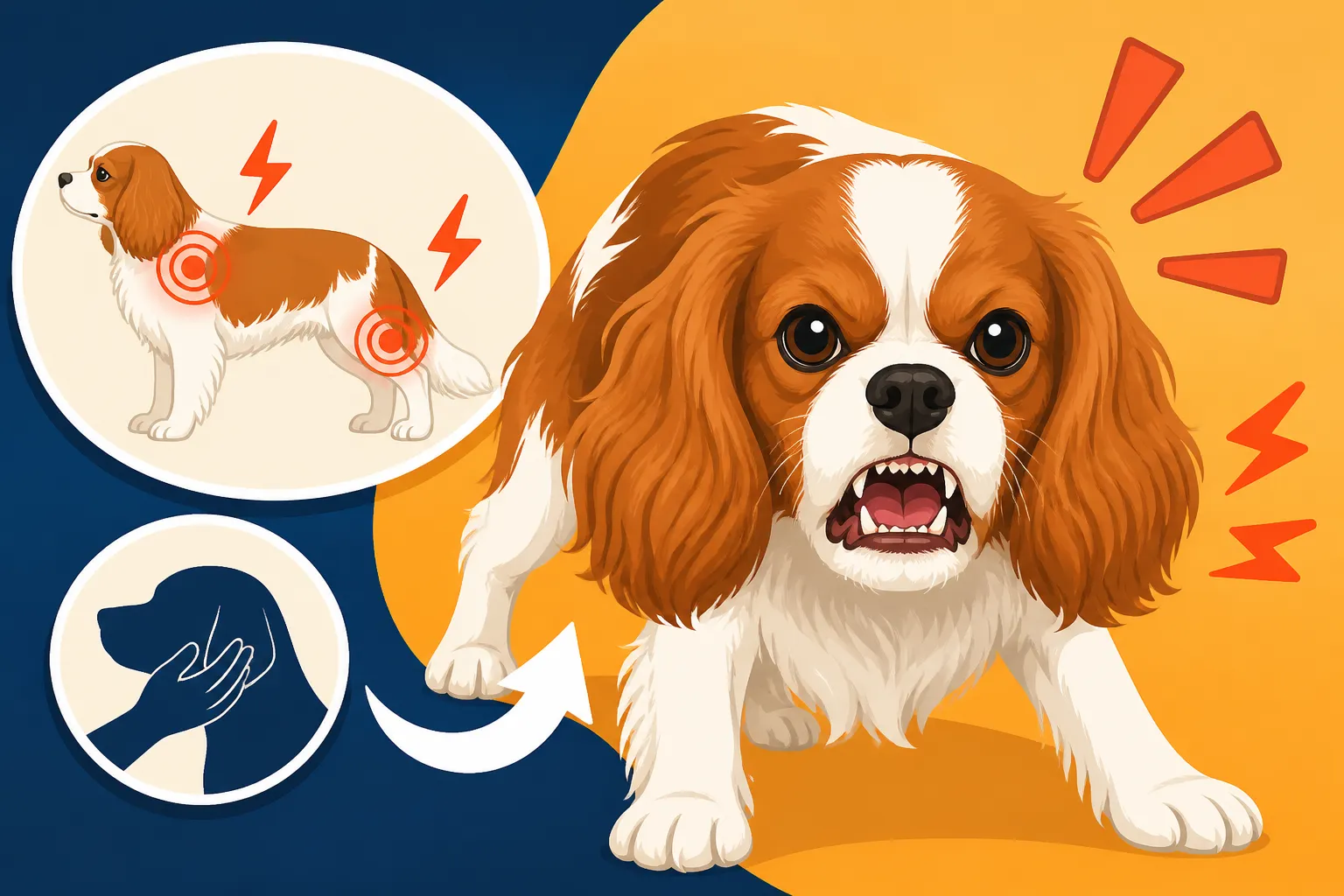
Beyond joint issues, neurological conditions like Syringomyelia (SM) are a significant concern. This painful condition, where fluid-filled cavities form in the spinal cord, can cause severe neck and shoulder pain. A Cavalier suffering from SM might suddenly yelp when touched, shy away from having their collar or harness put on, or exhibit "air scratching" without actually touching their body. A Cavalier That Snaps Because Its Neck Hurts is a classic, heartbreaking sign of potential SM or other cervical discomfort. Ear infections, which Cavaliers are sadly prone to due to their beautiful, floppy ears, can also be intensely painful and lead to head sensitivity. Even severe Cavalier Dental Disease in a Crowded Jaw can cause enough oral pain to make a usually gentle dog irritable and reactive when their mouth or head is approached.
| Pain Manifestation | Typical Signs in Cavaliers | Possible Causes |
|---|---|---|
| Reluctance to Move | Avoiding stairs, hesitant to jump, slower on walks, struggling to get up, shivering when standing. | Arthritis, hip/elbow dysplasia, luxating patellas, back pain, Syringomyelia. |
| Touch Sensitivity | Growling/snapping when petted in specific spots (neck, back, hindquarters), yelping when picked up, pulling away from grooming. | Syringomyelia, joint pain, muscle strain, ear infection, dental pain. |
| Changes in Posture | Hunched back, lowered head, sleeping in unusual positions (head raised), tail tucked. | Syringomyelia, general abdominal pain, orthopedic issues. |
| Vocalizations | Increased whining, growling, yelping (especially with movement), persistent coughing. | Any acute or chronic pain, Coughing at Night in a Cavalier due to heart disease. |
| Self-Grooming/Licking | Licking or chewing at a specific paw, joint, or flank; rubbing face on furniture (if dental/ear pain). | Localized pain, allergies, itchy skin. |
| General Demeanor Shift | More withdrawn, irritable, less playful, hiding, restless, not wanting to be left alone. | Chronic pain, anxiety secondary to pain. |
Ruling Out Medical Causes: Your Vet's Role
If your Cavalier suddenly displays aggressive behavior, especially if it's out of character, your very first step needs to be a visit to your veterinarian. This isn't a situation to try and "train out" of your dog; it's a medical emergency that requires professional assessment. A vet will approach this systematically, looking for clues that might be easily missed by even the most observant owner. They understand that a sudden change in behavior is often the clearest indicator of an underlying health issue, and their expertise is invaluable in navigating this complex situation. Don't feel guilty or like you're overreacting; you are advocating for your Cavalier's well-being.
The Importance of a Thorough Examination
When you bring your Cavalier in, expect a comprehensive physical examination. Your vet won't just look at the obvious areas; they'll carefully palpate your dog from nose to tail, checking for any signs of pain, swelling, or heat in joints and muscles. They'll assess your Cavalier's range of motion, observe their gait, and look for any neurological deficits. They might gently manipulate limbs and neck, listening for any yelps or signs of discomfort. It's helpful to come prepared with detailed notes: when did the aggression start? What specific actions trigger it? Has there been any change in appetite, thirst, urination, or bowel movements? Any changes in sleep patterns, like A Cavalier That Sleeps With Its Head Raised, could also be a clue. The more information you can provide, the better equipped your vet will be to form a complete picture and narrow down potential causes. This initial exam is foundational; sometimes, the problem is something relatively simple like an ingrown toenail or a deep ear infection that has been brewing.
Diagnostic Tools for Pinpointing Pain
If the initial physical exam doesn't clearly identify the source of the pain, or if something more complex like a neurological issue is suspected, your vet will likely recommend further diagnostics. These can range from blood tests to advanced imaging. Blood work can rule out systemic infections, organ dysfunction, or inflammatory processes. X-rays are often the next step for investigating orthopedic issues, allowing the vet to see bone structure, joint spaces, and signs of arthritis or injury. For a suspected spinal or neurological issue, however, an MRI is often the gold standard. What a Cavalier MRI Scan Costs and Shows can provide incredibly detailed images of soft tissues, the brain, and the spinal cord, making it indispensable for diagnosing conditions like Syringomyelia or intervertebral disc disease. Your vet might refer you to a veterinary specialist, such as a neurologist or an orthopedic surgeon, if advanced diagnostics or specialized treatment is needed. Remember, these tests are not just to confirm a diagnosis but to ensure the correct course of treatment is chosen to alleviate your Cavalier's pain and, in turn, resolve the aggressive behavior.
Managing Pain and Behavioral Changes
Once a diagnosis is made and the source of your Cavalier's pain is identified, the focus shifts to management. This involves a multi-faceted approach, combining medical treatment to alleviate the pain with adjustments to their environment and sometimes, behavioral support to help them regain confidence and trust. It's a journey that requires patience and dedication, but seeing your Cavalier return to their happy, affectionate self is the ultimate reward.
Medical Interventions for Pain Relief
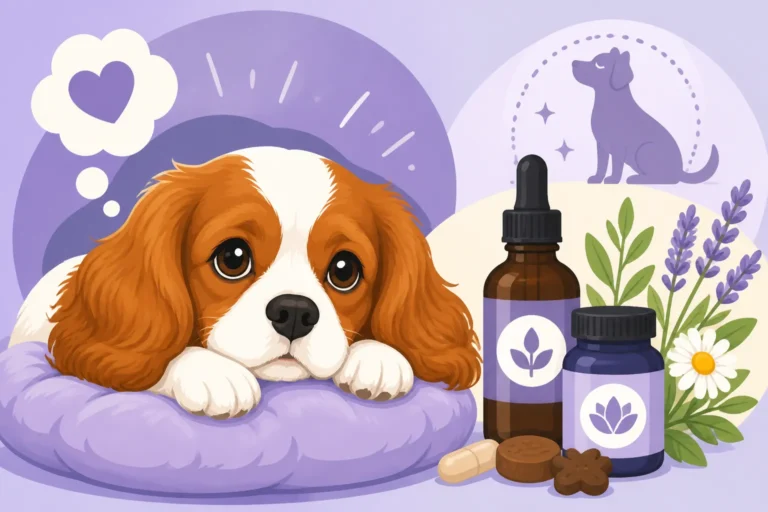
The type of medication your vet prescribes will depend entirely on the diagnosis. For acute pain, anti-inflammatory drugs might be used. For chronic orthopedic pain, your Cavalier might benefit from a combination of pain relievers and joint supplements. If your Cavalier is diagnosed with Syringomyelia, specific medications aimed at reducing fluid pressure in the brain and spinal cord, such as diuretics or corticosteroids, might be prescribed alongside nerve pain medications like Gabapentin for a Cavalier With Neck Pain. Sometimes, a combination of medications is necessary to effectively manage complex pain. It's crucial to administer all medications exactly as prescribed and to never alter dosages or stop treatment without consulting your vet. Regular follow-up appointments will be necessary to monitor their response to treatment, adjust dosages if needed, and ensure they are comfortable. For severe cases, or when medication isn't enough, surgical options might even be considered, such as Surgery for Cavalier Syringomyelia for certain SM patients or orthopedic surgeries for severe joint issues.
Adjusting the Environment for a Pain-Free Cavalier
While medication tackles the internal pain, creating a supportive and comfortable environment is equally vital. Think about what might exacerbate their pain and try to eliminate those triggers. If your Cavalier has joint pain, consider ramps for accessing furniture or the car instead of allowing them to jump. A comfortable, orthopedic dog bed can make a world of difference for achy joints. For neck or back pain, Harnesses Instead of Collars for a Cavalier are often recommended to avoid pressure on sensitive areas. Elevating food and water bowls can also reduce strain on their neck and shoulders, especially for Cavaliers with SM.
Consider their activity levels too. While exercise is important, strenuous activities might need to be replaced with gentler alternatives during recovery. Short, frequent walks on a leash might be better than long, intense play sessions. Observe their cues closely; if they show signs of discomfort, stop the activity immediately. Providing engaging toys that don't require strenuous movement, perhaps from a selection on Amazon, can keep their minds active and prevent boredom without putting stress on their body.
Behavioral Support During Recovery
Even after pain is managed, some behavioral changes might linger. Your Cavalier might have developed fear or anxiety around certain interactions or handling because they associated them with pain. Rebuilding trust and confidence will take time and patience. Always approach your Cavalier gently, speak in a calm voice, and use positive reinforcement. Avoid any actions that previously triggered aggression. If your Cavalier previously snapped when picked up, for instance, avoid picking them up for a while or do so only when absolutely necessary and with extreme care, giving them lots of verbal reassurance and treats.
If the underlying pain was related to a chronic condition, you might need to adjust your expectations and adapt your routine permanently. This might involve continuing to use ramps, softer bedding, or a harness indefinitely. If you find yourself struggling with persistent fear-based behaviors even after pain is resolved, a certified professional dog trainer or behaviorist can be an invaluable resource. They can help you develop a tailored plan to gently reintroduce positive associations and address any lingering anxieties. Programs like those offered by BAXTER & Bella could provide foundational support for owners looking to rebuild confidence and reinforce positive associations through gentle, reward-based training methods, though it's important to remember they are not a substitute for vet guidance on pain. Remember, consistency, patience, and empathy are your greatest tools in helping your Cavalier feel secure and loved again.
Disclaimer
This article is for general informational purposes only and does not constitute professional advice. Laws, prices and regulations vary by location and change over time. Consult a qualified professional for guidance on your specific situation.