A Cavalier That Stops Jumping on the Sofa
It's incredibly unsettling when your beloved Cavalier, who once treated your sofa like their personal launchpad, suddenly stops jumping up. This isn't just a minor behavioral quirk; it's often a significant red flag that something deeper is going on. This guide will walk you through the most common reasons why your Cavalier might stop jumping on the sofa, from hidden pain to environmental changes, and how you can investigate and support them to get them back to their comfortable perch.
The First Clue: Why a Cavalier Stops Jumping
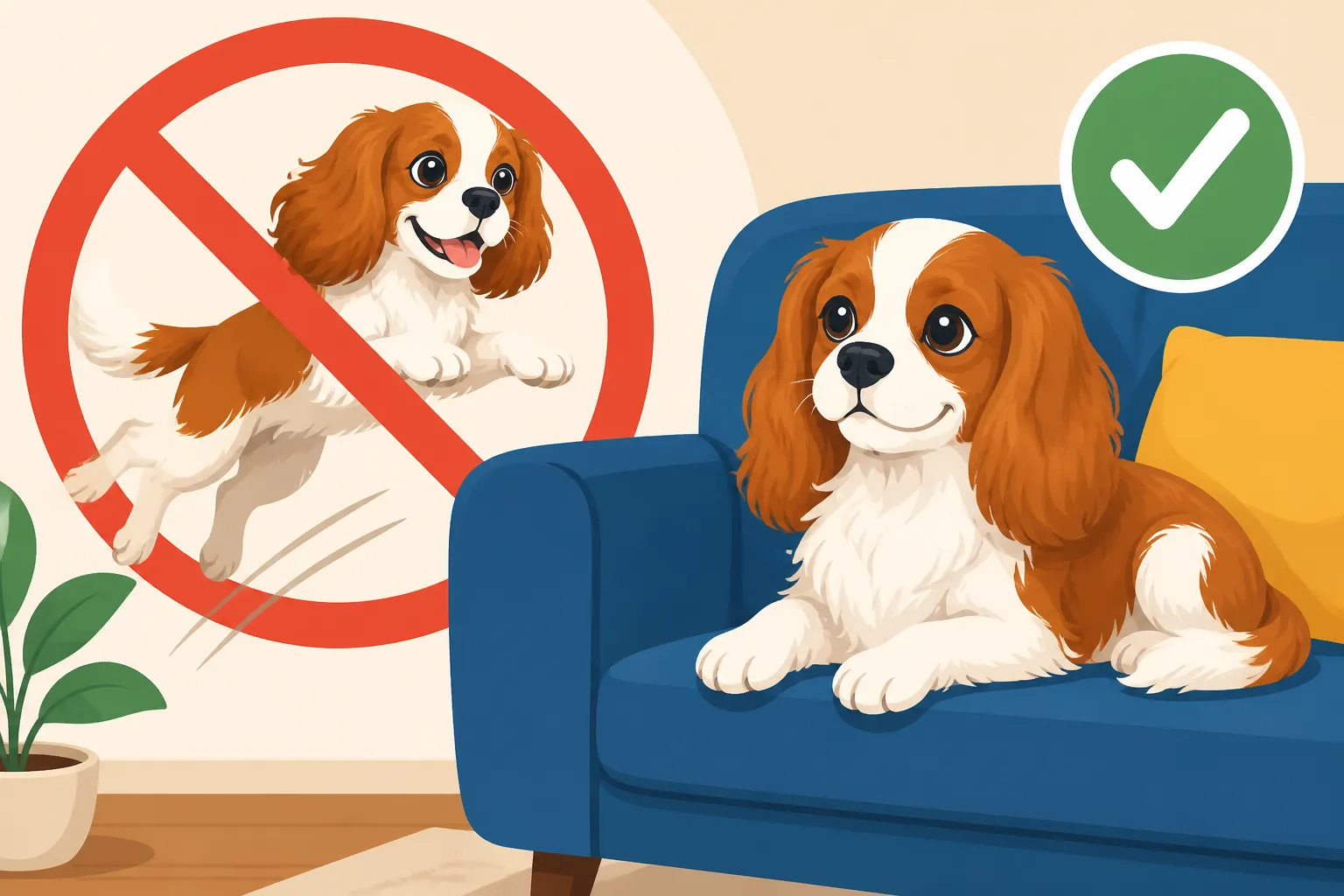
When a Cavalier King Charles Spaniel, known for their affectionate and clingy nature, suddenly avoids a favorite elevated spot like the sofa or bed, it's natural for a devoted owner to worry. This isn't usually a sign of stubbornness or a sudden change of heart about snuggles; it's a profound shift in behavior that almost always points to an underlying issue. Your Cavalier might look wistfully at the sofa, pace near it, or even try and fail to jump, indicating a desire to be there but an inability to do so comfortably.
It's Almost Always About Discomfort
Think about it from your Cavalier's perspective. They want to be with you, often right next to you, which usually means being on the sofa. If they stop, it's rarely because they've decided they prefer the floor. Instead, it's a strong indicator that the act of jumping, or even landing, causes them pain or intense discomfort. This could be a sharp, sudden pain, or a dull, chronic ache that makes the effort seem not worth it. The body language might be subtle at first – a hesitation, a slower approach, or a slight yelp if they do attempt the jump.
Often, owners will notice their Cavalier trying to find alternative ways to get onto the sofa, perhaps using a human's leg as a boost, or looking expectantly for an invitation to be lifted. This behavior confirms they want to be there but physically can't manage it themselves. Ignoring these subtle signs can lead to prolonged discomfort for your pup, and potentially, a worsening of the underlying condition. It's a clear signal that it's time to become a detective for your furry family member.
Noticing Other Subtle Changes
Beyond the obvious cessation of jumping, pay close attention to other subtle changes in your Cavalier's daily routine and demeanor. Are they sleeping more? Are they more reluctant to go for walks or play with toys they once loved? Do they seem less enthusiastic about greetings, or perhaps growl or snap when touched in certain areas? A Cavalier That Yelps When Picked Up is another strong indicator of pain. These seemingly minor shifts can collectively paint a clearer picture of what might be bothering your dog.
It's also worth observing how they navigate other obstacles. Do they still easily jump into the car, or onto a favorite chair? Do they hesitate before tackling stairs, or have they started A Cavalier That Refuses Stairs altogether? Noting these patterns can help your veterinarian narrow down the possible causes. Sometimes, they might even start sleeping in unusual positions, like curled up tight or stretched out stiffly, trying to find a position that minimizes discomfort. Keep a journal of these observations; it can be incredibly helpful for your vet visit.
Digging Deeper: Investigating Pain and Medical Conditions
When a Cavalier stops jumping, the first and most critical step is to consider potential medical reasons. These little dogs are predisposed to several conditions that can cause significant pain and impact their mobility. Don't assume it's "just old age" – even senior dogs deserve a thorough investigation into their discomfort.
Joint and Orthopedic Issues
The most common culprit for a reluctance to jump is pain in the joints or musculoskeletal system. Cavaliers can be prone to various orthopedic problems, including patellar luxation (loose kneecaps), hip dysplasia, and elbow dysplasia. Cavalier Knees, Hips and Joint Problems are unfortunately common. Arthritis, whether primary or secondary to these conditions, can also develop as they age. Imagine the jarring impact of jumping and landing on sore joints – it's enough to deter even the most determined cuddler.
A dog with knee pain might hesitate, walk stiffly, or even limp after activity. If their hips are bothering them, you might notice a bunny-hopping gait, difficulty standing up from a lying position, or a general reduction in their willingness to move quickly. Elbow pain can manifest as a subtle head bob or lameness, especially after rest. These issues are often exacerbated by activity like jumping, so avoiding the sofa becomes a coping mechanism. Your vet will conduct a thorough physical exam, manipulating joints to pinpoint areas of tenderness or instability. X-rays are often necessary to confirm a diagnosis and assess the severity of conditions like arthritis or hip dysplasia.
Spinal and Neurological Conditions
This is where things can get particularly serious for a Cavalier. They are sadly notorious for certain neurological conditions that can cause severe pain and impact coordination, making jumping dangerous or impossible. Syringomyelia (SM), a condition where fluid-filled cavities develop in the spinal cord due to a malformed skull (Chiari-like malformation), is a prime example. Syringomyelia and Chiari Malformation in Cavaliers can cause debilitating neck and back pain, sensitivity to touch, and even phantom scratching. The pain from SM can make any sudden movement, especially jumping, agonizing.
Another concern is intervertebral disc disease (IVDD), where the discs between the vertebrae bulge or rupture, putting pressure on the spinal cord. This can happen suddenly or develop gradually, causing pain, weakness, and even paralysis. A dog with IVDD might show signs like a hunched back, reluctance to move their head or neck, crying out when touched, or dragging their back legs. Both SM and IVDD often require advanced diagnostics like an MRI to definitively diagnose. What an MRI Costs to Rule Out Cavalier Syringomyelia can give you an idea of the financial commitment involved, but getting a proper diagnosis is crucial for appropriate treatment and pain management.
Other Painful Conditions
While orthopedic and neurological issues are top contenders, other medical problems can also lead to a reluctance to jump. Abdominal pain, perhaps from pancreatitis, a bladder infection, or even a gastrointestinal upset, can make the strain of jumping uncomfortable. Muscle strains or sprains, though often temporary, can also cause acute pain. Sometimes, even dental pain can make a dog hesitant to put pressure on their jaw when landing, though this is less common as a sole reason for avoiding jumps.
Internal organ issues might not be immediately obvious, but if your Cavalier is showing other signs like changes in appetite, vomiting, diarrhea, or lethargy, these could be contributing factors. A full veterinary check-up, including bloodwork and possibly a urinalysis, can help rule out these possibilities. It’s about a holistic look at your dog’s health, because every system in their body is connected.
Table: Common Medical Reasons for Not Jumping and Initial Actions
| Potential Cause | Common Signs (Beyond Not Jumping) | Initial Action |
|---|---|---|
| Arthritis/Joint Pain | Stiffness, limping, slow to rise, reduced exercise tolerance | Vet exam, pain meds (if prescribed), gentle exercise |
| Patellar Luxation (Kneecaps) | Skipping on a leg, occasional yelp, hesitant to bear weight | Vet exam, palpation, possible X-rays |
| Hip/Elbow Dysplasia | Bunny hopping, difficulty with stairs, reluctance to run, Early Arthritis in a Cavalier's Elbows | Vet exam, X-rays, discuss weight management/supplements |
| Syringomyelia (SM) | Phantom scratching, neck sensitivity, yelping when picked up, head-raising | Vet exam, neurological assessment, MRI referral |
| Intervertebral Disc Disease (IVDD) | Hunched back, weakness in legs, crying out, dragging paws | Emergency vet visit, strict rest, imaging |
| Muscle Strain/Sprain | Sudden lameness, reluctance to move, localized tenderness | Vet exam, rest, pain relief (if prescribed) |
| Abdominal Pain | Vomiting, diarrhea, lethargy, decreased appetite | Vet exam, bloodwork, urinalysis, imaging |
Beyond the Body: Considering Behavioral and Environmental Shifts
While pain is the most frequent reason for a Cavalier to stop jumping, sometimes the cause isn't purely physical. Behavioral changes, environmental alterations, or even a traumatic experience can make your dog wary of heights or specific actions. It's essential to consider these aspects too, especially if your vet rules out major medical issues.
A Past Negative Experience
Dogs learn through association, and a single negative experience can create a lasting aversion. Perhaps your Cavalier attempted to jump on the sofa once and slipped, fell, or landed awkwardly, causing a momentary fright or mild pain. Even if the physical pain was fleeting, the memory of the unpleasant sensation might linger, making them hesitant to try again. This is particularly true if they're naturally a bit more sensitive or cautious.
Consider if there was any recent incident around the sofa. Did a child accidentally bump them off? Did another pet startle them as they landed? Even a loud noise coinciding with a jump could create an aversion. If this is the case, their reluctance isn't about current pain but about avoiding a perceived future discomfort or scare. Rebuilding their confidence will be key, and that often involves making the area feel safe and positive again, perhaps with the help of a training protocol that involves positive reinforcement for approaching the sofa.
Environmental Changes and Accessibility
Our homes evolve, and sometimes, without realizing it, we make subtle changes that impact our pets. Has your sofa been replaced with a higher model? Has furniture been rearranged, creating a less stable landing zone? Perhaps a new rug makes the area slippery, or new flooring causes them to lose traction when preparing for a jump. Small dogs like Cavaliers can be very sensitive to these environmental shifts.
Think about the context: is the sofa now in a busier part of the house, or is there less clear space for them to approach and land? Sometimes, simply adding a non-slip mat or moving a piece of furniture can make a huge difference. For older or smaller Cavaliers, even a slight increase in sofa height can become an insurmountable barrier. This is where Stair Ramps for an Aging Cavalier or dog steps, easily found on Amazon or at pet supply stores, can become a game-changer. These provide a gentle, low-impact way for them to access their favorite spot without the strain of jumping.
Age-Related Changes in Confidence
As Cavaliers get older, just like humans, their confidence in their physical abilities can wane. Even without a specific diagnosis like arthritis or SM, their joints might not be as supple, their muscles as strong, or their eyesight as sharp. This natural decline can lead to a general reluctance to attempt feats they once performed effortlessly. Pain Management for a Senior Cavalier often involves not just medication but also adaptations to their living environment.
An older Cavalier might still want to jump but has lost the zest and agility of their youth. They might hesitate, size up the jump, and ultimately decide it's too risky or tiring. This isn't a sign they love you less; it's a sensible self-preservation instinct. Recognizing this allows you to provide supportive tools like ramps or steps, making sure they can still enjoy their rightful place beside you without feeling forced to push their aging bodies. Encouragement and patience are vital here, reinforcing that it's okay for them to take it easy.
Helping Your Cavalier Get Back to Comfort
Once you've investigated the potential causes, the next step is to implement solutions that prioritize your Cavalier's comfort and well-being. This might involve veterinary treatment, environmental adjustments, or a bit of gentle training.
Veterinary Consultation and Treatment
This is, without a doubt, your first and most important port of call. If your Cavalier has stopped jumping, assume it's pain until proven otherwise. Schedule a comprehensive veterinary examination right away. Be prepared to share all your observations: when the behavior started, any other changes you've noticed (like changes in appetite, energy levels, or other behaviors), and how they navigate stairs or other furniture. Your vet might recommend X-rays, blood tests, or a referral to a specialist, such as an orthopedic surgeon or a neurologist, especially if a condition like Syringomyelia as a Pre-Existing Cavalier Condition is suspected.
Treatment will depend entirely on the diagnosis. For arthritis or joint pain, this could involve anti-inflammatory medications, joint supplements, physical therapy, or even specific diets. For neurological conditions, medication to manage pain and inflammation is often prescribed, and in some cases, surgery might be an option. Remember that early diagnosis and intervention can significantly improve your Cavalier's quality of life and potentially slow the progression of certain conditions. Always follow your vet's advice meticulously regarding medication dosages, follow-up appointments, and activity restrictions.
Creating an Accessible Environment
While you're working with your vet, you can make immediate changes to your home to support your Cavalier. The simplest and most effective solution for a Cavalier who struggles with jumping is to provide an easier way up. Pet stairs or ramps are readily available from online retailers like Amazon. When choosing, look for options with a gentle incline and a non-slip surface. Consider the height of your sofa and choose a ramp that is appropriate for your dog's size and current mobility.
For a dog dealing with neck or back pain, Harnesses Instead of Collars for a Cavalier can also be beneficial, reducing strain on their neck during walks. Ensure their bed is comfortable and supportive, especially if they have joint pain. Orthopedic beds can make a huge difference, providing cushioning and support for aching joints. Make sure water and food bowls are easily accessible, perhaps elevated slightly if they struggle to bend down. The goal is to minimize any movements that cause discomfort, allowing them to conserve energy and move freely within their capabilities.
Rebuilding Confidence and Gentle Training
If a medical issue has been ruled out, or as part of a comprehensive recovery plan after treatment, you might need to help your Cavalier regain confidence. Never force them to jump. Instead, use positive reinforcement to encourage them to use steps or a ramp. Start by placing treats on the first step, then gradually higher. Celebrate every small victory with praise and their favorite high-value treats. Programs like BAXTER & Bella, which offer online puppy training, often have resources for teaching dogs to use ramps or overcome minor behavioral anxieties, which can be adapted for older dogs.
Make the sofa a rewarding place to be again. Spend time sitting on the floor with them next to the sofa, offering gentle pets and treats. Once they're comfortable using the ramp or steps, make their time on the sofa extra special with cuddles, a favorite chew, or a calm grooming session. Patience is paramount. It can take time for a dog to overcome an aversion, especially if it was caused by pain. Consistency, positive experiences, and understanding will help your Cavalier feel secure and loved, no matter how they choose to access their favorite cuddle spot. Living With a Cavalier That Has Syringomyelia or other chronic pain conditions often involves these kinds of thoughtful adjustments and unwavering support.
Disclaimer
This article is for general informational purposes only and does not constitute professional advice. Laws, prices and regulations vary by location and change over time. Consult a qualified professional for guidance on your specific situation.