Stair Ramps for an Aging Cavalier
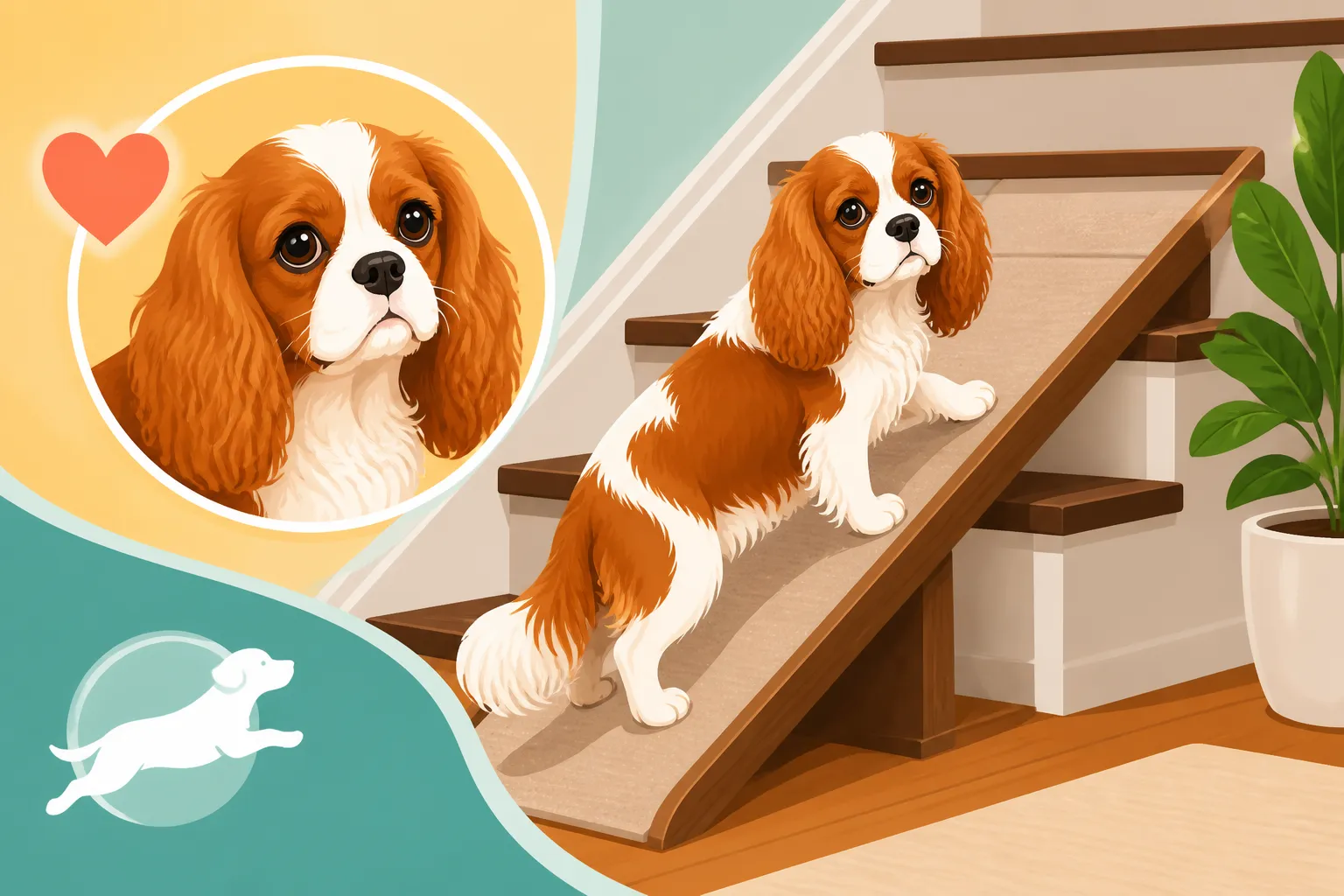
It's heartbreaking to watch your beloved Cavalier, once a springy, fearless little shadow at your heels, start to hesitate at the bottom of the stairs. What was once a joyous scamper becomes a slow, careful ascent, or worse, a complete refusal. This guide will walk you through understanding why your aging Cavalier might be struggling with stairs, and how stair ramps can be a practical, kind solution to maintain their independence and comfort in your home.
Why Your Senior Cavalier Might Struggle with Stairs
As Cavaliers gracefully (or sometimes not-so-gracefully) enter their golden years, their bodies inevitably change. The vibrant energy and effortless agility they possessed as puppies can wane, making everyday actions like climbing stairs a real challenge. It's not just about getting older; there are several common health issues in our sweet Cavaliers that can make stairs a physical hurdle. Understanding these underlying causes can help you be more empathetic and proactive in providing support.
The Impact of Joint Pain and Arthritis
One of the most frequent culprits behind a senior Cavalier's stair struggles is joint pain, often due to arthritis. Just like us, dogs can develop osteoarthritis as they age, where the cartilage cushioning their joints wears down. This can affect their hips, knees, elbows, and spine, turning every step into a discomfort. Imagine trying to navigate a flight of stairs with stiff, aching knees – that's what many of our older Cavaliers face daily.
Think about a cold morning. You might notice your Cavalier is a bit slower to rise, or they might limp slightly after a longer walk. These subtle signs are often indicators that their joints are feeling the strain. When it comes to stairs, the act of pushing off with their hind legs to go up, or bracing their front legs and absorbing impact coming down, can become genuinely painful. Even if they try, the fear of that pain might make them balk. It’s not laziness; it’s a protective instinct. Cavalier Knees, Hips and Joint Problems covers some of these issues in more detail.
Worsening Heart Conditions and Fatigue
Cavaliers are famously prone to Mitral Valve Disease (MVD), a progressive heart condition that can significantly impact their stamina. A dog with advancing MVD might not have the lung capacity or energy reserves they once did. Climbing stairs, even a short flight, requires a burst of effort, and for a Cavalier whose heart isn't working at full capacity, this can lead to breathlessness, coughing, and extreme fatigue.
You might notice your older Cavalier, who once bounced up the stairs, now stops halfway to rest, or simply stares at the steps with a weary expression. This isn't just physical exhaustion; it's often a sign that their cardiovascular system is being pushed too hard. Even seemingly minor exertion, like a quick trip up the stairs, can become a significant strain. Maintaining an ideal weight becomes even more critical for these dogs, as extra pounds put additional stress on their already compromised hearts. Mitral Valve Disease in the Cavalier King Charles Spaniel discusses this common condition.
Neurological Issues Affecting Balance and Coordination
Unfortunately, Cavaliers are also predisposed to neurological conditions like Syringomyelia (SM), a painful condition where fluid-filled cavities form in the spinal cord, often due to a skull malformation (Chiari-like malformation). SM can cause severe neck pain, sensitivity to touch, and can impact proprioception – the dog's awareness of their body's position in space. This can lead to an unsteady gait, weakness in the limbs, and a general lack of coordination.
Imagine trying to walk up stairs when you're not entirely sure where your feet are landing, or if turning your head causes a jolt of pain. A Cavalier with SM might yelp when picked up, or suddenly refuse to go up or down stairs because the angle of their neck or the twisting motion exacerbates their pain. They might also exhibit a "phantom scratching" behavior, or struggle with movements that involve looking downwards or upwards, which are inherent to navigating stairs. Syringomyelia and Chiari Malformation in Cavaliers provides a deeper dive into these complex issues. These neurological challenges mean stairs aren't just uncomfortable; they can be genuinely hazardous due to the risk of falling.
Choosing the Right Stair Ramp for Your Cavalier
Deciding to get a stair ramp is a wonderful step towards improving your aging Cavalier's quality of life. But with so many options out there, it can feel a bit overwhelming to pick the "right" one. Don't worry, we'll break down the key factors to consider to ensure you find a ramp that's safe, comfortable, and practical for both you and your furry friend.
Sizing and Angle Considerations
The length and incline of the ramp are absolutely crucial. A ramp that's too short will be too steep, making it just as challenging, if not more so, for your Cavalier to use than the stairs themselves. Think about it: a gentle slope is far easier to navigate than a sharp incline, especially for a dog with joint pain or weakness.
As a general rule, for every foot of height you need to cover, aim for at least two feet of ramp length. So, if your couch is 1.5 feet high, you'd want a ramp that's at least 3 feet long. For a full flight of stairs, you'll need a much longer ramp, or you might consider smaller ramps for individual steps if practical, or for specific pieces of furniture. A common recommendation is an incline no steeper than 18 to 20 degrees for senior dogs, and even shallower for those with severe mobility issues. Some ramps, especially those found on Chewy or other online retailers, will list their recommended incline, or you can use a simple calculation (rise/run) to figure it out yourself. Always measure the height of the stairs or furniture your Cavalier needs to access, and compare it to the ramp's length to ensure a gentle slope.
Materials and Surface Texture
Ramps come in various materials, each with its own pros and cons, but the most important aspect for your Cavalier is the surface. You want something that provides excellent grip and won't feel slick under their paws, especially if they are nervous or have compromised balance.
- Carpeted Ramps: These often provide the best traction and a softer landing if a slip does occur. They also tend to be quieter than plastic or metal. The downside is they can be harder to clean if there are accidents.
- High-Traction Plastic or Rubberized Surfaces: Many modern ramps feature a textured, non-slip surface that's easy to wipe clean. These are usually durable and suitable for both indoor and outdoor use.
- Wooden Ramps: If untreated, wood can be slippery. Look for wooden ramps with built-in non-slip strips or consider adding them yourself. While aesthetically pleasing, they can be heavier and less portable.
Always prioritize a surface that won't make your Cavalier feel like they're walking on ice. A hesitant dog is more likely to slip, leading to potential injury and a loss of confidence in the ramp. You might even find orthopedic beds and related mobility aids for senior dogs on platforms like Chewy that complement a ramp by providing soft, supportive resting places after exertion.
Portability and Storage
Consider where and how often you'll be using the ramp. If it's a permanent fixture for a set of stairs, then portability might not be a huge concern. However, if you plan to move it between different pieces of furniture, or take it with you when visiting friends or traveling, then a lightweight, foldable, or collapsible design is key.
Many ramps are designed to fold in half or telescope, making them much easier to store away when not in use or transport in your car. Check the ramp's weight and dimensions when folded to ensure it fits your needs. You don't want to buy a ramp that's too heavy for you to comfortably move or too bulky to store in your home. A ramp that's convenient for you to use regularly will be used more often, benefiting your Cavalier more consistently.
| Feature | Description | Considerations for Cavaliers |
|---|---|---|
| Length/Incline | Determines the steepness of the ramp. | Aim for a long, gentle slope (e.g., 2 ft ramp length for every 1 ft height). Avoid steep angles to protect joints and prevent fear. |
| Surface Texture | Material on the ramp's walking path. | Must be non-slip (carpet, rubberized, sandpaper-like). Smooth plastic or wood can be dangerous. |
| Width | The measurement across the ramp. | Wide enough for your Cavalier to feel secure and not have to navigate carefully. Too narrow can feel unstable. |
| Weight Capacity | Maximum weight the ramp can safely support. | Even small Cavaliers need a sturdy ramp. Ensure it can comfortably hold your dog plus any slight impact from walking. |
| Portability | How easily the ramp can be moved or stored. | Foldable or telescoping designs are great for moving between rooms or for travel. Consider your own ability to lift/carry. |
| Side Rails | Raised edges along the sides of the ramp. | Provide an extra layer of safety, preventing your Cavalier from stepping off the edge, especially important for nervous dogs. |
| Material | Construction of the ramp (plastic, wood, aluminum). | Durability, weather resistance (if for outdoor use), and weight differ. Plastic/aluminum are lighter; wood can be more aesthetic. |
Introducing the Ramp to Your Cavalier
Even the most well-meaning solutions can be met with skepticism by our furry friends. A new ramp might look like a scary, unfamiliar obstacle to your Cavalier rather than a helpful aid. Patience, positive reinforcement, and a gradual approach are absolutely key to helping your dog feel comfortable and confident using their new stair ramp.
Start with Positive Reinforcement on Flat Ground
Don't just set up the ramp and expect your Cavalier to instinctively use it. Begin by introducing the ramp in a low-pressure environment, ideally on flat ground. Lay the ramp flat, or at a very shallow incline, in a familiar space like your living room or backyard.
Use high-value treats (think tiny pieces of cooked chicken, cheese, or even small bits of their favorite kibble like Ollie offers) and plenty of verbal praise. Lure your Cavalier across the ramp. Place treats on the surface, slowly increasing the distance, encouraging them to take a few steps, then walk the entire length. Keep sessions short, fun, and always end on a positive note, even if they only take one step. The goal here is to build a positive association: "Ramp means treats and praise!" Repeat this many times until they are happily walking across the flat ramp without hesitation. This foundational step is crucial for building their trust.
Gradually Introduce the Incline
Once your Cavalier is a pro at walking the flat ramp, it's time to introduce a slight incline. Start with the lowest possible elevation – perhaps against a single step, a low ottoman, or even just propped up slightly at one end.
Continue with the same positive reinforcement techniques. Place a treat at the bottom, then halfway up, then at the top. Use a happy, encouraging tone of voice. If your Cavalier seems nervous, go back to a shallower incline or even flat ground for a bit. Never force them onto the ramp, as this can create a negative association and make them fearful. Some dogs prefer to follow you up or down, so walk alongside them, or even lead them with their leash if they're comfortable. Repeat these sessions, slowly increasing the incline over days or even weeks. It's a marathon, not a sprint, especially for a senior dog who might already be feeling vulnerable.
Practice Regular Use and Maintain Consistency
Once your Cavalier is confidently using the ramp at a moderate incline, you can start integrating it into their daily routine for accessing higher surfaces like the sofa or your bed. If it's for stairs, place it securely and ensure it doesn't wobble, which can spook a dog.
Consistency is vital. Always encourage them to use the ramp for the intended purpose. If they manage to jump onto the sofa one day, gently guide them back down and practice using the ramp. This reinforces that the ramp is the "safe" way to get up and down. Keep treats readily available near the ramp initially, to reward them for choosing it. Over time, the treats can be phased out, and the act of comfortably getting where they want to go will become its own reward. Remember to regularly inspect the ramp for any wear and tear, especially the non-slip surface, to ensure continued safety. Your Cavalier is relying on you to make this transition as smooth and fear-free as possible.
Beyond Ramps: Supporting Your Aging Cavalier's Mobility
While stair ramps are an incredible tool for maintaining your aging Cavalier's independence and reducing strain on their joints and heart, they are just one piece of the puzzle. A holistic approach that includes careful monitoring, veterinary support, and other home modifications can dramatically improve their quality of life as they age.
Regular Veterinary Check-ups and Pain Management
As your Cavalier gets older, routine veterinary check-ups become even more critical. Your vet can monitor their overall health, including their heart, joints, and neurological status. Early detection of issues like worsening MVD, developing arthritis, or changes related to syringomyelia can lead to earlier intervention and better management.
Don't hesitate to discuss any changes in your Cavalier's mobility, energy levels, or behavior with your vet. They can suggest appropriate pain management strategies, which might include anti-inflammatory medications, joint supplements, or other therapies to keep your dog comfortable. Sometimes, subtle signs of pain, like reluctance to jump or play, are easily missed. Your vet can help identify these and prescribe treatments that genuinely enhance their comfort. For instance, medications like Gabapentin can be very helpful for nerve pain associated with SM, while NSAIDs can address arthritis. Pain Management for a Senior Cavalier goes into more depth on this important topic.
Home Modifications for Enhanced Safety and Comfort
Beyond ramps, there are numerous other modifications you can make to your home to support an aging Cavalier's mobility and prevent accidents. Think about creating a "senior-friendly" environment.
- Non-Slip Surfaces: Hardwood floors and tiles can be like ice rinks for a dog with wobbly legs. Lay down non-slip rugs or runners in high-traffic areas, especially where they eat, drink, or sleep.
- Orthopedic Beds: Invest in a supportive, orthopedic dog bed. These beds provide better joint support than traditional plush beds and can alleviate pressure points, leading to more restful sleep and less stiffness upon waking. Many excellent options are available from retailers like Chewy.
- Accessible Food and Water Bowls: Elevated food and water bowls can make mealtime more comfortable, especially for Cavaliers with neck pain (common with SM) or severe arthritis, as they don't have to bend down as far.
- Safe Spaces: Ensure there are no precarious steps or obstacles they might trip over. Consider gating off areas of the house with stairs if the ramp isn't always in place, or if they sometimes try to use the stairs without it.
- Harnesses: A supportive harness (rather than a collar that pulls on their neck) can be invaluable for helping them up and down steps if a ramp isn't feasible, or for giving them a little extra lift and stability when going outside.
Every small modification can make a big difference in preventing falls and ensuring your Cavalier feels secure and comfortable in their familiar surroundings.
Nutrition and Weight Management
Maintaining an appropriate weight is paramount for an aging Cavalier, particularly those with joint issues or heart disease. Every extra pound puts additional strain on their joints and makes their heart work harder. Your vet can help you determine the ideal weight for your Cavalier and recommend a suitable diet.
Senior dog foods are often formulated with fewer calories and added joint support supplements like glucosamine and chondroitin. If your Cavalier has MVD, your vet might recommend a low-sodium diet to help manage their condition, and brands like Ollie can offer tailored, fresh food options. Prescription Cardiac Diets for a Cavalier is an important read here. Controlling portions and offering healthy, low-calorie treats are essential. Don't underestimate the power of diet in preserving mobility and overall health. Coupled with gentle, consistent exercise (like short, flat walks), proper nutrition is foundational to supporting your Cavalier's mobility well into their senior years. While pet insurance companies like Healthy Paws focus on unexpected vet bills, maintaining good preventative care through diet and lifestyle can reduce the likelihood of costly interventions down the line. Caring for a Cavalier Past Nine is an excellent resource for managing your senior Cavalier's care comprehensively.
Disclaimer
This article is for general informational purposes only and does not constitute professional advice. Laws, prices and regulations vary by location and change over time. Consult a qualified professional for guidance on your specific situation.