Sleep Changes That Signal a Cavalier Is Sore
It's incredibly frustrating when your beloved Cavalier King Charles Spaniel isn't quite themselves, and sometimes the earliest signs of discomfort manifest in the quietest hours. We often assume a dog "just sleeps a lot" or is "getting old" when their sleep habits change, but these shifts can actually be a critical, often overlooked, indicator that your sweet companion is experiencing pain. This guide will help you decipher those subtle nighttime signals and understand what to look for when your Cavalier's slumber hints at hidden aches.
Why Sleep Changes Are a Crucial Indicator of Cavalier Pain
Cavaliers, bless their gentle hearts, are notoriously stoic. They don't always limp, whine, or cry out the moment something hurts. Instead, they might internalize their discomfort, trying to cope without drawing attention to themselves. This is where observing their sleep patterns becomes paramount. When a dog is in pain, achieving deep, restorative sleep becomes a monumental challenge. Imagine trying to get comfortable with a constant ache in your back or a throbbing joint – it's practically impossible to truly relax.
For Cavaliers, who are natural cuddle bugs and often prefer to be physically close to their humans, any deviation from their usual serene sleep can be a huge red flag. A healthy Cavalier typically adjusts positions with ease, finds comfort quickly, and sleeps soundly, often in comical positions, without much fuss. When pain enters the picture, these seemingly simple acts become difficult. The beautiful thing about noticing sleep changes is that they often precede more obvious signs like a noticeable limp or audible vocalization. By tuning into these subtle shifts, you can often intervene earlier, getting your Cavalier the relief they need before their discomfort escalates. It's a testament to their quiet resilience that they try to mask their pain, but it's our job as their devoted caregivers to learn to read between the lines, or in this case, between the snores.
Specific Sleep Behaviors That Signal Discomfort
When a Cavalier is hurting, their sleep isn't just "off"; it often shows very specific patterns. These aren't just random quirks; they're your dog's way of telling you they're struggling. Learning to identify these can make all the difference.
Restlessness and Frequent Position Changes
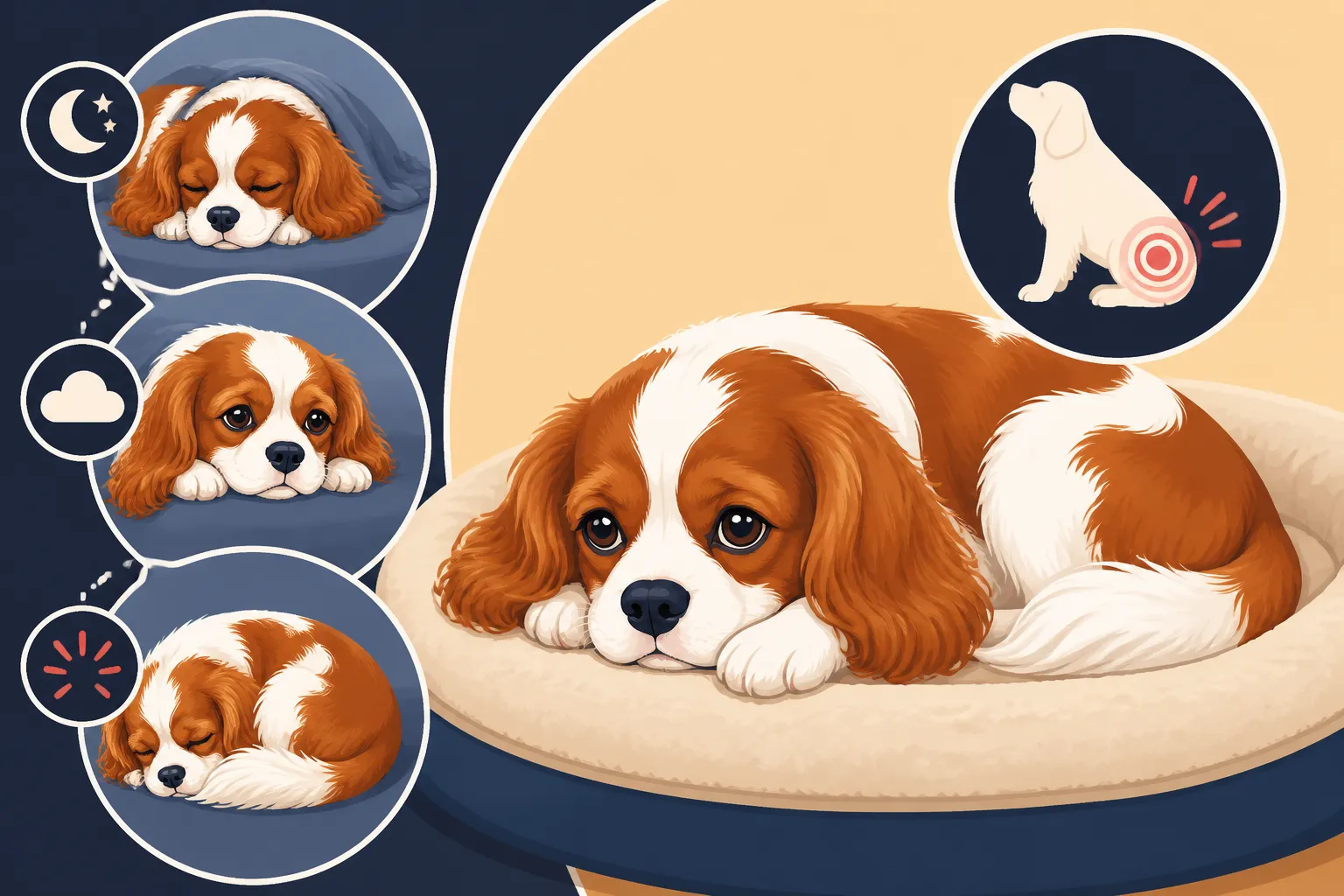
One of the most common and telling signs that a Cavalier is in pain is an inability to settle or stay settled during sleep. Instead of gracefully curling up and drifting off, you might notice your dog pacing, circling their bed multiple times, lying down for a moment, only to get up, sigh deeply, and try another spot. This cycle can repeat numerous times throughout the night or during a nap. It's a heartbreaking sight to witness, especially when your sweet pup, who usually loves nothing more than a long snooze, looks so unsettled.
Think about it from their perspective: they're trying desperately to find a position that doesn't put pressure on a sore joint, an aching back, or a tender muscle. Each shift is an attempt to alleviate that persistent discomfort. This kind of restlessness can be a strong indicator of generalized body pain, such as arthritis in multiple joints, or a nagging back problem that makes every position uncomfortable. If you see your Cavalier constantly shifting, fidgeting, or waking themselves up just to adjust, it's a clear signal to investigate further. You might also notice them trying to avoid certain movements, like struggling with A Cavalier That Refuses Stairs during the day, which can exacerbate nighttime discomfort.
Unusual Sleeping Positions
Another critical sign is when your Cavalier adopts completely new or unusual sleeping positions, especially if they abandon long-held favorites. Did your pup always sleep curled in a tight little donut, but now consistently stretches out like a hot dog? Or perhaps they used to love sprawling on their back with all four paws in the air, but now rigidly sleep on their side? These aren't just cute new habits; they're adaptive behaviors to pain.
A particularly common and concerning unusual position for Cavaliers, especially given their breed-specific health challenges, is sleeping with their head elevated. This isn't just a quirky preference for a pillow; it can be a desperate attempt to relieve pressure on a painful neck or head, often associated with conditions like syringomyelia. A Cavalier That Sleeps With Its Head Raised is often trying to manage discomfort. Conversely, if your Cavalier used to love snuggling under blankets but now avoids them, or if they prefer a hard floor over a soft bed (or vice versa), they might be seeking a surface that provides more, or less, support to a specific sore area.
Difficulty Getting Up or Lying Down
This sign is often less subtle and can be quite distressing to observe. When a Cavalier is in pain, the transition from standing to lying down, or from lying down to standing, becomes a deliberate and often labored process. You might see them brace themselves, move with stiff slowness, or even let out a soft groan or sigh as they lower their body. Getting up can involve a rigid push-up motion, taking much longer than it used to, or they might hesitate and struggle to find their balance.
This difficulty is a strong indicator of pain in their major joints – hips, knees, elbows, or even their spine. It means that the simple act of shifting their weight, which we take for granted, is causing them significant discomfort. If you notice a clear struggle, a sudden yelp when picked up, or a reluctance to initiate movement, it's imperative to get them checked by a vet. This isn't just "slowing down with age"; it's a sign that their quality of life is being impacted by pain. A Cavalier That Yelps When Picked Up could be reacting to this discomfort.
Increased Vocalization or Whining During Sleep
While not as common as restlessness, some Cavaliers in pain may vocalize more during sleep or as they're trying to settle. This could manifest as soft whimpers, low groans, or even a sudden yelp that rouses them (and you) from sleep. It's heartbreaking to hear your otherwise quiet companion cry out when they're supposed to be in their most peaceful state.
These vocalizations suggest that the pain is pervasive enough to break through their unconsciousness. They might be shifting slightly in their sleep, and that movement triggers an acute bout of pain, causing the involuntary sound. It could also be that the pain is manifesting in their dreams, making them restless and distressed even without conscious awareness of the source. Any increase in nighttime vocalizations, especially if accompanied by other sleep changes, should prompt a conversation with your veterinarian.
Avoiding Previous Favorite Sleep Spots
Cavaliers are creatures of habit, and they often have their favorite napping nooks – the sunny spot by the window, a particular corner of the sofa, or perhaps snuggled at the foot of your bed. When they suddenly and consistently avoid a spot they once adored, it's a strong clue that the environment itself is no longer comfortable for them due to pain.
For example, if your Cavalier used to love jumping onto the sofa for a nap but now struggles or outright refuses, they might be experiencing joint pain or back discomfort that makes jumping painful. A Cavalier That Stops Jumping on the Sofa is a clear signal. Conversely, if they used to prefer sleeping on a cool, hard tile floor but now seek out the thickest, most cushioned bed you own, they might be trying to find more support for aching joints. Changes in preferred sleep surfaces or heights are not trivial; they reflect an internal adjustment your Cavalier is making to minimize their pain.
Common Pain Sources in Cavaliers That Affect Sleep
Understanding the common causes of pain in Cavaliers can help you and your vet narrow down what might be affecting your dog's sleep. This breed is predisposed to certain conditions, making vigilance even more important.
Joint Pain and Arthritis
Just like humans, dogs can develop painful joint conditions, and Cavaliers are certainly not immune. As they age, or even earlier due to conformational issues, many Cavaliers experience arthritis. Conditions like patellar luxation (loose kneecaps) and hip dysplasia are also seen in the breed, contributing to chronic joint discomfort. Cavalier Knees, Hips and Joint Problems are a concern for many owners.
When a Cavalier suffers from joint pain, every movement can become a source of discomfort. Lying down involves flexing and extending joints, and getting up requires stability and strength. This constant ache makes it incredibly difficult to find a comfortable sleeping position, leading to restlessness and frequent adjustments. Imagine trying to sleep with a perpetually sore knee or hip – it's a battle to relax and stay still. The pain might be dull and constant, or sharp with certain movements, making deep, uninterrupted sleep nearly impossible.
Back and Neck Pain Syringomyelia
Perhaps one of the most significant and heartbreaking causes of pain in Cavaliers is syringomyelia (SM), often secondary to Chiari-like malformation (CM). This neurological condition occurs when the Cavalier's skull is too small for its brain, causing pressure and disrupting the flow of cerebrospinal fluid, which can lead to fluid-filled cavities (syrinxes) forming within the spinal cord. Syringomyelia and Chiari Malformation in Cavaliers are tragically common.
The resulting nerve pain, described by some experts as akin to a severe burning sensation or constant pins and needles, is excruciating and can dramatically impact a Cavalier's ability to sleep. Specific sleep signs of SM can include:
- Sleeping with the head raised: As mentioned earlier, this is a classic indicator, as it can reduce pressure on the neck and head.
- Restlessness: Constant shifting and inability to get comfortable due to the widespread nerve pain.
- Sudden yelps: A slight movement can trigger intense pain, causing them to cry out even in sleep.
- Reluctance to be touched: Cavaliers with SM often dislike being touched around their neck, chest, or ears, which can make settling down challenging.
If your Cavalier exhibits these signs, especially the elevated head sleeping or sudden yelps, it is crucial to consult your veterinarian immediately for a neurological assessment.
Dental Pain
Dental disease is often overlooked as a source of significant pain in dogs, but it can be excruciating. Cavaliers are particularly prone to dental issues due to their smaller mouths and crowded teeth. Cavalier Dental Disease in a Crowded Jaw means their teeth often don't have enough space, leading to plaque buildup, tartar, gum disease, and ultimately, painful infections and tooth loss.
Imagine trying to relax and sleep with a severe toothache. The throbbing pain can extend into the jaw and head, making it difficult to find a comfortable position for their face and head. They might favor one side of their mouth, drool more, or even refuse certain chews or hard kibble. This chronic discomfort can absolutely disrupt sleep, leading to restlessness, difficulty relaxing their facial muscles, and general irritability. Regular dental check-ups are vital, and if pain is suspected, a thorough oral examination under anesthesia may be necessary.
Abdominal Discomfort/Internal Pain
Sometimes, the pain isn't musculoskeletal but internal. Conditions like chronic pancreatitis, inflammatory bowel disease, or other gastrointestinal issues can cause significant abdominal discomfort. While these might not manifest as a limp, they can cause a generalized feeling of malaise and pain that makes settling for sleep incredibly difficult.
A Cavalier with abdominal pain might display restlessness, often trying to stretch out their body to relieve pressure or curling up tightly. They might seem bloated, pass gas more, or have changes in appetite and stool consistency. This type of pain isn't always obvious from the outside, but the internal discomfort can be just as disruptive to their sleep as a sore joint or an aching neck. It's vital to provide your vet with a full history of any other symptoms if you suspect internal pain.
Cardiac Pain Advanced MVD
While Mitral Valve Disease (MVD) itself doesn't cause pain in its early stages, as it progresses to End-Stage Heart Failure in a Cavalier, the secondary effects can lead to significant discomfort and sleep disturbances. When the heart struggles, fluid can build up in the lungs (pulmonary edema), making it very difficult for your Cavalier to breathe. This sensation is highly distressing and prevents them from finding a comfortable resting position.
Cavaliers in advanced heart failure often cannot lie flat for long periods because it worsens their breathing. They may try to sleep sitting up or with their head elevated, exhibiting restlessness, a persistent cough (especially at night), and an increased respiratory rate even when at rest. This isn't direct pain, but the acute discomfort and anxiety of not being able to breathe properly are incredibly disruptive to sleep and overall well-being. Regular check-ups are key to managing this disease, as knowing How Cavalier Heart Disease Progresses Stage by Stage can help you anticipate and address these issues.
Taking Action When Your Cavalier's Sleep Changes
Noticing changes in your Cavalier's sleep is the first, crucial step. The next is taking decisive action to get them the help they need. Don't dismiss these signs; they are your Cavalier communicating with you.
Observe and Document Thoroughly
Before you even pick up the phone to call your vet, spend a few days (if the changes aren't severe and sudden) meticulously observing and documenting what you're seeing. This detailed information will be invaluable to your veterinarian.
Keep a small log. Note down:
- Specific behaviors: Is it restlessness, specific positions, vocalizations, or difficulty getting up?
- When it happens: Is it only at night, or also during naps?
- Duration: How long have these changes been occurring?
- Accompanying symptoms: Any limping, changes in appetite, thirst, urination, or energy levels during the day?
- Triggers: Does the pain seem worse after a certain activity or at a particular time of day?
Perhaps the most powerful tool you have is your smartphone. Take short videos of your Cavalier exhibiting these sleep changes. A video of them struggling to get comfortable, trying to get up slowly, or even whimpering in their sleep can provide your vet with a visual understanding that words alone cannot convey. Many owners find this invaluable, especially for conditions like Living With a Cavalier That Has Syringomyelia, where symptoms can be episodic. This documentation helps prevent the "they never do it at the vet" syndrome.
Schedule a Vet Visit Promptly
Once you've documented your observations, do not delay. Pain, especially chronic pain, significantly diminishes your Cavalier's quality of life. Schedule an appointment with your veterinarian as soon as possible. Be clear when you call about the nature of the issue – "My Cavalier's sleep habits have drastically changed, and I suspect pain." This can help ensure they allocate appropriate time for the examination.
During the visit, be prepared to share your detailed notes and videos. Your vet will perform a thorough physical examination, assessing their joints, spine, and overall mobility. They may gently palpate areas to check for tenderness. Don't be afraid to be specific about what you've noticed. This direct information, combined with their professional assessment, will help guide diagnostic steps.
Consider Pain Management Options
The specific treatment will depend entirely on your Cavalier's diagnosis. Your vet may recommend a range of diagnostic tests:
- X-rays: To assess bone and joint health, looking for arthritis or other orthopedic issues.
- Blood tests: To check for underlying inflammatory conditions or organ function that might contribute to discomfort.
- Specialized imaging: For suspected neurological issues like syringomyelia, an MRI is often necessary to get a definitive diagnosis. It's a significant investment, but understanding What a Cavalier MRI Scan Costs and Shows can help you prepare.
Once a diagnosis is made, your vet will discuss pain management. This could include:
- NSAIDs (Non-Steroidal Anti-Inflammatory Drugs): For musculoskeletal pain and inflammation.
- Nerve pain medication: Drugs like Gabapentin are often prescribed for neuropathic pain associated with conditions like syringomyelia. Pain Relief for a Cavalier With Syringomyelia is crucial for comfort.
- Joint supplements: Glucosamine, chondroitin, and Omega-3 fatty acids (fish oil) can support joint health, though always discuss these with your vet before starting.
- Other medications: Muscle relaxants or other therapies may be part of a comprehensive pain management plan.
Optimize Their Sleeping Environment
While you're working with your vet on diagnosis and medication, you can also make immediate changes to their sleeping environment to enhance comfort.
- Orthopedic Beds: This is perhaps the easiest and most impactful change. Invest in a high-quality orthopedic dog bed. These beds, often made with memory foam, distribute weight evenly, reduce pressure points, and provide excellent support for aching joints and spines. Many excellent options are available from retailers like Amazon. Look for designs with bolsters that allow them to rest their head or body.
- Warmth or Coolness: For dogs with arthritis, gentle warmth can be soothing. A pet-safe heated bed on a low setting might offer immense comfort. Conversely, if your Cavalier seems to overheat, a cooling mat could provide relief.
- Accessibility: If your Cavalier struggles to jump onto the sofa or bed, consider ramps or pet steps. These eliminate the need for painful jumps and allow them to access their favorite elevated resting spots safely. Training companies like BAXTER & Bella, while focused on behavior, often emphasize creating a safe and comfortable home environment, which includes thoughtful considerations for physical comfort.
- Quiet and Dark Space: Ensure their sleeping area is quiet, dark, and free from disturbances, allowing for the best chance at uninterrupted sleep.
Gentle Exercise and Physiotherapy
Maintaining appropriate, gentle movement is key. While intense exercise might be out of the question, complete inactivity can worsen stiffness and muscle atrophy. Discuss with your vet what level of exercise is appropriate for your Cavalier's condition. Short, controlled walks on a leash, rather than vigorous play, might be beneficial. Remember, Whether Exercise Is Safe for a Cavalier With MVD depends on the stage of their heart disease, so always consult your cardiologist.
For some conditions, canine physical therapy or hydrotherapy can provide immense relief. A certified canine rehabilitation therapist can design a customized exercise program to strengthen muscles, improve range of motion, and reduce pain. Water therapy, in particular, allows for movement without putting stress on joints. These professional interventions can significantly improve your Cavalier's comfort and, by extension, their sleep quality.
Sleep Change Signals & Potential Causes
Here's a quick summary to help you connect the dots between observation and potential underlying issues:
| Characteristic | Normal Cavalier Sleep | Pain-Affected Cavalier Sleep | Potential Underlying Causes |
|---|---|---|---|
| Settling Time | Quick, few adjustments, easily finds comfort | Prolonged, restless, frequent circling/standing/lying | Arthritis, joint pain, back pain, generalized discomfort |
| Positions | Wide variety, often curled, stretched, on back, shifts easily | Limited positions, consistently stretched, head elevated, avoids certain sides | Joint pain (hips, knees), neck pain (Syringomyelia), muscle strain |
| Movements | Smooth transitions, relaxed body | Stiff, hesitant, groaning, yelps when shifting, slow to rise | Arthritis, hip/elbow dysplasia, patellar luxation, back issues |
| Vocalizations | Soft snores, occasional dream whimpers | Frequent whimpering, crying, sighing, restless sounds | Acute joint pain, nerve pain (Syringomyelia), severe dental pain |
| Preferred Spots | Enjoys a range of beds, floor, furniture, consistent choices | Avoids previous favorite spots, seeks softer/harder surfaces, shuns heights | Arthritis, back pain, Syringomyelia, general body stiffness |
| Overall Quality | Deep, restorative, wakes refreshed | Fragmented, light, wakes stiff or still uncomfortable | Any chronic pain, severe cardiac distress |
Disclaimer
This article is for general informational purposes only and does not constitute professional advice. Laws, prices and regulations vary by location and change over time. Consult a qualified professional for guidance on your specific situation.