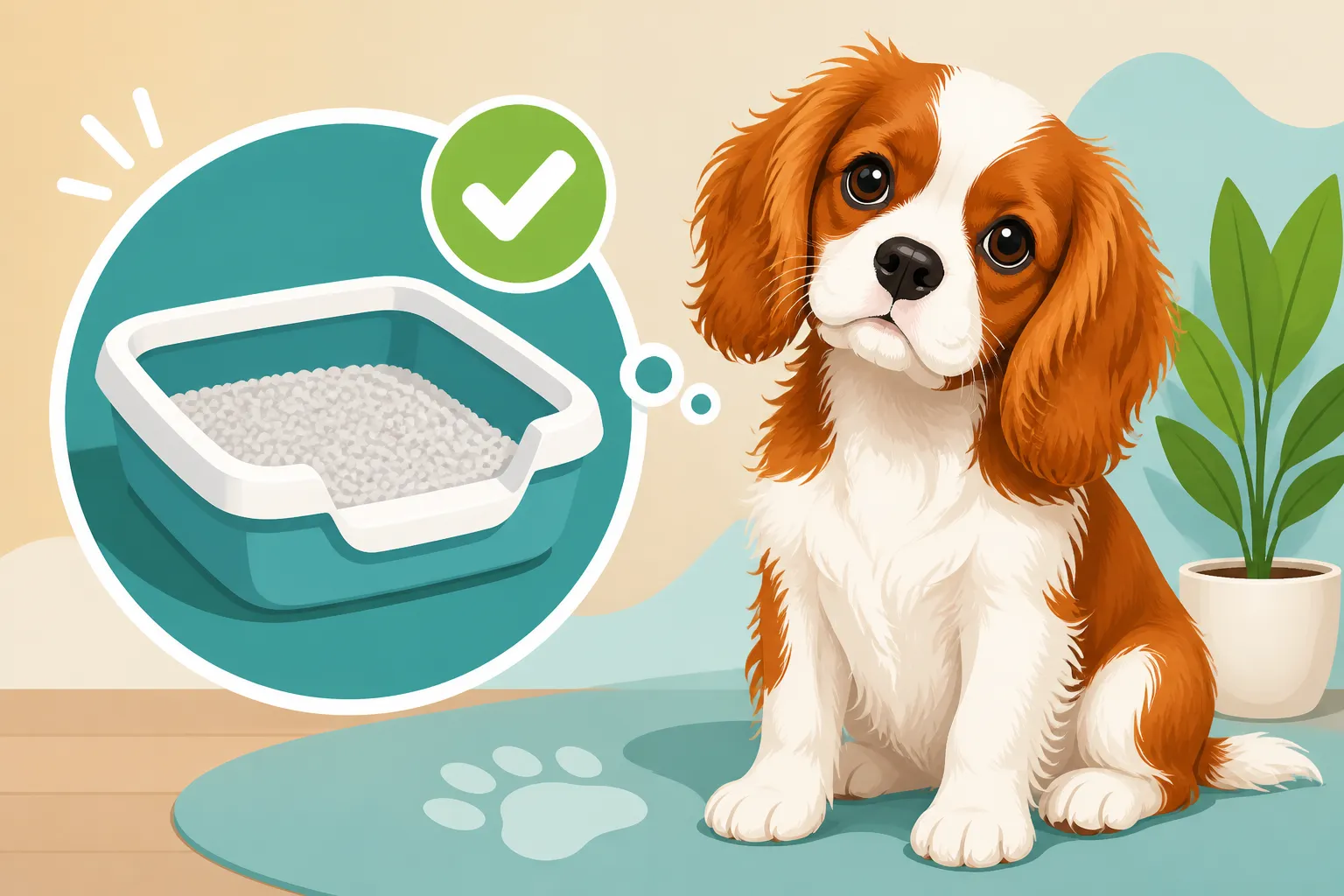
Whether a Cavalier Can Be Litter Trained
It's a common dilemma for many small dog owners, particularly those living in apartments, dealing with unpredictable weather, or managing personal mobility challenges: the thought of whether traditional outdoor potty training is truly the only way. You might be wondering if your sweet Cavalier King Charles Spaniel could possibly be litter trained, offering a convenient alternative to those rushed trips outside. This guide is here to explore the realities of litter training a Cavalier, diving into the feasibility, methods, and what you can genuinely expect.
The Appeal of Litter Training for Cavaliers and Their Humans
Let's face it, the idea of not having to brave a downpour at 2 AM or worrying about your elderly Cavalier navigating icy steps can be incredibly appealing. For many Cavalier owners, indoor potty solutions aren't just about convenience; they're about practicality and providing a comfortable, consistent option for their beloved companion.
Why Owners Consider Indoor Potty Options
Life with a Cavalier often means navigating their sensitive nature and sometimes, the realities of our own living situations. Apartment dwellers, for example, often face the challenge of multiple flights of stairs or a long elevator ride just to get outside, which can be particularly difficult for a young puppy or an aging dog with joint issues. Imagine trying to rush a tiny Cavalier puppy down several floors when they've just woken up and really have to go! Then there's the weather—Cavaliers, with their delicate coats and love for comfort, aren't always thrilled about rain, snow, or extreme heat. These factors alone can make the thought of a dedicated indoor potty area incredibly tempting, especially if you're trying to prevent Accidents in a House-Trained Cavalier.
Beyond logistics, some owners have health considerations of their own that make frequent outdoor trips a strain. Perhaps you have limited mobility, or you work long hours and worry about your Cavalier being left too long without a potty break. For these reasons, exploring indoor alternatives isn't just a luxury; it can be a necessity for maintaining both your and your dog's quality of life. The dream is a neat, contained solution that allows your Cavalier to relieve themselves without fuss, no matter what's happening outside.
Understanding the Cavalier's Nature and Potty Habits
Cavaliers are generally eager to please, which can be a huge advantage in any training endeavor, including potty training. They thrive on positive reinforcement and affection, responding much better to gentle guidance than to harsh corrections. This innate desire to make you happy can translate into a relatively straightforward training process, provided you are consistent and patient. However, they are also creatures of habit. Once a routine is established, they tend to stick to it, which means consistency on your part is paramount, whether you're teaching them to go outside or inside.
Their small size is another factor that often makes owners consider indoor solutions. A small amount of urine from a Cavalier is far less daunting to clean up than that from a larger breed. This doesn't mean it's mess-free, but the scale of any "oops" moments is generally smaller. Cavaliers also tend to be quite clean dogs by nature, often preferring not to soil their den or living space, which can aid in directing them to a specific potty area. However, it's crucial to remember that even the most eager-to-please Cavalier needs clear communication and a well-structured plan to understand what's expected of them. You can't just expect them to instinctively know what a litter box is for.
Setting Up for Success: Materials and Environment
Successfully litter training your Cavalier starts long before the actual training begins. It's all about choosing the right tools and creating an environment that encourages your dog to use their designated potty spot consistently. Without a thoughtful setup, you're essentially asking your Cavalier to guess your intentions, which rarely leads to success.
Choosing the Right Indoor Potty System
When it comes to indoor potty solutions, you've got a few main options, each with its own set of pros and cons that are worth weighing for your Cavalier. The most common choice is puppy pads, which are absorbent sheets designed to soak up urine. They are relatively inexpensive and widely available, often found in large packs on platforms like Amazon. The downside? They can be messy if your Cavalier misses the mark, or if they decide to shred them. They also don't always contain odors as effectively as other options. For some dogs, the soft texture might feel too much like a rug or carpet, leading to confusion about where else it's okay to go.
Then there are artificial grass patches. These often come with a tray underneath to collect liquid and an absorbent pad for easy cleanup. Many dogs are drawn to the grassy texture, instinctively recognizing it as a more natural place to relieve themselves. This can be a great option for Cavaliers who might be hesitant about plain pads or who might struggle with the concept of Toilet Training a Cavalier in an Apartment where real grass isn't readily available. However, they require regular cleaning to prevent odor and can be more expensive upfront than a simple pack of pads. Finally, there are dedicated dog litter boxes, which resemble large cat litter boxes but are designed for canine use, sometimes with a lower entry point. These can use special litter (often made of paper pellets or similar absorbent materials) or even puppy pads. The main benefit here is containment and potentially better odor control, but some Cavaliers might be particular about the texture or feeling of the litter.
Here’s a quick overview of indoor potty options:
| Option | Pros | Cons | Best For |
|---|---|---|---|
| Puppy Pads | Inexpensive, readily available, disposable | Can be messy if missed, easily shredded, less odor control | Small puppies, temporary solutions, budget-conscious owners |
| Artificial Grass | Natural feel for dogs, often includes collection tray | Requires regular cleaning, can be bulky, higher initial cost | Dogs who prefer a "natural" texture, owners wanting less waste |
| Dog Litter Box | Excellent containment, good odor control (with litter) | Can be bulky, dogs might be particular about litter texture | Owners seeking maximum containment, dogs who take well to varied textures |
Creating a Dedicated Potty Space
Once you've chosen your indoor potty system, the next critical step is establishing a consistent, dedicated space for it. This isn't just about throwing a pad on the floor; it's about making a conscious decision about where this potty area will be and ensuring it remains consistent. The ideal location should be quiet, easily accessible for your Cavalier, and importantly, away from their feeding and sleeping areas. Dogs, including Cavaliers, are instinctively clean creatures who prefer not to soil their immediate living space. Placing a potty pad right next to their bed or food bowl can cause confusion and reluctance to use it.
Consider a corner of a utility room, a bathroom, or a quiet spot in a living area that isn't high-traffic. Consistency in location is crucial; once you've picked a spot, stick with it. Moving the potty area around constantly will only confuse your Cavalier and make training much harder. For instance, if you're Cavalier Puppy Toilet Training Indoors, having a consistent spot helps them build a strong association. Keeping the area clean is also paramount. Even with the best absorbent pads or litter, odors will build up if not regularly changed or cleaned, making the spot unappealing to your Cavalier and your nose! Regular cleaning will reinforce that this is their special, clean bathroom area, and not just another spot on the floor.
The Training Process: From Puppy to Potty Pro
Now for the hands-on part! Training your Cavalier to use an indoor potty system requires patience, consistency, and a deep understanding of positive reinforcement. Remember, your Cavalier wants to please you, but they can't do that if they don't understand the rules.
Introducing the Litter Box or Pad
The key to successful litter training, much like any other dog training, lies in positive reinforcement and consistency. Start by taking your Cavalier to their designated potty area frequently. This means immediately after waking up, after meals, after playing, and before bedtime. These are prime potty times. When you take them to the spot, use a consistent verbal cue like "Go potty" or "Do your business." Lead them to the pad or litter box and wait patiently. Don't play or distract them; this is business time. You might need to restrict their access to other areas of the house initially, perhaps using a playpen or baby gates, to limit accidents elsewhere.
The moment your Cavalier uses the potty area, it's time for a huge celebration! Shower them with praise, offer a high-value treat, and perhaps a quick, happy play session. This immediate positive feedback helps them understand that using this specific spot is a fantastic decision. Never scold them for accidents outside the area; simply clean them up thoroughly with an enzymatic cleaner to remove any scent that might attract them back to that spot. Products like those you can find on Amazon are great for this. If you catch them in the act of having an accident, a quick, firm "No!" and immediately taking them to the designated potty area might help redirect them, but avoid punishment, as it can cause fear and set back your training. For more structured guidance, online training programs, such as those offered by BAXTER & Bella, can provide step-by-step instructions and support for introducing new behaviors. Remember, Training a Cavalier With Praise Rather Than Pressure is always the most effective approach.
Troubleshooting Common Litter Training Challenges
Even with the best intentions and consistent effort, you might hit a few bumps in the road when litter training your Cavalier. One of the most common issues is accidents happening outside the designated potty area. This usually boils down to a few factors: giving your Cavalier too much freedom too soon, not supervising them closely enough, or simply not taking them to the potty area often enough. A puppy, especially, has a tiny bladder and cannot hold it for very long. If you're seeing accidents, it's a sign you need to tighten up your routine: more frequent trips to the pad, more supervision, and perhaps less free-roaming time.
Another challenge can be your Cavalier's refusal to use the potty area at all. This could be due to a dislike of the texture (e.g., they prefer a soft carpet to a synthetic grass patch), the location feeling unsafe or too busy, or perhaps the area isn't clean enough. Try experimenting with different types of indoor potty systems or relocating the spot to a quieter, more private corner. Sometimes, a dog might regress in their training due to stress, a change in routine, or an underlying health issue. A new family member, a move, or even feeling unwell can cause a temporary setback. If your previously trained Cavalier suddenly starts having accidents, a vet visit might be in order to rule out any medical reasons, such as a urinary tract infection, which can cause them to forget their training. This is particularly important for Caring for a Cavalier Past Nine, as older dogs can sometimes develop incontinence.
Pros and Cons of Litter Training a Cavalier
Deciding whether to litter train your Cavalier is a personal choice, and it's important to weigh both the benefits and potential drawbacks. While it offers undeniable convenience for some, it's not a perfect solution for every household or every dog.
The Advantages for Cavalier Owners
For many Cavalier owners, the advantages of successful litter training are quite significant. Foremost among them is the sheer convenience. Imagine no longer having to interrupt a cozy evening to take your dog outside, or knowing that if you're delayed coming home, your Cavalier has a reliable spot to relieve themselves. This can be a game-changer for individuals who work long hours or have unpredictable schedules. It offers independence from the weather, which is especially beneficial for Cavaliers who despise getting wet or cold, ensuring they're always comfortable when nature calls.
Litter training can also provide a safer potty solution. It reduces your Cavalier's exposure to outdoor hazards like parasites, unknown chemicals on grass, or encounters with aggressive dogs. For an elderly Cavalier with arthritis or a young puppy not fully vaccinated, an indoor potty offers a controlled and safe environment. This can be especially helpful for older dogs requiring Pain Management for a Senior Cavalier who might struggle with stairs or long walks. It gives you peace of mind, knowing your furry friend has a constant, accessible bathroom, regardless of what's happening outside your door.
The Potential Drawbacks and What to Expect
While the benefits are clear, it's equally important to consider the potential drawbacks of litter training your Cavalier. The most immediate concern for many is the potential for mess and odor. While indoor potty systems are designed to contain waste, accidents can and do happen, and if not managed meticulously, odors can quickly accumulate. You'll need to be diligent about cleaning and changing pads or litter to keep your home fresh. This involves an ongoing commitment to hygiene, which some owners might find more demanding than simply taking their dog outside.
Another significant consideration is the potential difficulty in transitioning a litter-trained Cavalier to outdoor potty habits later on. If your dog is exclusively trained indoors, they might be confused or reluctant to go outside when presented with new textures, smells, and distractions. This can limit their ability to adapt to new environments or travel situations. Furthermore, relying solely on indoor potty solutions might reduce certain socialization opportunities that come with regular outdoor walks and encounters with other dogs and people. While not every walk needs to be a social event, these regular excursions contribute to a well-rounded and confident Cavalier, and it’s important to consider if Daycare Prices for a Cavalier That Hates Alone Time might be a better option for socialization. It's a trade-off: convenience versus a more traditional dog experience.
Navigating the Decision: Is Litter Training Right for Your Cavalier?
Ultimately, the decision to litter train your Cavalier comes down to your individual circumstances, your dog's temperament, and your lifestyle. There's no one-size-fits-all answer, but by carefully evaluating your needs and your Cavalier's personality, you can make the best choice for both of you.
Assessing Your Cavalier's Personality and Needs
Think about your Cavalier's specific quirks and preferences. Do they hate going out in the rain or cold? Do they have a particularly sensitive bladder? Are they generally eager to please and quick to pick up new routines, or do they tend to be more stubborn or easily distracted during training? A Cavalier who is naturally clean and keen to avoid soiling their living space might take to litter training more readily. Consider their age and health status too. For a very young puppy, it can be a lifesaver in those early weeks when their bladder control is minimal. For an older Cavalier dealing with Cavalier Knees, Hips and Joint Problems or Mitral Valve Disease in the Cavalier King Charles Spaniel that makes frequent outdoor trips difficult, an indoor option can significantly improve their comfort and quality of life.
On the other hand, if your Cavalier thrives on outdoor adventures, loves to explore, and has robust health, exclusively training them indoors might feel like you're missing out on some of the joyful experiences of dog ownership. Remember that mental and physical stimulation from outdoor walks are vital for a Cavalier's overall well-being. If you choose an indoor potty, you'll need to ensure your Cavalier still gets plenty of enriching activities and opportunities to stretch their legs and sniff around.
Your Lifestyle and Commitment to the System
Your own lifestyle plays a huge role in whether litter training is a practical and sustainable solution. If you live in a high-rise apartment, have a demanding work schedule, or face personal mobility challenges, an indoor potty system can be incredibly helpful. It might reduce stress for both you and your Cavalier, ensuring that their potty needs are met consistently. However, it's crucial to be realistic about the commitment involved in maintaining the system. Are you prepared to regularly clean, change, and manage the indoor potty area to keep it hygienic and odor-free? This isn't a "set it and forget it" solution.
If you envision frequent travel or holidays with your Cavalier, consider how a litter-trained dog might adapt to different environments. Will hotels or friends' houses be prepared for an indoor potty setup? While an indoor system provides convenience at home, it can create new challenges when you're away. Conversely, a fully outdoor-trained dog might struggle if you suddenly switch to indoor-only when visiting a place that requires it. The best approach might even be a hybrid one for some families: teaching your Cavalier to go both outside and on an indoor pad for emergencies or bad weather. This offers the most flexibility and can be a fantastic compromise for those who want the best of both worlds.
Disclaimer
This article is for general informational purposes only and does not constitute professional advice. Laws, prices and regulations vary by location and change over time. Consult a qualified professional for guidance on your specific situation.