Whether an Older Cavalier Bonds With New Owners
Bringing an older Cavalier King Charles Spaniel into your home is an incredibly compassionate act, but it often comes with a secret worry: will they ever truly bond with you? It’s a very real concern for many new owners, fearing that a dog with a past might be set in their ways or too heartbroken to open their heart again. This comprehensive guide is here to reassure you that deep, loving connections are absolutely possible with older Cavaliers, and we'll walk through exactly how to build that beautiful relationship.
Understanding the Older Cavalier's Emotional Landscape
When you welcome an older Cavalier into your life, whether through rescue or adoption, you're not just getting a dog; you're adopting their entire life story. They carry experiences, both good and bad, which shape how they approach a new home. Understanding this emotional backdrop is the first step to truly connecting with them.
The Cavalier's Inherently Affectionate Nature
Cavalier King Charles Spaniels are renowned for their sweet, gentle, and utterly devoted personalities. They are often called "Velcro dogs" for a reason – they thrive on companionship and physical closeness with their people. This isn't something they grow out of with age; in fact, an older Cavalier often cherishes comfort and connection even more deeply. Their inherent desire to be near you, to snuggle, and to offer quiet comfort is a huge advantage when starting a new relationship. It's like they come pre-wired for love, even if their past has temporarily dimmed that spark. You'll find that their instinct is to seek out warmth and affection, making them incredibly receptive to a kind, patient new owner. Think of their previous life experiences as layers over this core nature; with time and gentle effort, those layers can peel away to reveal the loving Cavalier beneath.
Factors Influencing an Older Dog's Attachment
While their breed standard sets them up for success, many individual factors can influence how quickly and deeply an older Cavalier bonds. A dog that came from a loving, stable home, but perhaps lost their owner, might grieve intensely but also be very open to a new relationship once they process their loss. Their experience of human kindness is intact, and they simply need to transfer that affection. On the other hand, a Cavalier rescued from neglect or a puppy mill environment might be far more reserved. They might have learned to be invisible or that human hands are unpredictable. Such a dog requires immense patience and a very slow, gentle approach, as their foundational trust in humans may be fractured. Building Confidence in a Cavalier From a Breeding Kennel often means starting from square one, teaching them that your touch is safe, your voice is kind, and your presence is a source of comfort, not fear. Health issues, too, can play a significant role. A dog in chronic pain might be withdrawn or even reactive when touched in certain areas, which can easily be mistaken for a lack of affection. It's crucial to rule out any underlying medical conditions early on.
Strategies for Building a Strong Bond
Building a bond with an older Cavalier is a marathon, not a sprint. It's about consistency, empathy, and creating an environment where they feel utterly safe and cherished. This isn't just about feeding them; it's about feeding their soul.
Creating a Secure and Predictable Environment
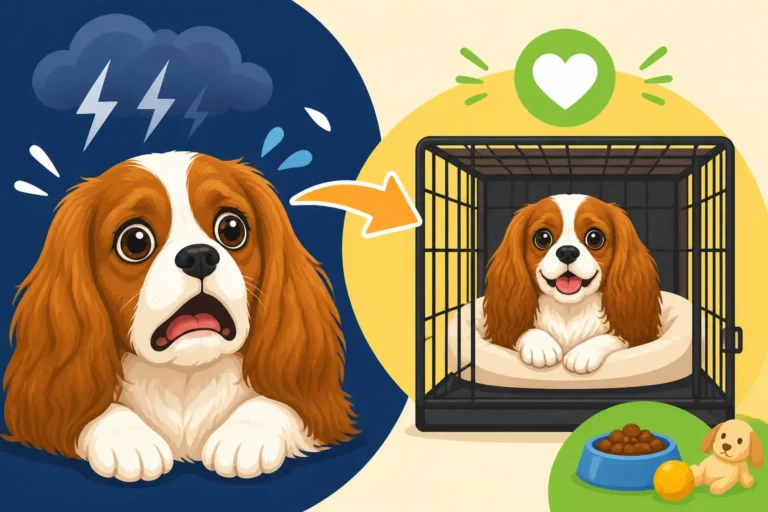
One of the most powerful tools you have is predictability. Imagine being uprooted from everything you've ever known – it's disorienting and scary. For your older Cavalier, a new home can feel much the same. Establishing a consistent daily routine can work wonders in helping them settle. This means feeding times, potty breaks, short walks, and bedtime should happen around the same hours each day. This rhythm provides a sense of security, allowing them to anticipate what comes next and reducing anxiety. A quiet, comfortable "den" or crate, even if the door is left open, can become their safe haven. Fill it with soft blankets and perhaps a chew toy. Make sure they have a designated sleeping spot that is warm and secure. For some Cavaliers, particularly those with a history of anxiety or trauma, a calming pet bed or a quiet corner can be invaluable. Products found on platforms like Amazon, for instance, often include beds with raised sides or specific calming features designed to provide a sense of security. Remember, the goal is to make your home feel like a sanctuary, not another confusing new place.
Consistent and Positive Reinforcement
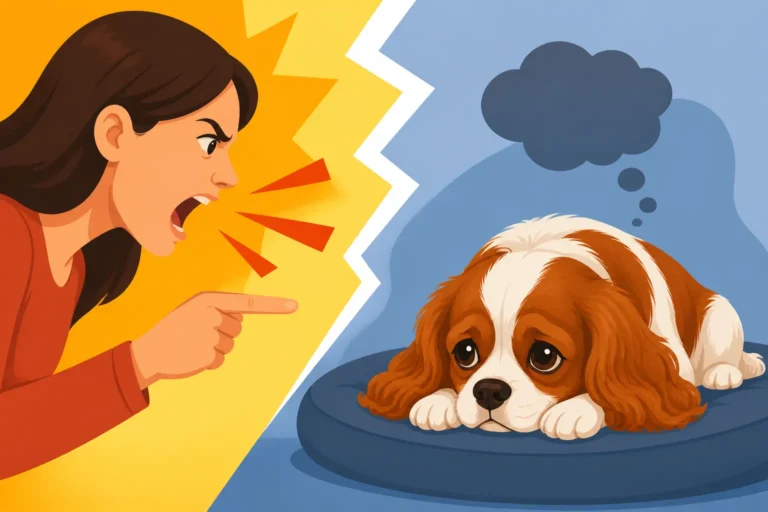
Older Cavaliers, like all dogs, respond beautifully to positive reinforcement. Forget the outdated notion that older dogs can't learn new tricks or change their ways; they absolutely can, and doing so together strengthens your bond. Every time your Cavalier chooses to lie near you, takes a treat gently, or tolerates a quick ear rub, acknowledge it with soft praise, a gentle stroke, or a tiny, delicious treat. This isn't about bribing them; it's about communicating that their choices to be calm and engage with you lead to good things. Avoid any harsh corrections or loud noises, as these can easily undo weeks of trust-building, especially for a sensitive Cavalier. Training sessions should be short, fun, and always end on a positive note. Enroll in an online positive reinforcement course, perhaps from a reputable platform like BAXTER & Bella, which can guide you through gentle methods of teaching basic manners and building confidence. Reward-Based Training With a Cavalier is not just effective for learning commands; it's a profound way to build a positive association with you.
Gentle Handling and Understanding Their Limits
Cavaliers are generally very cuddly, but an older dog, especially one with an unknown past or potential underlying health issues, might have limits. Always approach them slowly, speak in a soft voice, and extend your hand for them to sniff before reaching out to pet. Observe their body language carefully. Are their ears back? Are they licking their lips or looking away? These are signs they might be uncomfortable. Start with gentle strokes on their chest or shoulders, avoiding their head or hindquarters until you know they are truly relaxed. If your Cavalier yelps when picked up or seems hesitant about certain movements, it could be a sign of pain. A Cavalier That Yelps When Picked Up is a serious indicator that needs veterinary attention. Many older Cavaliers develop joint pain or conditions like syringomyelia, which can cause extreme sensitivity to touch. For such dogs, specialized harnesses, like those found on Amazon that distribute pressure away from the neck and back, can make walks more comfortable and handling less stressful. Harnesses Suited to a Cavalier's Neck can be a game-changer for their comfort and your peace of mind. Regular, gentle grooming sessions, kept short and positive, can also become a bonding experience, accustoming them to your touch in a pleasant way.
Navigating Common Challenges and Patience
It's easy to feel disheartened if your older Cavalier isn't immediately snuggling into your lap. Remember, patience is your most valuable asset. It can take weeks, even months, for a deeply traumatized dog to truly let down their guard.
Addressing Past Trauma or Insecurity
Some older Cavaliers may arrive with a clear history of neglect, abuse, or simply being moved around too much. This can manifest as shyness, fearfulness, resource guarding (protecting food or toys), or even mild aggression. For a Cavalier coming from a high-stress environment, such as a large-scale breeding operation, Building Confidence in a Cavalier From a Breeding Kennel requires dedicated effort. They may have never experienced a soft bed, individual attention, or even a walk on a leash. These dogs need a quiet home, minimal stimulation at first, and a consistent, gentle approach. Give them space. Don't force interaction; let them come to you. Leave a trail of high-value treats (like small pieces of cooked chicken or cheese) near you as you sit quietly, allowing them to approach on their own terms. Sometimes, simply sitting in the same room, reading or watching TV, without directly interacting, can help them acclimate to your presence as non-threatening. For profound insecurity or anxiety, consider discussing Calming Supplements for an Anxious Cavalier with your vet, or even consulting with a professional behaviorist, as they can offer tailored strategies.
Realistic Expectations for Bonding Timelines
While the heartwarming stories of instant connections exist, it's more common for the bonding process with an older Cavalier to be a gradual unfolding. Many people expect love at first sight, and when it doesn't happen, they worry something is wrong. Give your Cavalier space and time. The "rule of threes" is a common guideline in rescue circles:
- 3 days: They're overwhelmed. Everything is new, scary, and they're just trying to survive. Don't expect much interaction.
- 3 weeks: They're starting to settle in. The routine is becoming familiar, and their personality might begin to emerge. They might start seeking out quiet affection.
- 3 months: They're feeling at home. They understand the routine, feel safe, and are likely to be showing their true colors, including strong affection for you.
Of course, this is just a guideline. Some dogs bond faster, others take longer. A Cavalier who has known deep loss might take longer to grieve and trust again. A dog who has What Changes in a Cavalier After Eight years of habits and history might not instantly revert to puppy-like enthusiasm. Celebrate small victories – a tail wag, a head resting on your lap, a relaxed sigh. These are all profound signs of trust building.
Recognizing Subtle Signs of Affection
Sometimes, we miss the quiet ways our older Cavaliers show their love. It might not be boisterous jumps or licks to the face. It could be:
- Following you quietly: They don't need to be touching you, but they're always in the same room. This is the "Velcro" nature at play.
- Leaning against you: A subtle lean when you're sitting on the sofa is a huge sign of comfort and trust.
- Making eye contact: A soft gaze that isn't fearful or demanding, but simply observing and connecting.
- Relaxed posture in your presence: A Cavalier who stretches out, rolls onto their back, or sleeps soundly near you is showing immense trust.
- Presenting their toys: They might bring you a toy, not necessarily to play fetch, but as an offering or an invitation.
- The "Cavalier sigh": That deep, contented sigh they give when they settle down next to you, indicating pure comfort and happiness.
These subtle gestures are just as meaningful, if not more so, than overt displays. They show your Cavalier is letting their guard down and truly feels safe with you. Be present and notice these moments; they are the bedrock of your growing bond.
| Stage of Adjustment | Typical Timeline | Key Behaviors Observed | What You Can Do |
|---|---|---|---|
| Overwhelmed | First 3 days | Hiding, quiet, not eating much, observing surroundings, little interaction | Provide quiet space, maintain routine, gentle voice, no forced interaction |
| Settling In | First 3 weeks | Personality emerging, following you, eating better, learning routine, some tentative interaction | Continue routine, positive reinforcement, short play, gentle handling |
| Feeling at Home | First 3 months | Seeking affection, playful, relaxed, responsive, strong bond forming | Reinforce positive behaviors, deepen connection, explore activities |
When to Seek Professional Guidance
While most older Cavaliers will eventually bond with their new owners with time and patience, there are situations where seeking professional help is not only warranted but highly recommended. Don't view it as a failure on your part, but rather as another act of love for your furry family member.
Consulting a Certified Professional Dog Trainer
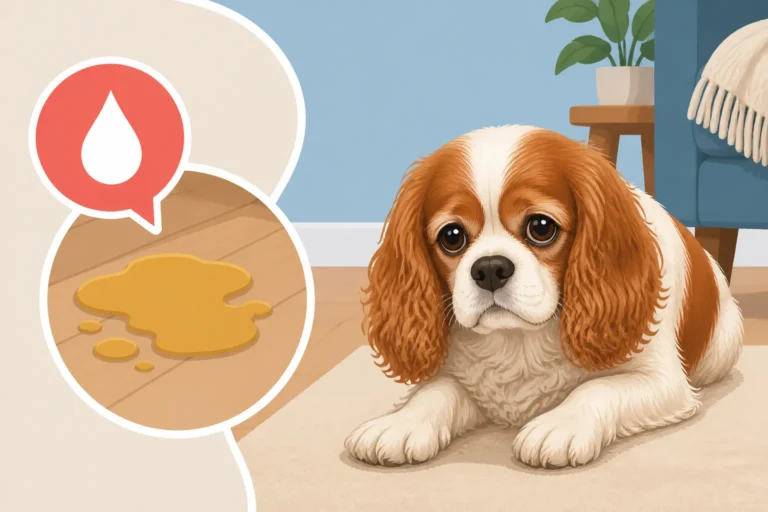
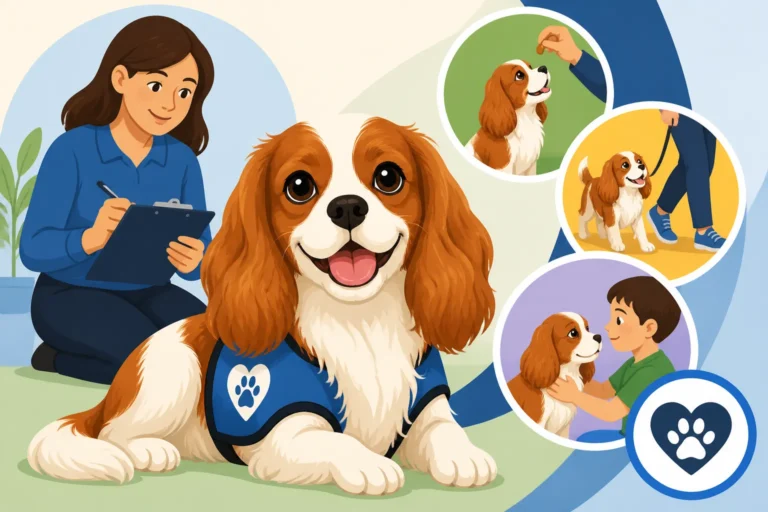
If your older Cavalier exhibits behaviors that seem beyond your ability to manage – such as severe fear, aggression, extreme anxiety, or persistent house-soiling despite a consistent schedule – a certified professional dog trainer or a veterinary behaviorist can be an invaluable resource. They can assess your dog's specific history and current behavior, helping you understand the root cause of the issues. For instance, a dog who seems unwilling to bond might actually be struggling with unresolved separation anxiety from a previous home, and a trainer can guide you through specific exercises to help them Build a Cavalier's Tolerance for Being Left. They can also help implement a Reward-Based Training With a Cavalier program tailored to your dog's unique needs, focusing on building confidence and positive associations rather than just suppressing unwanted behaviors. Look for trainers who use fear-free, positive reinforcement methods, as harsh techniques can be detrimental to an already sensitive or insecure older Cavalier.
The Role of Your Veterinarian
Your veterinarian is your primary partner in ensuring your older Cavalier's well-being, which directly impacts their ability to bond. Before you even start thinking about bonding, a thorough vet check-up is paramount. Many behavioral issues in older dogs, such as sudden aggression, withdrawal, or reluctance to be touched, are often rooted in undiagnosed pain or medical conditions. For example, The Age Cavalier Syringomyelia Signs Begin means many older Cavaliers may be experiencing subtle (or not so subtle) discomfort. Conditions like arthritis, dental disease, or even early cognitive dysfunction can significantly alter a dog's demeanor. Pain Management for a Senior Cavalier can transform a grumpy, withdrawn dog into a comfortable, affectionate companion. If your Cavalier has been diagnosed with a heart murmur, understanding How Cavalier Heart Disease Progresses Stage by Stage can help you adapt their exercise and routine, keeping them comfortable and less stressed. Never underestimate the impact of physical health on emotional availability. Your vet can rule out medical causes for behavior and recommend appropriate treatments, allowing your Cavalier to feel well enough to truly connect with you.
Bringing an older Cavalier into your home and heart is a truly rewarding experience, one filled with the quiet joy of watching a dog blossom under your care. While it might take time, patience, and a deep understanding of their unique journey, the bond you forge will be incredibly profound and lasting. It’s a testament to the resilient spirit of these wonderful dogs and the incredible power of your unwavering love and commitment.
Disclaimer
This article is for general informational purposes only and does not constitute professional advice. Laws, prices and regulations vary by location and change over time. Consult a qualified professional for guidance on your specific situation.