Brushing a Cavalier in Sections So Nothing Is Missed
Every Cavalier owner knows the bittersweet struggle: that gorgeous, silky coat is a magnet for tangles and mats. It can feel overwhelming trying to keep up, often leading to painful knots for your beloved companion and frustration for you. This guide will walk you through a detailed, section-by-section approach to brushing your Cavalier King Charles Spaniel, ensuring no mat is missed and making grooming a much more positive experience for both of you.
Why Sectional Brushing is Essential for Cavaliers
Your Cavalier's beautiful coat, with its luxurious feathering, is one of its most defining characteristics. But it's also a double-edged sword when it comes to grooming. Unlike dogs with thick undercoats, Cavaliers have a single, silky coat that is prone to matting in specific areas. Simply running a brush over the top isn't enough; you need a strategic approach to get down to the skin and prevent those stubborn knots that can quickly turn into painful problems.
Cavalier Coat Type and Matting Risks
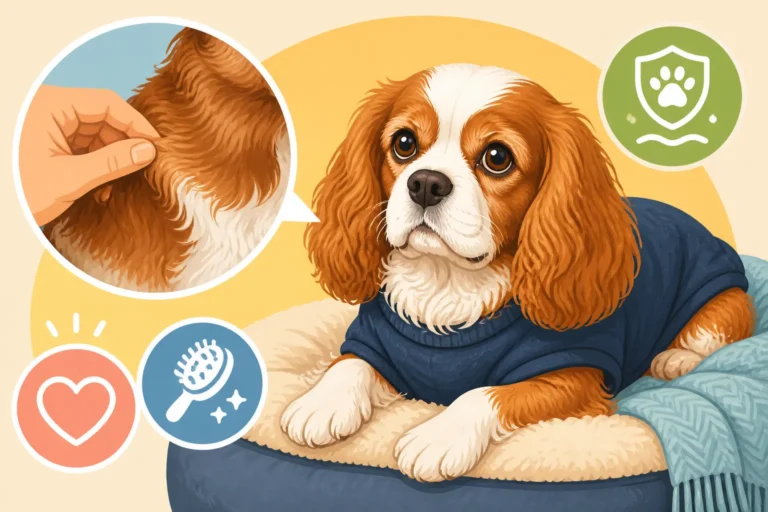
Cavaliers possess a single, long, silky coat, often described as having a slight wave. They don't have a dense undercoat like some double-coated breeds, which means their hair is fine and prone to tangling with itself, as well as with dirt and debris. The characteristic feathering on their ears, chest, legs, and tail are particular hot spots for mat formation. These areas see a lot of friction, whether from walking, playing, or simply resting, which encourages the hairs to weave together into tight, uncomfortable knots. Without consistent, thorough brushing, these small tangles can quickly escalate into large, pelted mats that pull at the skin and can even restrict movement.
It's not just the length and silkiness that contributes to matting; the natural oils in their coat, combined with environmental factors like moisture, dust, and even static electricity, can exacerbate the problem. A Cavalier who loves to roll in the grass or splash through puddles will inevitably pick up debris that becomes trapped in their feathering. Even something as simple as a collar can rub and compress the hair behind the ears and on the neck, creating friction that leads to mats. Understanding these unique vulnerabilities helps us appreciate why a more systematic brushing method is so crucial.
Preventing Pain and Stress
Imagine having your hair pulled repeatedly because someone is trying to yank a tangle out of it – that's often what a dog experiences if brushing isn't done gently and effectively. Mats, especially those close to the skin, are incredibly painful. When a brush snags a mat, it pulls on the sensitive skin underneath, causing discomfort, fear, and a negative association with grooming. This can make future brushing sessions a battle, stressing both you and your dog.
By brushing in small, manageable sections, you can carefully work through the coat, identifying and addressing tangles before they become severe. This methodical approach minimizes pulling and allows you to be much gentler. It transforms grooming from a dreaded ordeal into a calm, bonding experience, where your Cavalier feels safe and comfortable, even enjoying the attention. A pain-free grooming routine is vital for their emotional well-being and for maintaining a good relationship with their human.
Maintaining Coat Health and Shine
Beyond just preventing mats, regular and thorough brushing plays a significant role in the overall health and appearance of your Cavalier's coat. The act of brushing helps to distribute the natural oils produced by their skin throughout their fur. These oils are essential for keeping the coat hydrated, healthy, and shiny, acting as a natural conditioner. A well-oiled coat is also more resistant to dirt and tangles, creating a protective barrier.
Furthermore, brushing stimulates blood circulation to the skin, which promotes healthy hair growth and helps shed loose hairs. This reduces the amount of shedding around your home and keeps the coat looking tidy and vibrant. Without this regular maintenance, the coat can become dull, brittle, and prone to breakage, not to mention a breeding ground for skin irritations if mats are left untended. It’s an investment in their comfort, health, and undeniable charm.
Gathering Your Grooming Arsenal
Before you even think about putting brush to fur, it's crucial to have the right tools at hand. Trying to tackle a Cavalier's coat with the wrong equipment is like trying to bake a cake without the right ingredients – it just won't work out, and you'll likely end up frustrated. Investing in good quality grooming tools will make a world of difference in the effectiveness and ease of your brushing sessions.
The Essential Tools
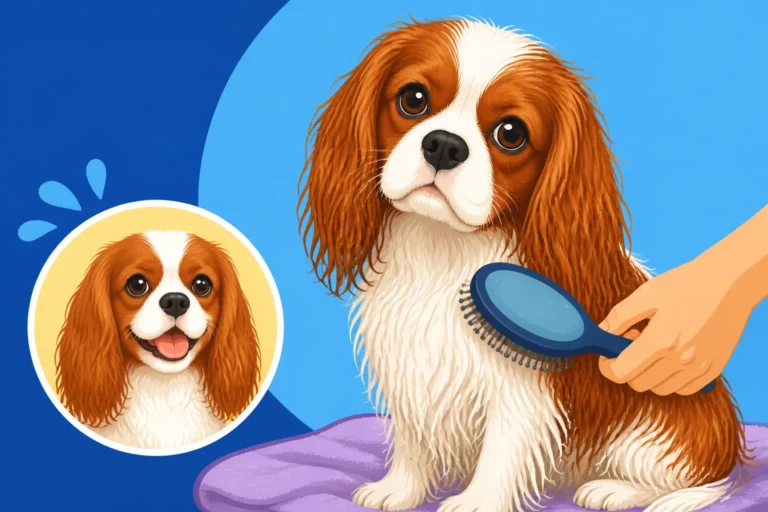
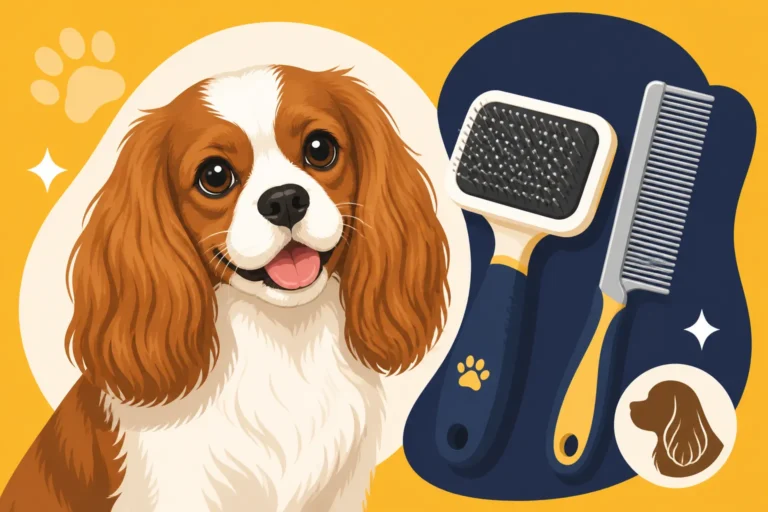
For a Cavalier, your grooming kit should include a few non-negotiables. First, a good quality slicker brush is paramount. These brushes have fine, short wires packed closely together on a flat or curved surface, perfect for gently working through feathering and removing loose hair and minor tangles without damaging the coat. Be sure to choose one with coated tips or very soft wires to avoid scratching your dog's delicate skin. Next, a sturdy metal comb with both wide and narrow teeth is essential. The wide-toothed end is great for initial detangling, while the narrow teeth are perfect for checking for missed knots, especially in the fine hair behind the ears and on the hocks. You can often find a wide selection of these brushes and combs on retailers like Chewy or Amazon, making it easy to compare options and read reviews.
Additionally, a detangling spray is an absolute lifesaver. A good quality spray will lubricate the hair, making it easier to comb through knots and preventing static electricity. You can spray a light mist over the coat section you're working on, allowing the product to penetrate before you start brushing. A pin brush, while optional, can be a great addition for longer feathering, as it glides through the coat and helps to keep it looking fluffy and smooth without pulling. Don't forget a pair of blunt-nosed scissors for carefully snipping out any truly stubborn mats that cannot be brushed out, always exercising extreme caution to avoid nipping the skin. For detailed advice on selecting tools, check out The Brush and Comb a Cavalier Coat Needs.
Creating a Calm Environment
Grooming isn't just about the tools; it's about the entire experience. Your Cavalier will pick up on your energy, so a calm, positive atmosphere is key. Choose a quiet time when there are no distractions, like kids running around or the doorbell ringing. A non-slip mat placed on a table or even the floor can help your Cavalier feel secure and prevent them from sliding around, which can make them anxious. If you have a dedicated grooming table, even better, as it elevates your dog to a comfortable working height and signals that it's "grooming time."
Keep a supply of high-value treats handy. These aren't just for good behavior after the session; they can be used throughout to reward patience and cooperation, especially when tackling sensitive areas. Start with very short sessions, particularly with puppies or dogs new to extensive grooming, gradually increasing the duration as they become more comfortable. The goal is to make grooming a positive, even enjoyable, part of your routine.
Timing is Everything
When you brush your Cavalier can significantly impact the ease and effectiveness of the session. A good rule of thumb is to brush before you bathe your dog. Water can tighten existing mats, making them much harder, if not impossible, to remove without resorting to cutting or shaving. Brushing beforehand ensures that the shampoo can properly penetrate the coat and clean the skin, leaving your dog truly clean.
Another opportune time for a quick brush-through is after walks or outdoor play, especially if your Cavalier has been romping in tall grass or wet areas. This helps to remove any burrs, twigs, or mud that might have gotten caught in their feathering before they have a chance to work their way deeper into the coat and form mats. Even a few minutes of attentive brushing after an adventure can save you a lot of time and effort later on. Incorporating brushing into these natural rhythms of your day makes it feel less like a chore and more like a routine check-up for your furry friend.
The Step-by-Step Sectional Brushing Guide
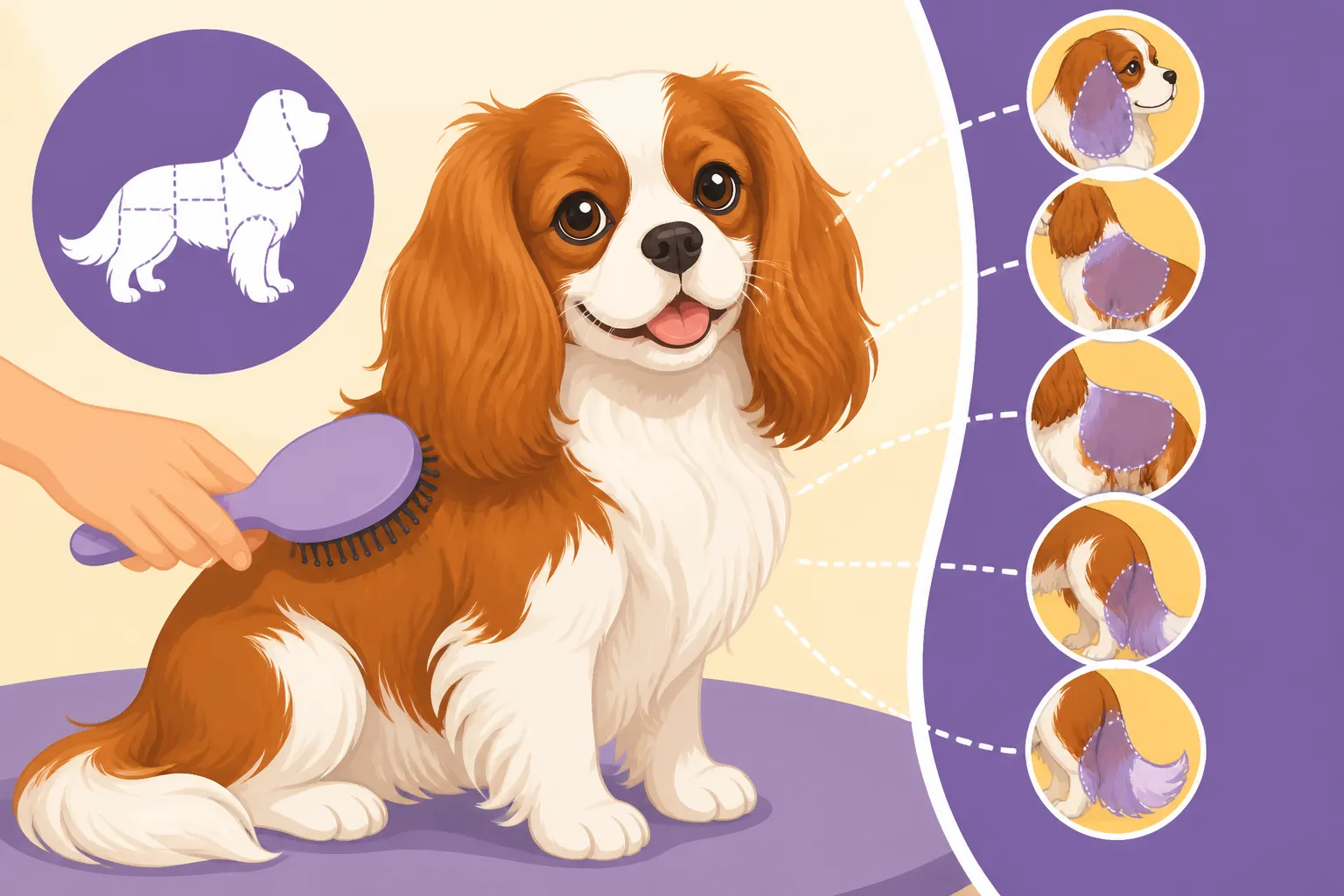
Now that you're armed with the right tools and a positive mindset, it's time to dive into the nitty-gritty of sectional brushing. The key here is to be methodical and gentle, working through one small section at a time until the entire coat is tangle-free. This approach ensures you don't miss any hidden mats and makes the process more comfortable for your Cavalier.
Starting with the Ears
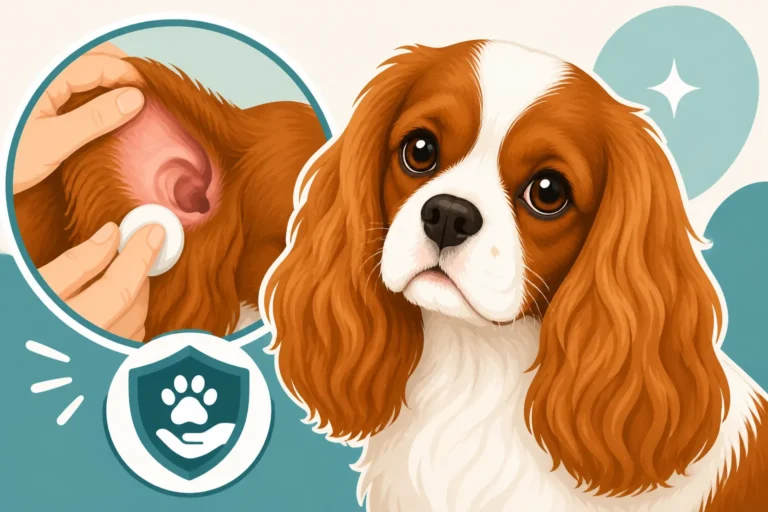
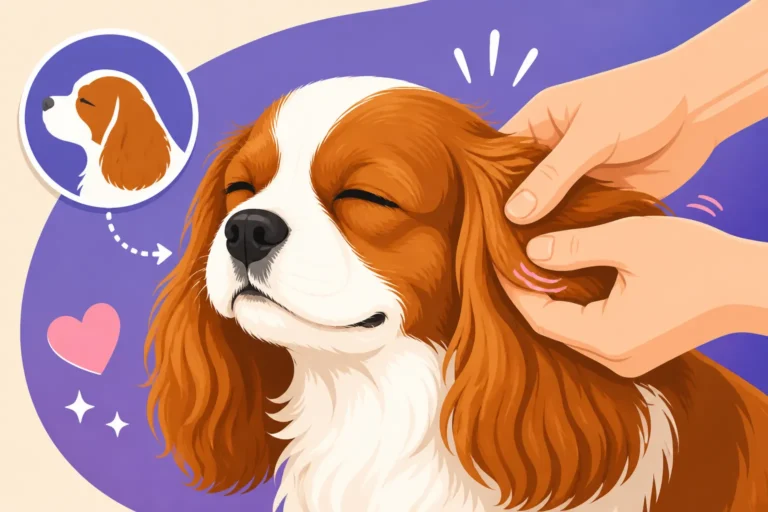
The Cavalier's long, silky ears are undeniably beautiful, but they are also notorious mat magnets. Due to their length and constant movement, they frequently get dipped in food and water bowls, drag on the ground, and rub against collars, leading to tangles and mats, especially behind the ear leather and at the base where they meet the head. This area is often overlooked and can become severely matted very quickly. It's also a highly sensitive area, so gentle handling is paramount. For more on this, consider reading Combing Behind a Cavalier's Ears.
To begin, gently hold the ear leather flat in your hand. Using your slicker brush, start at the very tip of the ear feathering and work your way up towards the base, brushing in small, downward strokes. Once you've brushed the length, use your metal comb to check your work, carefully running it through the entire ear from root to tip. Pay extra attention to the hair directly behind the ear where it attaches to the skull; this is a prime spot for hidden mats. If you encounter a tangle, spritz with detangling spray, gently separate with your fingers, and then use the wide teeth of your comb to tease it out before returning with the slicker brush.
Tackling the Legs and Paws
The feathering on your Cavalier's front and back legs, particularly around the hocks and armpits, is another common trouble spot. These areas experience a lot of friction from movement and contact with surfaces, making them highly susceptible to matting. Ignoring them can lead to restrictive mats that hinder your dog's ability to walk comfortably and can even cause skin irritation. Mats in a Cavalier's Armpits and Groin discusses these specific areas in more detail.
For the legs, lift each leg gently and hold it securely but comfortably. Starting with the front legs, use your slicker brush to work through the feathering, beginning at the paw and brushing upwards towards the body. Focus on small sections, brushing against the growth of the hair first to lift it, then smoothing it down. Once the main feathering is clear, use your metal comb to check the paw itself and the hair between the pads, as small debris can get trapped there. Repeat this process for all four legs, being extra vigilant in the armpit areas, which are almost guaranteed to have some degree of matting if not brushed regularly.
Working Through the Body and Chest
The main body of your Cavalier, while perhaps less prone to dense matting than the ears or feathering, still requires thorough attention. The back, sides, and especially the chest and belly areas can develop tangles, particularly where a harness or collar might rub, or where they lie down and compress their fur. A quick once-over isn't sufficient; you need to part the hair and brush in layers to truly get to the skin.
Start with the back, parting the hair horizontally against the grain. Use your slicker brush to brush downwards from the part line, working in small sections. Once that section is tangle-free, move a little further down, create another part, and repeat the process. Continue this method down the sides of the body, then gently turn your Cavalier on their back (if they are comfortable with it) to access the chest and belly. These are often softer, more delicate areas, so use a very light touch. Ensure you get underneath the front legs where the chest feathering is thickest, as this is a common matting zone. A pin brush can be particularly effective on the main body for a gentle, all-over fluff.
Mastering the Tail and Rear
Your Cavalier’s tail is a beautiful plume of feathering, and like the ears, it's constantly in motion, making it a prime target for tangles. The "panties" area around their rear end, too, can become matted and collect debris, which can be unhygienic as well as uncomfortable. This section needs careful and diligent attention to maintain both beauty and cleanliness.
To brush the tail, gently lift it and spread out the feathering. Using your slicker brush, start at the tip of the tail and work your way up to the base, brushing in small, even strokes. As with other areas, you might need to part the hair to ensure you're reaching down to the skin. Once the tail itself is smooth, turn your attention to the hair around the rear, commonly referred to as the "panties" or skirt. This area can get particularly matted, especially in longer-coated Cavaliers. Carefully brush through this dense feathering, checking for any hidden tangles or debris. Being thorough here is important not only for comfort but also for hygiene.
The Face and Muzzle
While not typically a matting hotspot in the same way as other feathered areas, the face and muzzle still require attention during a full grooming session. The hair around the eyes can become crusty or stained, especially in lighter-colored Cavaliers, and loose hairs can irritate the eyes. This is a very sensitive area, so your gentlest touch is required.
Using a fine-toothed metal comb or even just your fingertips, carefully check the hair around your Cavalier's eyes for any discharge or crust. For tear staining, a damp cloth or a specialized tear stain remover (always vet-approved) can be used. Gently comb any loose hairs away from the eyes and mouth. The muzzle itself typically has shorter hair and doesn't usually mat, but a soft wipe can keep it clean, especially after meals. Your goal here is cleanliness and comfort, ensuring no hair or debris causes irritation to their prominent, expressive eyes.
Dealing with Knots and Tangled Feathering
Even with the most diligent sectional brushing, life happens, and sometimes a stubborn knot or tangle will inevitably appear. The temptation might be to yank it out or grab the nearest scissors, but patience and the right technique are your best friends here. Approaching tangles incorrectly can cause pain, skin irritation, or even accidental injury to your Cavalier.
Gentle Detangling Techniques
When you encounter a knot, the first rule is to never try to brush straight through it. That's a surefire way to cause pain and make your Cavalier hate grooming. Instead, start by liberally spraying the mat with a good detangling spray. Many pet supply stores, like Chewy or Amazon, offer excellent options. Allow the spray to soak in for a minute or two, which helps to lubricate the hairs and make them more pliable. Once saturated, use your fingers to gently try and pull apart the larger sections of the mat. Think of it like trying to untangle a knot in a piece of string, rather than cutting it.
Once you've loosened it a bit with your fingers, take your metal comb (the wide-toothed side first) and start working from the very ends of the mat, teasing out small strands of hair. Gradually work your way closer to the skin, always holding the hair at the base of the mat with one hand to prevent pulling on the skin. This technique, known as "line brushing," ensures you're only working on the tangle itself and not putting unnecessary stress on your dog. It can be time-consuming, but your Cavalier will thank you for your patience. For further advice on tackling knots, see Working a Mat Out of Cavalier Feathering.
When to Cut (Carefully!)
There are times when a mat is simply too tight, too close to the skin, or too large to be safely brushed out. In these situations, cutting might be necessary, but it must be done with extreme caution. Your Cavalier's skin is thin and easily nicked, especially when it's pulled tight by a mat. Always use blunt-nosed scissors specifically designed for pet grooming to minimize the risk of injury.
To safely cut a mat, try to slip the narrow end of your metal comb or a special mat-splitter tool underneath the mat, against the skin. This creates a barrier between the scissors and your dog's skin. Then, carefully make small cuts into the mat, rather than trying to cut it off in one go. You're essentially "slicing" the mat into smaller, more manageable pieces that can then be gently brushed out. Never try to cut a mat without a barrier between the mat and the skin, and if you're ever unsure or uncomfortable, it's always best to seek professional help. If a mat is particularly difficult or you’re worried about hurting your Cavalier, it might be time to consider professional grooming, as discussed in Cutting a Mat Out of a Cavalier Safely.
Professional Help
Sometimes, despite your best efforts, a Cavalier's coat can become severely matted. This is especially true after a period of neglect, an illness, or simply a particularly adventurous season. In these cases, it's not only acceptable but highly recommended to enlist the help of a professional groomer. Groomers have specialized tools, training, and experience in dealing with matted coats, often being able to safely remove knots that would be impossible or dangerous for an owner to tackle at home.
A professional groomer might recommend a "dematting" service, which involves careful and extensive work to brush out the tangles. However, if the mats are too severe or too close to the skin, they may advise shaving the dog down. While this might seem drastic, it's often the kindest and safest option for your Cavalier, as it removes the painful mats entirely and allows the coat to grow back fresh and healthy. There's no shame in seeking expert help; your dog's comfort and well-being should always be the top priority. For more on this, you might find When a Matted Cavalier Has to Be Shaved insightful.
Establishing a Brushing Routine
Consistency is truly the secret ingredient when it comes to keeping your Cavalier's coat in pristine condition. A sporadic, intensive grooming session every few weeks is far less effective and more stressful than regular, shorter brushing sessions. Establishing a predictable routine will not only keep mats at bay but also foster a positive association with grooming for your dog.
Consistency is Key
For most Cavaliers, brushing three times a week is a good baseline to prevent serious matting, especially in areas with extensive feathering. However, Cavaliers who spend a lot of time outdoors, swim, or have particularly thick coats may benefit from daily brushing. Even a quick 5-10 minute brush-through can make a world of difference. This frequent, gentle interaction catches small tangles before they escalate and keeps the coat free of debris. Think of it less as a chore and more as a regular check-up and bonding time with your dog. Consistent, short sessions are far more manageable for both you and your Cavalier than a lengthy battle with severe mats once a month. This concept is explored further in Brushing a Cavalier's Feathering Three Times a Week.
It’s about making brushing a non-negotiable part of your dog's care, just like feeding or walking. The more regularly you do it, the easier it becomes, and the less likely you are to encounter difficult and painful mats. A consistent routine also allows you to quickly spot any skin irritations, lumps, or bumps that might otherwise go unnoticed, giving you an early opportunity to address any potential health concerns with your vet.
Making it a Positive Experience
Building a positive association with grooming starts from puppyhood, but it's never too late to try and change a dog's perception. Always approach grooming sessions with a calm, patient demeanor. Speak in a soothing voice, offer praise frequently, and use those high-value treats generously. If your Cavalier shows signs of discomfort or fear, take a break. Push too hard, and you risk creating a lasting negative association.
Keep sessions short, especially when you're first establishing the routine. Even just a minute or two of brushing, followed by a reward and playtime, is a great start. Gradually increase the duration as your Cavalier becomes more accepting and relaxed. You can also make grooming a multi-sensory experience by playing calming music, using a pleasant-smelling detangling spray, or incorporating gentle massage alongside the brushing. The goal is to make your Cavalier associate grooming with positive feelings, treats, and attention, rather than stress or pain. This foundation will serve you well throughout their life, ensuring they remain comfortable and cooperative during all their necessary grooming appointments.
Here's a quick reference table for common matting areas and how to approach them:
| Body Section | Common Matting Areas | Recommended Tools | Specific Technique Tip |
|---|---|---|---|
| Ears | Behind ear leather, base | Slicker brush, metal comb, detangling spray | Hold ear leather flat, brush small sections from tip to base, check closely behind ear. |
| Legs & Paws | Armpits, hocks, between toes, leg feathering | Slicker brush, metal comb | Lift leg gently, brush upwards from paw, ensure thorough check in armpits. |
| Body & Chest | Under collar, belly, sides, chest feathering | Slicker brush, pin brush, metal comb | Part hair against growth, brush in layers towards the skin, don't miss the belly. |
| Tail & Rear | Base of tail, plume, "panties" area | Slicker brush, metal comb | Support tail, work through feathering from tip to base, brush around the rear. |
| Face & Muzzle | Around eyes, tear stain areas | Fine-toothed comb, damp cloth | Gently clean around eyes, comb loose hairs away from face. |
Disclaimer
This article is for general informational purposes only and does not constitute professional advice. Laws, prices and regulations vary by location and change over time. Consult a qualified professional for guidance on your specific situation.